When you think about home appliances, the devices that make everyday chores easier, from cooking meals to keeping food cold. Also known as household appliances, they are essential fixtures in any modern home.
One of the most common oven, a heat‑generating appliance used for baking, roasting and broiling sits at the heart of the kitchen. Ovens vary by fuel—electric or gas—and each type brings its own set of repair triggers. A faulty heating element or a broken thermostat often shows up as uneven baking or a failure to heat. Regular cleaning of the interior and checking the seal can stave off many issues, saving you from costly service calls.
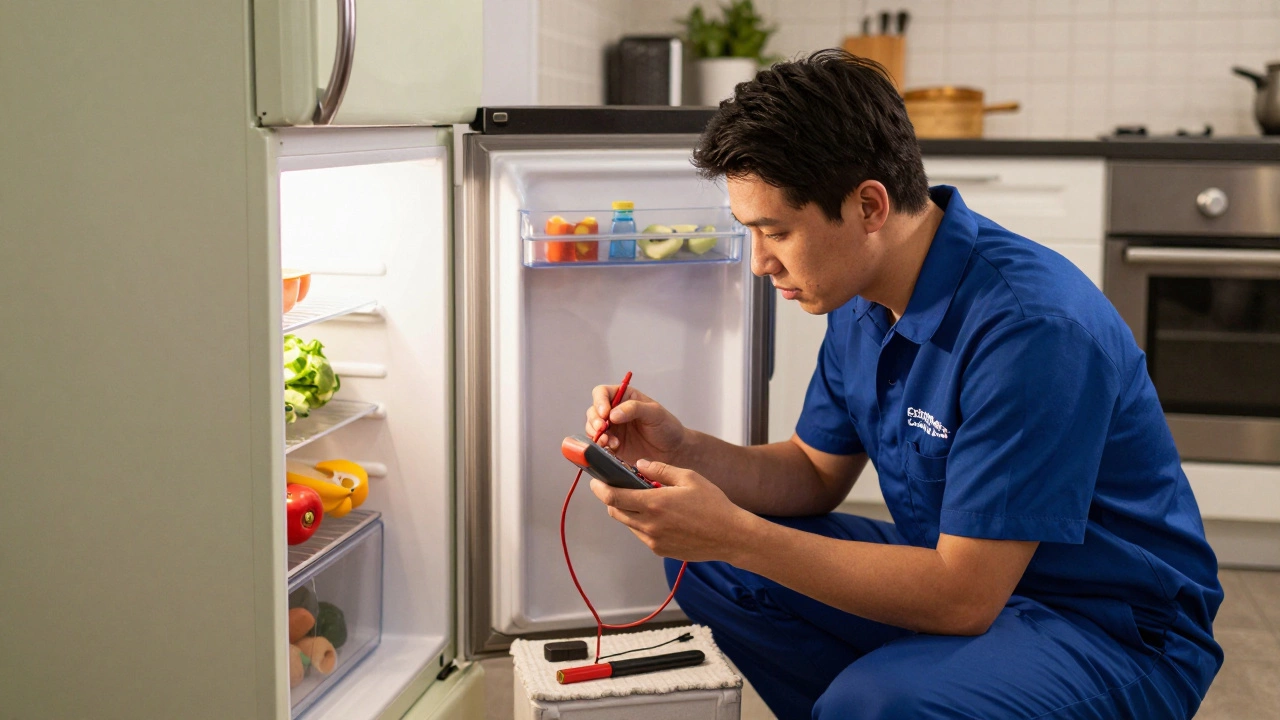
A refrigerator, the cooling appliance that preserves food by maintaining low temperatures is another staple. Problems usually stem from a clogged condenser coil, a worn compressor, or a malfunctioning defrost timer. If you notice frosting on the back or inconsistent temperatures, start by unplugging the unit, cleaning the coils, and checking the door gasket for leaks. These quick steps often restore performance without a technician.
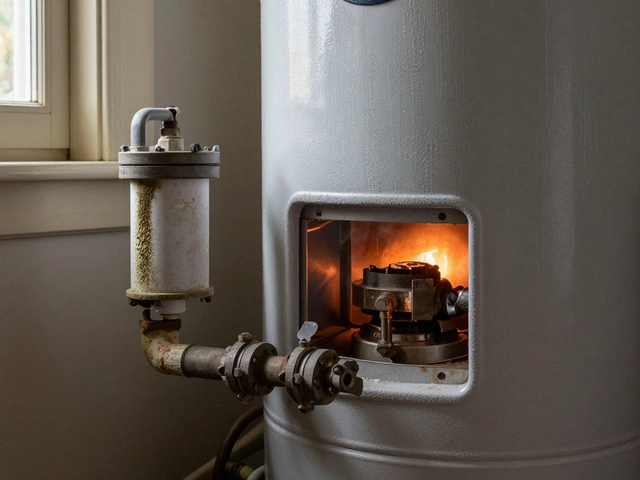
The boiler, a central heating system that heats water for radiators and taps keeps your home warm in winter. Common faults include low pressure, noisy operation, or a failure to ignite. Most issues are caught early by watching the pressure gauge and listening for unusual sounds. Scheduling an annual service and bleeding radiators can extend the boiler’s life and maintain efficiency.
Good airflow in the kitchen often depends on a extractor fan, a ventilation device that removes steam, odors and grease from cooking areas. A noisy or weak fan can let moisture linger, damaging cabinets and appliances. Cleaning the filter monthly and ensuring the duct isn’t blocked are simple actions that keep the fan—and the oven and fridge—working in a dry environment.
Keeping any home appliances in top shape isn’t just about fixing breakdowns—it’s also about preventing them. Regular checks like inspecting power cords, verifying leak‑free connections, and watching for unusual noises can alert you before a small fault becomes a major repair. Energy‑saving habits such as using the oven’s convection mode, setting the fridge to the recommended temperature, and descaling the boiler annually help lower bills while reducing wear on the equipment.
When dealing with gas‑powered devices like ovens or boilers, safety should be the top priority. If you smell gas, hear strange hissing sounds, or notice a sudden loss of heat, shut off the supply and call a qualified professional right away. Certified technicians have the training to test for leaks, service gas valves, and ensure compliance with local regulations, keeping your home safe.
Below you’ll find a curated set of articles that dive deeper into each of these appliance categories, offering step‑by‑step fixes, cost comparisons, and safety advice.
In business, an appliance isn't just a machine - it's a service-driven product with a lifecycle built on repair, reliability, and customer trust. Learn what makes appliance service a profitable industry.
Ever wondered what exactly counts as an 'appliance'? This article breaks down the definition, explains how appliances are classified, and gives practical tips for identifying what you can get serviced or repaired. Learn which devices around your home qualify, why it matters for warranties and repairs, and how to make smart choices when dealing with appliance service companies. Packed with real-life examples and clear answers, this guide takes out the guesswork for homeowners and renters alike.
Inside your home, appliances quietly do their job until they're hit by a glitch. Understanding how they work can make maintenance and troubleshooting easier. From the basics of how electricity powers your gadgets to tips for keeping them running smoothly, we’ll break down some of the mysteries around appliances. Whether it's your fridge, washer, or microwave acting up, a little knowledge can save both time and effort.
When troubleshooting or servicing your appliance, describing it accurately is key. This guide helps you convey the right information, from basic characteristics to specific features, making communication with service providers straightforward. Learn how to use model numbers, recognize key components, and articulate common issues. Enhance your appliance knowledge and make servicing more efficient with these practical tips.
Gas appliances are indispensable in many homes, but they won't last forever. Knowing their average lifespan is crucial for planning repairs and replacements. On average, gas appliances like stoves, heaters, and water heaters last 10 to 20 years, but regular maintenance can extend their life. Learn about the factors that affect their longevity and tips for keeping them in top shape.
Considering whether fixing your ten-year-old dryer is the right choice can be puzzling. Age, cost of repairs, and current efficiency are key factors. Sometimes, repairing could be a wise investment, but learning about potential issues and costs can guide you. This article offers insights into evaluating the feasibility of repairing an older dryer.
Deciding whether to replace a freezer compressor involves weighing costs, the age of the appliance, and energy efficiency gains. Knowing when the repair makes sense can save you money and prolong the life of your freezer. This article explores the benefits and drawbacks of compressor replacement, with tips on maintenance.
Leaving an electric oven on overnight can pose substantial risks, ranging from increased fire hazards to unnecessary energy consumption. Understanding the risks and taking preventative measures can help ensure safety in the home. This article explores potential dangers, offers safety guidelines, and provides maintenance tips to keep ovens in top shape. Homeowners will learn how to balance convenience with safety in their kitchen appliances.