Water Heater Repair – Expert Tips & DIY Guides
When working with Water Heater Repair, the process of diagnosing and fixing problems that stop your hot water from flowing. Also known as hot water system maintenance, it keeps showers warm, dishes clean and laundry efficient. A typical repair job often revolves around the heating element, the electric coil or gas burner that actually raises the water temperature inside the tank. Another frequent offender is the thermostat, the control that tells the heater when to turn on or off based on set temperature. Both components are tightly linked: a faulty element can cause the thermostat to over‑react, while a mis‑set thermostat may waste energy and wear out the element faster.
Key Areas to Watch During a Repair
The first step in any Water Heater Repair effort is to identify the symptom and match it to a likely cause. If hot water disappears suddenly, check the reset button, the safety switch that trips when the unit overheats or detects a fault. Repeated trips often signal deeper issues like sediment buildup, which is a layer of mineral deposits that blankets the tank walls and insulates the heating element. Sediment not only reduces efficiency but also forces the thermostat to work harder, increasing the chance of a reset event. In many homes, flushing the tank every 12‑18 months clears this buildup, extending the heater’s life. When the reset button clicks and the water stays cold, the likely chain is: sediment → element overheating → thermostat mis‑reading → safety shut‑off.
Beyond symptom hunting, good repair practice includes preventive maintenance. Regularly inspect the anode rod, keep the pressure‑relief valve clear, and test the element’s resistance with a multimeter. These checks let you spot a failing part before it causes a full‑scale outage. Knowing the average lifespan—about 8‑12 years for most models—helps you decide whether a repair is worth the cost or if replacement makes more sense. If you’re dealing with a 20‑year‑old unit, the odds are high that corrosion, worn seals, and outdated efficiency standards are at play. In such cases, a fresh installation not only restores reliable hot water but also cuts energy bills. The articles below dive deeper into each of these topics, offering step‑by‑step DIY instructions, safety tips, and indicators for when to call a pro. Ready to tackle that cold shower or plan a long‑term upgrade? Keep reading for practical solutions tailored to every water‑heater scenario.
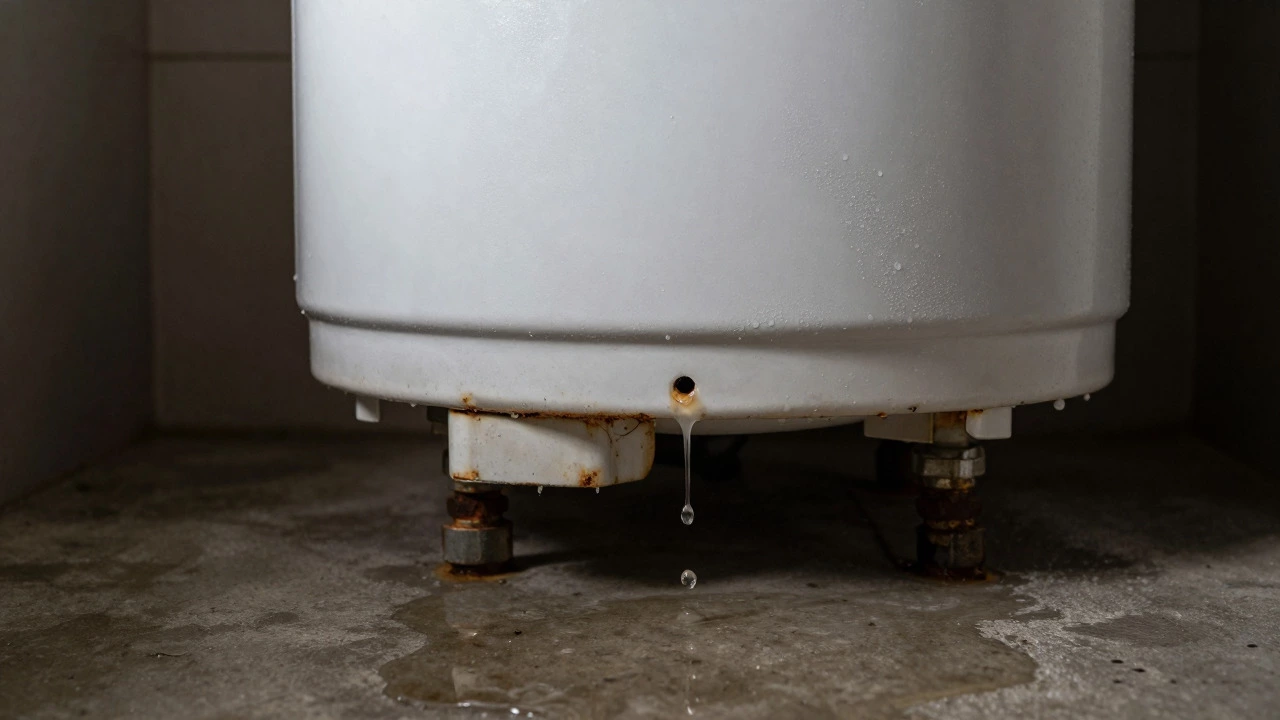
Where Is a Water Heater Most Likely to Leak? A Complete Guide to Common Leak Points
Discover where water heaters most commonly leak, from T&P valves to tank corrosion. Learn how to identify the source, perform quick fixes, and decide when to replace your unit.
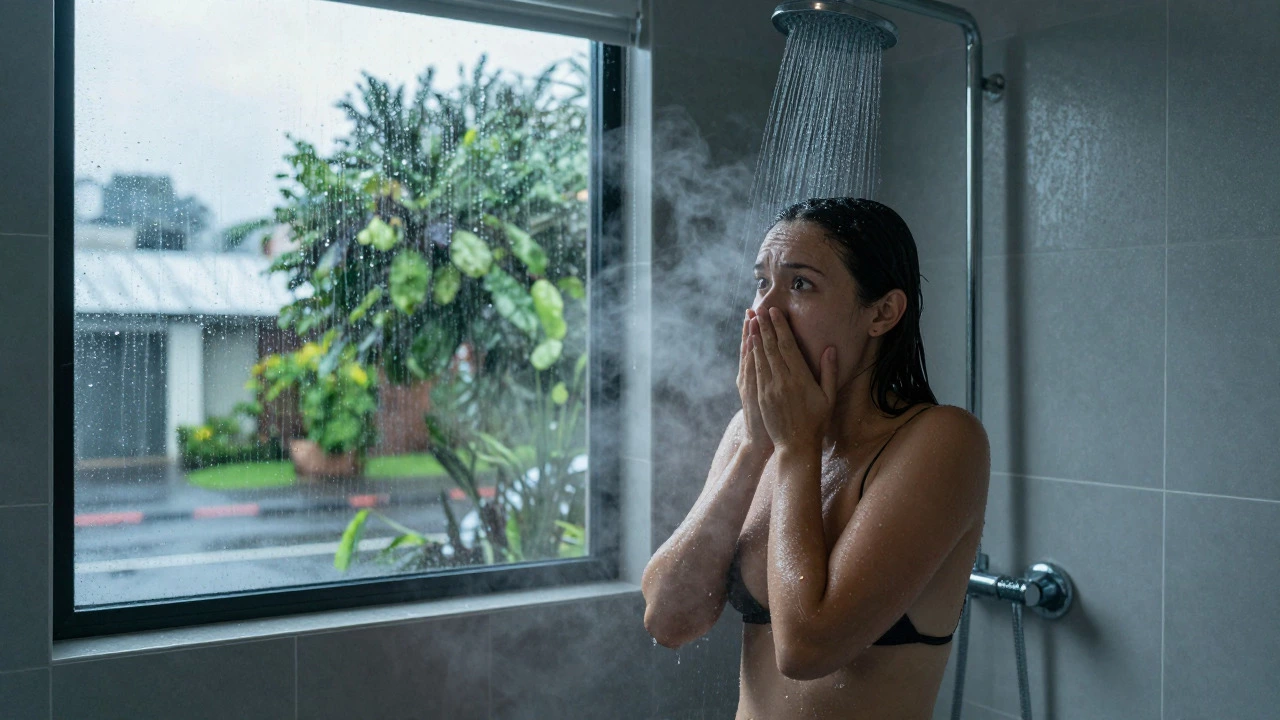
Why Has My Hot Water Gone Off? A Complete Troubleshooting Guide for New Zealand Homes
Hot water gone off? Check power, thermostats, and gas supplies. A quick guide to troubleshooting electric, gas, and heat pump systems in NZ homes.
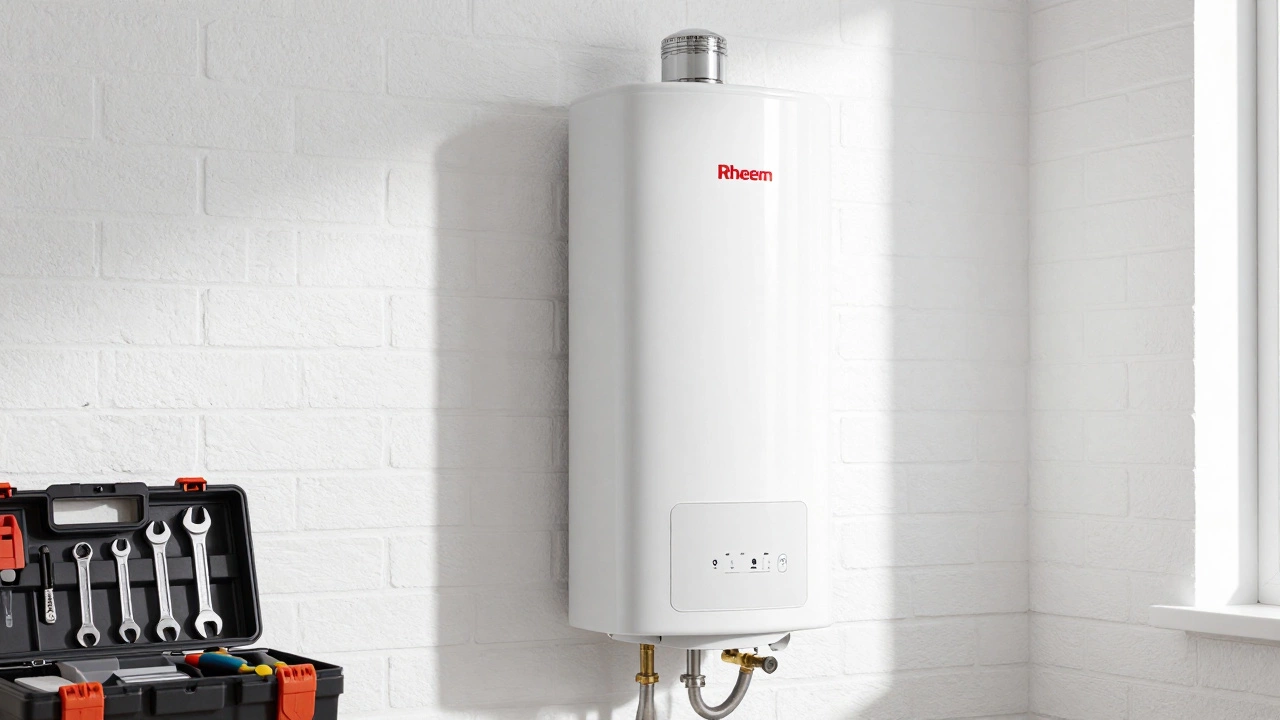
Rheem vs AO Smith Water Heaters: Which Brand Is Better for Repair and Reliability?
Compare Rheem and A. O. Smith water heaters for repair costs, lifespan, and reliability. Find out which brand suits your budget and long-term needs.
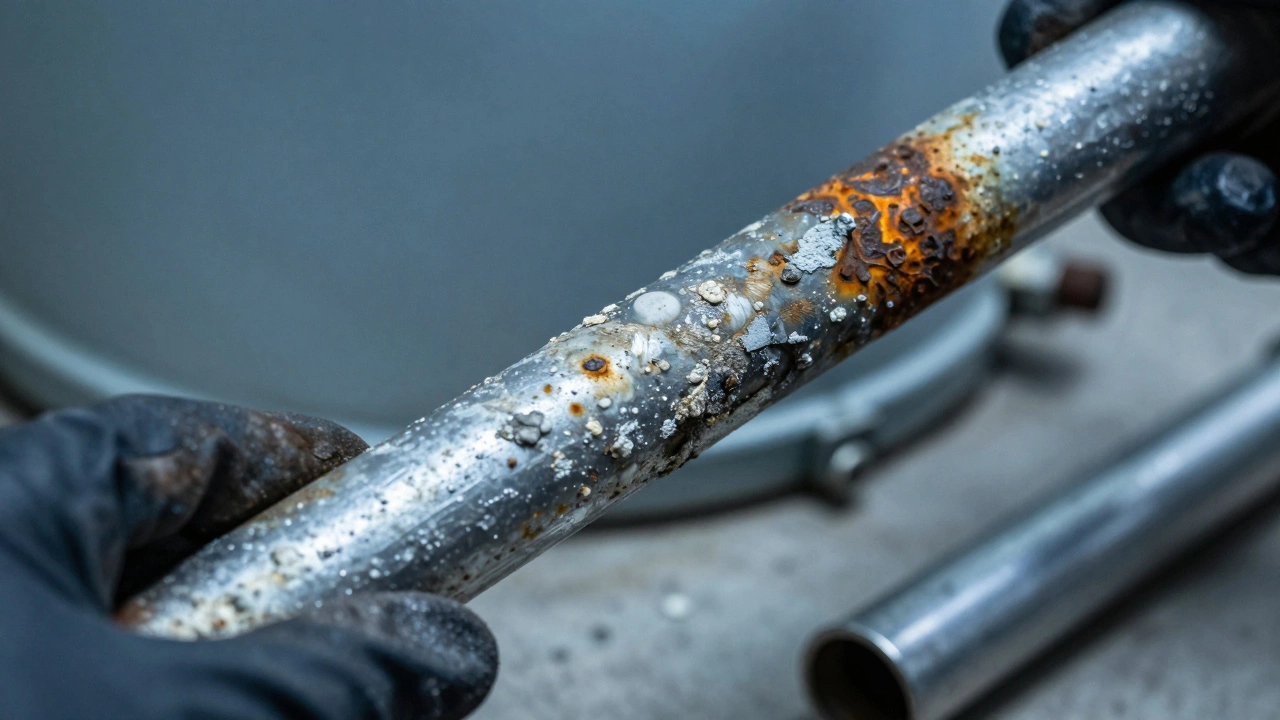
How Much Does It Cost to Replace a Water Heater Anode Rod? (2026 Guide)
Find out exactly how much it costs to replace a water heater anode rod in 2026. We break down DIY vs. pro prices, hidden fees, and tips to save money on this critical maintenance task.
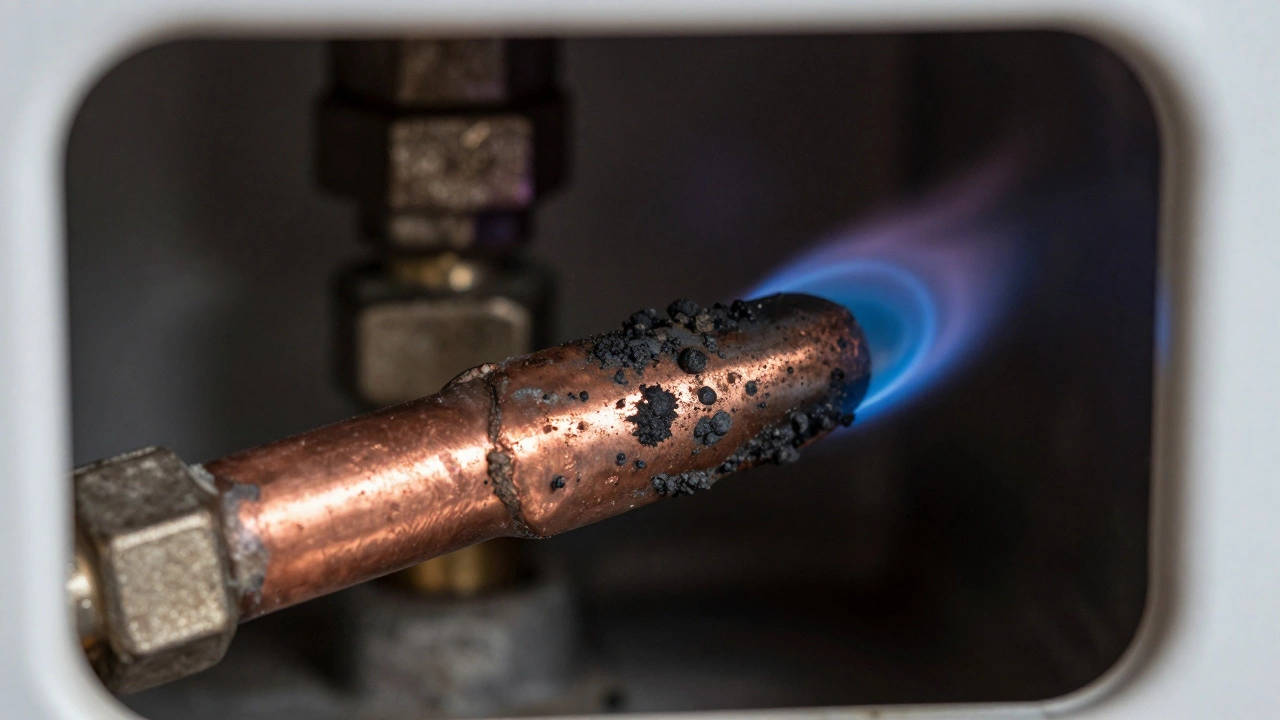
What Usually Fails on a Water Heater? Common Parts & Fixes
Discover what usually fails on a water heater. Learn about thermocouples, heating elements, anode rods, and sediment buildup. Get practical tips for diagnosis and repair to save money.
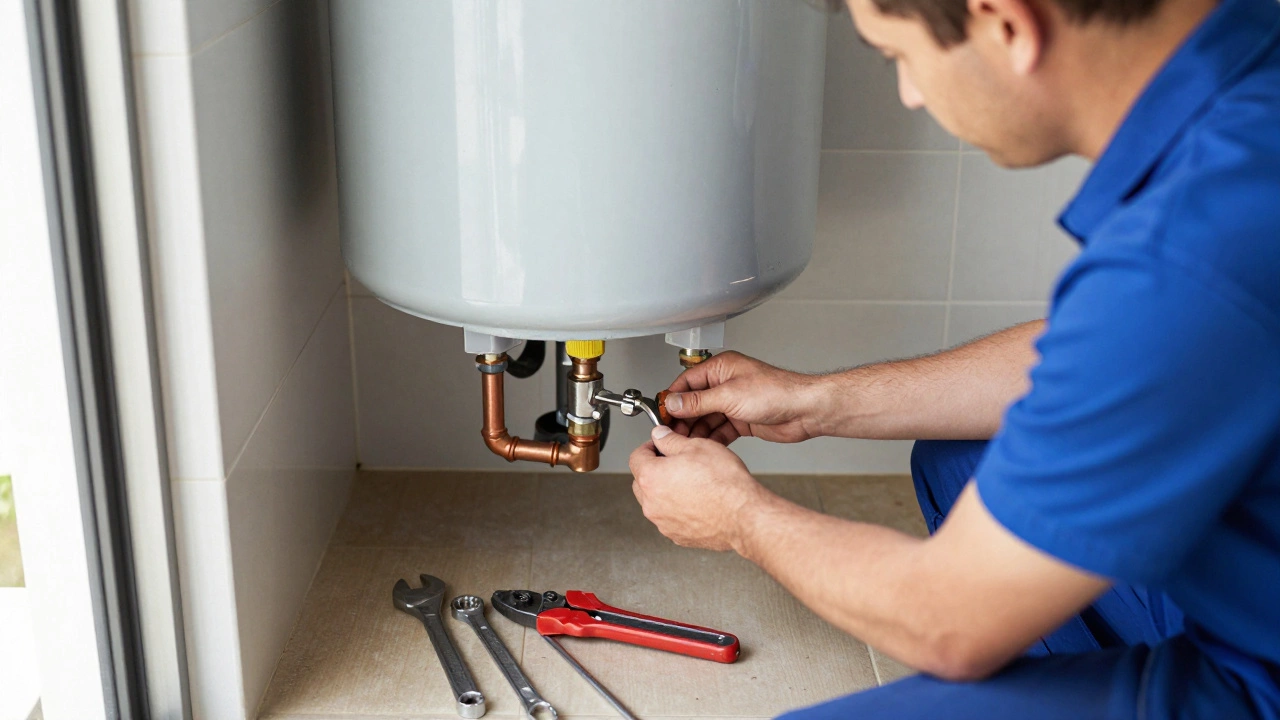
How Long to Replace a Hot Water Heater? Real Timelines for Auckland Homes
Replacing a hot water heater in Auckland typically takes 3-5 hours for standard electric units. Gas and heat pump swaps take longer due to complex plumbing and electrical requirements. Learn what affects the timeline and how to prepare.
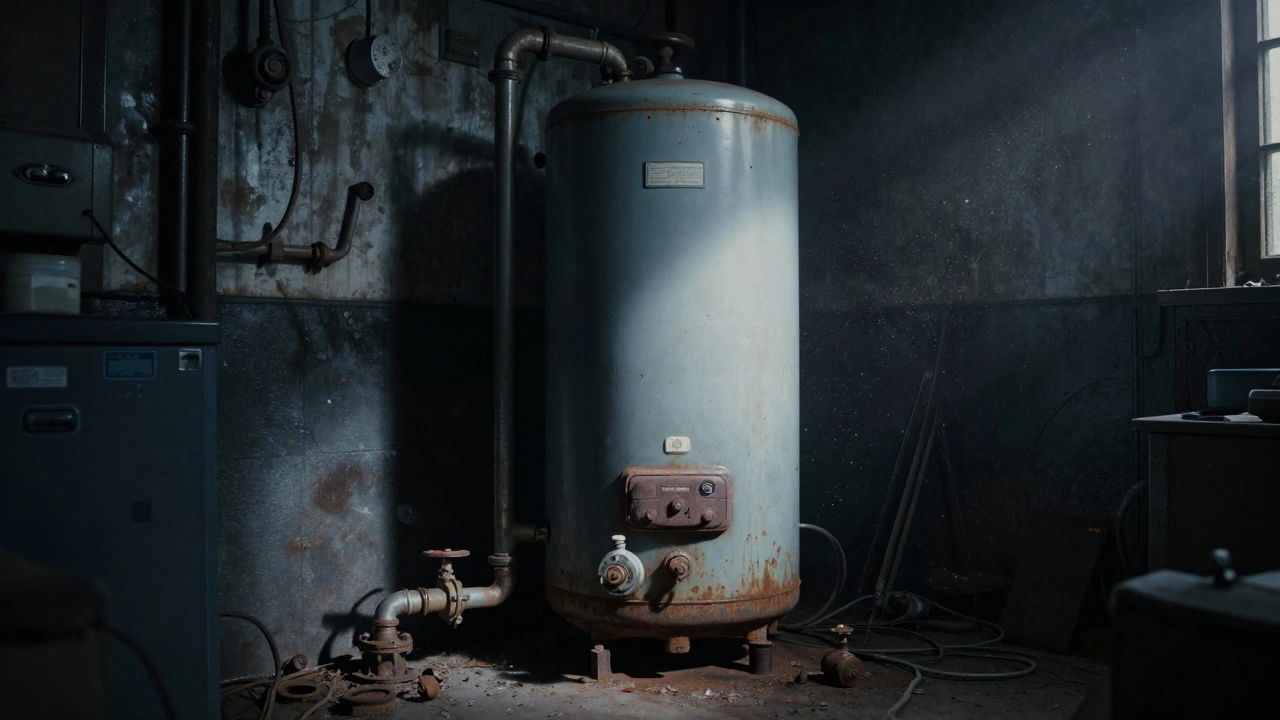
Can a Hot Water Heater Last 30 Years? Real Lifespans and Maintenance Tips
Can a hot water heater last 30 years? Discover real lifespans, maintenance tips, and signs your unit needs replacement to avoid costly floods.
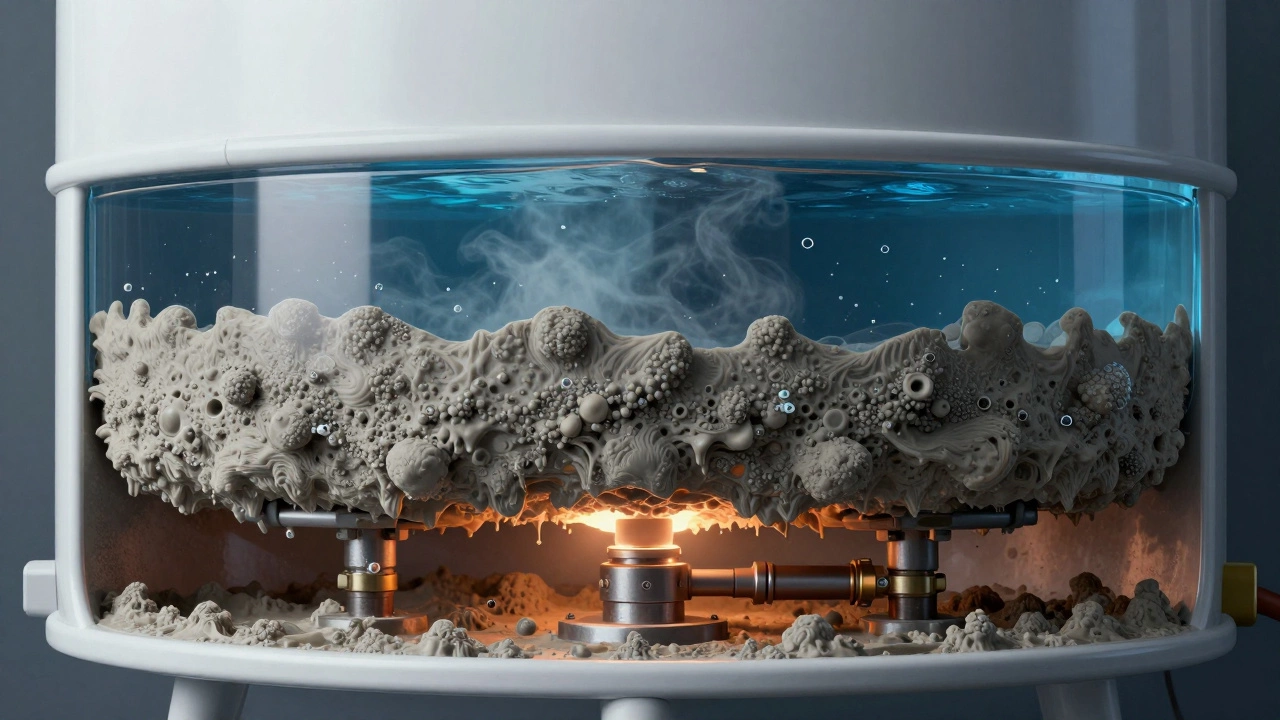
Where Do Most Water Heaters Fail? Top 5 Failure Points Explained
Discover the top 5 places where water heaters fail most often, including sediment buildup, anode rod corrosion, and tankless scaling. Learn how to spot early warning signs and prevent costly replacements.
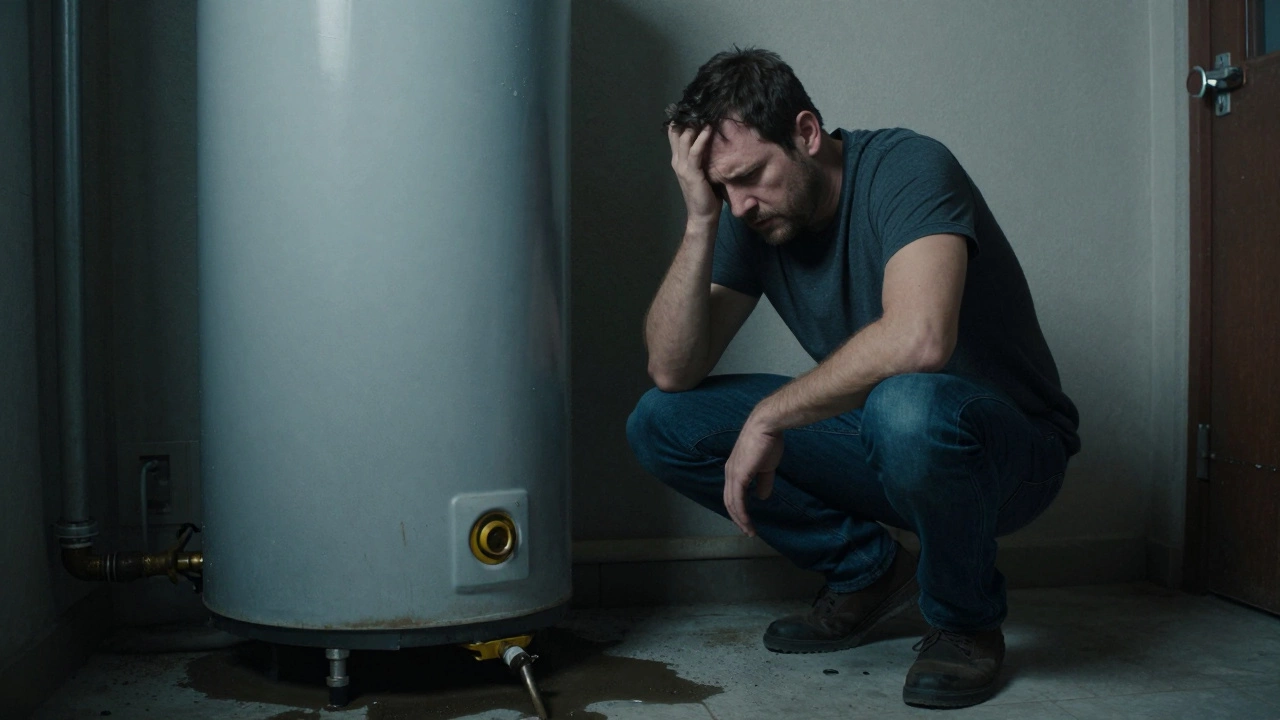
Repair or Replace: Is Your Hot Water Heater Worth Fixing?
Should you fix your old hot water heater or buy a new one? Learn the 50% rule, red flags for replacement, and how to extend your heater's lifespan.
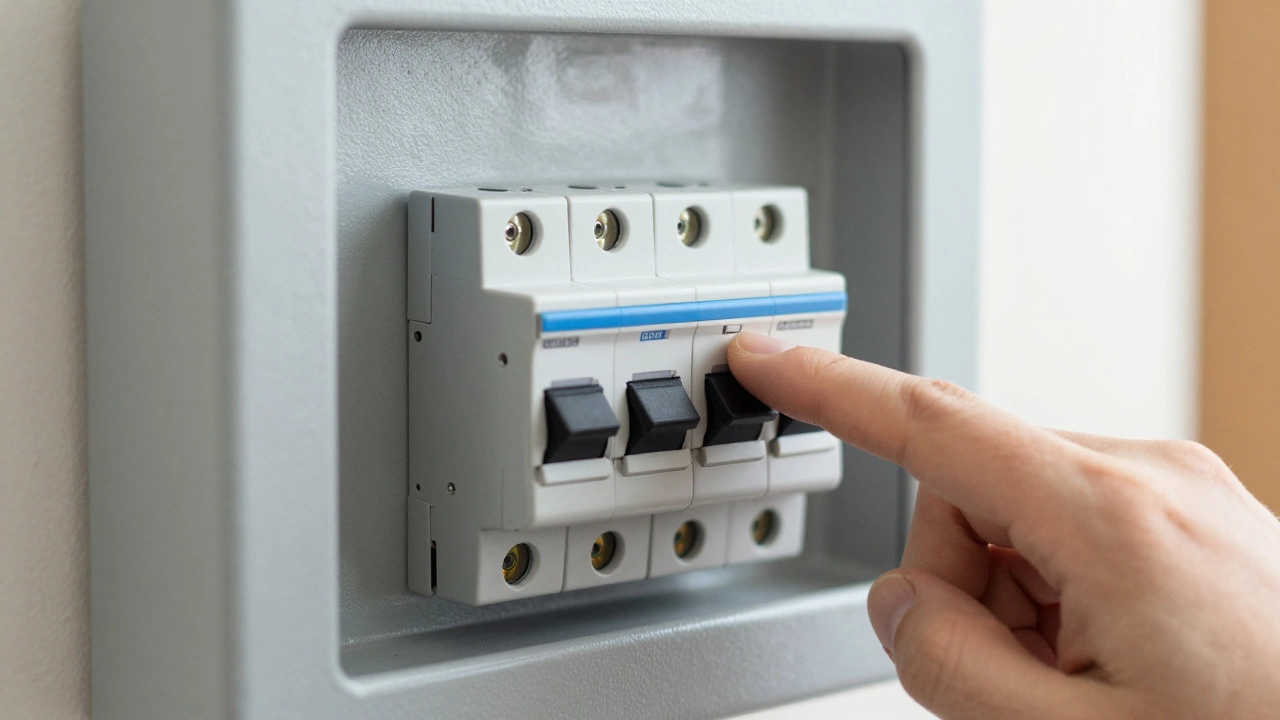
How to Reset Your Hot Water Heater: A Step-by-Step Guide
Learn how to reset your hot water heater quickly. Step-by-step guide for resetting electric high-limit switches and relighting gas pilot lights to restore hot water.
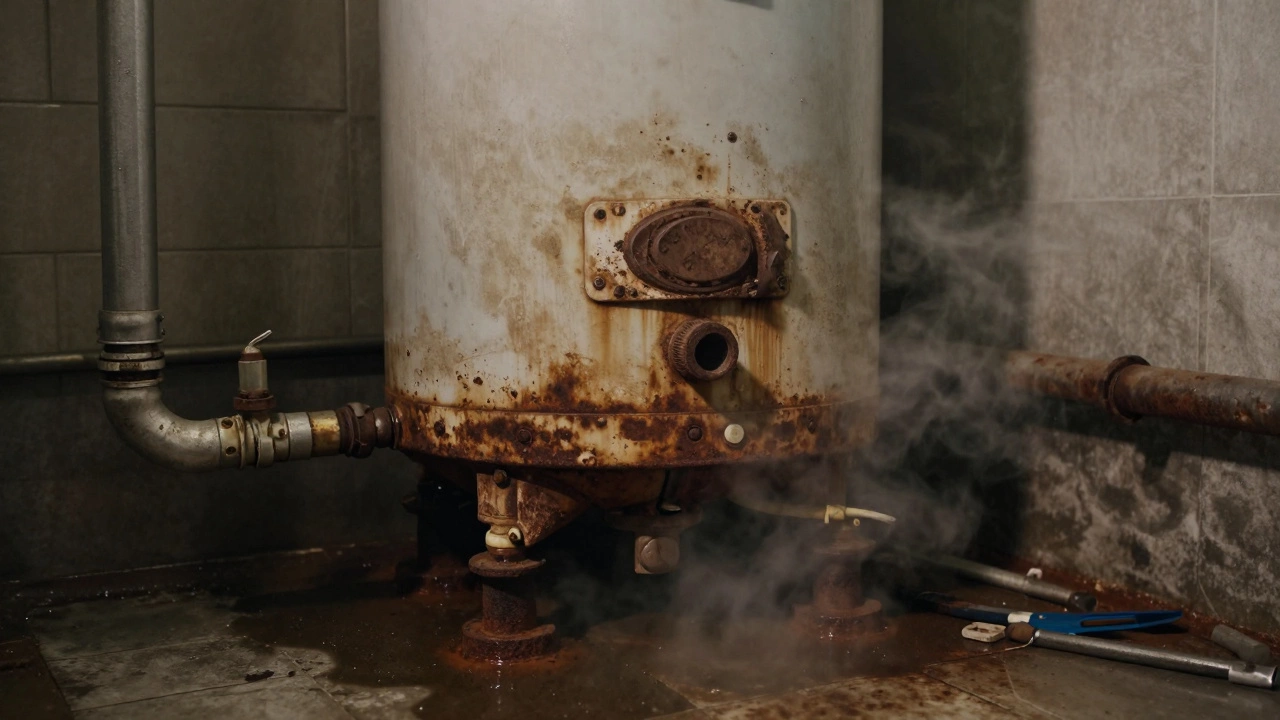
How do you know when a hot water heater needs to be replaced?
Learn the key signs your hot water heater is failing-rust, strange noises, low hot water, and leaks-and when it’s time to replace it before it causes damage. Save money and avoid emergencies with timely replacement.
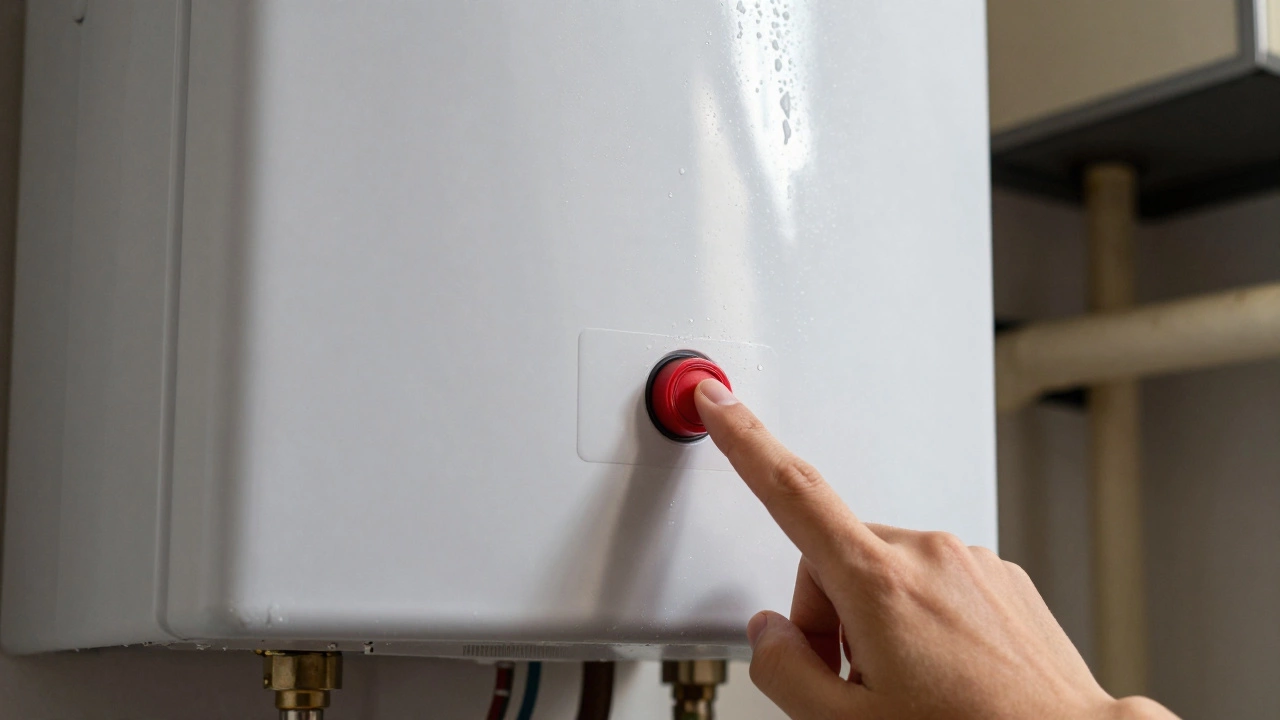
How Long to Push Reset Button on Water Heater?
Pressing the reset button on your water heater takes less than a second - no holding required. Learn why it trips, how to fix the real problem, and how to prevent it from happening again.