Extractor Fan Repair – Your Go‑To Guide
When dealing with Extractor Fan Repair, the process of diagnosing and fixing kitchen or bathroom ventilation fans. Also known as fan troubleshooting, it often requires a blend of electrical know‑how and basic mechanical skills. Good Ventilation, airflow management that keeps moisture and smells at bay depends on a properly working fan, and a qualified Appliance Technician, a tradesperson trained to service household devices can usually sort the job. In the UK, Building Regulations, rules that set minimum standards for safety and ventilation often dictate where fans must be installed, adding another layer to the repair picture. The term Extractor Fan Repair encompasses troubleshooting, part replacement, and compliance checks.
Most fans fail for three simple reasons: dust‑clogged blades, a burnt‑out motor, or a loose electrical connection. A dusty fan will roar louder and push less air, while a motor that’s overheated will either hum and stop or shut down completely. Faulty wiring shows up as intermittent power or a total loss of function. Knowing these signs lets you isolate the problem faster. For example, if the fan still spins but the speed drops, a cleaning is usually enough. If there’s no movement at all, you’ll likely need to test the motor with a multimeter – a task many DIYers can handle with basic safety gear.
Should you try it yourself or call a pro? If you’re comfortable with a screwdriver, a ladder, and a basic understanding of house circuits, many minor fixes are safe to do. Cleaning the grille, removing the fan housing, and wiping the blades can be finished in under 30 minutes. However, once you start dealing with live wires or replacing a motor, the risk jumps. An Appliance Technician not only brings the right tools but also knows the legal requirement to test the fan after repair, ensuring it meets Building Regulations for airflow rates. Making the right call saves time, money, and potential safety hazards.
Keeping Your Fan Healthy
Regular maintenance is the cheapest insurance policy. A quick visual check every few months, followed by a deeper clean once a year, prevents most breakdowns. Remove the outer grille, vacuum the dust out of the motor housing, and wipe the blades with a damp cloth. While you’re at it, check the fan’s mounting screws – loose hardware can cause vibration and wear. If the fan is hard to reach, a telescopic brush works wonders without a ladder. Some homeowners set a reminder to service their fan before the winter months, when humidity spikes and the fan works harder.
When a fan finally gives up, the repair path you choose depends on the cost of the part versus a new unit. Small motors often cost less than a whole replacement, but if the fan is older than ten years, upgrading to a more efficient model can cut electricity use by up to 30 %. Whichever route you pick, remember that a properly installed and serviced fan not only improves air quality but also protects walls, ceilings, and paint from moisture damage.
Below you’ll find a curated set of articles that walk you through everything from testing airflow and spotting early warning signs to deciding whether a DIY fix or a professional call is the smarter move. Dive in to sharpen your skills, avoid costly mistakes, and keep your home breathing easy.
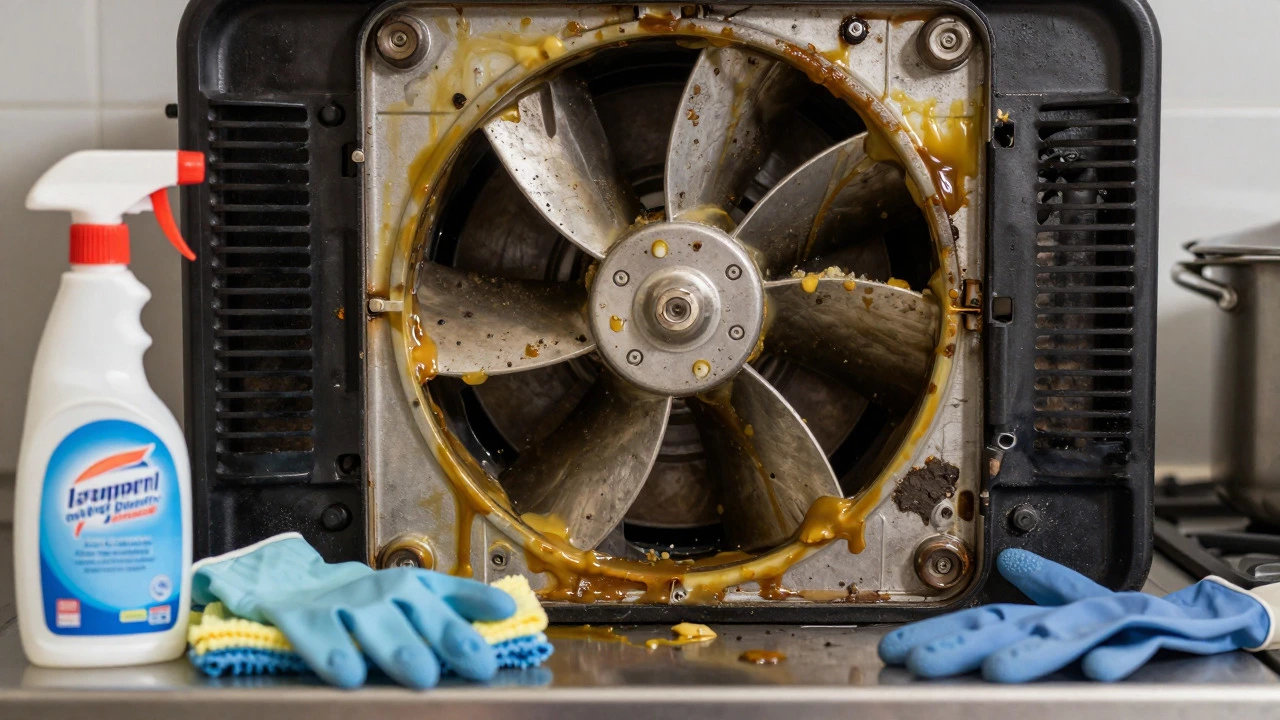
How to Clean an Extractor Fan Motor: A Step-by-Step Guide for Homeowners
Learn how to clean an extractor fan motor safely and effectively. This guide covers disassembly, degreasing techniques, and maintenance tips to restore performance and reduce noise.
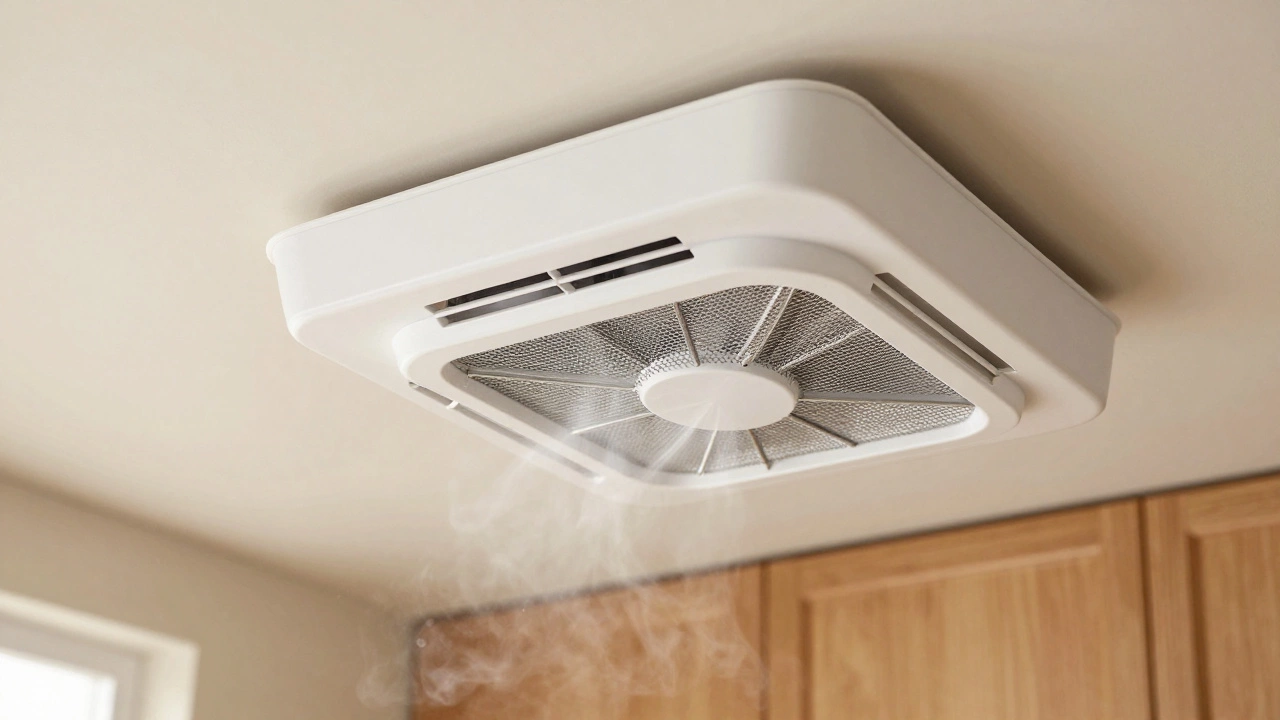
How Long Do Extractor Fans Last? Lifespan, Signs of Failure & Repair Tips
Discover how long extractor fans last, signs of failure, and whether to repair or replace. Expert tips on extending lifespan and maintaining kitchen/bathroom ventilation.
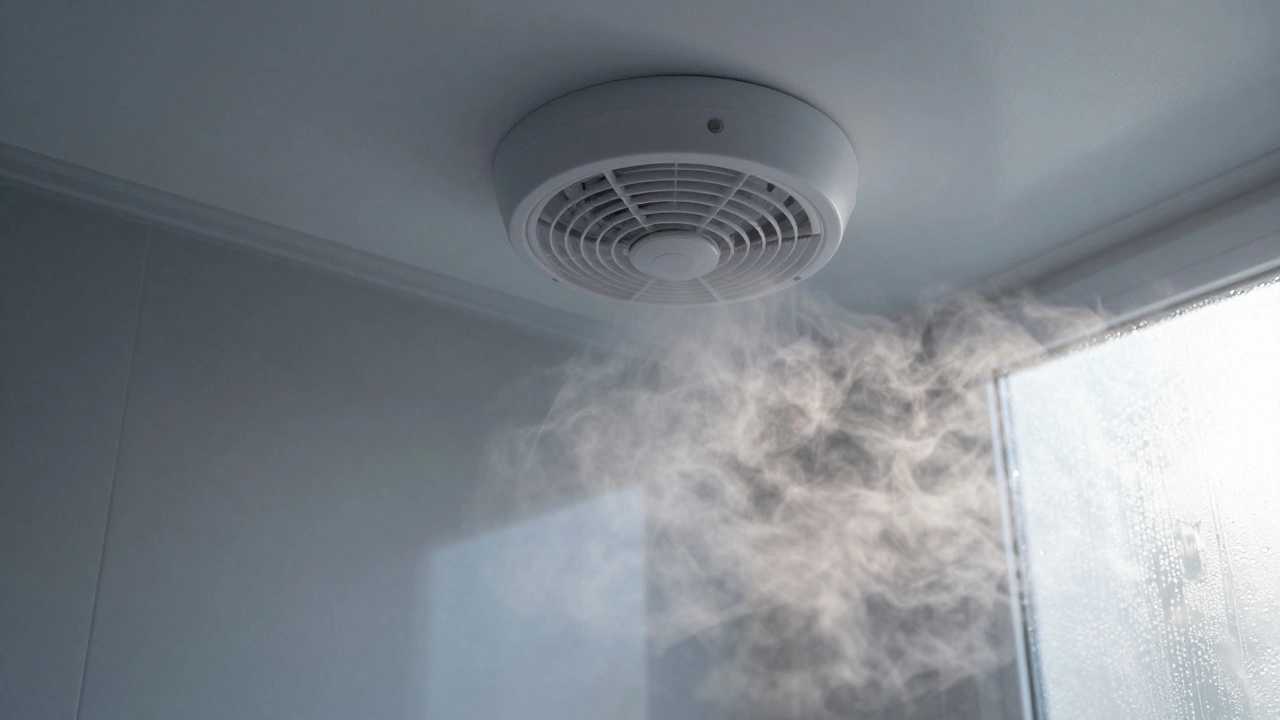
How Long Does It Take to Fix an Extractor Fan? Repair Times Explained
Find out exactly how long it takes to fix an extractor fan. From quick 30-minute fixes to complex 4-hour replacements, learn what affects repair times and how to prepare.

Do Extractor Fans Wear Out? Signs of Failure and Replacement Tips
Do extractor fans actually wear out? Discover the signs of motor failure, why bearings fail, and how to tell if you need a repair or a full replacement.
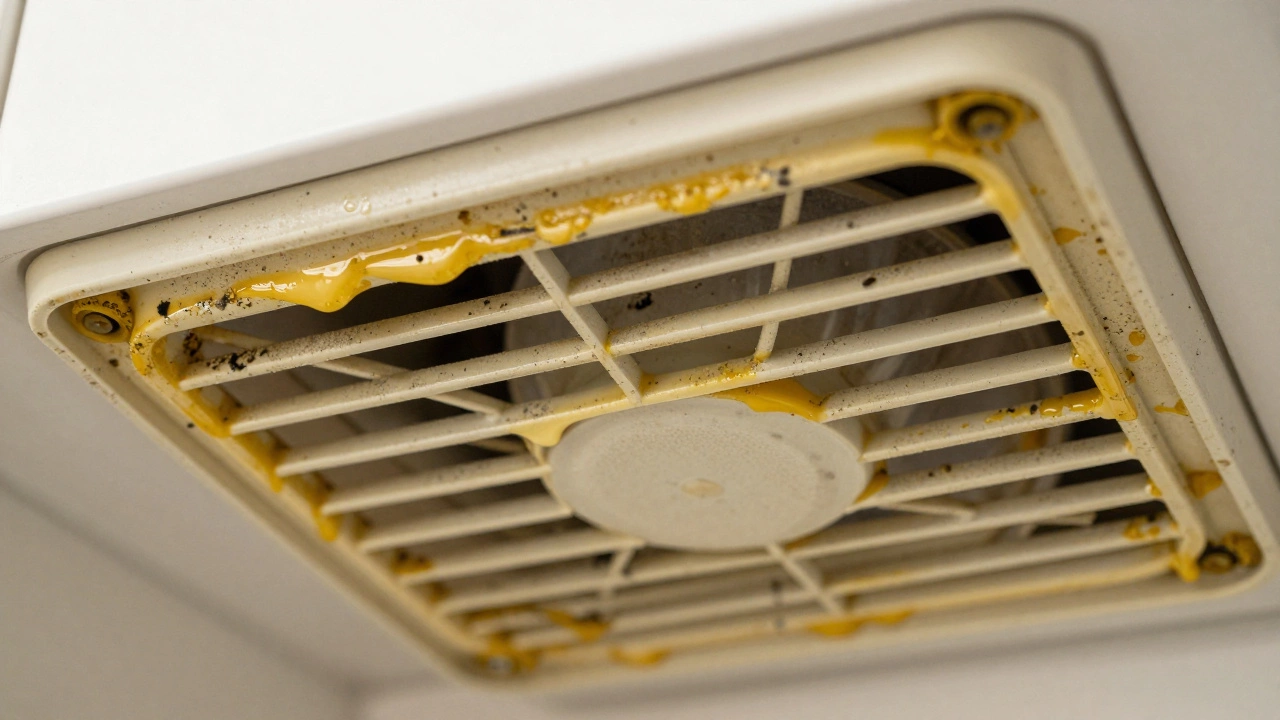
How to Service an Extractor Fan: A Step-by-Step Maintenance Guide
Learn how to service an extractor fan with our expert guide. Discover steps for cleaning filters, maintaining the motor, and troubleshooting common ventilation issues.
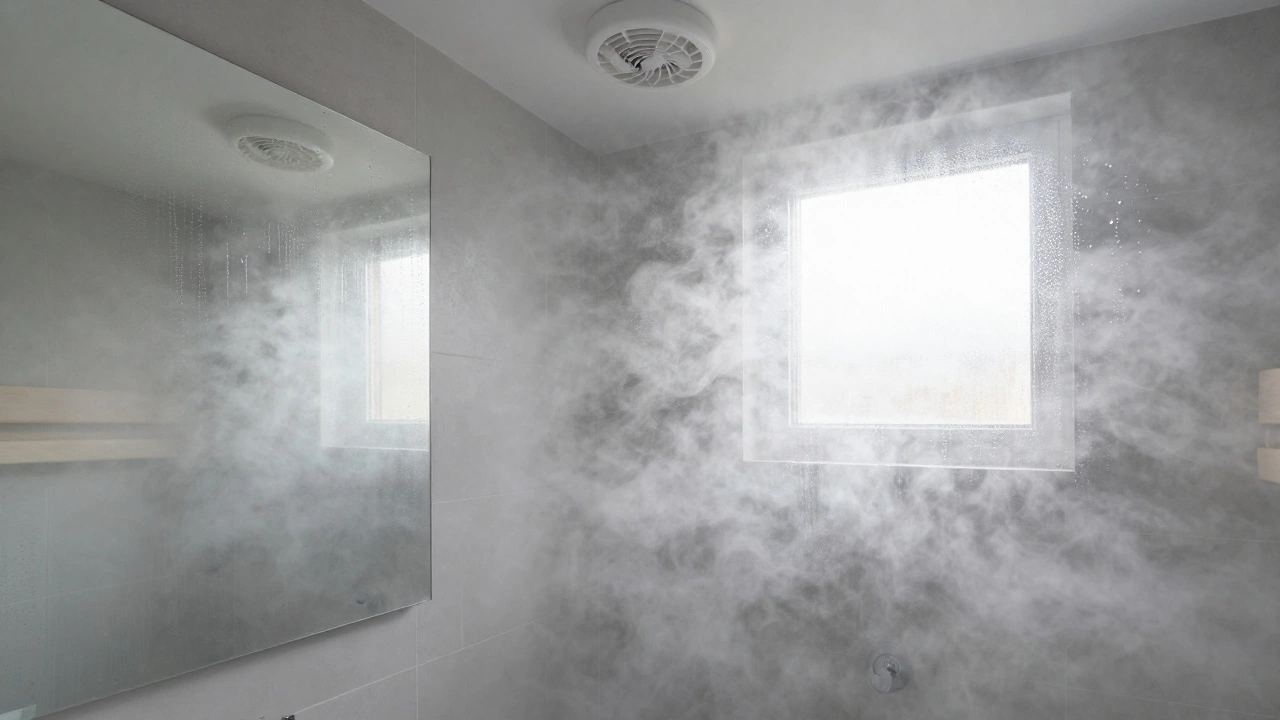
Can an Electrician Fix an Extractor Fan? Expert Advice on Repairs
Wondering if an electrician can fix your extractor fan? Learn when to call a sparky versus an appliance tech to solve power issues, noisy motors, and poor ventilation.
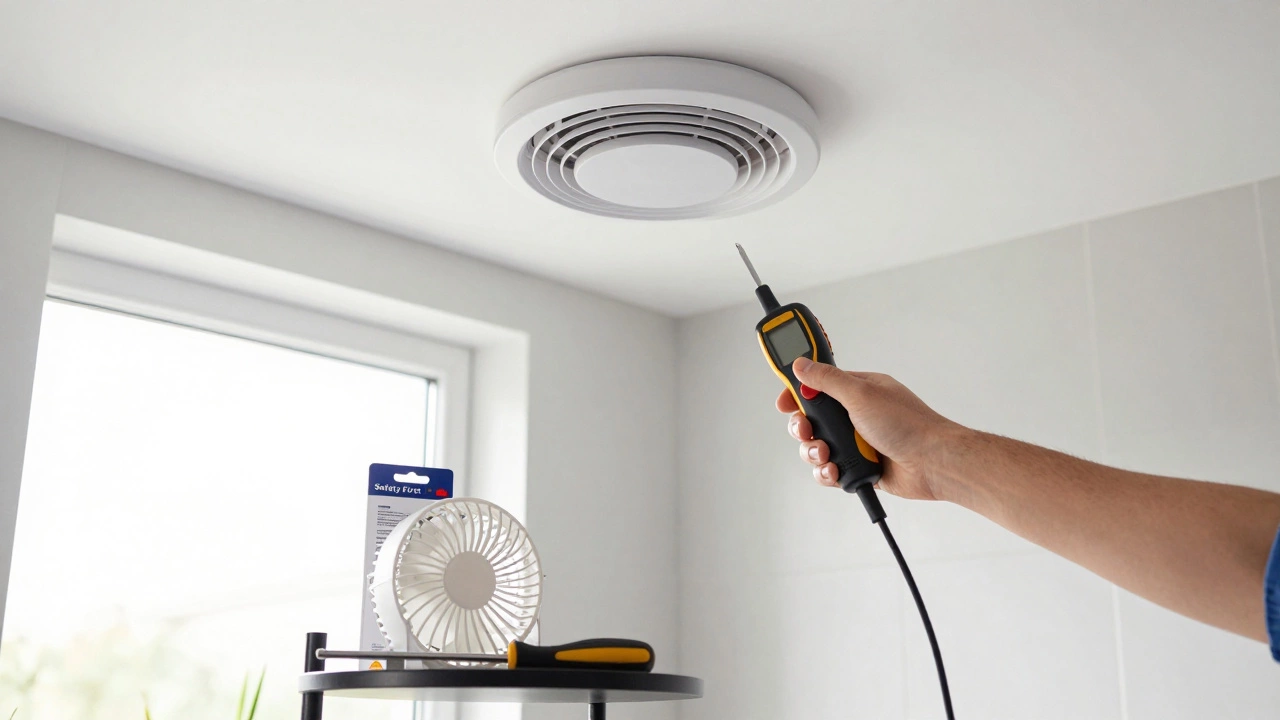
How to Replace an Extractor Fan Yourself: A Step-by-Step Guide
Learn how to replace an extractor fan yourself with this detailed DIY guide. Covers safety, tool requirements, and step-by-step installation for bathrooms and kitchens.
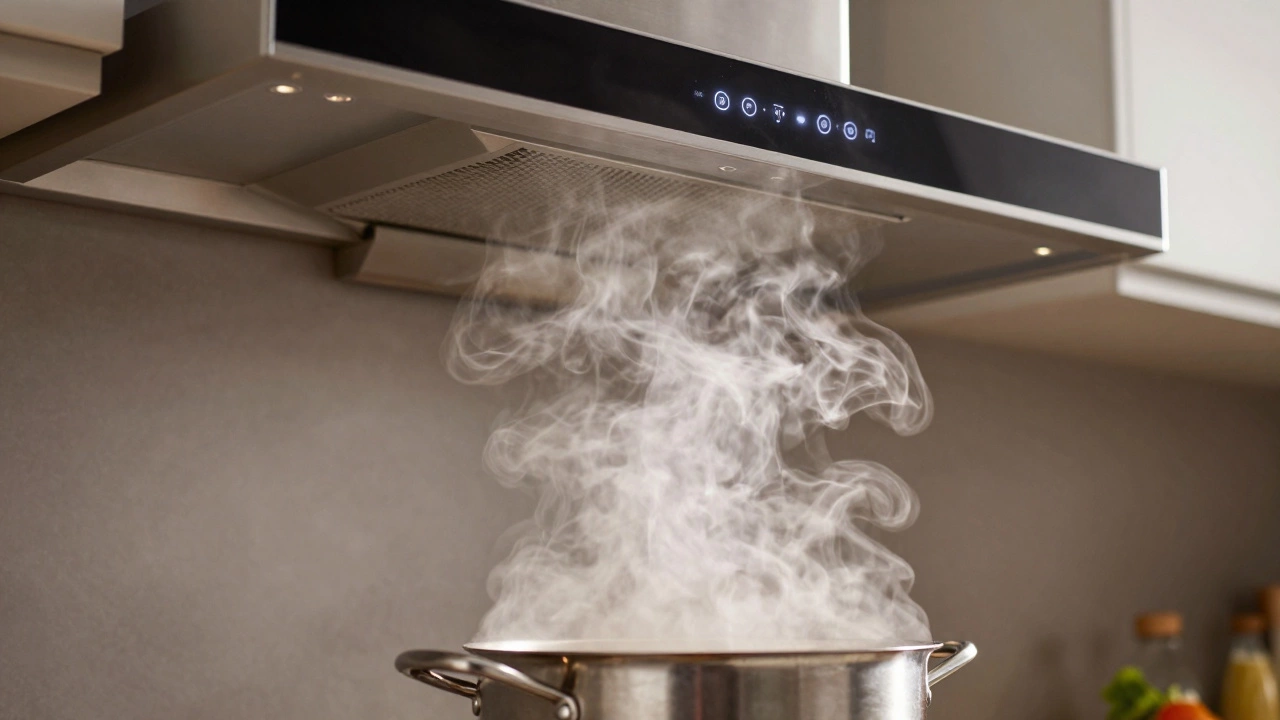
Do Extractor Fans Need Servicing? Maintenance Tips and Warning Signs
Find out why extractor fans need regular servicing, the warning signs of motor failure, and how to prevent grease-related fire hazards in your kitchen.
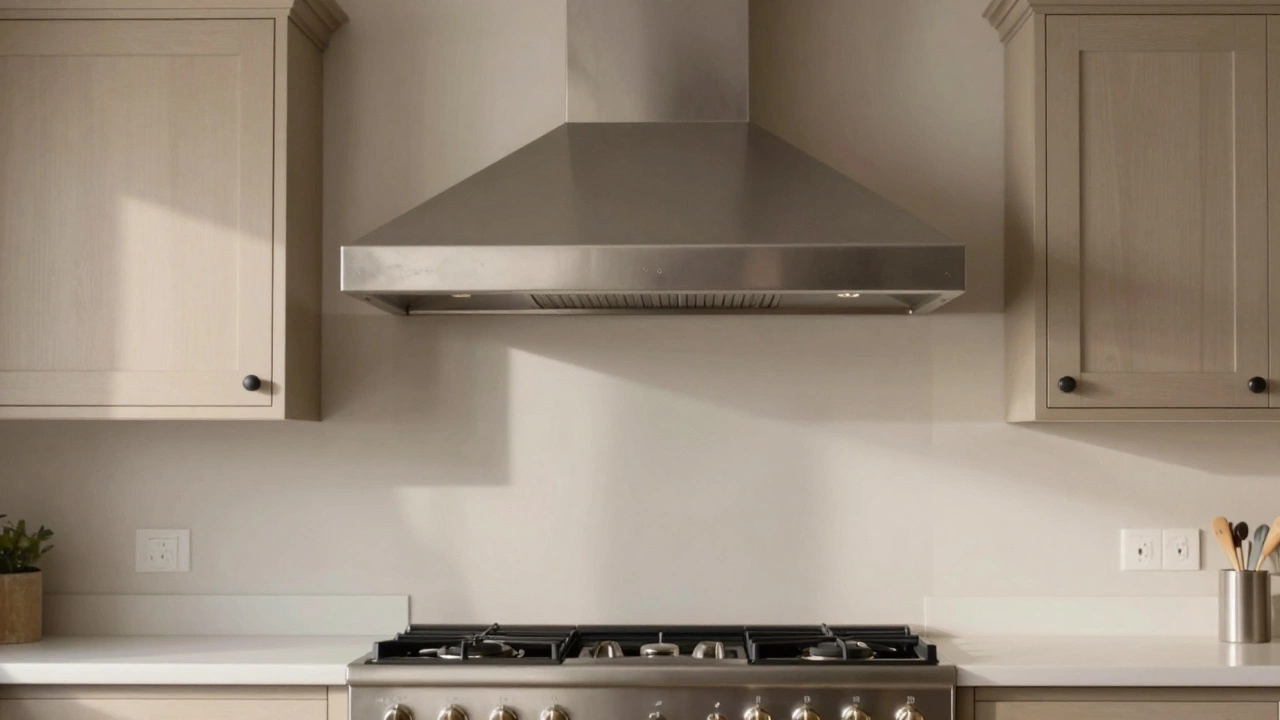
How Long Do Kitchen Extractor Fans Last? Lifespan Guide & Maintenance
Kitchen extractor fans typically last 7 to 10 years depending on usage and maintenance. Learn about signs of failure, common causes of breakdown, and how regular cleaning extends the life of your ventilation system.
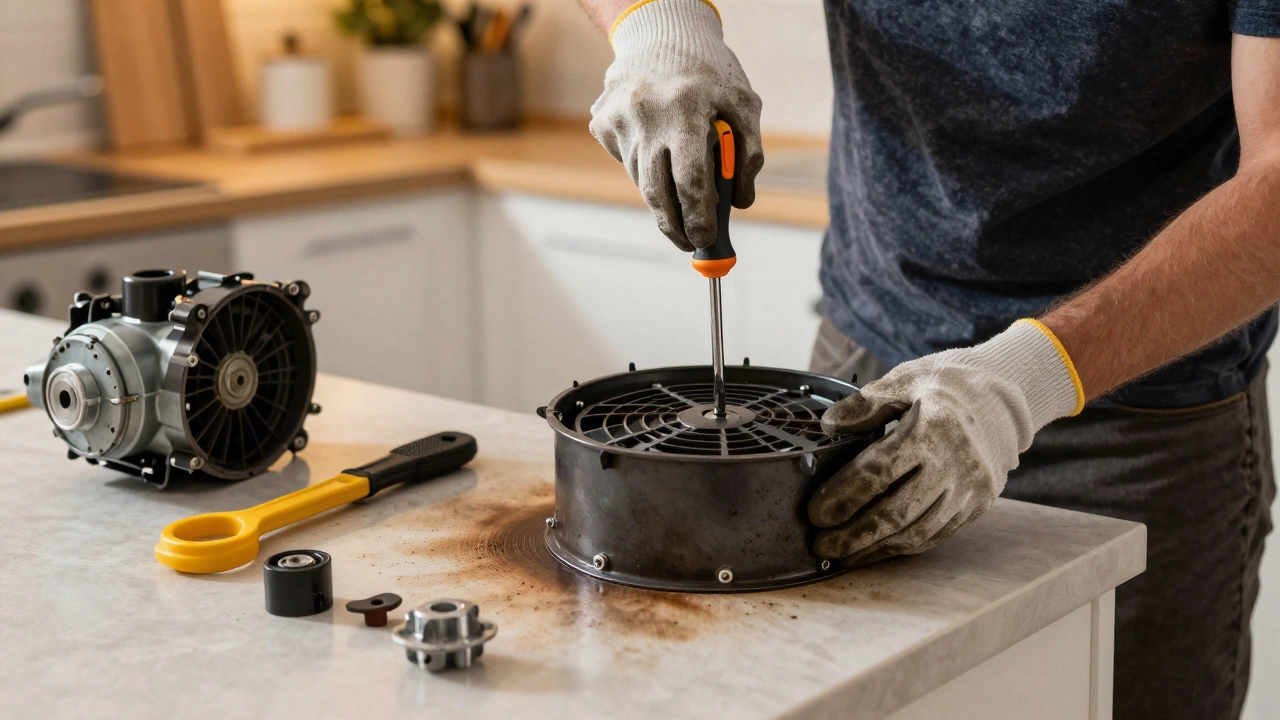
How to Replace Kitchen Extractor Fan Motor: A Step-by-Step Guide
Learn how to replace a kitchen extractor fan motor yourself. Save money, avoid costly repairs, and restore airflow with this step-by-step guide. Includes tools, common mistakes, and where to find the right motor in New Zealand.
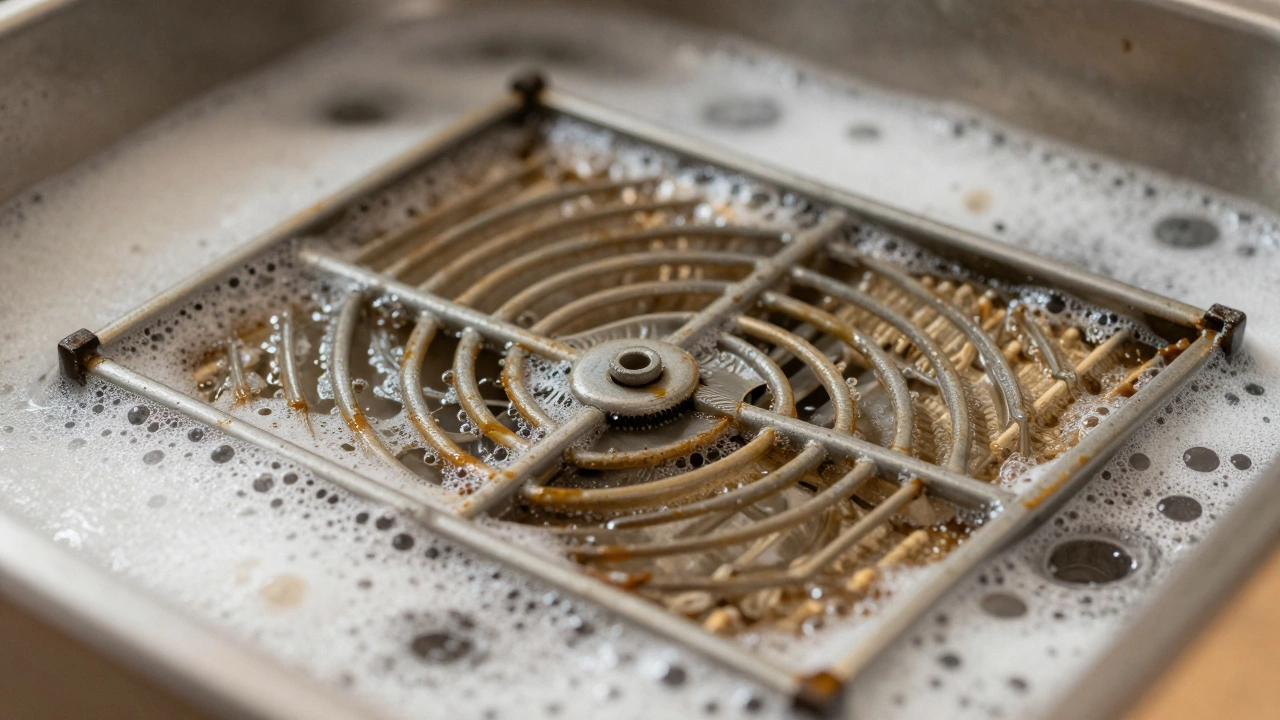
Kitchen Extractor Fan Not Working? 5 Common Causes & Fixes
Discover why your kitchen extractor fan stops working and how to fix common issues like clogged filters, motor failures, and electrical faults. Learn simple DIY checks and when to call a professional to keep your kitchen safe and ventilated.

What Is the Difference Between a Ventilation Fan and an Extractor Fan?
Extractor fans remove moist, smelly air from kitchens and bathrooms to prevent mold and odors. Ventilation fans just circulate air inside. Knowing the difference helps you choose the right one for your home.