Water Heater Repair Guide for Homeowners
When dealing with Water Heater Repair, the process of fixing a home’s hot‑water producing unit so it runs safely and efficiently. Also called hot water heater fix, this service bridges plumbing, heating and electrical work. Understanding the basics helps you decide when a quick fix will do and when you need a professional.
Key Players and Related Systems
A water heater, the appliance that stores and heats water for taps, showers and appliances is part of a larger hot water system, the network of pipes, valves and controls delivering heated water throughout a house. When something goes wrong, a qualified plumber, a tradesperson licensed to work on water supplies and drainage or a certified heating technician, someone trained in gas, oil or electric heating systems is usually called in. Knowing which expert handles which part saves time and money.
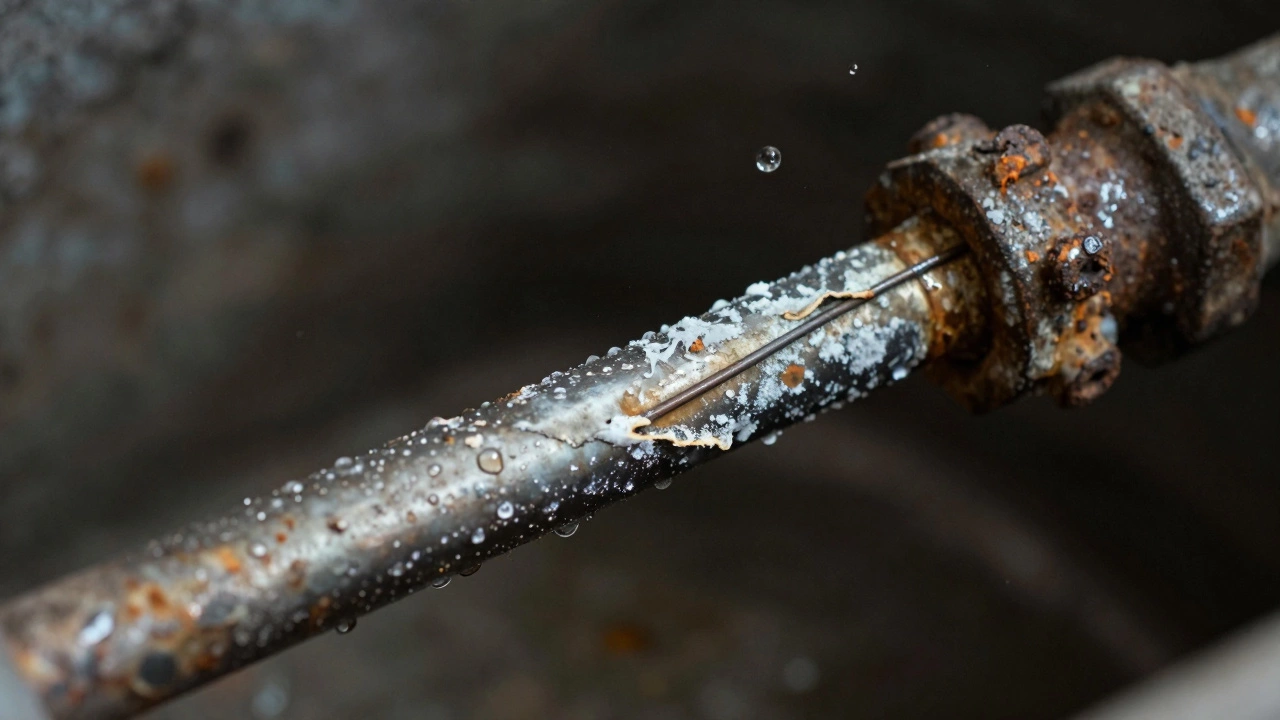
Common faults that trigger a service call include water heater repair for a unit that won’t heat, fluctuating temperatures, strange noises, or water leaks around the tank. A broken thermostat can cause the water to stay lukewarm, while a corroded anode rod leads to premature tank failure. Understanding these symptoms lets you talk the same language as the tradesperson and spot unnecessary upsells.
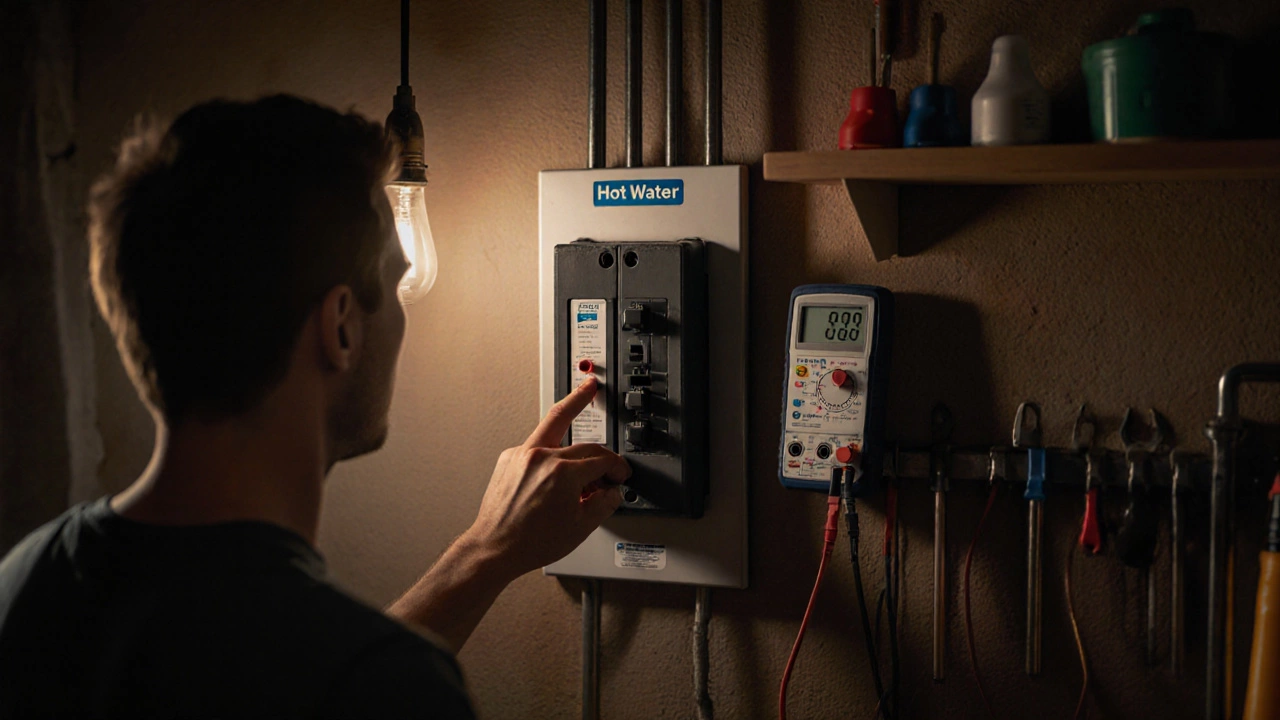
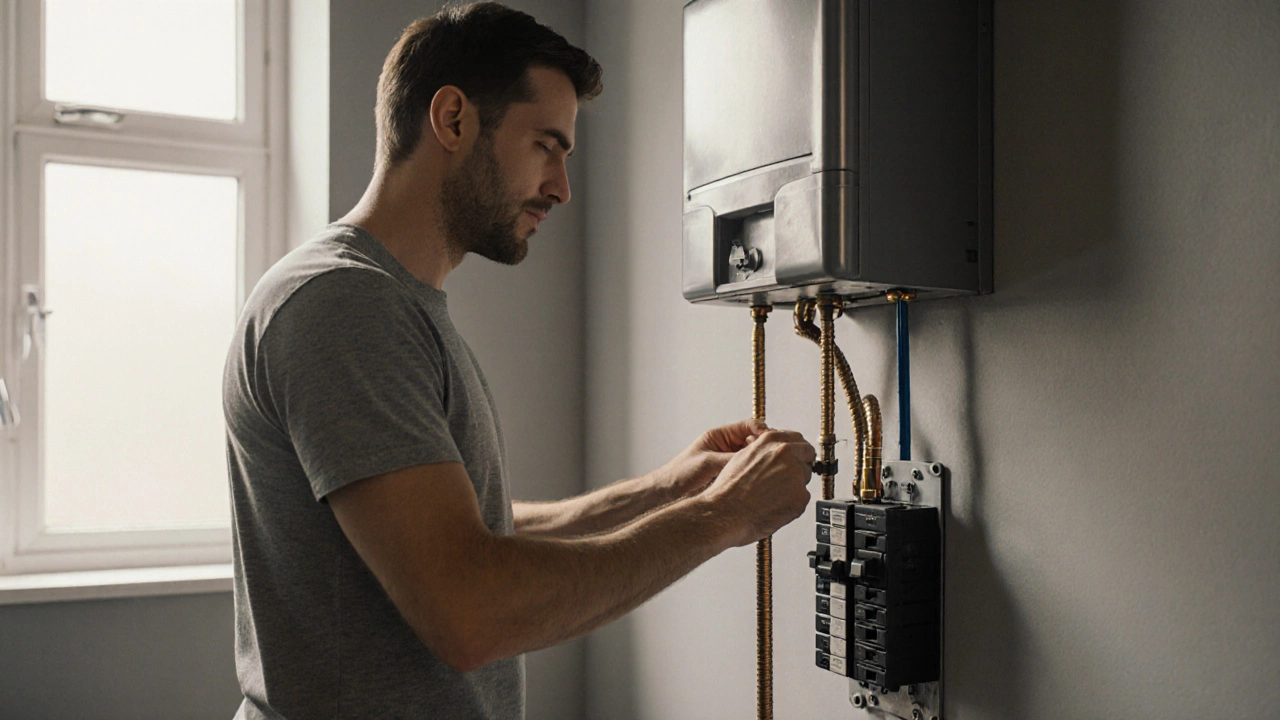
Diagnosing the issue starts with a few simple checks. First, verify that the power supply (circuit breaker or fuse) is intact for electric heaters, or that the gas valve is open for gas models. Next, feel the inlet and outlet pipes – hot water at the top and cold at the bottom usually means the heating element is still working. A quick reset of the thermostat or pressure‑relief valve can sometimes clear a lock‑out. If the heater still won’t fire, it’s time to test the ignition system or call a professional.
Safety is non‑negotiable. Gas‑powered heaters require a working ventilation path; a blocked flue can cause carbon monoxide buildup. Electric units should be inspected for frayed cords or wet connections before you touch anything. If you ever smell gas, hear a hissing sound, or notice water pooling near the unit, shut off the supply and call a qualified plumber or heating technician immediately. Don’t gamble with DIY fixes on high‑pressure gas components – the risk far outweighs any saved labour cost.
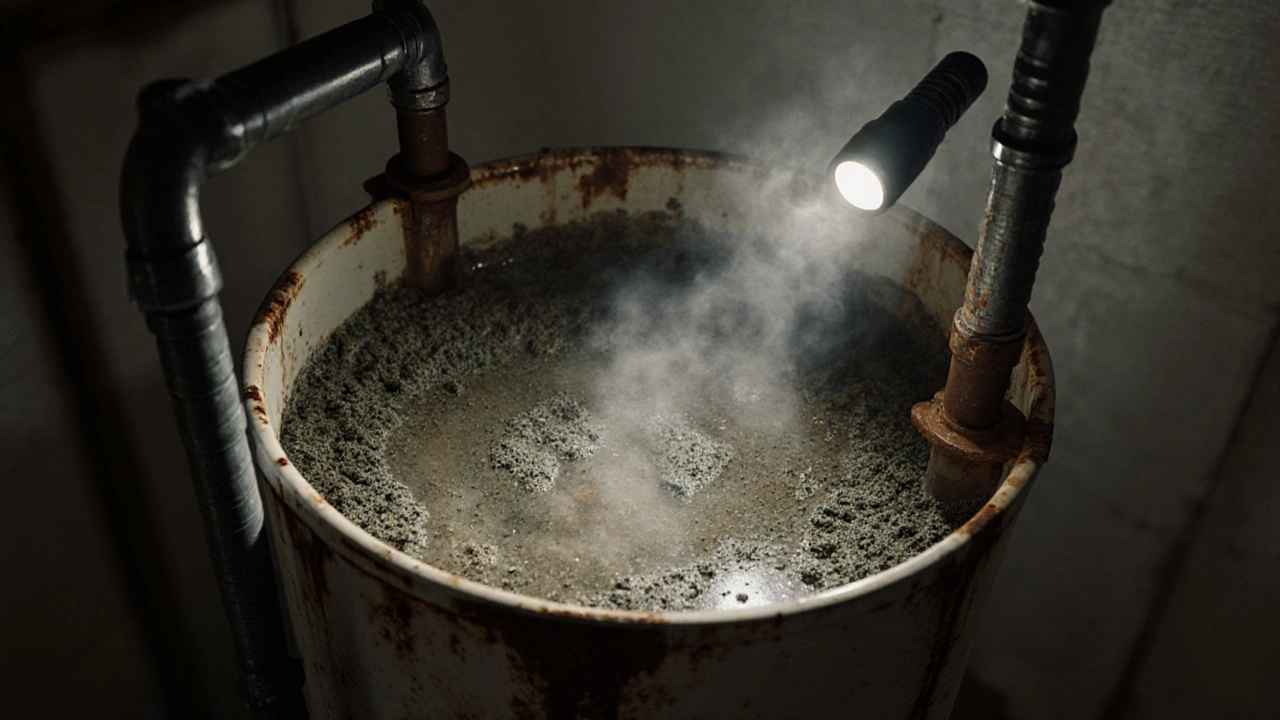
Regular maintenance keeps the repair bill low. Flush the tank once a year to remove sediment that reduces heating efficiency. Check the anode rod every two years and replace it if it’s heavily corroded. Test the pressure‑relief valve annually by lifting its lever; it should release water and reseat without leaks. Keep the surrounding area clean and ensure the unit has at least a few inches of clearance for proper airflow. A well‑maintained system not only saves energy but also extends the life of the heater by several years.
Armed with this overview, you’ll know what to look for, when to intervene, and when to hand the job over to a pro. Below you’ll find articles that dive deeper into specific problems, step‑by‑step DIY checks, cost guides, and advice on choosing the right expert. Use the collection to troubleshoot confidently or to plan a preventative maintenance routine that keeps hot water flowing without surprise breakdowns.
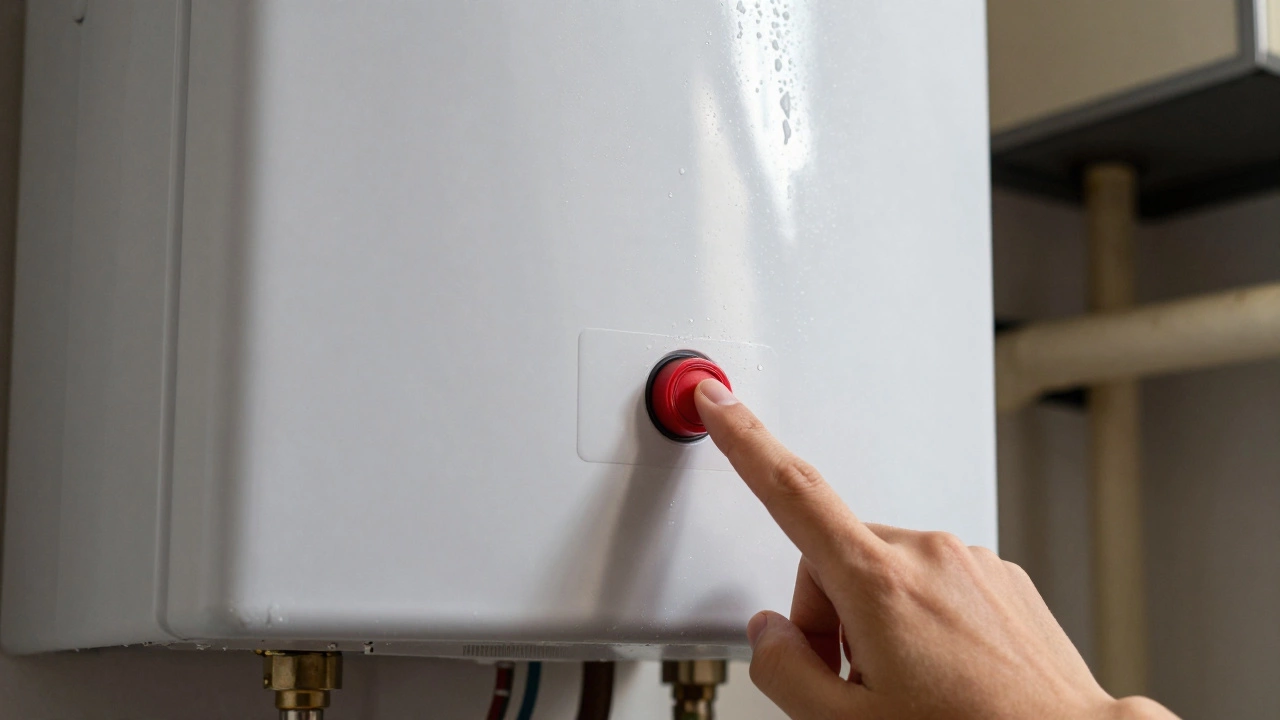
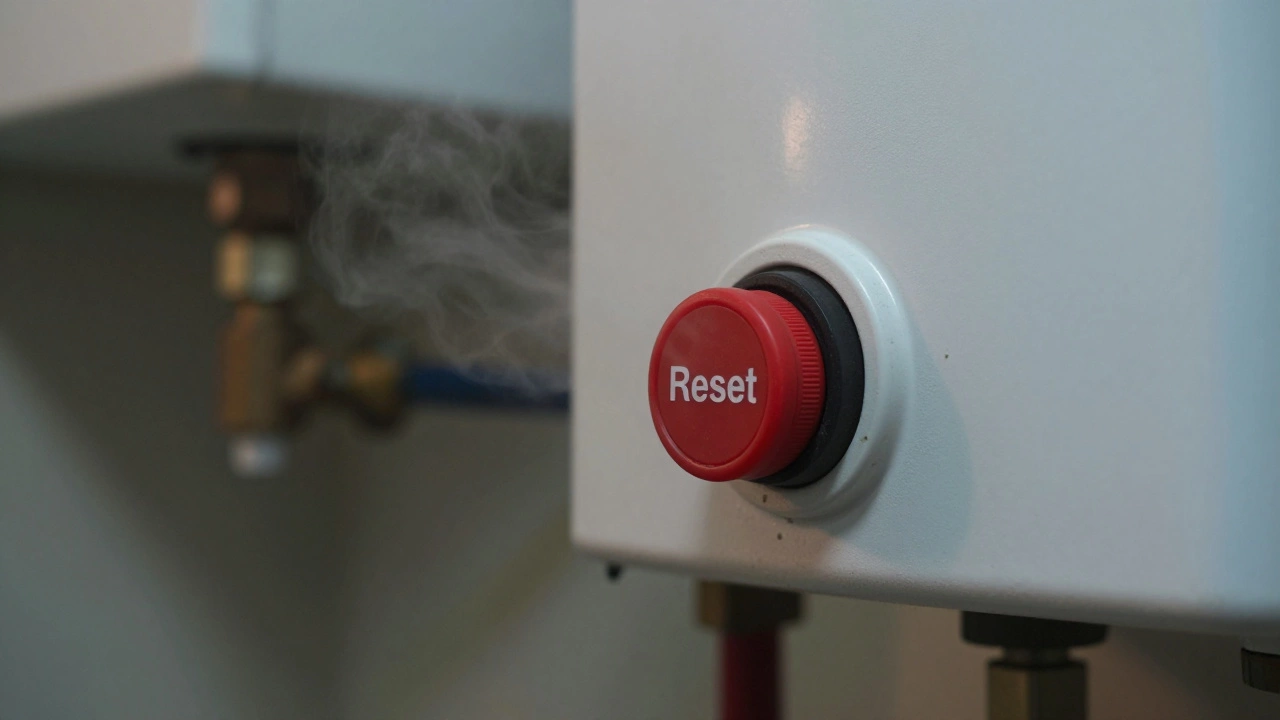
Pressing the reset button on your water heater takes less than a second - no holding required. Learn why it trips, how to fix the real problem, and how to prevent it from happening again.
A 20-year-old water heater is past its prime. While repairs seem cheaper, they often lead to bigger costs. In New Zealand, replacing it with a modern, energy-efficient model saves money, prevents damage, and gives you reliable hot water for years to come.
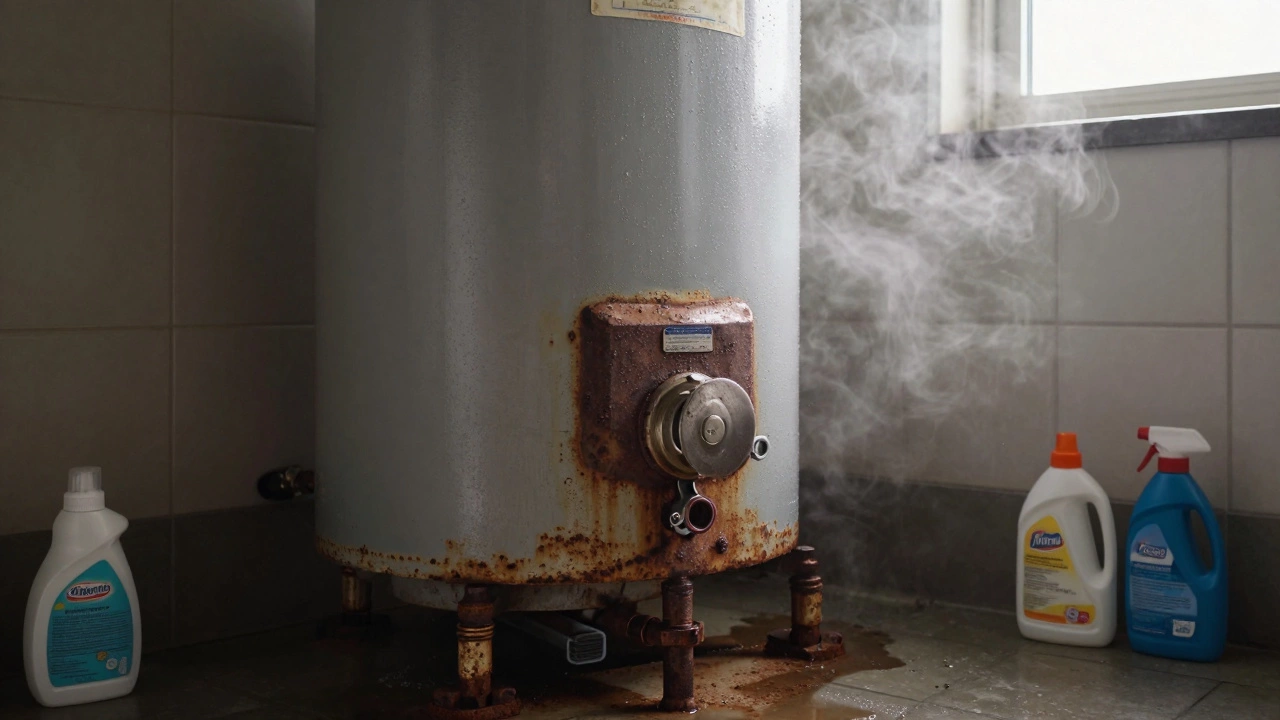
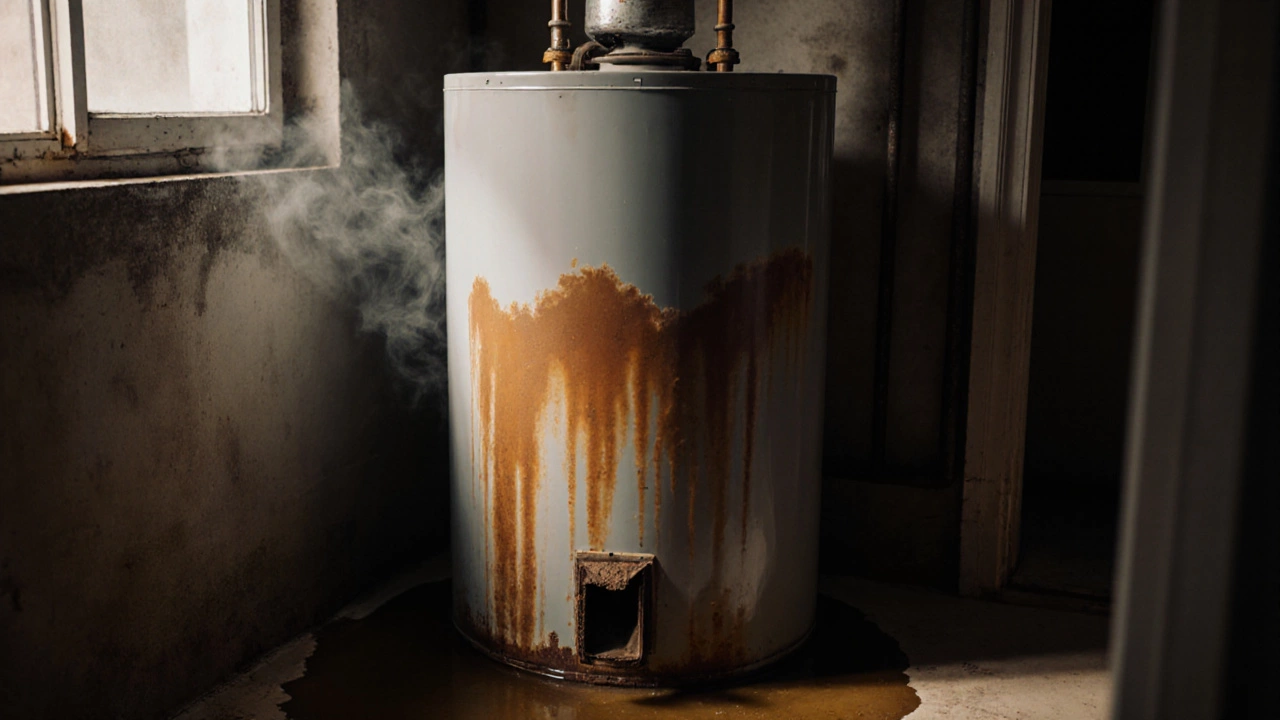
Learn the key signs your hot water heater is failing-like strange noises, rusty water, or rising bills-and when it’s smarter to replace it than to repair. Save money and avoid floods.
Your water heater is giving cold water? It’s usually a simple fix-check the breaker, test the heating elements, flush sediment, or replace a faulty thermostat. Learn how to diagnose and fix it yourself before calling a plumber.
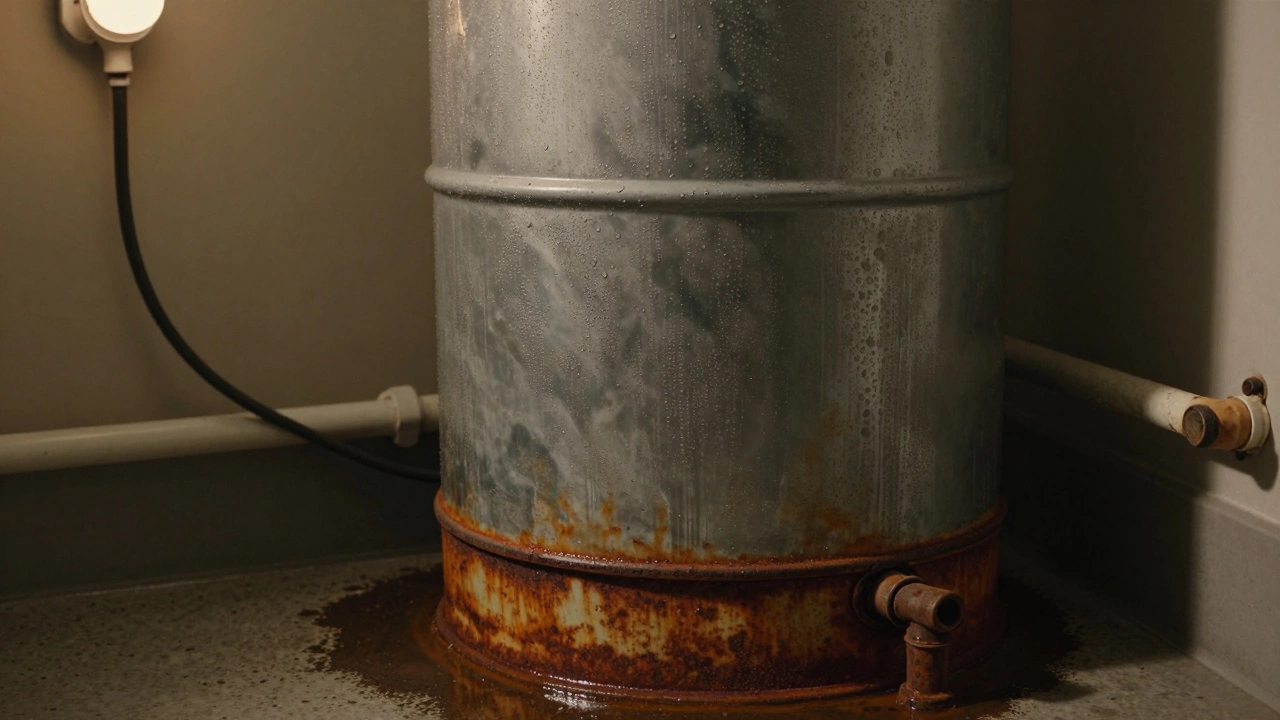
Learn how to spot a failing water heater anode rod - smelly water, rust, noise - and how to replace it yourself before your tank leaks. Save hundreds on repairs.
Pressing the reset button on your water heater once is usually safe, but doing it repeatedly can be dangerous. Learn why it trips, what to do instead, and when to call a professional.
Your hot water heater won’t turn on? It could be a tripped breaker, dead element, or faulty thermostat. Learn how to diagnose and fix common issues yourself before calling a pro.
Watch for signs like no hot water, strange noises, leaks, rust, or high bills-these mean your water heater is failing. Don’t wait for a burst. Replace it before it floods your home.
Water heaters fail early due to sediment buildup, corroded anode rods, high pressure, and poor maintenance. Learn the real reasons and how to fix them before your tank leaks.
Learn if you must turn off the breaker before resetting a water heater, see safe reset steps, troubleshoot common issues, and get maintenance tips.
Discover why hot water can disappear suddenly and learn step‑by‑step checks, common causes, DIY fixes, and when to call a pro for water heater problems.
Wondering why your water has gone cold? Discover the main causes of no hot water, find out what to check first, and learn useful repair tips.