Category: Water Heater Repair - Page 4
How to Spot a Faulty Hot Water Heater Element
Figuring out if a hot water heater element is malfunctioning can save you time and money. This guide walks you through the signs of a bad heating element, how to test it, and what to do if you find an issue. Knowing the difference between a simple fix and when to call a professional can keep your water hot without surprise cold showers.

Should You Flush a 10-Year-Old Water Heater?
Wondering if you should flush your 10-year-old water heater? It's more critical than you might think. Discover the benefits of flushing, signs you can't ignore, and simple steps to keep your heater in top shape. Ignoring maintenance could lead to costly repairs or replacements. Learn how to extend your heater's life today with practical tips and advice.

Can I Flush My Water Heater Myself?
Flushing your water heater by yourself might seem like a daunting task, but it's a practical DIY home maintenance job. It's crucial for removing sediment buildup, which can increase energy costs and reduce efficiency. This guide provides practical steps, essential safety tips, and insights into why keeping your water heater in top condition can save you money. Discover how to carry out this task efficiently and safely right from your home.
What Trips the Reset Button on a Hot Water Heater?
Ever wonder why the reset button on a hot water heater trips? Often, it's a signal that something's up with your appliance. Understanding the cause can help address the problem efficiently, saving both time and money. From faulty thermostats to sediment buildup, several factors might be at play. Let's explore the common culprits and how you can prevent overheating issues in the future.
How Long Should a Water Heater Last?
Water heaters play a crucial role in daily life, but how long do they last? Depending on the type, a well-maintained water heater can last anywhere from 8 to 12 years or even longer. Get tips for regular maintenance and recognize signs that it's time for a replacement. Understanding the lifespan of different water heaters can help you plan for future upgrades while maintaining your hot water supply.

First Steps When Your Hot Water Disappears
Waking up to a cold shower because there's no hot water is never fun. Before reaching out to a technician, there are a few things you can check yourself. Often, the solution is straightforward and might save you time and money. From checking the power supply to inspecting the thermostat settings, here's a straightforward guide to help you troubleshoot your water heater issues.
Why Your Shower Isn't Getting Hot Water While Your Sink Does
Ever stepped into your shower only to be hit with cold water, yet the sink offers a steamy flow? This perplexing issue can be due to several factors like plumbing setup, water heater problems, or even a blocked pipe. We'll break down the most common causes and offer practical tips to fix it. Rest assured, we've got actionable advice to steer you through this chilly hurdle.
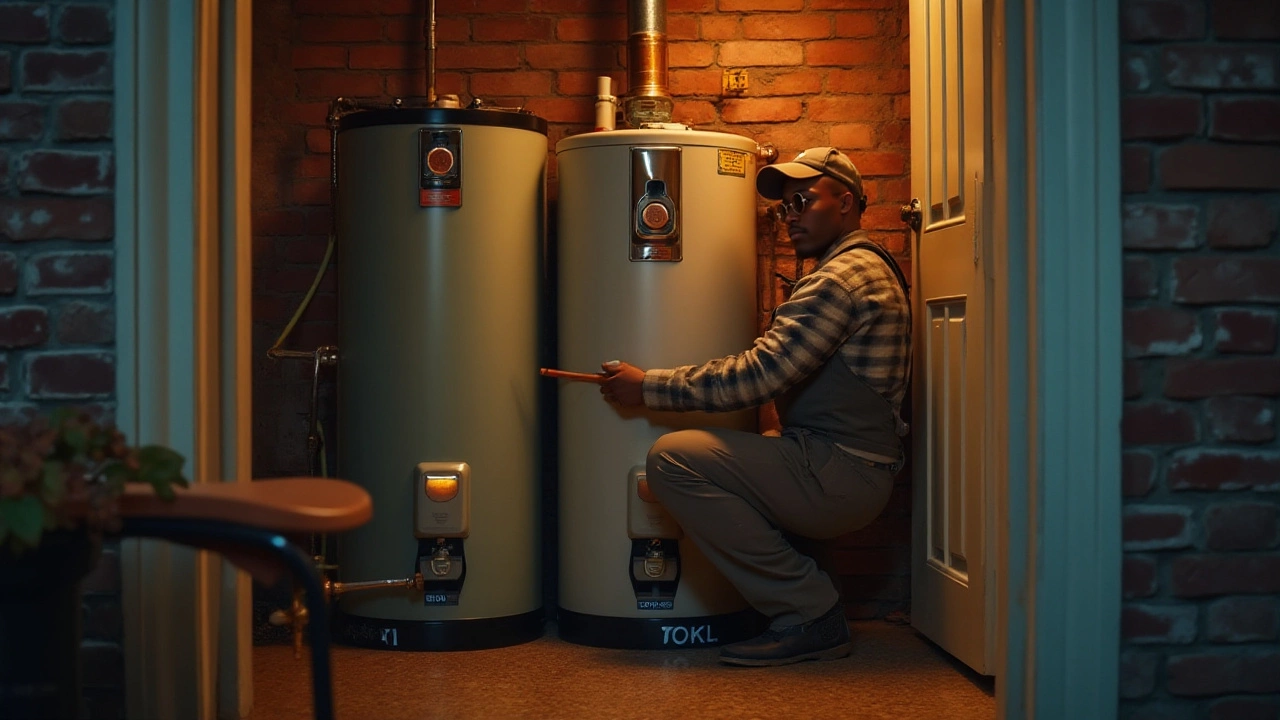
How Often Should You Flush Your Water Heater?
Understanding the importance of regular water heater maintenance can extend the life of your appliance and improve its efficiency. Flushing your water heater is a simple yet vital task that prevents sediment build-up, saving you from potential costly repairs. Knowing how often to flush depends on several factors, including the type of water heater and your water quality. This article provides practical insights and tips for keeping your water heater running smoothly.

When to Replace Your Water Heater Anode Rod for Optimal Performance
Regularly replacing the anode rod in your water heater is crucial for maintaining its efficiency and longevity. An anode rod, often viewed as the unsung hero of a water heater, plays a pivotal role in preventing corrosion. By understanding the signs of wear and the ideal timing for replacement, homeowners can ensure optimal performance of their water heating system. This guidance is invaluable for those seeking to avoid unexpected breakdowns and extend the life of their unit.
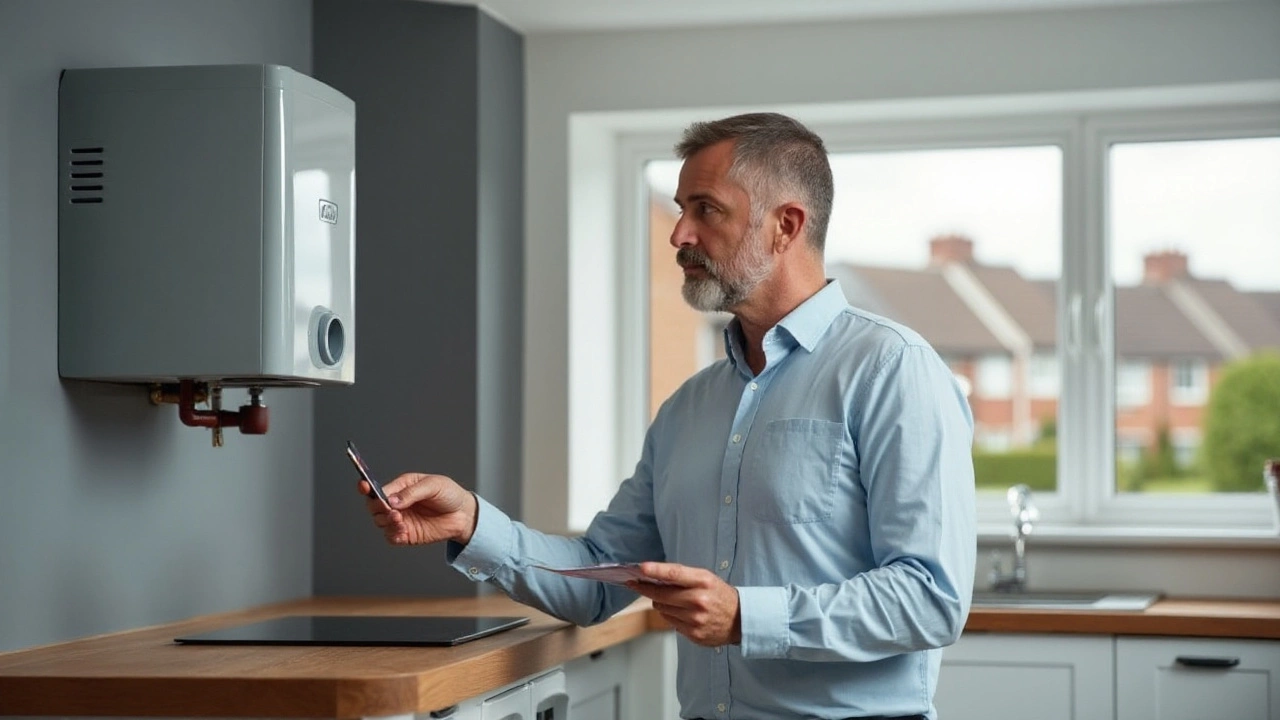
Flush vs. Drain: Water Heater Maintenance Insights
Maintaining a water heater efficiently can extend its life and improve performance. A common dilemma for homeowners is whether to flush or drain their unit. This article dives into the differences between flushing and draining your water heater, highlighting best practices, tips, and things to avoid. By understanding these maintenance options, you can optimize your water heater's operation, saving both water and energy in the process.

DIY Water Heater Repair: What You Need to Know
Deciding whether to repair your water heater at home can be a daunting choice. This article explores the pros and cons of DIY water heater projects and provides insights into when it might be better to call a professional. Readers will learn the common issues water heaters face and tips on troubleshooting simple problems. Find out if you're equipped to handle the task or if professional help is the better option.
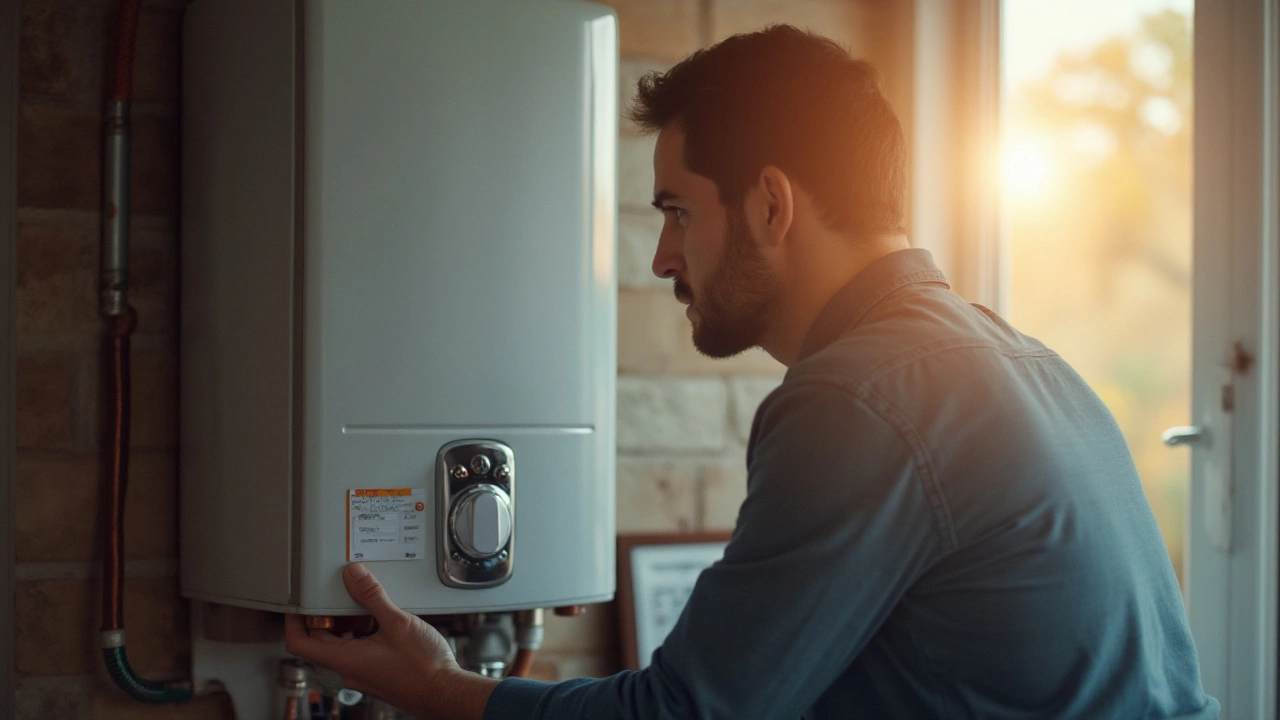
Consequences of Constantly Resetting Your Water Heater
Constantly resetting your water heater might seem like a quick fix, but it can lead to serious long-term issues. This article explores the reasons why frequent resets occur, potential risks involved, and tips to prevent these problems. Understanding the mechanics and signs of underlying problems can save you money and extend the life of your heater. Discover when to reach out for professional help and how regular maintenance can keep your heater in top shape. Equip yourself with this essential knowledge for managing your home's water heating system.