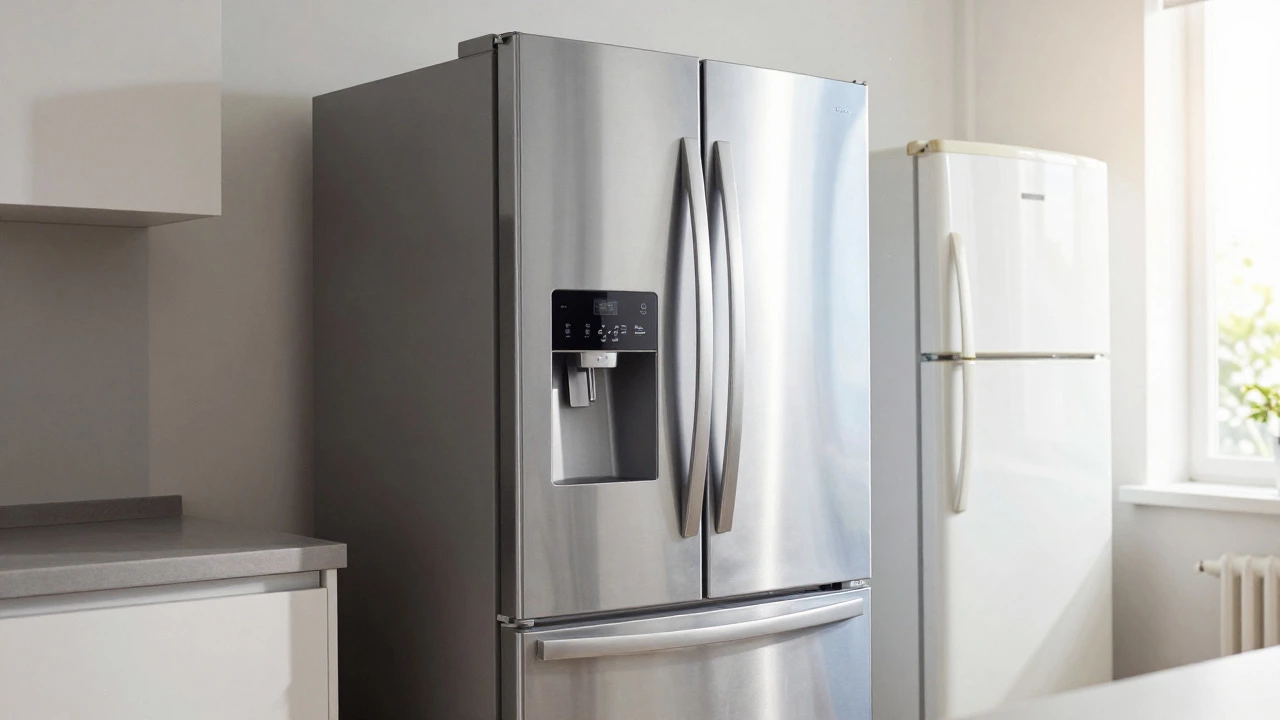
Refrigerator Repair vs. Replace Calculator
Enter Your Details
Analyzing...
Key Factors
Ready to Decide?
Enter your fridge details to see if repairing or replacing makes more financial sense.
Your fridge has been running in the background for years, keeping your milk cold and your leftovers safe. But at some point, you start noticing things. Maybe it’s humming louder than usual. Maybe the ice maker isn’t dropping cubes like it used to. Or perhaps you’re just wondering if that old unit from 2015 is still worth saving.
The short answer? Most refrigerators last between 10 and 20 years. But that number shifts depending on the type of fridge you own, how hard you use it, and whether you’ve kept up with basic maintenance. Knowing exactly where your appliance stands can save you hundreds of dollars in unnecessary repairs-or help you avoid food spoilage from a sudden breakdown.
Average Lifespan by Refrigerator Type
Not all fridges are built to last the same amount of time. The design, complexity, and cooling method play a huge role in how long they survive. Here is what the data shows for common models found in New Zealand homes:
| Fridge Type | Average Lifespan | Key Factors Affecting Life |
|---|---|---|
| Top-Freezer | 12-16 years | Simpler mechanics, fewer moving parts, reliable compressor. |
| Bottom-Freezer | 14-17 years | More durable shelves, slightly more complex door hinges. |
| Side-by-Side | 9-12 years | Dual compressors or complex air flow systems increase failure points. |
| French Door | 10-13 years | Ice makers and water dispensers add mechanical stress and leak risks. |
| Mini-Fridges | 8-10 years | Smaller compressors run hotter and work harder relative to size. |
If you have a standard top-freezer model-the kind with the freezer compartment on top-you’re likely looking at a longer life. These units are mechanically simple. They don’t have fancy ice makers or dual cooling zones. That simplicity means there are fewer things that can break. On the flip side, French door models and side-by-sides look great in a modern kitchen, but they pack in more technology. More tech means more potential failure points, which often shortens their overall lifespan.
Signs Your Fridge Is Reaching the End of Its Life
You don’t need to be an engineer to tell when your refrigerator is struggling. There are clear warning signs that indicate the machine is tired. Ignoring these signals usually leads to a catastrophic failure, which means spoiled food and emergency repair costs.
- Inconsistent temperatures: If your milk spoils faster than usual or the freezer isn’t freezing solid, the thermostat or compressor might be failing.
- Excessive noise: A slight hum is normal. Loud grinding, buzzing, or clicking sounds suggest worn-out motor bearings or a failing fan.
- Condensation inside or out: Water pooling on the floor or frost building up rapidly inside points to a broken seal or a clogged defrost drain.
- Higher electricity bills: An aging fridge works harder to maintain temperature. If your energy usage spikes without other changes, the insulation or compressor may be degrading.
- Frequent repairs: If you’ve called a technician twice in the last year, the cost of parts and labor is likely outweighing the value of the appliance.
Pay close attention to the seals. The rubber gaskets around the doors wear down over time. If you can slip a piece of paper between the closed door and the frame easily, air is leaking in. This forces the compressor to run constantly, wearing it out prematurely. Replacing seals is cheap and easy, but if the rest of the fridge is old, it might just be one more sign that replacement is due.
Repair vs. Replace: Making the Right Choice
This is the big question. You hear a weird noise. The repair quote comes back at $300. Do you pay it? The general rule of thumb in the appliance industry is the "50% Rule." If the cost of the repair is more than 50% of the price of a new, comparable refrigerator, you should replace it.
Let’s say a new mid-range fridge costs $1,200. Half of that is $600. If a compressor replacement costs $800, buy a new fridge. If a door hinge repair costs $150, fix it. However, age matters too. If your fridge is 15 years old, even a $200 repair might not be worth it because another part will likely fail soon after.
Also consider energy efficiency. Fridges made before 2010 use significantly more electricity than modern models. In New Zealand, where energy costs are high, upgrading to a new Energy Rating 5-star or 6-star model can save you money every month. Over five years, those savings might cover the cost of the new appliance.
How to Extend Your Refrigerator’s Lifespan
You can’t stop time, but you can slow down wear and tear. Simple maintenance habits can add several years to your fridge’s life. Most people skip these steps until something breaks, but they take less than an hour every few months.
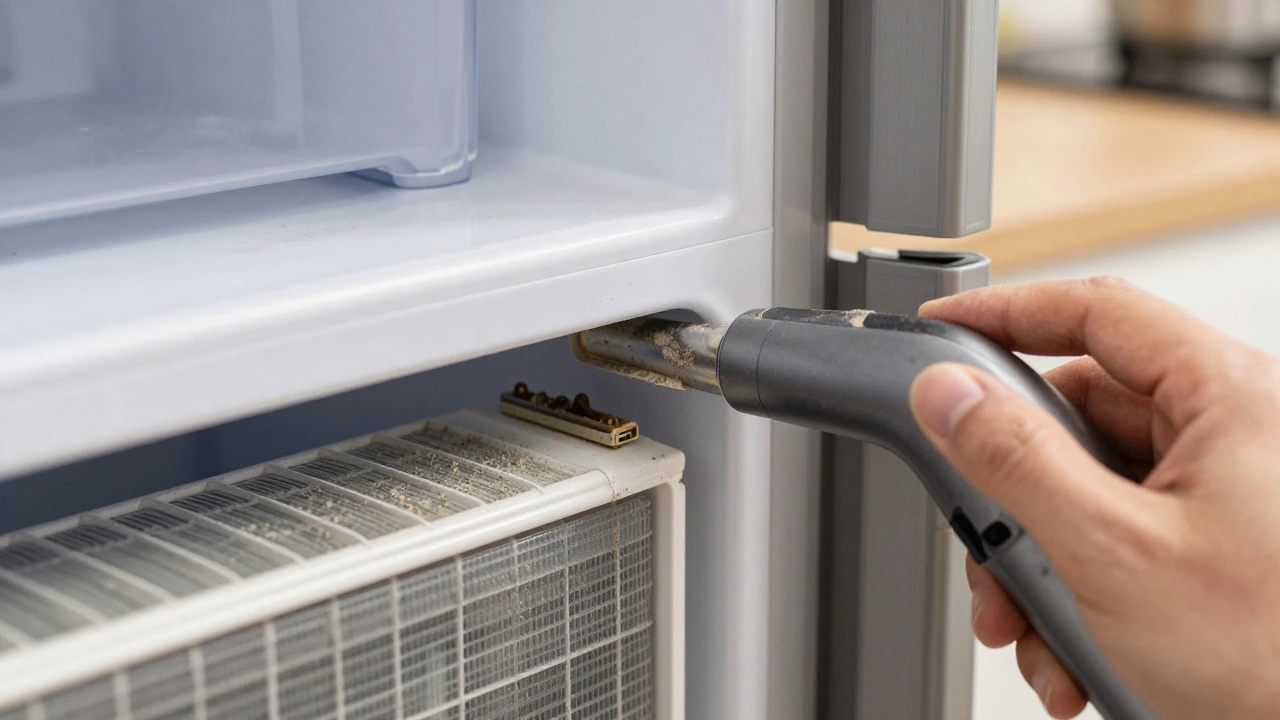
- Clean the condenser coils: Located either behind the back panel or along the bottom front grille, these coils get dusty and hairy (yes, pet hair). Dust acts as insulation, forcing the compressor to work harder. Vacuum them every six months.
- Check and clean the door seals: Wipe them with warm soapy water to remove grime. Ensure they snap shut tightly. Replace them if they’re cracked or brittle.
- Maintain proper ventilation: Don’t push the fridge flush against the wall. Leave at least 2-3 inches of space on the sides and back for heat to escape. Poor airflow kills compressors.
- Keep it moderately full: An empty fridge uses more energy because air circulates freely and warms up quickly. A well-stocked fridge retains cold better. Use water jugs to fill empty spaces if needed.
- Level the appliance: If the fridge isn’t level, the doors won’t seal properly. Adjust the front feet to ensure it sits flat. This prevents air leaks and reduces strain on the hinges.
Don’t overload the shelves. Blocking the internal air vents with large containers stops cold air from circulating evenly. This causes hot spots and makes the compressor run longer cycles. Keep items off the vents, especially near the back wall.
Environmental Impact and Disposal
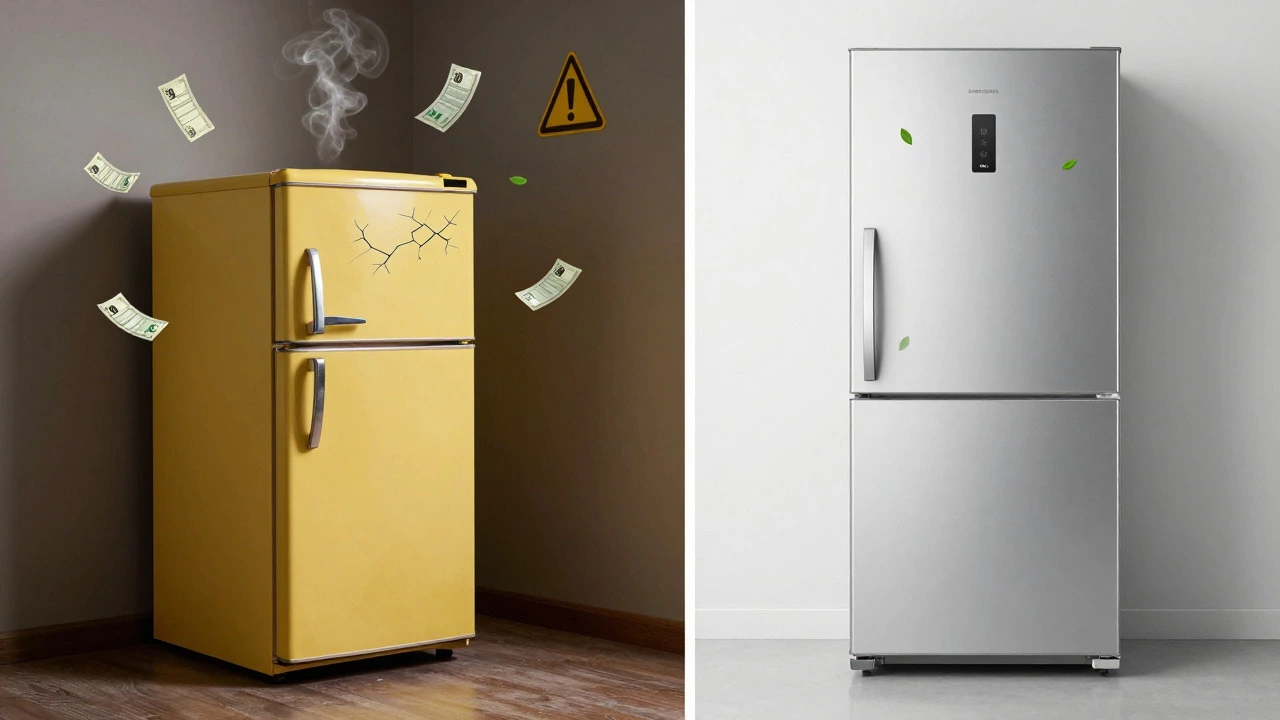
When you finally decide to replace your fridge, disposal matters. Old refrigerators contain refrigerants like Freon or R-134a, which are potent greenhouse gases. Dumping an old fridge in the bush or letting it sit unsealed releases these chemicals into the atmosphere.
In Auckland and across New Zealand, many councils offer bulky waste collection services specifically for appliances. Some retailers also offer take-back programs when you buy a new unit. Make sure the professional who removes your old fridge recycles it properly. Proper recycling recovers metals, plastics, and refrigerants, reducing landfill waste and environmental harm.
Choosing a Replacement: What to Look For
If you’re buying new, focus on reliability and efficiency rather than flashy features. Stainless steel looks good but shows fingerprints and scratches easily. Black stainless hides smudges better. Consider the layout that fits your cooking habits. Do you grab frozen veggies often? A bottom freezer keeps frequently used items at eye level.
Look for the New Zealand Energy Rating label. Higher stars mean lower running costs. Also, check warranty terms. A brand offering a 5-year compressor warranty signals confidence in its durability. Avoid models with excessive smart features unless you truly need them-more electronics mean more potential glitches and shorter lifespans.
Is it worth repairing a 15-year-old refrigerator?
Generally, no. At 15 years old, most major components are near the end of their useful life. Even if you fix one issue, another part is likely to fail soon. Additionally, older models are far less energy-efficient, meaning higher electricity bills. Unless the repair is minor (like a light bulb or shelf), replacing it is usually the smarter financial choice.
Why do French door fridges break down faster?
French door models are more complex. They often include automatic ice makers, water dispensers, and dual evaporators. Each of these components adds mechanical parts that can fail. Ice makers are particularly prone to clogs and motor failures. The increased complexity leads to a higher likelihood of needing repairs compared to simpler top-freezer designs.
How can I tell if my fridge compressor is failing?
A failing compressor often makes loud clicking noises as it tries to start but fails. You might also notice the fridge isn’t cooling effectively, or the exterior feels unusually hot. If the compressor runs continuously without cycling off, it’s working overtime. These signs usually indicate a serious issue that requires professional diagnosis.
Does unplugging a fridge extend its life?
No, frequent unplugging actually stresses the compressor and electrical system. It’s better to leave the fridge plugged in and maintain a consistent temperature. If you’re going away for a long time, clean it out, unplug it, and leave the doors open to prevent mold. But for daily use, keep it powered on.
What is the most reliable refrigerator brand in New Zealand?
Reliability varies by model rather than just brand. However, brands like Samsung, LG, Bosch, and Fisher & Paykel have strong reputations in New Zealand. Look for models with high consumer ratings and good local service support. Always check recent reviews for specific model numbers, as quality can vary between product lines within the same brand.