Appliance Repair vs. Replace Calculator
Follow the steps below to get a personalized recommendation for your appliance situation.
Refrigerator
Avg Life: 10-15 yrsWashing Machine
Avg Life: 8-12 yrsDishwasher
Avg Life: 7-10 yrsCooking Range
Avg Life: 13-15 yrsAnalysis Summary
- Appliance:
- Age: years (Expected life: )
- Repair Cost:
- Remaining Life Expectancy:
Why this recommendation?
You walk into a store looking to upgrade your kitchen or laundry room, and you’re hit with hundreds of options. But when people talk about the "big four" appliances, they aren’t talking about toasters or blenders. They are referring to the heavy-duty machines that keep your household running smoothly. Understanding what these core appliances are helps you make smarter buying decisions, troubleshoot issues faster, and know exactly who to call when things break down.
The term appliance covers everything from a small electric kettle to a massive industrial refrigerator. However, in the context of home service and repair, we usually divide them into two camps: major (or large) appliances and small appliances. The "four" most critical categories generally accepted by homeowners and technicians are refrigerators, washing machines, dishwashers, and cooking ranges. These are the workhorses of the home. If one stops working, your daily routine grinds to a halt.
1. Refrigerators: The Cold Storage Backbone
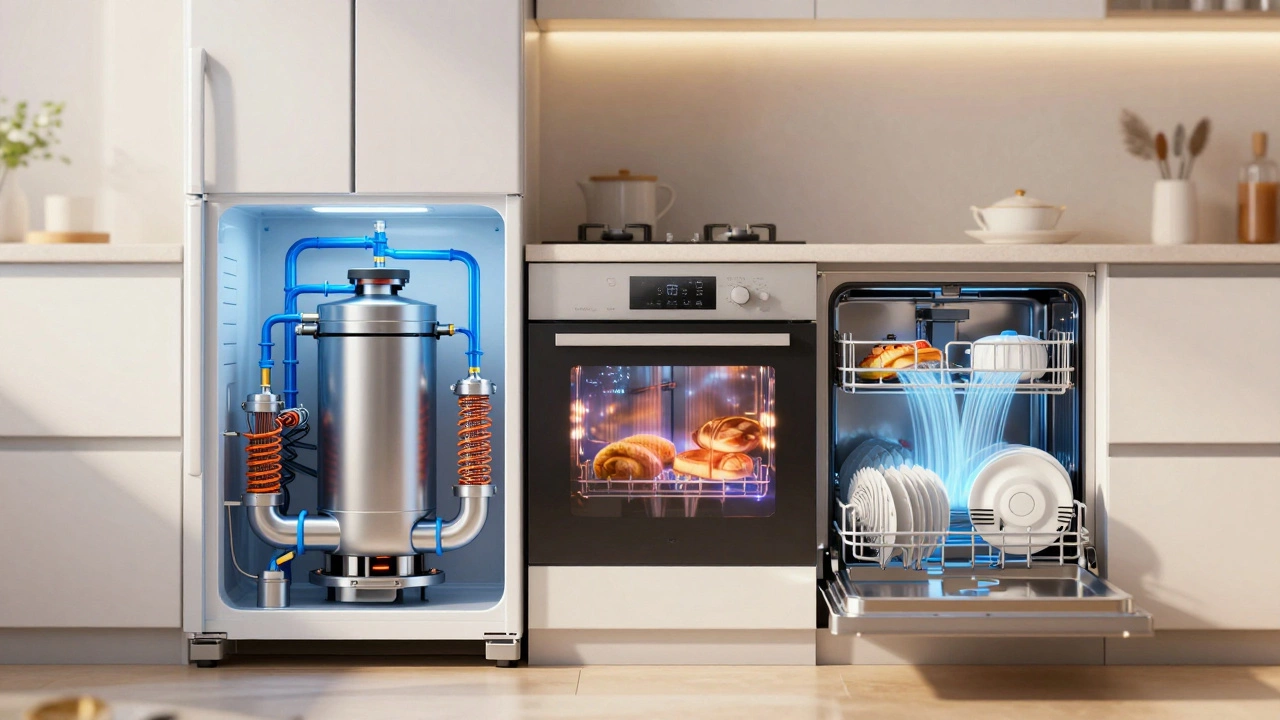
The refrigerator is arguably the most important appliance in the house. It operates 24/7, consuming energy even when you aren’t using it. Modern units often include freezers, ice makers, and smart displays, but the core function remains simple: heat exchange. The compressor pumps refrigerant through coils, absorbing heat from inside the box and releasing it outside via the condenser fins at the back or bottom.
When a fridge fails, it’s rarely a single catastrophic event. More often, it’s a gradual decline. You might notice the freezer frosting over while the fridge section stays warm. This usually points to a defrost system failure-specifically the defrost heater, thermostat, or control board. Another common issue is a noisy compressor, which can signal worn bearings or a failing start relay. Because these units contain sealed systems, DIY repairs are limited. Cleaning the condenser coils every six months is the best maintenance step you can take to extend its life.
- Key Component: Compressor (the heart of the cooling system)
- Common Failure: Evaporator fan motor stopping circulation
- Maintenance Tip: Keep door seals tight; test with a dollar bill. If it slips out easily, replace the gasket.
2. Washing Machines: The Laundry Powerhouse
If the fridge preserves your food, the washing machine preserves your wardrobe. There are two main types: top-loaders and front-loaders. Top-loaders use an agitator or impeller to move clothes through water, while front-loaders tumble clothes against gravity. Front-loaders are more water-efficient and gentler on fabrics, but they require more maintenance to prevent mold buildup in the rubber door seal.
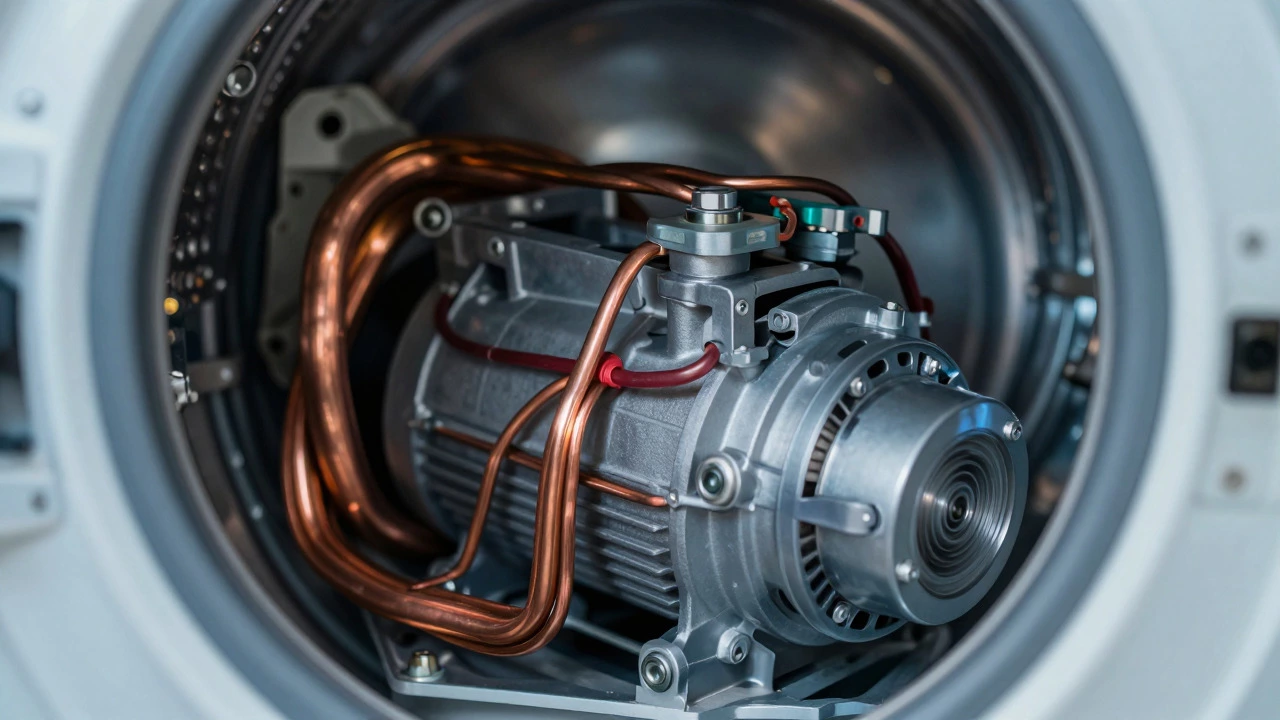
Washing machine problems are often mechanical. A loud banging noise during the spin cycle usually means the suspension springs or shock absorbers have failed, allowing the drum to wobble excessively. If the machine won’t drain, check the pump filter first. Lint, coins, and small socks often clog this filter, causing the pump to jam or burn out. In modern machines, electronic control boards manage the water inlet valves and drain pumps. When these boards fail, the machine may not respond to button presses or may error out mid-cycle.
- Key Component: Drive belt or direct drive motor
- Common Failure: Drain pump clogged with debris
- Maintenance Tip: Leave the door open after use to let the interior dry out and prevent mildew.
3. Dishwashers: The Sanitation Specialist
Dishwashers are complex because they deal with high heat, high pressure, and standing water. The mechanism involves a wash pump that circulates water through spray arms and a drain pump that removes dirty water. The heating element raises the water temperature to around 140°F (60°C) to kill bacteria and help dissolve grease.
Why do dishes come out dirty? Often, it’s not the machine itself but the spray arms. Food particles can block the nozzles, reducing water pressure. Check the filter at the bottom of the tub regularly. If the dishwasher leaks, inspect the door latch and the water inlet valve hose connections. A leaking sump area usually indicates a worn-out gasket or a cracked tub. Unlike washing machines, dishwashers have fewer moving parts, so when they fail, it’s often due to electrical issues like a faulty thermal fuse or a broken timer/control board.
- Key Component: Circulation pump and spray arms
- Common Failure: Clogged filter or blocked spray arm holes
- Maintenance Tip: Run a cycle with white vinegar monthly to descale internal components.
4. Cooking Ranges/Ovens: The Heat Source
This category includes both stovetops (hobs) and ovens. Electric ranges use coiled resistance elements or glass-ceramic induction surfaces, while gas ranges use burners ignited by sparks or pilot lights. Ovens rely on heating elements (top and bottom) and convection fans to distribute heat evenly.
Range issues are often immediate and noticeable. An electric burner that doesn’t heat up likely has a broken heating element or a loose connection. For gas ranges, if the flame is yellow instead of blue, the burner ports are clogged with grease or food residue. Oven temperature inaccuracies are common. If your cookies burn on the bottom but stay raw on top, the oven sensor or thermostat may be off-calibration. Self-cleaning ovens can also develop issues with the door lock mechanism, preventing the cycle from starting or ending properly.
- Key Component: Heating elements (electric) or igniters (gas)
- Common Failure: Broken bake/broil element or faulty door switch
- Maintenance Tip: Clean spills immediately to prevent damage to self-clean coatings and sensors.
Major vs. Small Appliances: Knowing the Difference
It’s crucial to distinguish between the "big four" and small appliances. Small appliances include microwaves, blenders, coffee makers, and toasters. These are portable, plug directly into standard outlets, and are usually replaced rather than repaired due to low cost. Major appliances are installed, connected to plumbing or dedicated circuits, and built to last 10-15 years. Repairing a $2,000 refrigerator makes sense; repairing a $30 toaster does not.
| Appliance Type | Average Lifespan | Primary Function | Common Repair Cost Range |
|---|---|---|---|
| Refrigerator | 10-15 years | Food preservation | $100 - $300 |
| Washing Machine | 8-12 years | Cleaning fabrics | $150 - $400 |
| Dishwasher | 7-10 years | Sanitating dishes | $100 - $250 |
| Cooking Range | 13-15 years | Meal preparation | $100 - $350 |
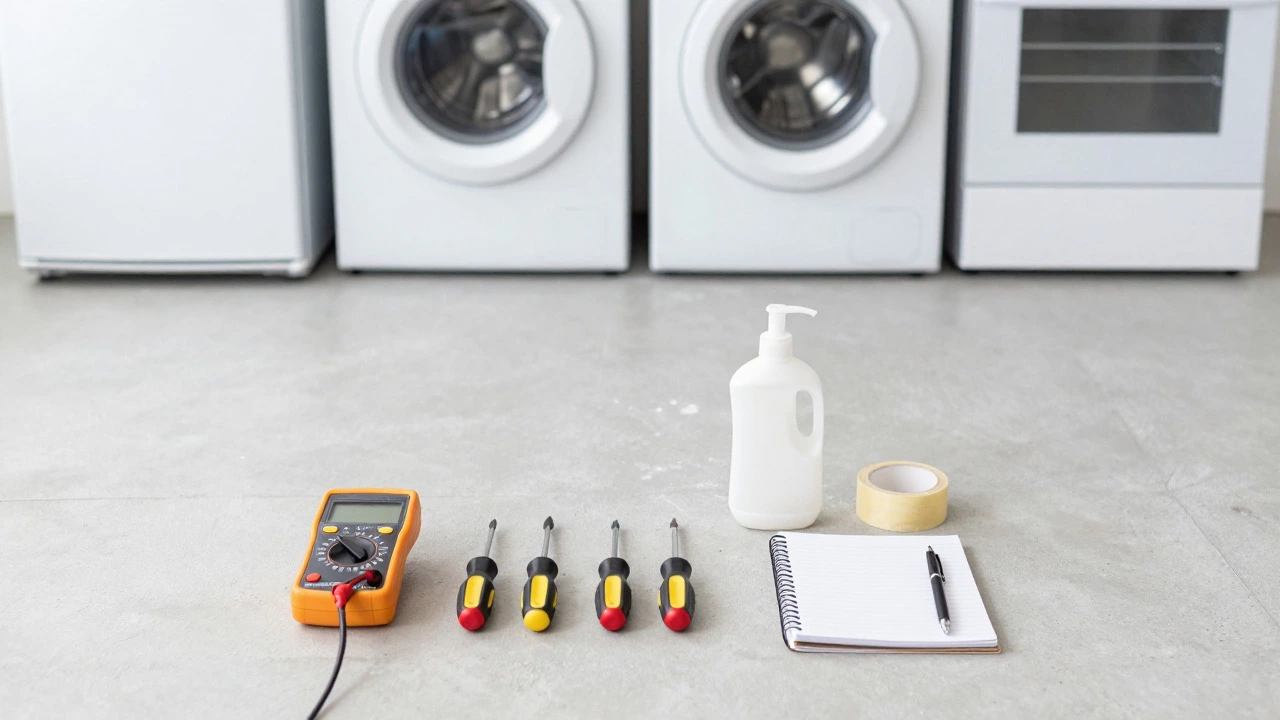
Why Understanding These Four Matters for Service
Knowing which of the four categories your problem falls under dictates how you approach the fix. A leaking dishwasher requires shutting off the water supply line. A sparking stove requires turning off the gas valve or circuit breaker. Misdiagnosing the type of appliance can lead to safety hazards.
For example, if your washing machine is vibrating violently, it’s a mechanical balance issue. If your fridge is making a buzzing noise, it’s likely the evaporator fan or compressor. By categorizing the appliance correctly, you can search for specific troubleshooting guides or communicate clearly with a technician. Technicians charge by the hour, so providing accurate details about the appliance type and symptom saves you money.
Troubleshooting Basics Before Calling a Pro
Before you schedule a service call, try these universal checks for all four appliance types:
- Check Power: Ensure the unit is plugged in and the circuit breaker hasn’t tripped. GFCI outlets in kitchens and laundry rooms often trip silently.
- Inspect Filters: Dishwashers, washing machines, and range hoods all have filters that clog over time.
- Look for Error Codes: Modern appliances display codes (e.g., F01, E12). Write these down before resetting the machine.
- Reset the Unit: Unplug the appliance for five minutes. This clears temporary glitches in the control board.
If these steps don’t resolve the issue, it’s time to call a professional. Attempting to repair sealed refrigeration systems or high-voltage components without training can be dangerous and void warranties.
What are the 4 main types of home appliances?
The four main types of major home appliances are refrigerators, washing machines, dishwashers, and cooking ranges (ovens/stoves). These are considered essential because they perform critical functions in food storage, clothing care, sanitation, and meal preparation.
How long should a major appliance last?
On average, refrigerators last 10-15 years, washing machines 8-12 years, dishwashers 7-10 years, and cooking ranges 13-15 years. Proper maintenance, such as cleaning filters and coils, can extend these lifespans significantly.
Is it worth repairing an old appliance?
If the repair cost is less than 50% of the price of a new unit and the appliance is less than half its expected lifespan, repair is usually worth it. For older units nearing the end of their life, replacement is often more energy-efficient and cost-effective in the long run.
What is the difference between a major and small appliance?
Major appliances are large, installed units connected to plumbing or dedicated electrical circuits, such as fridges and washers. Small appliances are portable, plug into standard outlets, and are typically cheaper, like blenders or toasters.
Why is my washing machine leaking water?
Common causes include a clogged drain pump filter, a cracked or disconnected water inlet hose, or a worn door seal. Check the pump filter first, as lint and debris often cause blockages that lead to overflow.