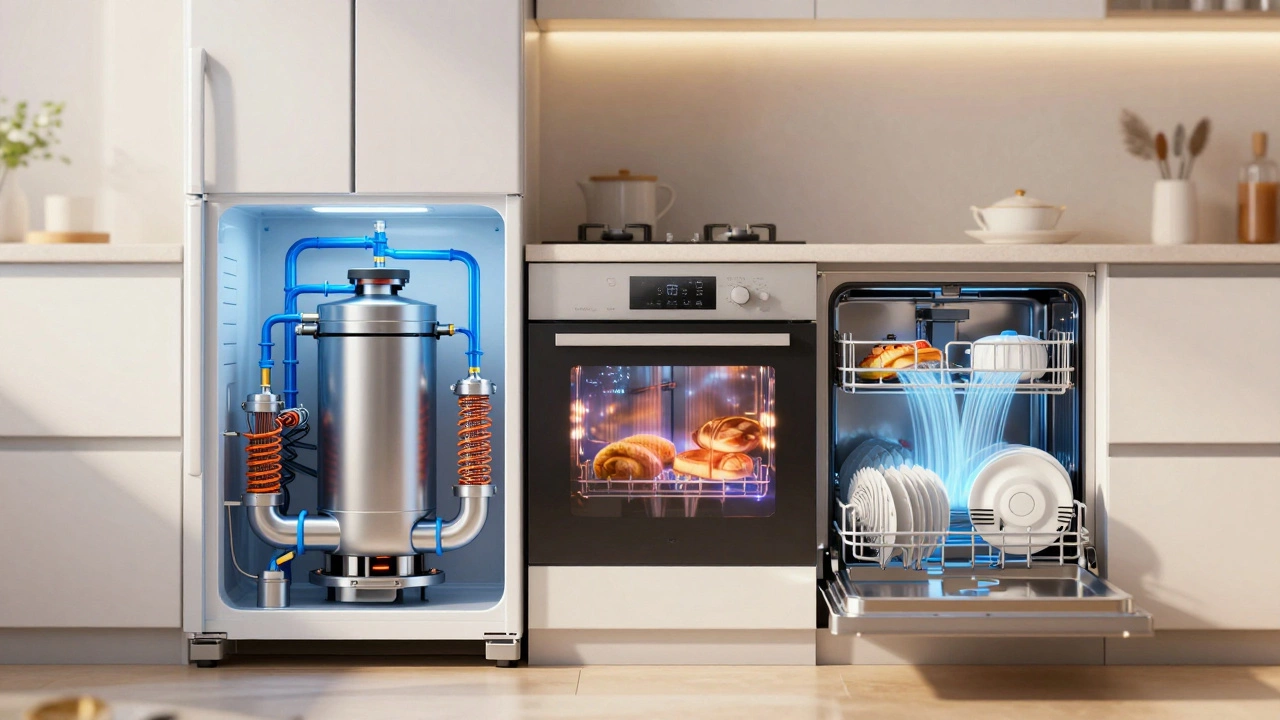
Appliance Function & Efficiency Simulator
Adjust the sliders to see how different appliance usage patterns affect your daily energy consumption and time savings. Based on the core functions of modern home appliances.
Refrigerator Usage
Food preservation via vapor-compression cycle
Washing Machine
Mechanical agitation + chemical detergents
Air Conditioner
Heat exchange and dehumidification
Dishwasher
High-pressure hot water jets for sterilization
Oven/Cooktop
Thermal radiation or conduction
Smart Features
Data collection and optimization
Daily Household Impact Summary
It is easy to take them for granted. You press a button, and the laundry gets clean. You open the door, and the food stays cold. But what do appliances actually do? Beyond the obvious surface-level tasks, these machines are the unsung heroes of modern domestic life, managing complex thermodynamic, mechanical, and electrical processes to save you time, preserve resources, and maintain hygiene.
Understanding the core functions of your household machinery changes how you interact with them. It shifts your perspective from seeing them as black boxes that magically work to viewing them as tools that require specific inputs and care to deliver optimal outputs. Whether you are in Auckland dealing with humid summers or freezing winters, knowing exactly what your appliances are engineered to achieve helps you troubleshoot issues, extend their lifespan, and make smarter purchasing decisions.
The Core Mission: Energy Conversion and Automation
At their most fundamental level, all home appliances are devices designed to automate household tasks through the conversion of energy. They take electricity, gas, or water pressure and transform it into mechanical motion, heat, cold, or filtration. This automation is the primary value proposition. Before the widespread adoption of these machines, chores like washing clothes by hand or preserving food without refrigeration consumed hours of physical labor every day.
Consider the washing machine is a device that cleans fabrics using agitation, water, and detergent. Its job is not just to wet the clothes; it is to mechanically agitate fibers to dislodge dirt particles while chemically breaking down stains. The machine controls the temperature, spin speed, and duration to ensure the fabric isn't damaged during this violent process. If you understand this, you realize why overloading the drum fails-it prevents the necessary tumbling action that defines the cleaning mechanism.
Similarly, a refrigerator is an appliance that preserves food by lowering its temperature to slow bacterial growth. It does not just "keep things cold." It actively removes heat from inside the compartment and expels it outside, maintaining a stable environment typically between 3°C and 5°C. This precise thermal management prevents spoilage, allowing you to buy groceries in bulk rather than daily, which saves money and reduces waste.
Categorizing Appliance Functions by Household Zone
To truly grasp what appliances do, it helps to group them by the problem they solve in different areas of your home. Each zone has distinct environmental challenges that specific machines are built to address.
| Appliance Type | Primary Function | Key Mechanism | Impact on Daily Life |
|---|---|---|---|
| Refrigerator | Food Preservation | Vapor-compression cycle | Reduces food waste, enables meal planning |
| Washing Machine | Hygiene & Cleaning | Mechanical agitation + chemical detergents | Saves hours of manual labor, maintains health standards |
| Dishwasher | Sterilization & Drying | High-pressure hot water jets | Kills bacteria more effectively than hand washing |
| Air Conditioner | Climate Control | Heat exchange and dehumidification | Maintains comfort during extreme weather events |
| Oven/Cooktop | Food Preparation | Thermal radiation or conduction | Enables diverse cooking methods (baking, searing) |
The Kitchen Workhorse: Cooking and Preservation
The kitchen is where the majority of high-energy appliances reside. Their collective job is to transform raw ingredients into safe, edible meals while keeping perishables fresh. The oven is a enclosed chamber used for baking, roasting, and heating food via dry heat. Unlike a stovetop, which provides direct contact heat, an oven creates a convective environment. Hot air circulates around the food, cooking it evenly from all sides. This is crucial for baking bread or roasting meats, where internal temperature control is vital for texture and safety.
Meanwhile, the microwave is an appliance that heats food by exciting water molecules with electromagnetic radiation. It doesn't cook food in the traditional sense; it heats it rapidly from the inside out. This makes it incredibly efficient for reheating leftovers or defrosting frozen goods, but poor at browning or crisping surfaces. Understanding this distinction prevents frustration when your pizza comes out soggy. The microwave’s function is speed and convenience, not culinary transformation.
Don’t overlook the dishwasher is a machine that cleans dishes using high-temperature water and detergent. Many people believe hand-washing is better, but dishwashers operate at temperatures above 60°C, which sterilizes utensils and plates far more effectively than typical hand-washing water. In a household with young children or elderly members, this sanitization function is critical for preventing illness.
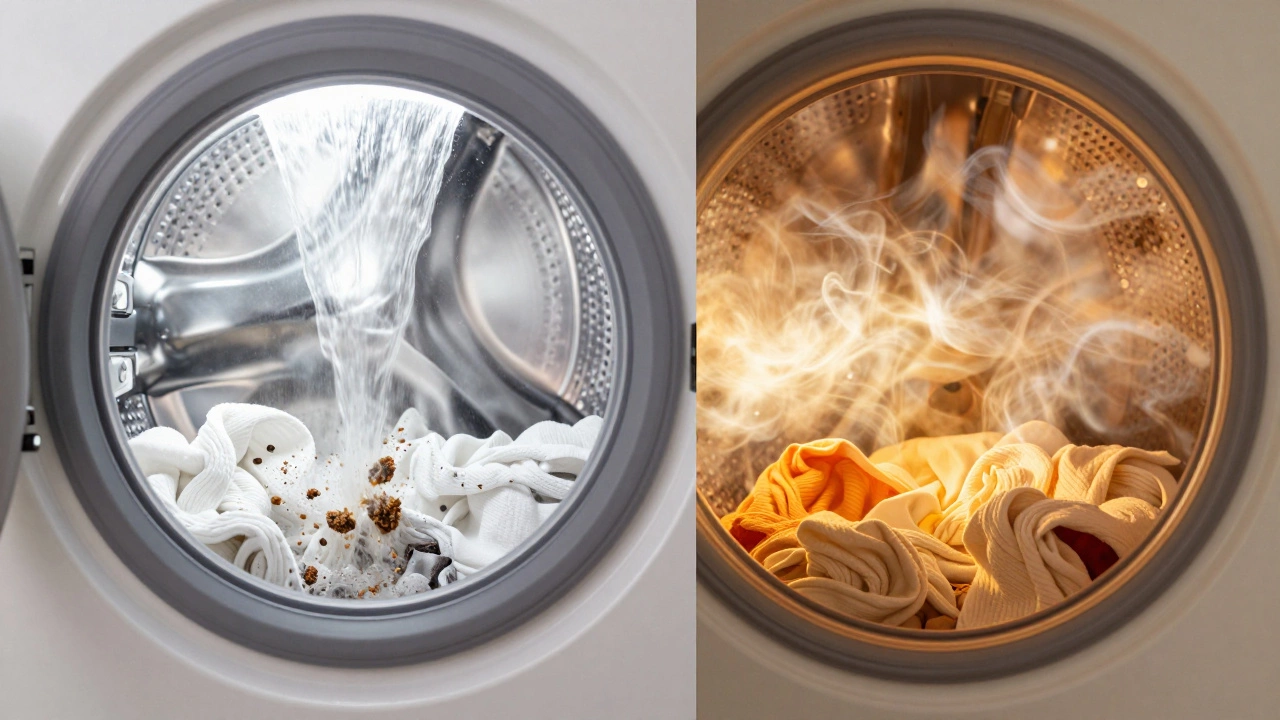
Laundry Room Mechanics: Cleaning and Drying
In the laundry room, appliances manage moisture and fabric integrity. The tumble dryer is a device that dries wet laundry using heated air and tumbling motion. Its primary function is evaporation. By circulating hot air through damp clothes, it turns liquid water into vapor, which is then vented out or condensed back into water (in condenser models). This is essential in climates like New Zealand’s, where outdoor drying can be unpredictable due to rain or high humidity. However, excessive heat can damage elastic fibers in underwear or shrink cottons, so understanding the heat settings is part of knowing what the dryer does.
Modern washing machines also include spin cycles that use centrifugal force to extract water before drying even begins. A higher spin speed means less residual moisture, which reduces drying time and energy consumption. If your towels come out dripping wet, the machine isn’t doing its job correctly-likely due to an unbalanced load or a clogged filter. Recognizing these mechanical roles helps you diagnose problems quickly.
Climate Control: Air Quality and Comfort
Appliances aren’t just about food and clothes; they regulate the very air you breathe. air conditioners are systems that cool and dehumidify indoor air to maintain comfortable living conditions. During Auckland’s warm summer months, AC units remove both heat and humidity. High humidity makes the air feel heavier and promotes mold growth. By lowering the dew point, ACs prevent condensation on windows and walls, protecting your home’s structure.
extractor fans are ventilation devices that remove stale air, odors, and moisture from kitchens and bathrooms. These often-overlooked appliances play a huge role in indoor air quality. When you cook, you release grease particles and steam. Without an extractor fan, these settle on surfaces and create slippery, unhealthy environments. In bathrooms, they prevent mold spores from taking hold in grout lines. Their function is proactive maintenance of your home’s hygiene infrastructure.
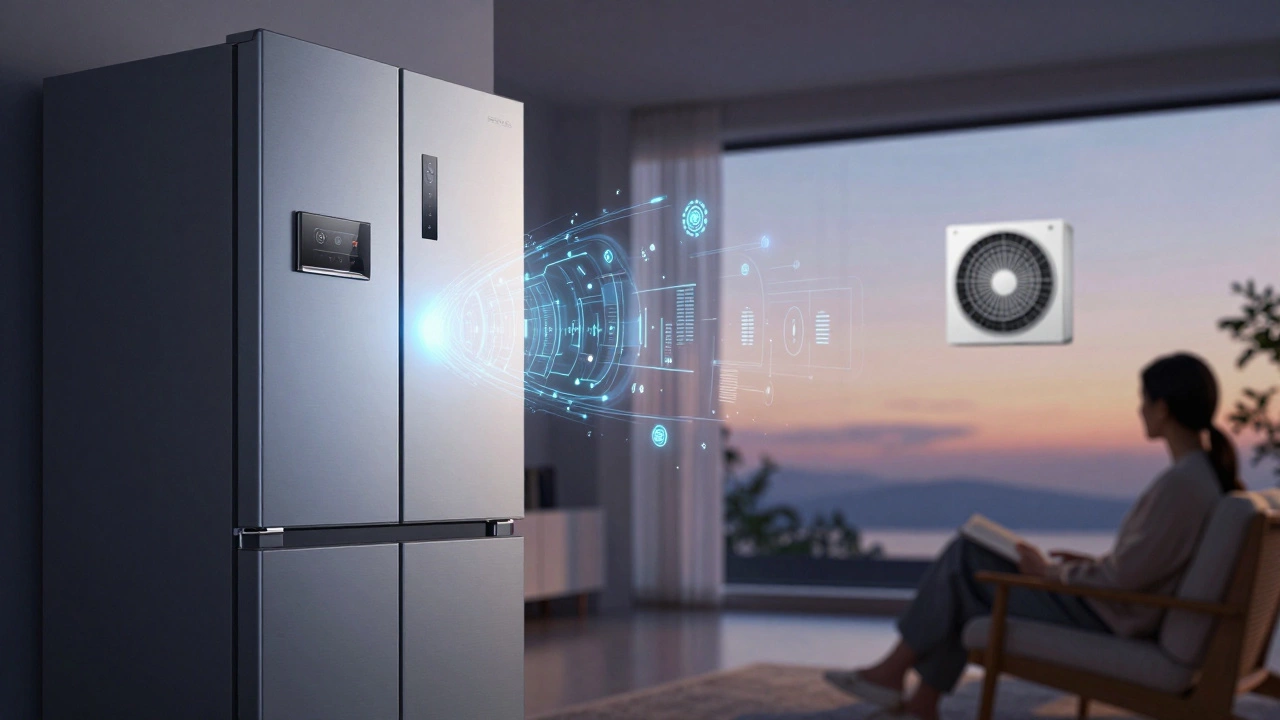
The Rise of Smart Appliances: Data and Efficiency
Today, many appliances do more than just perform physical tasks-they collect data. smart appliances are connected devices that use sensors and internet connectivity to optimize performance and provide user insights. A smart fridge might track expiration dates and suggest recipes based on what’s inside. A smart washing machine can detect the weight and fabric type of your load, automatically adjusting water and detergent levels.
This shift adds a new layer to "what appliances do": they now act as managers of household resources. They aim to reduce water and electricity usage by optimizing cycles. For example, a smart HVAC system learns your schedule and adjusts temperatures when you’re away, cutting energy bills. This functionality transforms appliances from passive tools into active participants in sustainability efforts.
Maintenance: Keeping the Functions Alive
None of these functions work indefinitely without care. What appliances do depends heavily on how well you maintain them. Filters get clogged, coils get dusty, and seals degrade. A refrigerator with dirty condenser coils works harder to remove heat, increasing energy bills and risking compressor failure. A washing machine with a blocked drain pump won’t spin properly, leaving clothes soaked.
Regular maintenance isn’t just about repair; it’s about preserving the intended function. Clean the lint trap in your dryer after every load to prevent fire hazards and improve airflow. Descale your coffee maker monthly to ensure proper water flow and taste. Check the door seals on your fridge for cracks that let warm air in. These small actions keep the complex mechanisms running smoothly.
Why do my appliances break down suddenly?
Sudden breakdowns are rarely random. They usually result from long-term neglect of minor issues. For example, ignoring a strange noise in a washing machine often leads to bearing failure. Or failing to clean a dishwasher filter causes drainage backups that damage the pump. Most appliances show warning signs-unusual sounds, slower performance, or error codes-before total failure. Addressing these early extends the machine's life significantly.
Do smart appliances really save money?
Yes, but only if you use their features correctly. Smart thermostats can reduce heating and cooling costs by 10-15% by learning your habits and adjusting temperatures when you're asleep or away. Smart washing machines optimize water usage per load, which cuts water bills. However, the initial purchase price is higher, so the savings take time to accumulate. The key is enabling eco-modes and automating schedules rather than manually overriding the system constantly.
How often should I service my major appliances?
Major appliances like fridges, ovens, and HVAC systems benefit from professional servicing every 1-2 years. Washing machines and dryers need annual checks for belt tension and drum alignment. Dishwashers should have their filters cleaned monthly and spray arms inspected quarterly. Regular maintenance prevents costly repairs and keeps energy efficiency high. Think of it like changing the oil in your car-it’s preventative, not reactive.
What is the most energy-efficient appliance to upgrade first?
If you’re looking to cut energy bills, start with your refrigerator or HVAC system. These run continuously or for long periods, so even small efficiency gains add up. An old fridge can use twice as much electricity as a modern Energy Star-rated model. Similarly, upgrading to a ducted heat pump system in New Zealand can drastically reduce winter heating costs compared to electric heaters or older gas systems. Look for high energy ratings before buying.
Can I fix simple appliance issues myself?
Many minor issues are DIY-friendly. Clogged filters, reset buttons, and door seal replacements are common fixes. For example, if your dishwasher isn’t cleaning well, check if the spray arm is blocked by food debris. If your fridge is noisy, inspect the condenser coils for dust. However, avoid opening sealed components like compressors or circuit boards unless you’re qualified. Gas appliances always require professional handling due to safety risks.