Water Heater Health Checker
Determine how likely your hot water heater is failing based on age and symptoms. This tool uses information from the article to help you decide if replacement is needed.
Your Water Heater Health Assessment
Keep monitoring your water heater. Consider annual flushing to maintain performance.
If your hot water suddenly turns cold in the middle of a shower, or you notice rust-colored water coming out of the tap, you’re not imagining things. Your hot water heater is probably on its last legs. Most water heaters in New Zealand homes last between 8 and 12 years. If yours is older than that and acting up, it’s not just inconvenient-it could flood your laundry room or basement if it bursts.
Water That’s Not Hot Enough
One of the clearest signals your water heater is failing is when the water doesn’t get hot anymore-or it takes way longer than usual. You might find yourself waiting 20 minutes for a warm shower, or the water turns lukewarm after just a few minutes. This usually means the heating element has burned out (in electric models) or the pilot light and thermocouple are failing (in gas models). In older units, sediment buildup at the bottom of the tank also acts like insulation, blocking heat from reaching the water. Flushing the tank might help temporarily, but if the problem keeps coming back, the heater is worn out.
Strange Noises Coming From the Tank
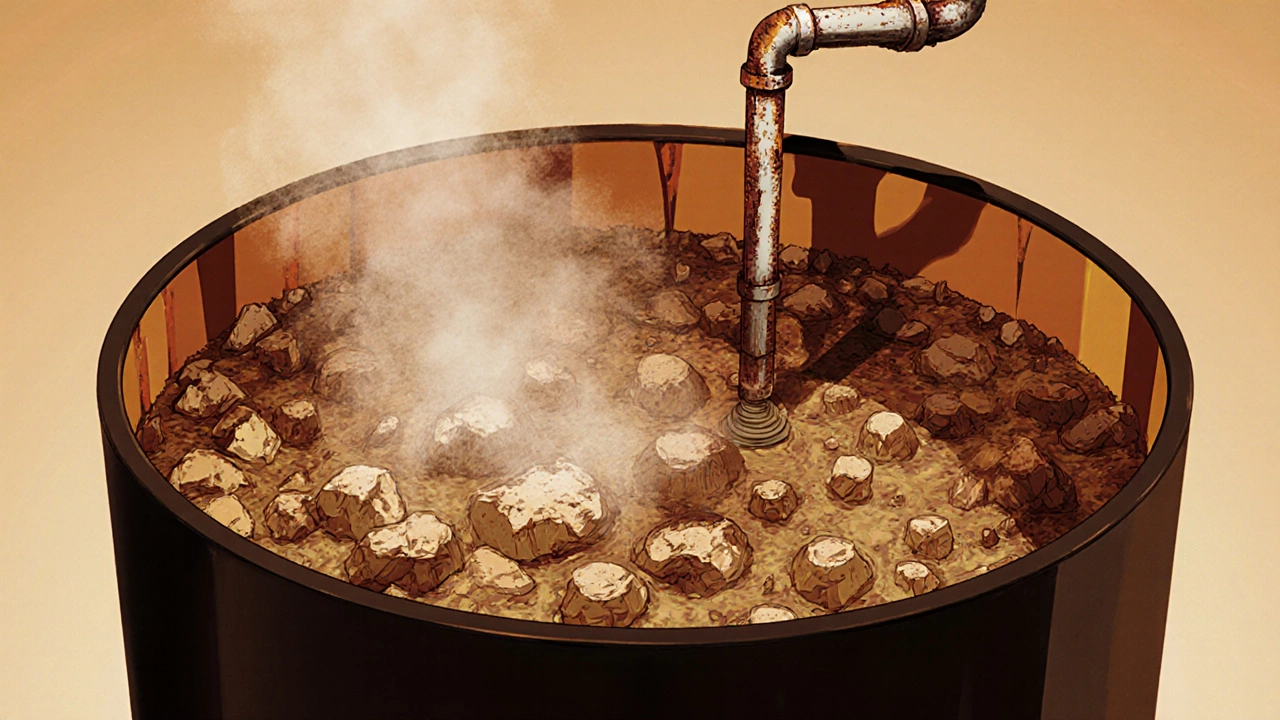
That loud rumbling, popping, or banging sound coming from your water heater isn’t just annoying-it’s a warning. These noises happen when mineral deposits (hard water scale) build up on the bottom of the tank. As the water heats up, it gets trapped under layers of sediment and boils, creating steam pockets that pop and bang. In Auckland, where many homes have hard water, this is especially common. If you hear this noise regularly, it means the tank is working harder than it should. Over time, this stress can crack the tank lining or warp the internal components. A quiet heater is a healthy heater.
Water Leaking Around the Base
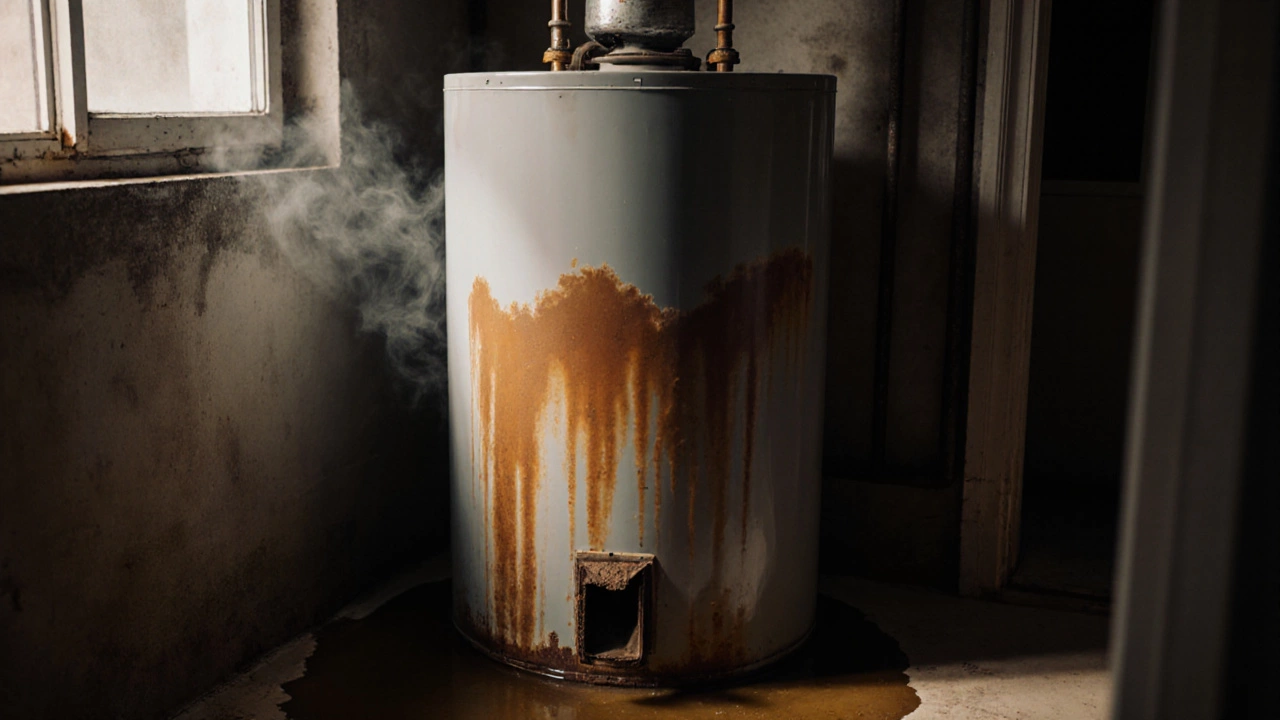
Any puddle under your water heater is a red flag. It’s not normal. A small drip might seem harmless, but it’s usually the start of a bigger problem. The most common cause is a corroded tank. Over time, the steel lining inside the tank rusts through, especially near the bottom where water sits and sediment collects. If you see moisture or rust stains on the floor, or the tank itself looks wet and streaked with orange-brown rust, the tank is compromised. Some people think they can fix a leak by tightening fittings, but if the tank itself is leaking, no amount of plumbing tape will save it. Once the tank corrodes, replacement is the only safe option.
Rusty or Discolored Hot Water
When you turn on the hot tap and the water comes out brown, orange, or muddy, that’s rust from inside the tank. Water heaters have a sacrificial anode rod that attracts corrosion to protect the steel tank. But once that rod wears out-which usually happens after 5-7 years-the tank itself starts to rust. If your hot water looks like tea, the tank is likely corroding from the inside. Cold water staying clear while hot water turns rusty is a dead giveaway. This isn’t just a cosmetic issue. Rust particles can clog your showerheads, faucets, and even your washing machine. And if the rust is thick enough, it means the tank wall is thinning. A burst tank can leak hundreds of liters overnight.
Age of the Unit
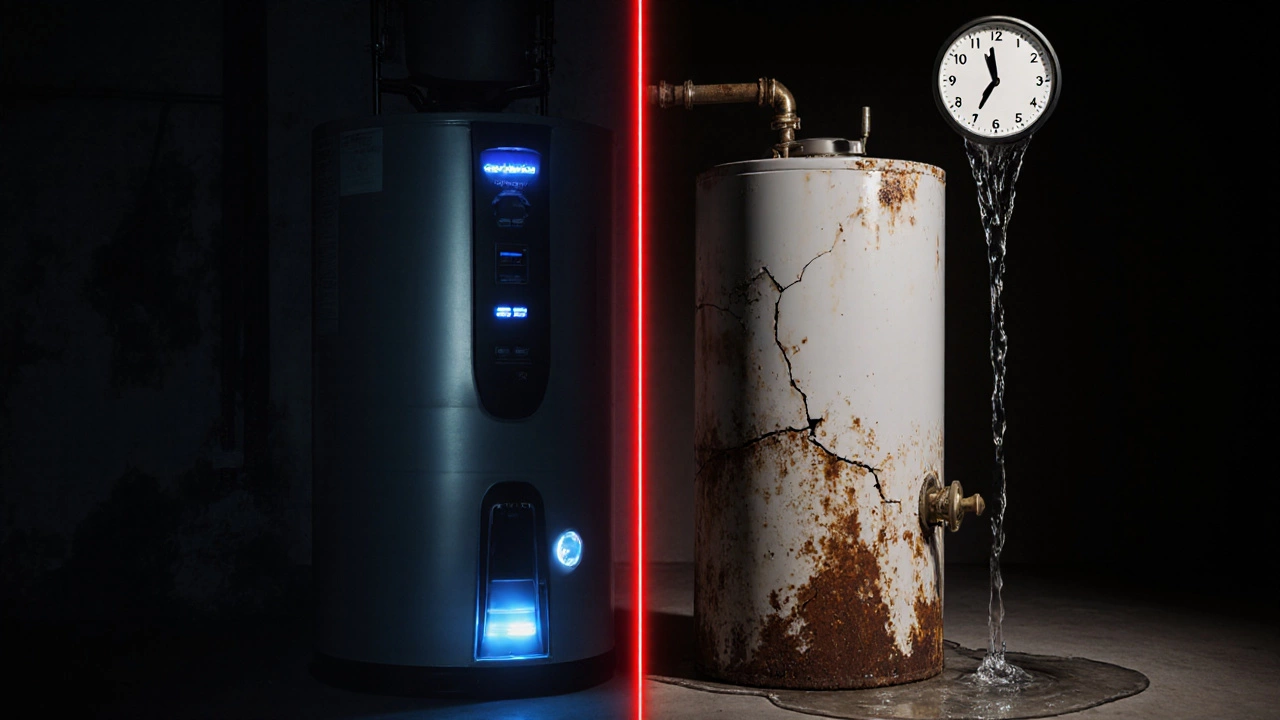
Most water heaters in New Zealand homes are replaced between 8 and 12 years old. If yours is older than that and you’re starting to notice any of the signs above, don’t wait for it to fail completely. Manufacturers don’t build them to last forever-they’re designed with a lifespan in mind. Even if your 14-year-old heater is still working, it’s operating at 70% efficiency and using more electricity or gas than a new model. Modern water heaters are up to 30% more efficient. Waiting until it breaks means you’ll be stuck without hot water during winter, possibly with emergency repair fees and no time to compare options.
Smell Like Rotten Eggs
If your hot water smells like rotten eggs, it’s not your plumbing-it’s the heater. This odor comes from sulfate-reducing bacteria that thrive in warm, stagnant water. These bacteria react with sulfur and the magnesium anode rod to produce hydrogen sulfide gas. It’s not dangerous, but it’s unpleasant. You can treat it temporarily by flushing the tank with hydrogen peroxide or replacing the anode rod with an aluminum one. But if the smell keeps coming back after treatment, the tank itself is likely too old and corroded to hold a clean environment. In older units, replacing the rod won’t fix the underlying problem-the tank is too far gone.
High Energy Bills Without Extra Usage
Have you noticed your power or gas bill creeping up even though your household habits haven’t changed? A failing water heater is often the culprit. When the tank loses insulation, the heating element or burner has to work longer and harder to keep the water hot. Sediment buildup makes it worse. If your heater is over 8 years old and your bills have jumped 15-20% over the past year, it’s likely wasting energy trying to compensate for internal damage. A new, energy-efficient model could cut your water heating costs by a third.
What to Do Next
If you’ve noticed two or more of these signs, it’s time to start thinking about replacement. Don’t wait for a flood. Get a quote from a licensed plumber. New water heaters in New Zealand come in electric, gas, and heat pump models. Heat pumps are the most efficient for Auckland’s climate-they use ambient air to heat water and can cut running costs by up to 60%. Most new units come with a 10-year warranty, so you’ll avoid the headaches of a failing tank for a long time.
While you’re waiting for a replacement, turn the temperature down to 50°C. This reduces stress on the tank and lowers your energy use. Also, shut off the water supply and power/gas to the heater if you see a leak. That’s the only way to prevent a major water disaster.
When to Call a Professional
Some issues, like a faulty thermostat or a bad heating element, can be repaired. But if the tank itself is rusted, leaking, or making loud noises from sediment, repairs are a waste of money. A plumber can test the pressure relief valve, check the anode rod, and inspect for internal corrosion. If they say the tank is beyond repair, listen. Replacing it now saves you from emergency calls, water damage, and higher repair costs later.
How long does a hot water heater usually last in New Zealand?
Most water heaters in New Zealand last between 8 and 12 years. Gas models tend to last a bit longer than electric ones, but both are affected by water hardness and maintenance. Units older than 12 years are at high risk of failure, even if they still seem to work.
Can I fix a leaking water heater myself?
If the leak is coming from a pipe fitting, valve, or drain tap, you might be able to tighten or replace it. But if the leak is coming from the tank itself-especially near the bottom-it means the steel lining has corroded. No DIY fix will stop this. Continuing to use it risks a full tank rupture, which can flood your home. Replace the unit.
Is it cheaper to repair or replace a failing water heater?
If your heater is under 8 years old and only has a faulty part (like a heating element or thermostat), repair is usually cheaper. But if it’s older than 8 years and showing multiple signs of failure (leaks, rust, noise, poor performance), replacement is almost always the better long-term choice. Repairs on old units often cost half the price of a new one and only buy you a few more months.
What type of water heater is best for Auckland homes?
Heat pump water heaters are the most efficient for Auckland’s mild climate. They use ambient air to heat water and can reduce energy costs by up to 60% compared to electric models. Gas heaters are good if you have a gas line, but they’re less efficient than heat pumps. Electric storage tanks are the cheapest to install but cost the most to run over time.
How often should I flush my water heater?
Flush your water heater at least once a year, especially in areas with hard water like Auckland. Flushing removes sediment buildup that reduces efficiency and causes noise and corrosion. If you notice rust or strange smells, flush it immediately-even if it’s not due. Regular flushing can extend the life of your heater by 2-4 years.