Appliance Repair Decision Tool
Should You Call a Specialist?
Answer these questions to get a personalized recommendation.
Analyzing...
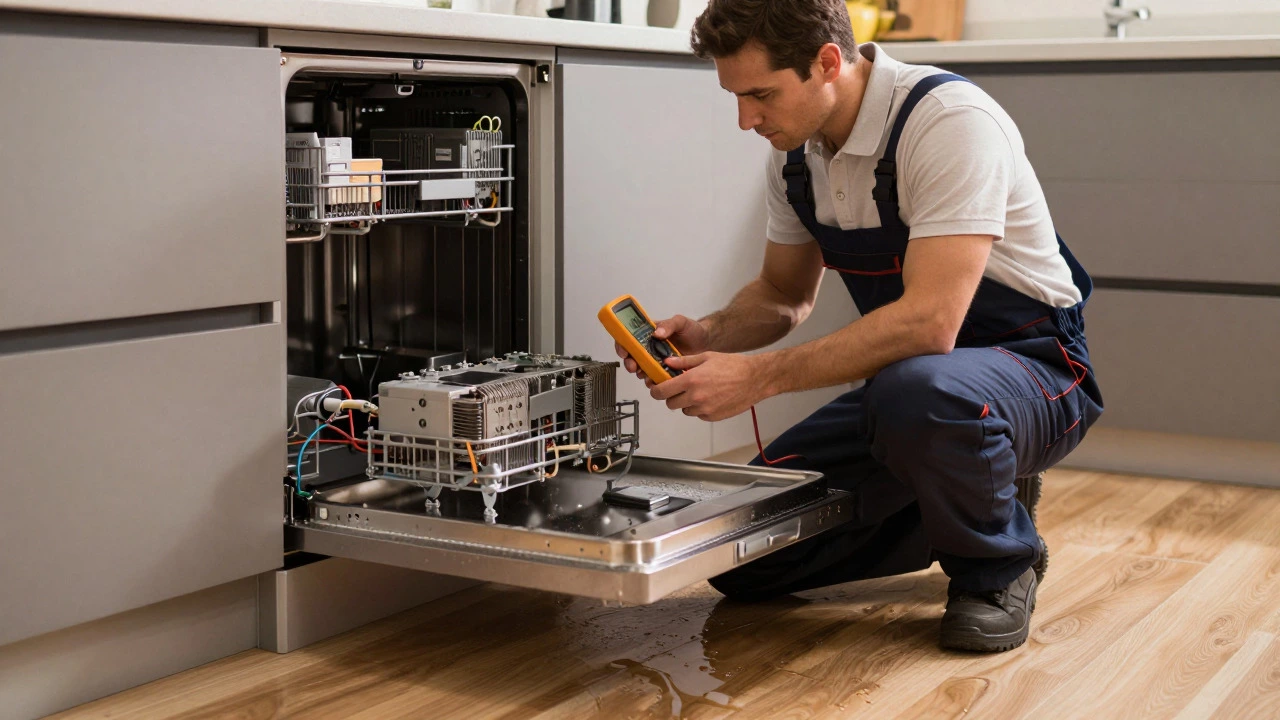
Imagine this: It’s 6 PM on a Tuesday. You’ve just dragged the dishwasher out of the kitchen after it flooded the floor for the third time this month. The error code on the display is blinking like a frantic heartbeat. You don’t just need a wrench; you need someone who understands why that specific sensor is failing, where to source the replacement part without waiting three weeks, and how to ensure it doesn’t happen again next week. That person is an appliance specialist.
We often use terms like "repairman," "technician," and "specialist" interchangeably, but in the world of modern home appliances, there is a distinct difference. An appliance specialist isn't just a handy person with a toolkit. They are trained diagnosticians who bridge the gap between complex electronics, mechanical engineering, and practical household solutions. Understanding their role can save you hundreds of dollars in unnecessary repairs and prevent minor glitches from becoming major hazards.
The Core Role: More Than Just Fixing Broken Parts
At its heart, the role of an appliance specialist is diagnostic precision. In the past, fixing a washing machine might have involved swapping out a belt or tightening a screw. Today, your refrigerator contains more computing power than the first Mars rover. A specialist’s primary job is to interpret the digital language of these machines.
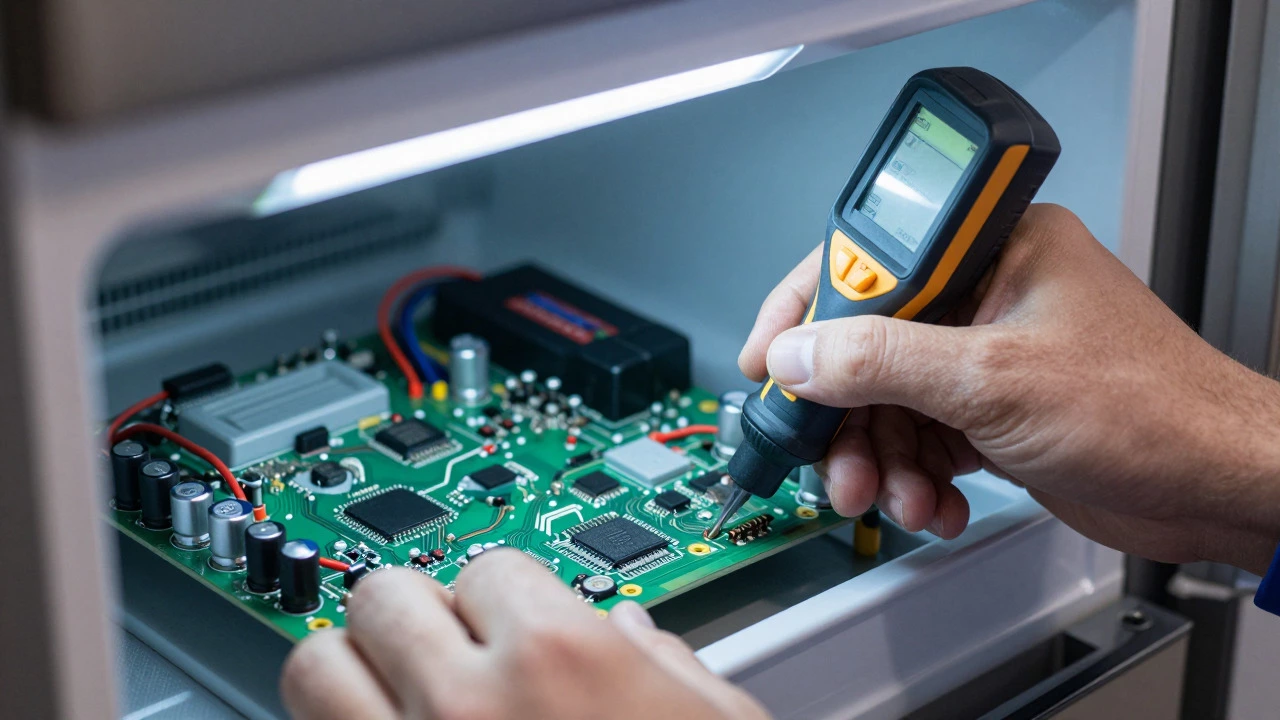
When you call a specialist, they aren’t guessing. They are following a structured troubleshooting process. First, they verify the symptom. Is the oven actually not heating, or is the thermostat misreading the temperature? Next, they isolate the component. This involves using multimeters, thermal cameras, and manufacturer-specific diagnostic software to pinpoint the failure. Finally, they execute the repair or recommend a replacement based on cost-benefit analysis.
- Diagnosis: Using technical tools to identify the root cause, not just the symptom.
- Repair Execution: Safely disassembling units, replacing parts, and reassembling them to factory standards.
- Safety Inspection: Checking for gas leaks, electrical shorts, or fire hazards that may have caused the initial failure.
- Advisory: Telling you whether it’s worth repairing an old unit or if you should invest in a new one.
This role requires a blend of trade skills and technical literacy. They must understand voltage, amperage, and circuitry just as well as they understand plumbing connections and mechanical tolerances.
Key Skills and Qualifications of a Professional Specialist
Not everyone who carries a toolbox qualifies as a specialist. The barrier to entry has risen significantly with the complexity of smart home devices. Here is what separates a professional from a DIYer or a general handyman.
| Attribute | General Handyman | Certified Appliance Specialist |
|---|---|---|
| Training | General construction/home maintenance | Manufacturer-specific certification (e.g., Bosch, Miele, Samsung) |
| Diagnostics | Visual inspection, basic testing | Advanced electronic diagnostics, board-level repair knowledge |
| Parts Access | Generic parts, aftermarket replacements | OEM (Original Equipment Manufacturer) parts access |
| Warranty Work | Rarely accepted by manufacturers | Authorized to perform warranty repairs |
| Insurance | General liability | Specialized tool and equipment insurance |
Certification is crucial. Major brands like Whirlpool, LG, and Electrolux offer tiered training programs. A specialist with Level 3 certification, for example, can handle complex electronic control board failures, whereas a Level 1 technician might only handle mechanical issues like door seals or filters. Always ask for proof of current certification. Technology changes fast; a certificate from ten years ago might be obsolete today.
Additionally, soft skills matter. A good specialist explains the problem in plain English. If they speak in jargon without explanation, they might be hiding a lack of understanding-or worse, trying to upsell you on unnecessary services.
Common Appliances Specialists Handle
While some technicians generalize, many specialists focus on specific categories due to the unique requirements of each. Here’s a breakdown of what different specialists typically handle.
Kitchen Appliances
Kitchen units involve high heat, water, and electricity-a dangerous mix if handled incorrectly. Specialists here deal with:
- Refrigerators and Freezers: Compressor failures, refrigerant leaks, and defrost system malfunctions. These require EPA certification in many regions to handle gases safely.
- Ovens and Cooktops: Igniter replacements, thermostat calibrations, and gas valve repairs. Safety is paramount here to prevent carbon monoxide leaks.
- Dishwashers: Pump motor failures, spray arm blockages, and leak detection. Modern dishwashers also have complex water inlet valves that require precise pressure testing.
Laundry Appliances
Washing machines and dryers endure heavy mechanical stress. Specialists in this area focus on:
- Washing Machines: Bearing replacements, suspension spring adjustments, and drain pump clearing. Front-loaders often require mold and mildew remediation during service.
- Tumble Dryers: Heating element replacements, drum roller repairs, and vent cleaning. Clogged vents are a leading cause of house fires, making regular specialist inspections vital.
Climate Control and Ventilation
While HVAC technicians handle central systems, appliance specialists often manage localized units like portable air conditioners, dehumidifiers, and range hoods. Range hood repair involves grease filtration systems and fan motors that operate in high-heat environments.
When Should You Call an Appliance Specialist?
Knowing when to DIY and when to call a pro can save you money and frustration. Use this decision tree:
- Is it under warranty? If yes, call the manufacturer’s authorized specialist immediately. DIY repairs will void the warranty.
- Does it involve gas or high voltage? If yes, call a specialist. Gas leaks and electrical shocks are not risks worth taking.
- Is the error code obscure? If the manual says "call service" for the error code, listen to it. These codes usually indicate internal electronic faults.
- Have you already tried basic troubleshooting? Check power sources, reset breakers, and clean filters. If the issue persists, it’s time for a specialist.
Don’t wait until the appliance stops working entirely. Strange noises, slight leaks, or inconsistent performance are early warning signs. Early intervention by a specialist often means a $50 fix instead of a $500 replacement.
The Future of Appliance Specialization
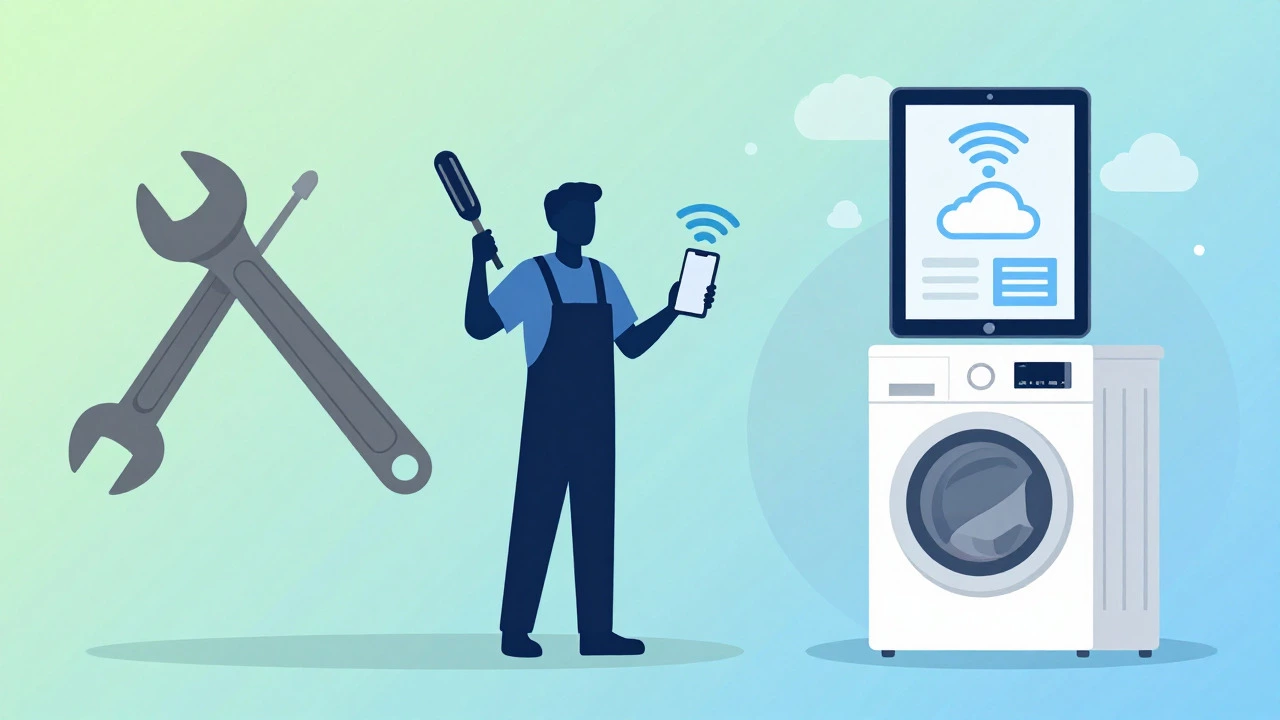
The role of the appliance specialist is evolving rapidly. With the rise of IoT (Internet of Things) connected appliances, technicians are now part IT support. Smart fridges that order milk automatically or washers that diagnose themselves via Wi-Fi require specialists who can troubleshoot network connectivity and firmware updates alongside mechanical issues.
In Auckland and across New Zealand, we’re seeing a shift towards sustainability. Specialists are increasingly focused on extending the lifespan of appliances rather than replacing them. This includes remanufacturing parts, upgrading energy-efficient components, and advising on eco-friendly usage patterns. The green economy is turning appliance repair into a critical service for reducing e-waste.
How to Choose the Right Specialist
Not all specialists are created equal. Here’s how to vet them:
- Check Reviews: Look for consistent feedback on punctuality, cleanliness, and honesty. Avoid those with complaints about hidden fees.
- Ask About Pricing: Reputable specialists provide upfront labor rates and clear part costs. Beware of hourly rates that seem too low-they might cut corners on safety checks.
- Verify Insurance: Ensure they carry public liability insurance. If they damage your kitchen counter during repair, you want to be covered.
- Request References: For major jobs, ask for references from previous clients with similar appliances.
A good specialist will treat your home with respect. They’ll wear shoe covers, lay down drop cloths, and clean up after themselves. These small details reflect their professionalism and attention to detail.
Conclusion: Investing in Expertise
An appliance specialist is more than a repair person; they are a guardian of your home’s functionality and safety. Their expertise ensures that your expensive investments last longer, run efficiently, and operate safely. By understanding their role, you can make informed decisions about maintenance and repairs, ultimately saving time, money, and stress.
Next time your appliance acts up, remember: you’re not just hiring someone to fix a machine. You’re hiring a trained expert who understands the intricate balance of technology, mechanics, and safety that keeps your home running smoothly.
How much does an appliance specialist charge?
Costs vary widely based on location and complexity. In New Zealand, typical call-out fees range from NZD $80 to $150. Labor rates average NZD $90-$130 per hour. Simple fixes like filter replacements may cost less, while major repairs involving control boards or compressors can exceed NZD $400. Always request a quote before work begins.
Do I need a specialist for every appliance issue?
No. Simple tasks like cleaning filters, checking power cords, or resetting breakers can often be done by homeowners. However, any issue involving gas, high voltage, refrigerants, or complex electronics should be handled by a certified specialist to ensure safety and warranty compliance.
What certifications should an appliance specialist have?
Look for manufacturer-specific certifications (e.g., Bosch, Samsung) and national trade qualifications. In New Zealand, Electric Fitters License is required for electrical work, and Refrigeration Technician registration is needed for handling gases. Always ask to see current credentials.
How long does a typical appliance repair take?
Most standard repairs take 1-3 hours. Complex issues requiring special-order parts may take several days. Diagnostic visits alone usually take 30-60 minutes. Ask the specialist for an estimated timeline during the initial assessment.
Can an appliance specialist upgrade my old appliance?
Some specialists offer retrofitting services, such as adding smart features, improving energy efficiency, or replacing worn-out components with upgraded versions. However, major upgrades may not be cost-effective compared to buying a new unit. Consult your specialist for a cost-benefit analysis.