Hot Water Troubleshooter
Follow the steps below to diagnose your issue. Click on each step to expand instructions.
Check Power Supply
Is electricity reaching the unit?Most hot water failures are simply tripped breakers or switched-off isolators.
Identify System Type
Different systems have different failure modes.Specific Diagnostics
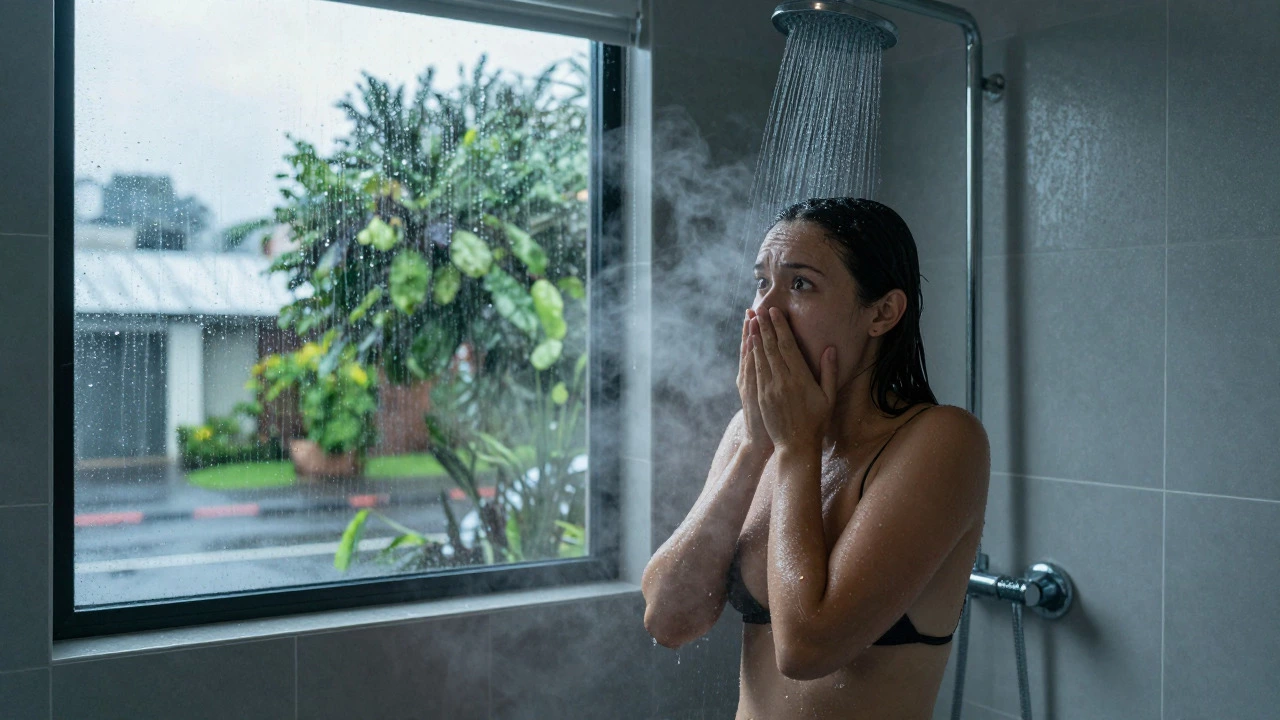
Check indicators and physical symptoms.There is nothing quite as shocking as turning on the shower and being hit with a blast of freezing cold water. It happens to everyone eventually. You step in, expecting warmth, and suddenly you are shivering, trying to figure out what went wrong. If your hot water has gone off, panic is not the answer. In most cases, the fix is simple, cheap, or at least something you can check before calling a plumber.
In New Zealand, especially here in Auckland where we rely heavily on our heating systems due to the damp climate, hot water issues are common. Whether you have an electric storage cylinder, a gas instantaneous heater, or a modern heat pump system, the reasons for failure usually fall into a few specific categories. Let’s walk through them so you can get warm again quickly.
The Power Supply: Is It Even On?
Before you start taking things apart or making phone calls, check the basics. It sounds obvious, but it is the number one cause of "mystery" hot water failures. Did someone trip the switch? Did a storm knock out the power briefly?
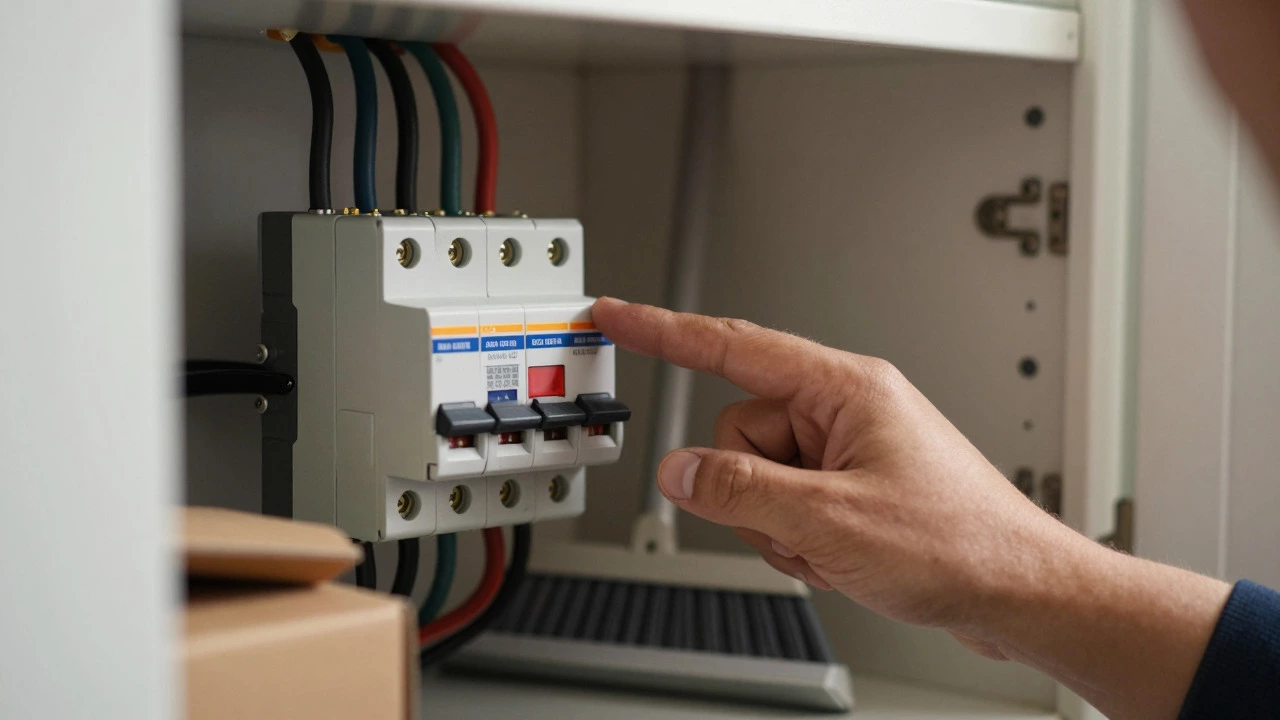
- Check your main power board: Look for any switches that have popped down. If you see a red indicator showing a tripped breaker, try resetting it. If it trips again immediately, stop. You have an electrical fault that needs a professional.
- Locate the isolator switch: Most hot water cylinders in NZ have a dedicated double-pole isolator switch nearby, often located under the stairs or in a cupboard near the unit. Make sure it is switched on (usually up).
- Look for LED indicators: Modern units often have small lights. A green light usually means power is present. No light? Check the fuse or the circuit breaker.
If you reset the power and hear a click, give it some time. Electric cylinders take a while to heat up. Instantaneous heaters should respond within seconds. If there is still no heat after ten minutes, move to the next step.
Thermostat Failure: The Silent Culprit
If the power is on but the water stays cold, your thermostat might be broken. The thermostat is the brain of your hot water system. It tells the heating element when to turn on and when to turn off. Over time, these components wear out.
For electric cylinders, there are usually two thermostats: an upper one for everyday use and a lower one for high-demand periods or sterilization. If the upper thermostat fails, you might get lukewarm water from the top taps but cold water from the bottom. If both fail, you get nothing but cold.
With gas systems like the popular Powerflame instantaneous gas water heaters commonly found in New Zealand homes, the thermostat controls the flame intensity. If it drifts out of calibration, the water temperature will fluctuate wildly or stay cold regardless of the setting.
Pro tip: If you have an older electric cylinder (more than 10-15 years old), the thermostat is likely corroded. Replacing it is a standard job for a licensed electrician or plumber, costing anywhere from $150 to $300 depending on access and labor rates in Auckland.
Gas System Specifics: Why Your Powerflame Might Be Acting Up
If you live in a home connected to the city gas grid, you probably have an instantaneous gas heater. These are efficient because they only heat water when you open the tap. However, they have moving parts and sensors that can fail.
| Symptom | Possible Cause | Action Required |
|---|---|---|
| No flame / Cold water | Ignition electrode dirty or failed | Call a gasfitter. Do not attempt DIY repair on gas lines. |
| Flame goes out intermittently | Faulty flow sensor or low gas pressure | Check if other gas appliances (oven, hob) are working. If yes, call a pro. |
| Error code displayed | System lockout due to safety fault | Note the code and contact support. Resetting may temporarily fix it, but the root cause remains. |
| Louder than usual noise | Scale buildup or fan issue | Schedule maintenance. Ignoring this leads to premature failure. |
One specific issue with older gas units is the thermocouple. This safety device ensures the gas valve closes if the pilot light goes out. If it gets dirty or weak, it might cut the gas supply even though the pilot is lit. Cleaning it with fine sandpaper sometimes helps, but replacement is safer and more reliable.
Heat Pump Hot Water Systems: The Modern Dilemma
New Zealand has seen a massive shift toward heat pump hot water systems over the last decade. They are energy-efficient and eligible for government subsidies. However, they behave differently than traditional electric or gas heaters.
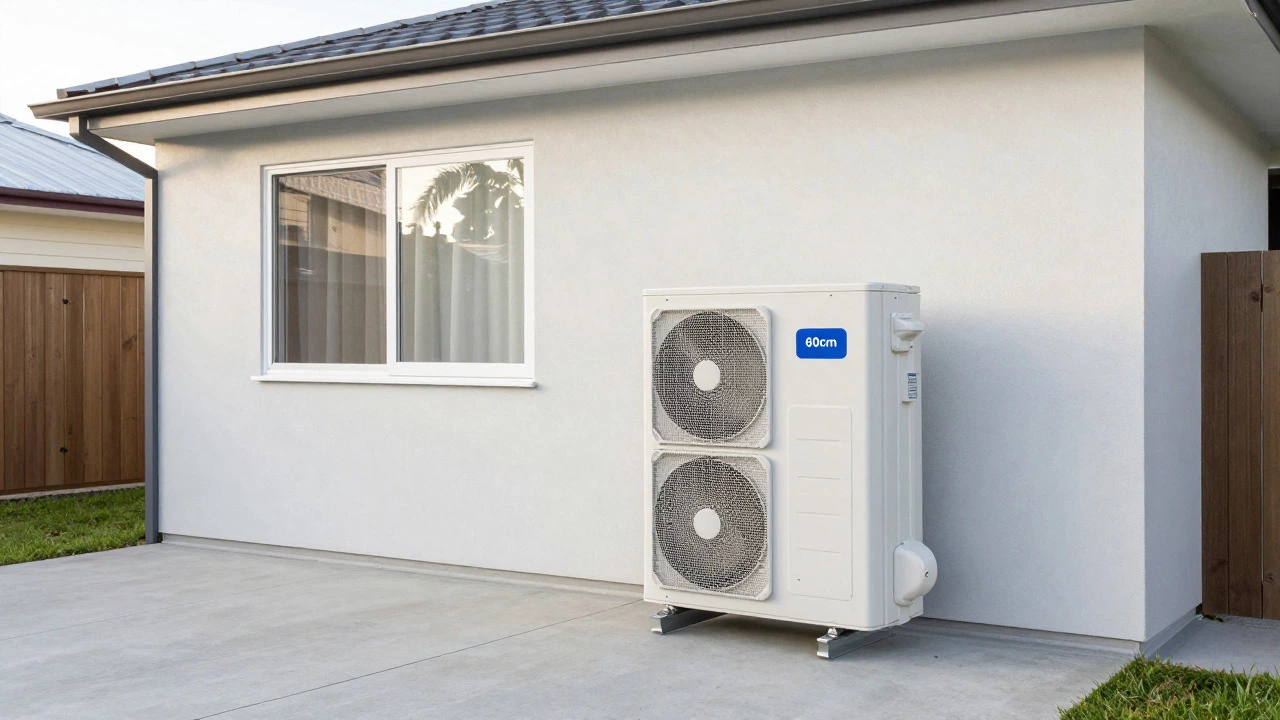
Heat pumps extract warmth from the air around them. If you live in a colder part of Auckland or if your unit is installed in an unheated garage, efficiency drops significantly. Here is why your heat pump might have stopped producing hot water:
- Airflow blockage: Heat pumps need space. If you stored boxes, bikes, or laundry near the unit, it cannot pull in enough warm air. Clear at least 60cm of space around all sides.
- Defrost mode: In winter mornings, the unit might run a defrost cycle to clear ice from the outdoor coil. During this time, it uses backup electric resistance heating, which is slower. Don’t panic if the water is lukewarm for an hour; it’s normal.
- Refrigerant leak: If the unit is running constantly but never heats the water, you might have a leak. This requires a certified technician to recharge the system.
Also, check the settings. Many heat pumps have an "Eco" mode that limits temperature to 45°C to save energy. If you need hotter water for sanitizing or large baths, switch to "Boost" or "Sterilize" mode via the remote control or app.
Solar Hot Water Systems: When the Sun Doesn't Shine
If you have solar panels on your roof, remember that they pre-heat the water, but they almost always have an electric or gas booster. On cloudy days, or during long showers, the solar contribution drops.
Check if your booster is kicking in. If the solar tank is full of cold water and the booster isn't firing, you might have a faulty diverter valve or a broken immersion element. Solar systems also suffer from pipe freeze damage in rare frost events, particularly if the pipes are poorly insulated. Inspect visible pipework for cracks or moisture leaks.
When to Call a Professional vs. DIY Fixes
Knowing when to stop tinkering is crucial for safety and cost-efficiency. In New Zealand, regulations are strict regarding gas and electrical work.
- DIY Safe: Checking power boards, resetting breakers, clearing airflow around heat pumps, checking thermostat settings, inspecting visible pipes for leaks.
- Call a Plumber/Electrician: Replacing thermostats, swapping out heating elements, fixing internal leaks, descaling tanks.
- Call a Licensed Gasfitter: ANY issue involving gas flames, gas valves, pilot lights, or error codes on gas units. Never touch gas connections yourself.
If your cylinder is leaking water from the bottom, do not wait. A leaking tank means the internal glass lining has cracked. Rust is eating away at the steel. The longer you wait, the bigger the mess. Replacement is inevitable, so book a new unit now.
Preventing Future Hot Water Failures
You can extend the life of your hot water system with minimal effort. Annual maintenance is key. For electric cylinders, flushing out sediment every two years prevents overheating and corrosion. For gas units, cleaning the burner and heat exchanger annually keeps them efficient and safe.
Also, consider installing a magnetic filter on your cold water inlet. Auckland's water supply contains minerals that build up scale inside pipes and heaters. Reducing this buildup saves you money on repairs and energy bills in the long run.
How long does it take for hot water to come back on after resetting the power?
For electric storage cylinders, it typically takes 1 to 2 hours to fully heat a 150-250 liter tank. Instantaneous gas heaters should provide hot water within 5 to 10 seconds of turning on the tap. Heat pumps may take longer in Eco mode, potentially 2-3 hours to reach maximum temperature.
Is it dangerous to reset a tripped hot water breaker?
It is generally safe to reset a breaker once. If it trips again immediately, there is a short circuit or earth fault. Keep resetting it can cause fire hazards. If it trips repeatedly, leave it off and call an electrician.
Why is my hot water lukewarm instead of hot?
This could be due to a partially blocked mixing valve, a failing thermostat set too low, sediment buildup insulating the heating element, or a mix of cold water entering the hot line due to a faulty check valve. Check your thermostat setting first; it should be between 60°C and 65°C for optimal hygiene and performance.
How much does it cost to fix a hot water cylinder in Auckland?
Minor repairs like thermostat replacements range from $150 to $300. Major repairs involving element changes or valve replacements can cost $300 to $600. Full unit replacement varies widely: basic electric cylinders start around $800-$1,200 installed, while heat pumps range from $2,500 to $4,500 including installation and potential subsidy claims.
Can I use my hot water if the power is out?
If you have a storage cylinder, you can use the remaining hot water stored in the tank until it cools down. Once empty, it will not reheat without power. Gas instantaneous systems will continue to work during a power outage as long as the gas supply is uninterrupted, unless the ignition system relies on electricity (most modern ones do, so check your model manual).