Electric Hob Damage Risk Calculator
Check Your Habits
Select any statements that apply to your current cooking routine.
Risk Assessment
Select your habits above to calculate your potential risk of damaging your electric hob.
Imagine sliding a hot cast-iron skillet across your pristine kitchen surface, only to hear that sickening *crack* echoing through the room. One moment you’re making dinner; the next, you’re staring at a spiderweb of fractures running through your expensive electric hob is a flat cooking surface powered by electricity, typically featuring ceramic or glass-ceramic tops with hidden heating elements beneath. It’s frustrating, messy, and surprisingly common. But why does this happen? Is it just bad luck, or did something go wrong?
A cracked electric hob isn’t usually caused by one single mistake. Instead, it’s often the result of a combination of factors-thermal stress, physical impact, and sometimes, manufacturing flaws. Understanding these causes can help you prevent future damage and decide whether your hob needs a simple fix or a full replacement.
The Silent Killer: Thermal Shock
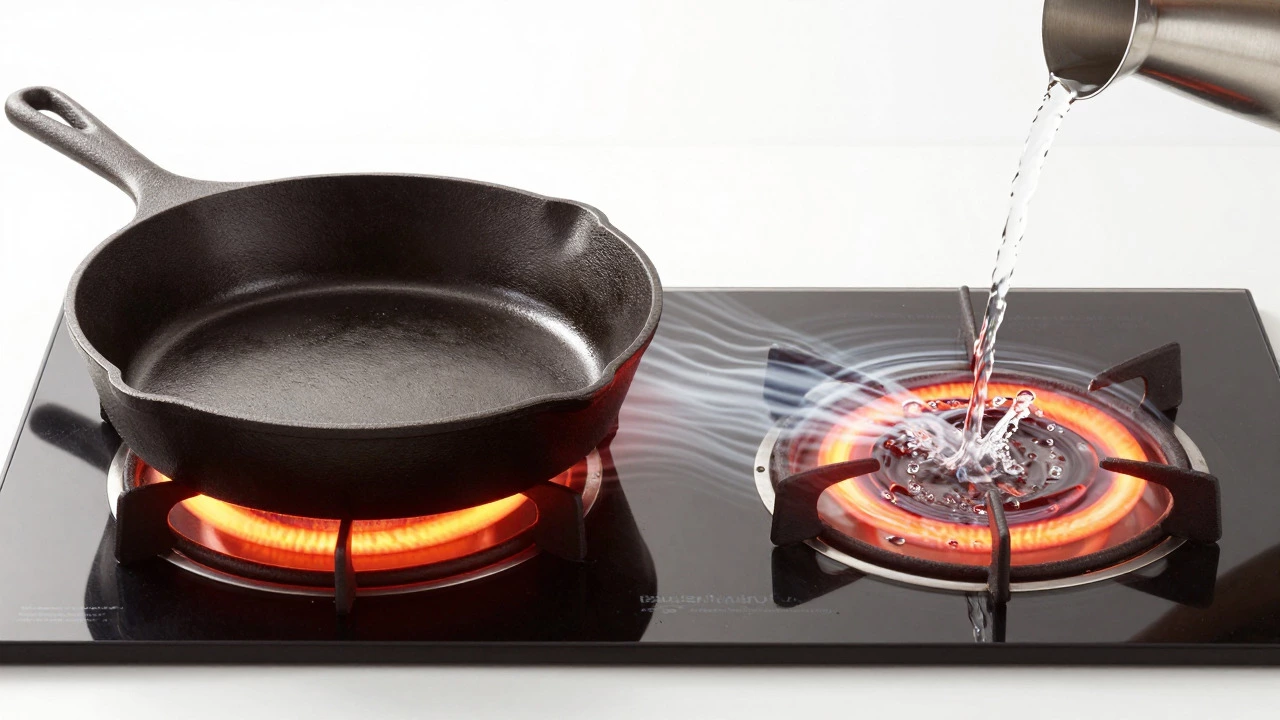
The number one reason for a cracked ceramic hob (the technical term for most modern electric hobs) is thermal shock. This happens when the glass surface experiences a sudden, extreme change in temperature. Glass-ceramic materials are tough, but they aren’t invincible. If you place a cold pan on a scorching hot zone, or pour cold water onto a boiling-hot surface, the rapid contraction creates internal stress that the material can’t handle. The result? A crack.
Think about it like this: if you take a thick glass mug out of the freezer and immediately fill it with boiling coffee, it might shatter. Your hob faces similar stresses every time you cook. To avoid this:
- Never place cold pots directly on heated zones.
- Avoid pouring water or other liquids onto hot surfaces.
- Let the hob cool down gradually after high-heat cooking before cleaning it with cool water.
Even small actions matter. For example, leaving a pot on a "keep warm" setting for hours while adding ice cubes to another dish nearby can create uneven heating patterns that weaken the glass over time.
Physical Impact: When Accidents Happen
Thermal shock isn’t the only culprit. Physical trauma plays a significant role too. Dropping a heavy lid, knocking over a bottle, or even dragging a sharp-edged pot across the surface can cause micro-fractures that eventually spread into visible cracks. These tiny imperfections may seem harmless at first, but they act as weak points where future stress concentrates.
Here’s what increases the risk of physical damage:
- Heavy cookware: Cast iron skillets and large stockpots exert more pressure on the glass than lightweight stainless steel pans.
- Sharp edges: Pots with chipped rims or warped bottoms scratch the surface, creating entry points for cracks.
- Dropping objects: Even dropping a metal spoon can leave a dent that compromises structural integrity.
If you’ve ever dropped something heavy on your hob, inspect it closely under bright light. Look for faint lines or cloudy spots-these could be early signs of trouble.
Manufacturing Defects and Installation Issues
Sometimes, the problem lies beyond your control. Manufacturing defects can occur during production, leading to weak spots in the glass-ceramic panel. While rare, these issues tend to show up within the first year or two of use. Similarly, improper installation can put undue strain on the hob. If the unit isn’t level or secured properly, vibrations from cooking appliances or foot traffic can cause gradual fatigue in the material.
To minimize risks associated with installation:
- Ensure the countertop is completely flat and stable.
- Follow manufacturer guidelines for spacing around the hob to allow proper ventilation.
- Hire a qualified technician to install the appliance, especially if it involves electrical connections.
If your hob cracks shortly after purchase, check whether it’s still under warranty. Many brands offer coverage for manufacturing defects, so don’t hesitate to file a claim.
Cleaning Mistakes That Damage Your Hob
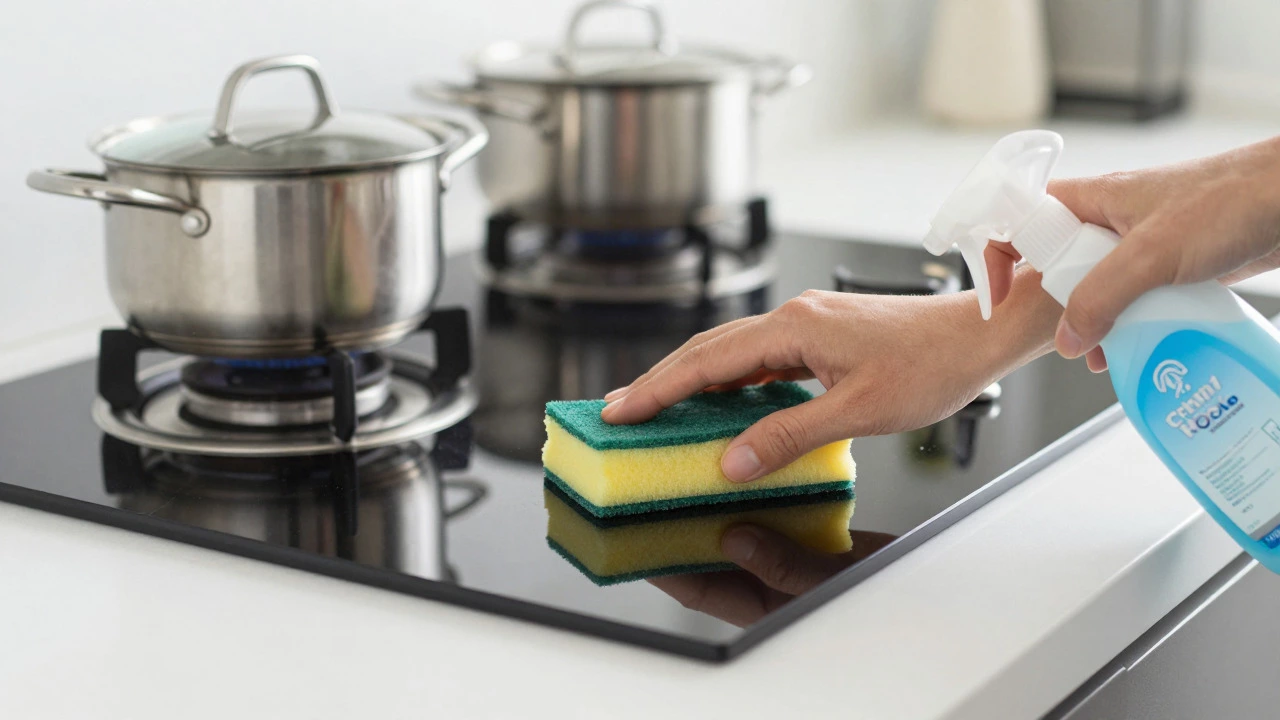
Believe it or not, how you clean your hob matters just as much as how you cook on it. Using abrasive cleaners, steel wool, or harsh chemicals can wear down the protective coating on the glass surface. Over time, this makes the hob more susceptible to scratches and cracks.
Here’s how to clean safely:
- Use a soft sponge or cloth dampened with mild soap and warm water.
- For stubborn stains, apply a specialized ceramic hob cleaner designed for gentle yet effective cleaning.
- Avoid acidic substances like vinegar unless recommended by the manufacturer.
- Wipe away spills immediately to prevent sugar or starch residues from baking onto the surface.
One pro tip: always let the hob cool completely before wiping it down. Cleaning a warm surface traps moisture underneath, which can lead to warping or discoloration.
When to Repair vs. Replace
So, you’ve got a crack. Now what? The decision between repairing and replacing depends on several factors:
| Factor | Repair | Replace |
|---|---|---|
| Crack Size | Small hairline cracks (<5cm) | Large fractures spanning multiple zones |
| Age of Hob | Newer models (<3 years old) | Older units showing general wear |
| Cost | $100-$300 depending on severity | $500+ for new installations |
| Safety Concerns | No exposed wires or sparks | Visible wiring or frequent tripping |
If the crack is minor and doesn’t affect functionality, professional repair services can often seal it using epoxy resins or replace just the glass panel. However, if the damage extends deep into the heating elements or poses safety hazards, replacement becomes necessary.
Preventing Future Cracks
Once you understand why electric hobs crack, prevention becomes easier. Here are some practical steps to extend the life of your appliance:
- Invest in quality cookware: Choose flat-bottomed pots made of materials compatible with induction or radiant heat systems.
- Handle with care: Lift rather than slide heavy items across the surface.
- Maintain regular upkeep: Clean weekly to remove buildup that weakens the glass.
- Monitor usage habits: Avoid prolonged exposure to maximum temperatures without supervision.
- Check alignment periodically: Ensure your hob remains level and secure within its housing.
Additionally, consider upgrading to newer models equipped with advanced cooling technologies or reinforced glass panels. Brands like Bosch, Siemens, and Miele have introduced innovations aimed specifically at reducing breakage rates.
Frequently Asked Questions
Can I use my electric hob if it has a small crack?
It depends on the size and location of the crack. Small hairline cracks far from active heating zones may not pose immediate dangers, but larger fractures near power sources increase the risk of electrical faults. Always consult a certified technician before continuing use.
How much does it cost to repair a cracked electric hob?
Repair costs vary based on extent of damage and labor charges. Minor fixes range from $100 to $300, while extensive repairs involving component replacements can exceed $500. Compare quotes from local specialists to find competitive pricing.
What type of cleaner should I use on my ceramic hob?
Opt for non-abrasive, pH-neutral cleaners formulated specifically for glass-ceramic surfaces. Products containing ammonia or bleach should be avoided as they degrade the protective layer over time. Rinse thoroughly after application to eliminate residue.
Is it safe to walk barefoot near a cracked hob?
If the crack exposes underlying components, there’s potential for electric shock. Keep children and pets away until inspected. Wear closed-toe shoes when handling groceries or utensils close to damaged areas.
Do all electric hobs come with warranties covering cracks?
Most manufacturers provide limited warranties lasting one to five years, primarily addressing manufacturing defects. Normal wear-and-tear or user-induced damages typically fall outside coverage. Review policy details carefully upon purchase.