Extractor Fan Repair Diagnostic Tool
What is the primary symptom of your extractor fan?
Why?
Quick Summary: Who Should You Call?
- Call an Electrician: For flickering lights, dead power, burning smells, or installing a brand new unit.
- Call an Appliance Technician: For mechanical failures, strange rattling noises, or motor replacements.
- DIY (with caution): For cleaning dust off the blades or replacing a simple light bulb.
- Warning: Never touch internal wiring without the power off at the main breaker.
The Role of a Licensed Electrician in Fan Repair
When you bring in a Licensed Electrician is a qualified professional certified to install, maintain, and repair electrical wiring and components in residential and commercial buildings , you're paying for safety and compliance. An electrician is the perfect choice when the problem is rooted in the Electrical Circuit is a complete path that an electric current flows through to power a device . If your fan won't turn on at all, the issue could be a tripped breaker, a loose connection in the wall switch, or a faulty capacitor.
Electricians are trained to handle the high-voltage side of things. For example, if you're upgrading from an old, noisy model to a modern, quiet one, an electrician ensures the new unit is wired correctly to your home's power grid. They can also install Humidity Sensors is electronic devices that automatically trigger a fan to turn on when moisture levels in the air reach a certain threshold , which prevents mold growth without you having to remember to flip a switch.
When an Electrician Might Not Be the Best Fit
Here is where it gets tricky. A fan isn't just an electrical device; it's a mechanical one. If the fan is humming but not spinning, or if it's vibrating violently, the problem is likely mechanical. While many electricians can swap out a whole unit, they might not spend time diagnosing a worn-out bearing or a snapped belt. This is where an Appliance Repair Technician is a specialist trained in the mechanical and electrical repair of household appliances comes into play.
Think of it like a car. You wouldn't call an electrician to fix your transmission, even though the car uses electricity. Similarly, if your Extractor Fan is a ventilation system designed to remove moisture, smoke, and odors from indoor air and vent them outside has a clogged vent or a failed motor bearing, a technician who specializes in extractor fan repair will have the specific tools to dismantle the housing and fix the internal gears without replacing the entire system.
| Problem | Electrician | Appliance Tech |
|---|---|---|
| Fan has no power | Best Choice | Can do, but overkill |
| Loud rattling/grinding | May replace whole unit | Best Choice (Repairs motor) |
| New installation/wiring | Best Choice | Not qualified |
| Poor suction/Clogged duct | Not their specialty | Best Choice |
Common Extractor Fan Failures and Their Fixes
Before you reach for the phone, it helps to know what's actually happening. Most fans fail in one of three ways: electrical failure, mechanical wear, or airflow obstruction.
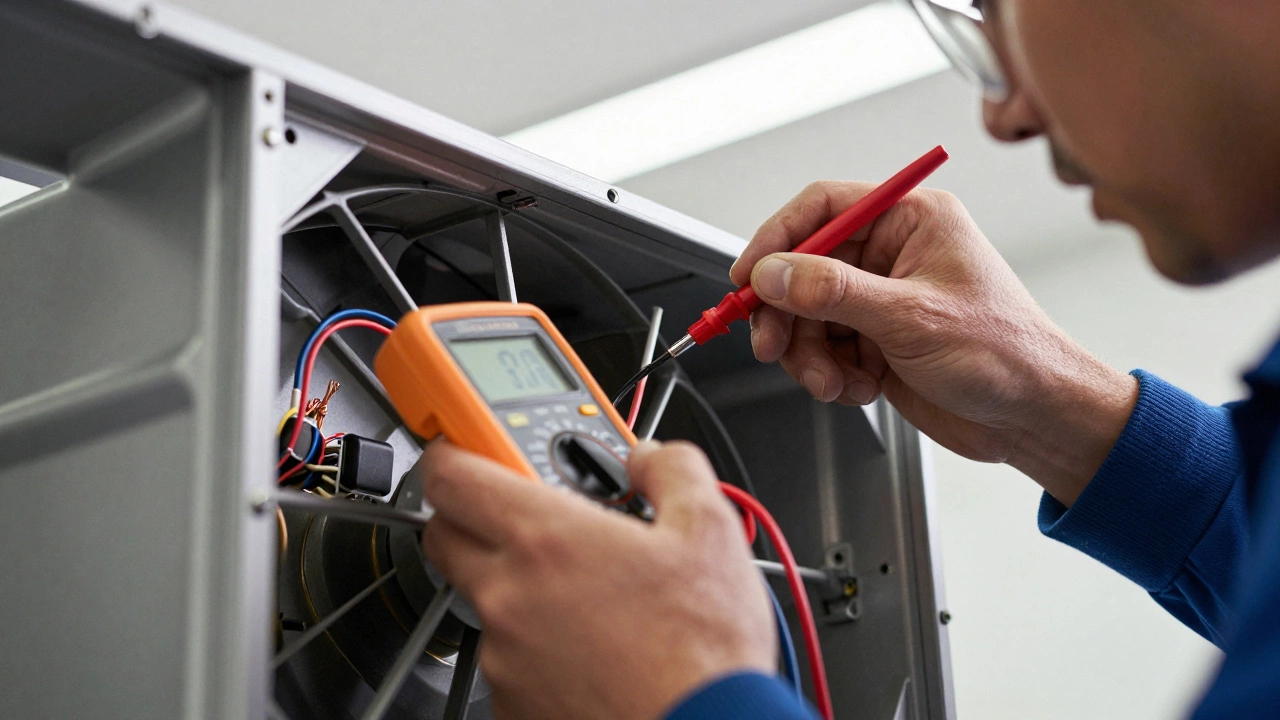
First, let's talk about electrical failure. This usually looks like a fan that simply refuses to start. A common culprit is the Capacitor is a component that stores electrical energy to help start the motor . If this tiny part burns out, the motor can't get the "kick" it needs to start spinning. An electrician can test this with a multimeter and swap it out in minutes.
Then there's the mechanical side. Over years of use, dust builds up on the Impeller is the rotating part of the fan that moves the air . This creates an imbalance, leading to that annoying wobble and loud noise. If the motor bearings have dried out, the fan will screech. In these cases, a deep clean or a bearing replacement is needed.
Lastly, there's the airflow issue. You might have a perfectly functioning motor, but if the Ducting is the piping system that carries air from the fan to the outside of the building is crushed or blocked by a bird's nest, the air has nowhere to go. You'll hear the fan running, but the steam stays in the room. This requires a physical inspection of the vents, often involving a technician who can run a camera through the pipes.
The Danger of the "Quick DIY Fix"
It's tempting to grab a screwdriver and poke around, but extractor fans are often located in the most dangerous place possible: near water. Whether it's a bathroom or a kitchen, moisture and electricity are a lethal combination. If you decide to clean your fan, always turn off the power at the consumer unit, not just the wall switch. Dusting the grill is fine, but once you start unscrewing the motor housing, you're entering the danger zone.
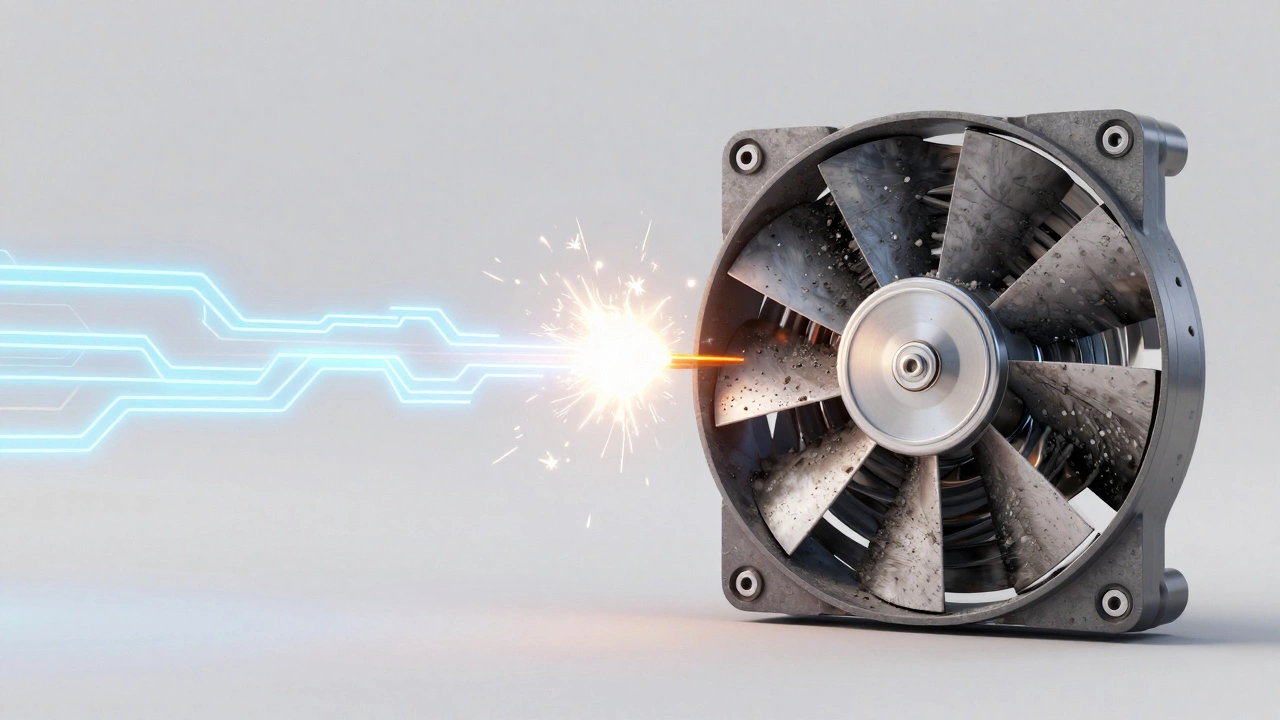
One common mistake is using a vacuum cleaner directly on the internal wiring. This can create static electricity that fries the control board of high-end fans. If you see any charred wires or smell something like burning plastic, stop immediately. This is a clear sign of an electrical short, and continuing to power the unit could lead to a house fire. This is exactly when you need a licensed pro to inspect the Wiring Loom is the bundle of electrical cables that connect different components of a system .

How to Choose the Right Professional for Your Home
If you're still unsure who to call, ask yourself a simple question: Is the problem with the power or the performance? If the power is gone, call the electrician. If the power is there but the performance is poor, call the appliance repair specialist.
When hiring, don't just look for the cheapest quote. Check for certifications. In New Zealand or the UK, for example, you want someone who is registered and insured. Ask them if they provide a guarantee on the parts they install. A reputable pro will be happy to explain why they're recommending a specific fix-whether it's a simple capacitor swap or a full replacement of the ventilation unit.
Can I just replace the motor myself?
Unless you are very comfortable with electrical wiring and have a way to safely isolate the power, it's not recommended. Most modern fans have integrated motors that require specific wiring. A mistake here can lead to short circuits or fire hazards. It's safer and often faster to have a pro do it.
Why is my fan making a loud buzzing noise but not spinning?
This is usually a sign of a failed start capacitor or a seized motor bearing. The electricity is reaching the motor (hence the buzz), but the motor can't overcome the friction or lacks the initial boost to rotate. An electrician can check the capacitor, while a technician can check the bearings.
How often should I have my extractor fan serviced?
You should clean the external grill every 3 to 6 months to prevent dust buildup. A professional check of the motor and ducting every 2 years is a good rule of thumb, especially in high-moisture bathrooms or greasy kitchens, to ensure the unit is venting efficiently.
Is it cheaper to repair or replace an extractor fan?
If the fan is over 10 years old, replacement is usually better. New models are significantly more energy-efficient and quieter. However, if it's a high-end, expensive unit and only needs a capacitor or a bearing fix, a repair is much more cost-effective.
Will an electrician install a new duct for my fan?
Most electricians handle the wiring and the unit installation, but they may not be experts in HVAC (Heating, Ventilation, and Air Conditioning) ducting. If you need new pipes run through your walls or roof, you might need a ventilation specialist to ensure the airflow is optimized.
Next Steps for Homeowners
If you're currently staring at a broken fan, start with a simple visual check. Look at the grill-is it choked with dust? If so, vacuum it carefully. Then, check your fuse box to see if a circuit has tripped. If those two things are fine, it's time to call in the pros. If you're replacing the unit entirely, consider a model with a timer or a humidity sensor to extend the life of the motor by only running it when necessary.