
Gas Appliance Troubleshooter
Before touching anything, answer this question:
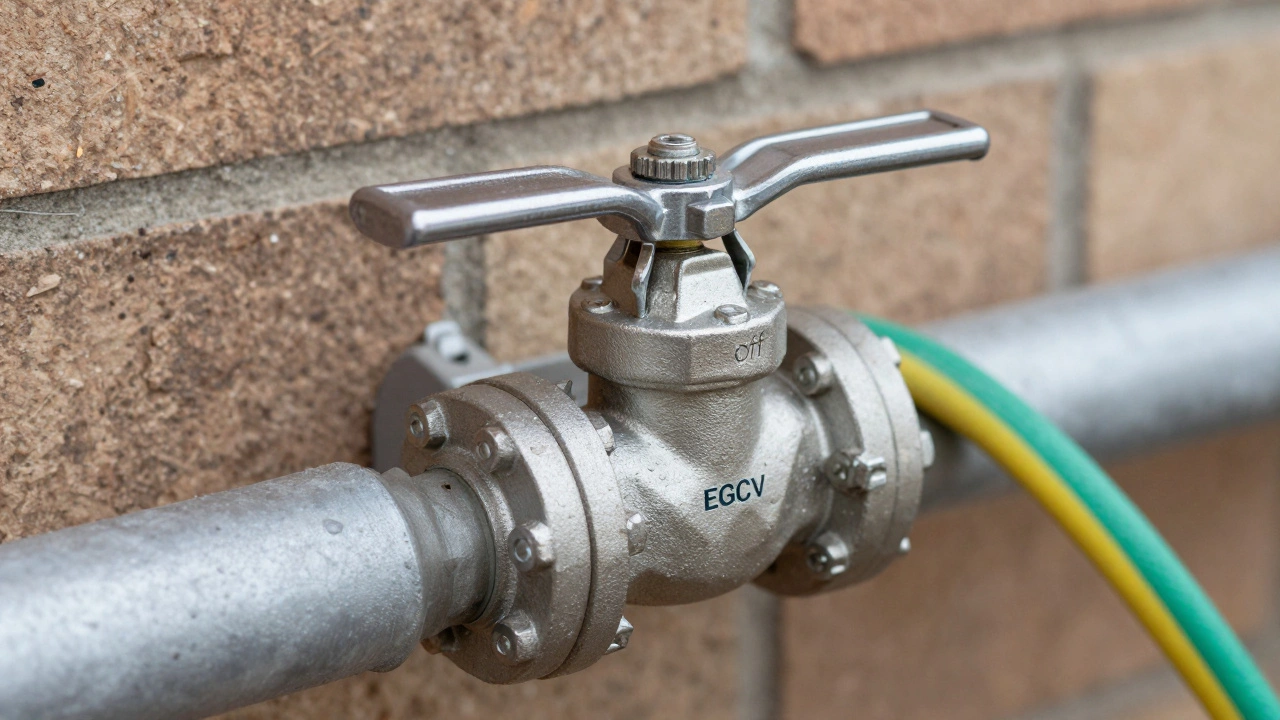
Go outside to your gas meter. Locate the Emergency Gas Control Valve.
Visual Guide
What is the position of the handle?
Modern appliances need electricity to spark. If the valve is fine, check these factors:
Quick Summary
- If none of your gas appliances are working simultaneously, the problem is almost certainly with your main gas supply, not individual devices.
- The first step is to check if your Emergency Gas Control Valve (EGCV) has been accidentally switched off or tripped.
- A sudden drop in pressure from your network provider (like Vector in Auckland) can cause all appliances to shut down for safety.
- Never attempt to fix internal gas lines yourself; always call a licensed gas fitter if you smell gas or suspect a leak.
- Modern appliances have safety cut-offs that require manual resetting after a power surge or pressure drop.
Imagine walking into your kitchen, ready to boil water for coffee, only to find the stove won’t light. You head to the living room and realize the heater isn’t firing up either. It’s frustrating, but it’s also a massive clue. When one appliance fails, it’s usually that specific machine. But when every single gas appliance stops working at the exact same time, you’re looking at a system-wide issue.
This isn’t a coincidence. Your home’s gas system works like a tree: one main trunk (the supply line) feeds several branches (your appliances). If the trunk gets blocked, every branch goes dry. Let’s walk through why this happens and how to get your heat and cooking back online safely.
The Most Common Culprit: The Emergency Gas Control Valve
In New Zealand homes, especially those built after the mid-1990s, there is a critical safety device installed on your external gas pipe. This is the Emergency Gas Control Valve (EGCV), often called the "emergency cock" or "shut-off valve."
This valve is designed to stop the flow of gas immediately if a leak is detected or if someone manually closes it. Here is the tricky part: these valves often look like standard pipe fittings. They are usually located outside your house, near where the gas meter connects to the wall or underground.
Check the handle. If the handle is perpendicular (at a 90-degree angle) to the pipe, the gas is off. If it is parallel to the pipe, the gas is on. Did you recently have gardeners working outside? Or perhaps a painter moving ladders around? It is incredibly common for someone to bump this valve by accident. A gentle nudge can trip the safety mechanism, cutting off gas to your entire home instantly.
Action Step: Go outside and locate the EGCV. Ensure the handle is aligned with the pipe. If it was off, turn it on slowly. Try lighting an appliance. If it stays lit, you’ve found the problem.
Network Pressure Drops and Safety Cut-Offs
If your valve is open and you still have no gas, look at the bigger picture. In Auckland, we rely on network providers like Vector to deliver natural gas through underground pipelines. Occasionally, maintenance work, road construction, or even a burst pipe elsewhere in the neighborhood can cause a temporary drop in gas pressure.
Your appliances aren’t dumb boxes; they have brains. Modern gas cookers, boilers, and heaters are equipped with pressure sensors. These sensors monitor the incoming gas flow. If the pressure drops below a safe threshold, the appliance assumes a dangerous situation-like a blockage or a leak-and shuts itself down to prevent carbon monoxide buildup or incomplete combustion.
This is known as a "lockout." Once the pressure stabilizes, the appliance doesn’t always restart automatically. It waits for you to reset it. This is why you might find that turning your stove knob does nothing, or your boiler displays an error code like "E1" or "Flame Failure."">
Action Step: Check local news or your network provider’s website for reported outages in your area. If there is a known outage, wait for it to resolve. Then, try resetting your appliances individually according to their manuals.
Power Outages Affecting Electronic Ignition
Here is a twist that catches many people off guard: electricity. Most modern gas appliances do not use standing pilot lights anymore. Instead, they use electronic ignition systems powered by mains electricity. Your gas oven needs power to spark the burner. Your combi boiler needs power to run its circulation pump and control board.
If you had a recent power flicker or blackout, your gas supply might be fine, but your appliances are "asleep." The control boards may have lost their memory or entered a safety standby mode. You might hear a click when you try to light the stove, but no flame appears because the spark module isn’t receiving consistent voltage.
Action Step: Check your circuit breaker. Has a fuse blown? Is the power actually on? If yes, unplug your major gas appliances (like the cooker or heater) for 30 seconds, then plug them back in. This forces a hard reset of the electronic controls.
When to Call a Professional: Signs of Serious Trouble
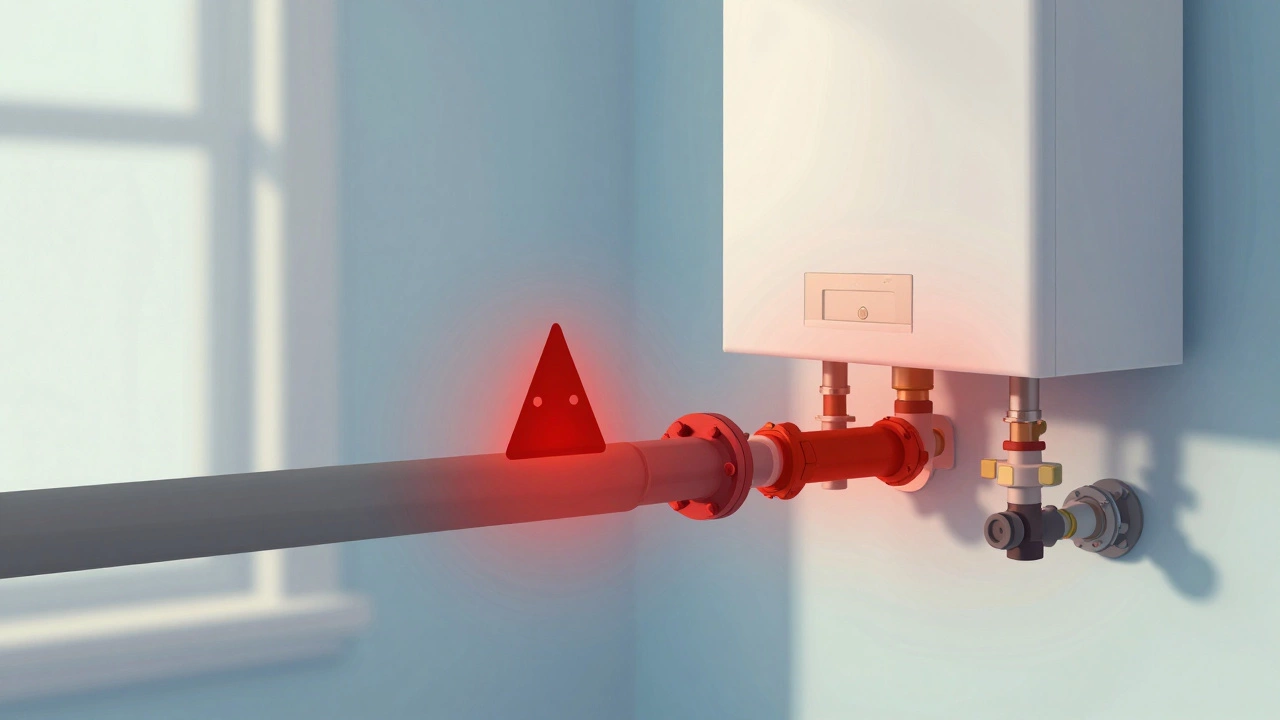
Sometimes, the issue isn’t simple. If you smell rotten eggs (the odorant added to natural gas for safety), evacuate your home immediately. Do not touch light switches, do not use phones inside the house, and do not try to light anything. Get outside and call your emergency gas number.
Even if you don’t smell gas, certain signs warrant a professional visit:
- You turned the EGCV on, but appliances still won’t light.
- You hear a hissing sound from the meter or pipes.
- One appliance works, but others don’t (this suggests a partial blockage or regulator failure).
- Your gas bill has suddenly spiked without increased usage (indicating a potential slow leak).
In New Zealand, only a licensed gas fitter can legally inspect, test, and repair gas installations. DIY repairs on gas lines are illegal and extremely dangerous. A licensed fitter will use manometers to check pressure at the meter and at each appliance outlet. They can determine if the issue lies with the network supply, the meter regulator, or your internal pipework.
Preventing Future Headaches
Once you’ve got everything running again, take a moment to secure your setup. Mark your EGCV clearly so visitors or contractors know not to touch it. Consider installing battery-operated carbon monoxide detectors near sleeping areas and any fuel-burning appliances. While CO doesn’t cause your appliances to stop working, it’s the silent killer associated with gas faults.
Also, keep your appliance service records up to date. Regular servicing ensures that burners are clean and pressure sensors are calibrated. A dirty burner can mimic a supply issue by failing to ignite reliably. By understanding how your gas system connects-from the street to your stove-you can troubleshoot quickly and safely next time the flames go out.
How do I know if my gas supply is off?
The easiest way to tell is to check your Emergency Gas Control Valve (EGCV) outside. If the handle is perpendicular to the pipe, the gas is off. Additionally, if none of your gas appliances can be lit despite having power, the supply is likely interrupted.
Can a power outage stop my gas appliances from working?
Yes. Most modern gas appliances require electricity to ignite. If the power goes out, the electronic ignition won’t spark. After power returns, you may need to reset the appliance by unplugging it briefly or following the manufacturer’s reset procedure.
What should I do if I smell gas but my appliances are off?
Evacuate your home immediately. Do not use electrical switches, phones, or open flames. Go outside to a safe distance and call your gas network provider’s emergency line or a licensed gas fitter. Do not re-enter until professionals declare it safe.
Is it legal to repair gas lines myself in New Zealand?
No. Only licensed gas fitters can perform inspections, testing, and repairs on gas installations. DIY work on gas lines is illegal and poses severe safety risks, including fire and explosion hazards.
Why did my gas appliances stop working during roadworks nearby?
Roadworks can damage underground gas pipes or cause temporary pressure drops. Your appliances’ safety sensors detect this low pressure and shut down to prevent unsafe operation. Wait for the work to finish and pressure to normalize, then reset your appliances.