Oven Problem Diagnostic Assistant
What is the main issue with your oven?
Checking Details
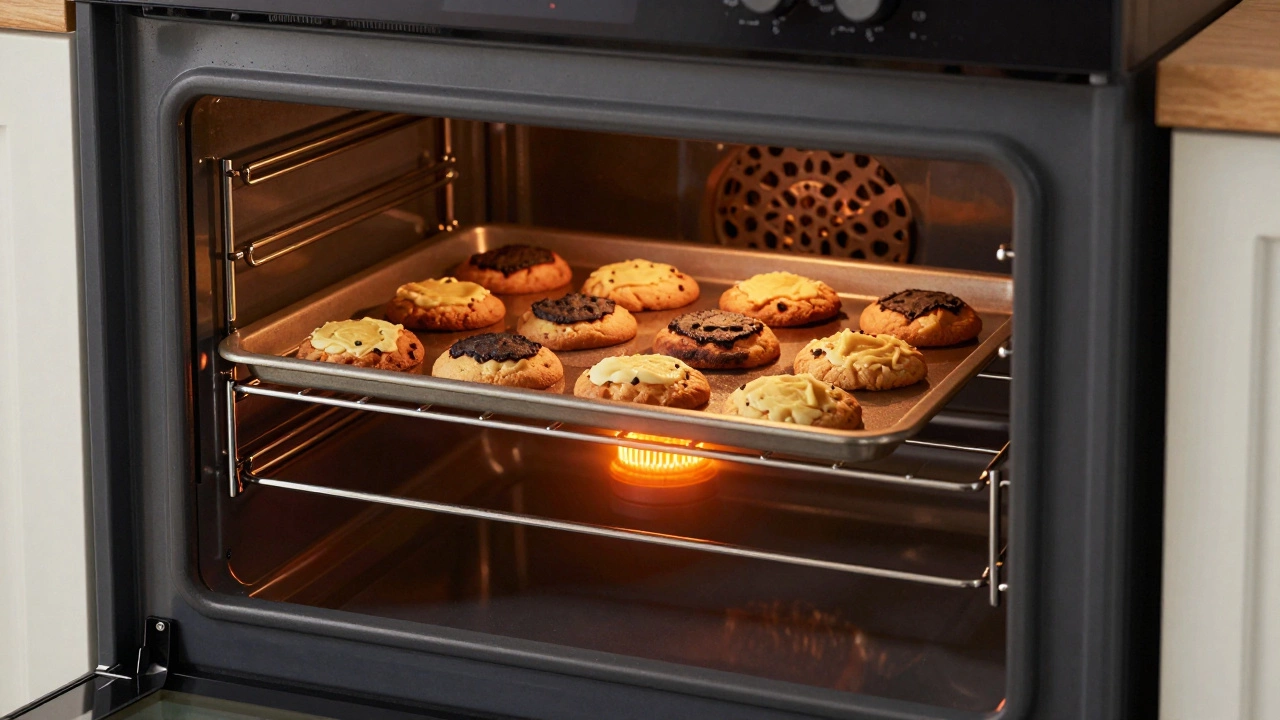
There is nothing worse than pulling a tray of cookies out of the oven only to find them raw in the middle or burnt on top. Or worse yet, you open the door and see absolutely no heat coming from inside. Before you call a technician and face a hefty service fee, it pays to know how to **diagnose an oven problem** yourself. Most common issues are simple fixes that save you time and money.
Whether your oven won’t turn on, heats unevenly, or displays a cryptic error code, this guide walks you through the logical steps to identify the culprit. We’ll cover safety first, then move through the most frequent electrical and mechanical failures found in modern electric ovens.
Safety First: The Non-Negotiables
Before you touch any screws or pull out any wires, you need to respect the power source. Ovens operate on high voltage-typically 240 volts in North America or 230 volts in Europe and other regions. This is enough to cause severe injury or death if mishandled.
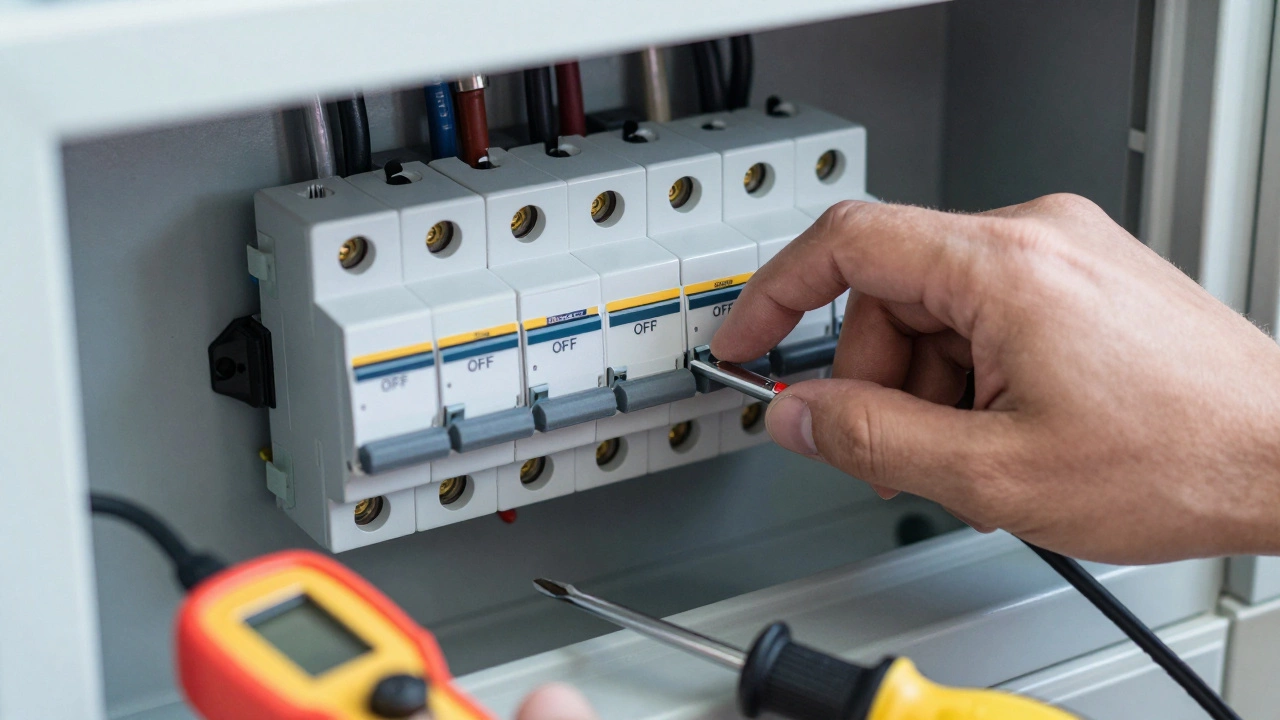
- Disconnect the power: Do not just turn the knob off. Go to your home’s main circuit breaker panel and flip the switch labeled "Range," "Cooktop," or "Kitchen" to the OFF position. If you have a fuse box, remove the corresponding fuses.
- Verify the power is off: Use a non-contact voltage tester or a multimeter to confirm there is no electricity flowing to the oven terminals. Never assume the breaker is working correctly.
- Let it cool: If the oven was recently used, give it at least an hour to cool down completely before removing panels.
If you are uncomfortable with any part of this process, stop immediately and call a professional. There is no shame in knowing your limits when dealing with household electricity.
Is It Really the Oven? Checking External Factors
Often, the problem isn’t the appliance itself but something external. Before tearing apart the back panel, rule out these simple causes:
- The Circuit Breaker: Check if the breaker has tripped. Sometimes a heavy load, like running the broiler and the dishwasher simultaneously, can trip the switch. Flip it fully off and then back on.
- The Control Lock: Many modern ovens have a "Control Lock" or "Child Lock" feature. If the lock icon is lit up on the display, the buttons won’t respond. Consult your manual to unlock it (usually by holding the "Clock" or "Lock" button for three seconds).
- The Power Cord: Inspect the cord where it enters the oven and the wall outlet for burns, fraying, or loose connections. A damaged cord can interrupt power flow.
Diagnosing Heating Issues: Elements and Thermostats
If the oven powers on but doesn’t get hot, or only gets warm, the issue usually lies with the heating elements or the temperature sensors. Electric ovens typically have two types of elements: the bake element (bottom) and the broil element (top).
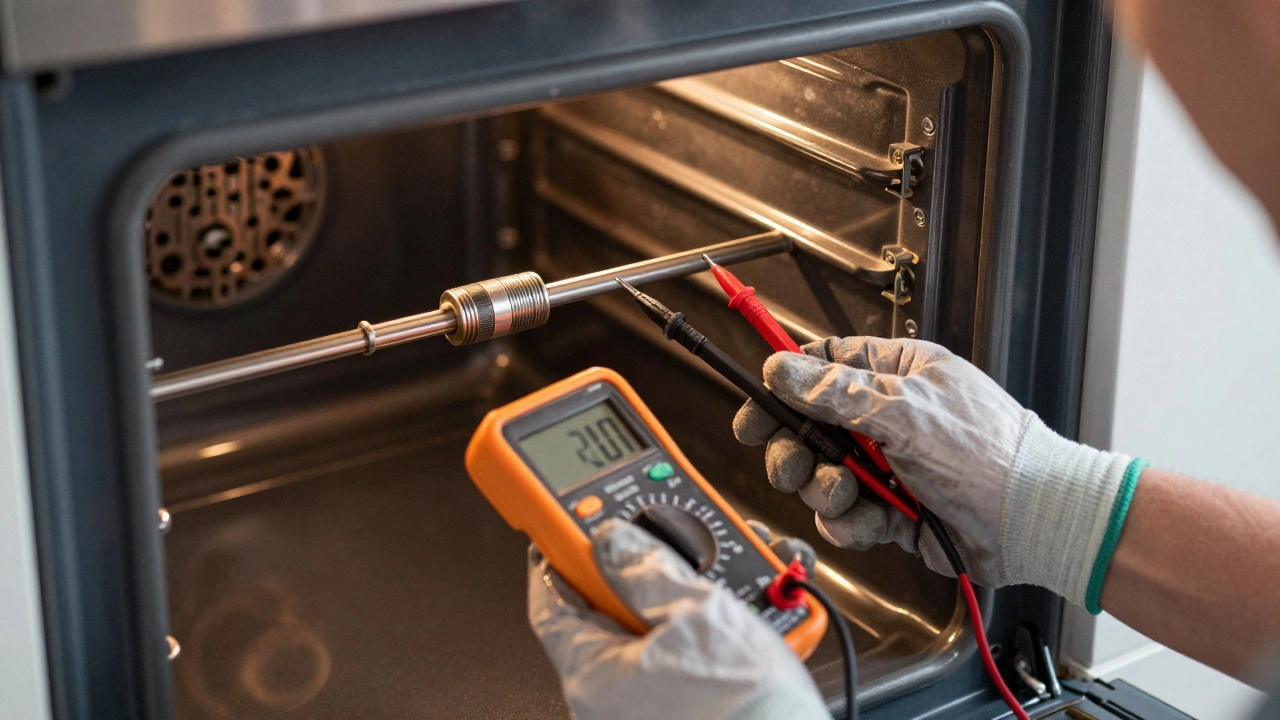
Bake Element is the primary heating coil located at the bottom of the oven cavity, responsible for maintaining consistent baking temperatures. Also known as lower heating element, it glows bright orange when functioning correctly. If it remains dark while the oven is set to bake, it is likely broken.To test the bake element, look for visible signs of damage. Bulges, blisters, or cracks in the metal tube indicate it has burned out. You can also use a multimeter to check for continuity. Set the multimeter to the resistance (Ohms) setting. Touch one probe to each terminal of the element. A reading between 10 and 30 ohms means the element is good. A reading of infinity (or OL) means the circuit is broken, and you need a replacement.
The Broil Element is the upper heating coil used for high-heat searing and browning works similarly. If your oven bakes fine but won’t broil, the top element is the suspect. Test it with the multimeter just like the bake element.
The Brain of the Operation: Temperature Sensors and Boards
If the elements glow but the oven still doesn’t reach the right temperature, the problem might be in the control system. Modern ovens rely on electronic components to manage heat precisely.
Oven Temperature Sensor is a thin metal rod protruding into the oven cavity that monitors internal temperature and sends data to the control board. Located at the back wall of the oven, it acts as the oven's thermometer. If it fails, the oven may overheat or underheat because the computer doesn't know when to cut power to the elements.You can test the sensor with a multimeter. Disconnect the wires from the back of the sensor (with power off) and measure the resistance across the two prongs. At room temperature (around 70°F or 21°C), the resistance should be approximately 108.3 ohms. If the reading is significantly different or shows no continuity, replace the sensor.
If the sensor checks out, the fault may lie with the Electronic Control Board is the central processing unit of the oven that interprets signals from sensors and controls power to heating elements. This is the most complex and expensive part to replace. Signs of a bad control board include:
- Error codes flashing repeatedly (e.g., F9, E0, or SF).
- The oven turning on and off randomly without user input.
- Visible scorch marks or burn smells coming from the control panel area.
Before replacing the board, try resetting the oven by unplugging it or flipping the breaker off for five minutes. Sometimes, a software glitch can mimic hardware failure.
Door and Seal Problems: Why Heat Escapes
An oven can have perfect electrical components but still fail to cook food properly if heat escapes. The door seal, or gasket, is critical for insulation.
Inspect the rubber or fiber gasket around the edge of the oven door. Look for tears, gaps, or areas where it has detached from the frame. To test the seal, close the door on a piece of paper. If you can pull the paper out easily without resistance, the seal is weak. A compromised seal forces the heating elements to work overtime, leading to uneven cooking and higher energy bills.
Additionally, check the door hinges. If the door sags or doesn’t close flush against the oven body, it breaks the vacuum seal. Tightening the hinge screws or replacing worn hinges can restore proper closure.
| Symptom | Likely Cause | Difficulty Level |
|---|---|---|
| Oven won’t turn on at all | Tripped breaker, blown thermal fuse, or faulty control board | Medium |
| Oven heats but doesn’t get hot enough | Failing bake element or inaccurate temperature sensor | Easy |
| Oven overheats or burns food | Stuck relay on control board or failed temperature sensor | Hard |
| Uneven cooking (cold spots) | Damaged door seal or misaligned door | Easy |
| Error code displayed | Communication error between sensor and control board | Medium |
Understanding Error Codes
Modern ovens communicate problems through alphanumeric codes. While every manufacturer uses different codes, some patterns are universal. For example, many brands use "F" followed by a number to indicate a fault. An "F5" often points to a communication error between the clock module and the control board. An "E6" might indicate an over-temperature condition.
Always refer to your specific model’s user manual for code definitions. These manuals are often available online by searching your model number plus "error codes." Ignoring these codes can lead to further damage, so address them promptly once diagnosed.
When to Call a Professional
While DIY diagnosis saves money, some issues require expert hands. Call a certified appliance repair technician if:
- You smell burning plastic or smoke coming from the control panel.
- The oven sparks internally during operation.
- You are unsure about handling high-voltage wiring.
- The problem persists after replacing obvious parts like elements or sensors.
Professional technicians have specialized tools, such as clamp meters and thermal cameras, that can pinpoint intermittent faults that are hard to detect with basic equipment. They also carry genuine replacement parts, ensuring compatibility and warranty coverage.
How much does it cost to fix an oven?
Costs vary widely depending on the part and labor. Replacing a heating element typically costs between $100 and $200, including labor. Control board replacements are more expensive, ranging from $200 to $400. Simple fixes like tightening a wire or replacing a door seal may cost less if you do it yourself.
Can I use a gas oven diagnostic method for an electric oven?
No. Gas ovens rely on igniters and gas valves, while electric ovens use heating elements and electronic controls. The diagnostic steps are entirely different. Always ensure you are following guides specific to your fuel type.
Why does my oven beep continuously?
Continuous beeping usually indicates an error code or a stuck button. Check the display for flashing lights. If no code appears, inspect the keypad for spills or debris that might be registering as continuous presses. Resetting the power often stops the beeping temporarily.
Is it safe to run the oven if the light bulb is burnt out?
Yes, it is perfectly safe to run the oven without the interior light. The light is independent of the heating system. However, replace the bulb soon so you can monitor your food. Ensure you use a heat-resistant oven bulb rated for high temperatures.
How often should I clean my oven to prevent problems?
Regular cleaning prevents grease buildup, which can interfere with heating elements and sensors. Wipe up spills immediately after the oven cools. Perform a deep clean every three to six months, depending on usage. Avoid using abrasive cleaners on the interior glass or seals.