Appliance Maintenance & Repair Decision Tool
Step 1: Identify Appliance
Step 2: Condition Check
Recommendation
Maintenance Guide:
- Frequency:
- Action:
Repair vs. Replace Analysis:
Ratio of repair to replacement cost:
Select an appliance and its condition to get expert advice on maintenance and repair costs.
Imagine your washing machine suddenly stops mid-cycle on a rainy Tuesday in Auckland. Or worse, your fridge gives up right before you stock up for the weekend. These moments are frustrating, but they often stem from one simple oversight: lack of regular care. You might wonder if modern appliances need regular professional servicing to extend lifespan and prevent costly repairs. The short answer is yes, but not all of them require the same attention.
We tend to treat our kitchen and laundry gadgets as invisible helpers until they break. But like cars or even our own health, preventive maintenance makes a massive difference. In this guide, we’ll look at which appliances actually benefit from scheduled servicing, how often you should do it, and what you can handle yourself versus when to call a pro.
Quick Summary / Key Takeaways
- Not every appliance needs annual professional servicing; focus on complex units like boilers, ovens, and rangehoods.
- Simpler devices like microwaves and toasters rarely need servicing unless they malfunction.
- DIY cleaning (filters, coils, seals) can double the life of many appliances and reduce energy bills.
- Professional servicing is most cost-effective for gas-powered units and built-in systems where safety is a factor.
- Ignoring maintenance leads to higher repair costs, shorter lifespans, and potential safety hazards.
Which Appliances Actually Need Professional Servicing?
Let’s be real: you don’t need to book a technician for your toaster. But some machines are more complex, dangerous, or expensive to fix if neglected. Here’s how to split them up.
| Appliance Type | Needs Pro Service? | Why? |
|---|---|---|
| Boilers | Yes | Safety risk (carbon monoxide), efficiency drops without cleaning |
| Gas Cookers/Ovens | Yes | Gas leaks, burner clogs, ignition issues |
| Rangehoods/Extractor Fans | Yes (annually) | Grease buildup causes fire hazard and poor airflow |
| Washing Machines | No (mostly DIY) | Drum clean, filter check, hose inspection |
| Refrigerators | No (unless cooling fails) | Clean coils, check seals, defrost manually if needed |
| Microwaves | No | Low complexity; replace if broken |
| Dishwashers | No (mostly DIY) | Clean spray arms, filters, and run vinegar cycle |
The key takeaway here is complexity and risk. Gas appliances involve combustion, so they’re non-negotiable for safety checks. Electric units with moving parts (like motors in dryers or pumps in dishwashers) can often be maintained by you-until something breaks internally.
How Often Should You Service Each Appliance?
Frequency depends on usage, type, and manufacturer recommendations. Most brands suggest annual checks for high-use items, but let’s get practical.
- Boilers: Every 12 months. This isn’t just about performance-it’s law in many places due to carbon monoxide risks.
- Gas Ovens & Cooktops: Annually, especially if used daily. Burners clog, igniters fail, and gas lines degrade over time.
- Rangehoods: Once a year for deep cleaning. Grease accumulates silently and becomes a fire trap.
- Washing Machines: Every 6-12 months for drum cleaning and hose checks. Rubber hoses burst unexpectedly, causing floods.
- Refrigerators: Coil cleaning every 6-12 months. Dirty coils make the compressor work harder, raising electricity bills.
- Dishwashers: Filter cleaning monthly; full internal clean quarterly.
If you live in a hard-water area (common in parts of New Zealand), scale buildup accelerates wear. That means more frequent descaling for kettles, coffee machines, and washing machines.
What Can You Do Yourself?
You don’t need to pay someone to wipe down your fridge or unclog a drain. Here’s what homeowners can safely handle:
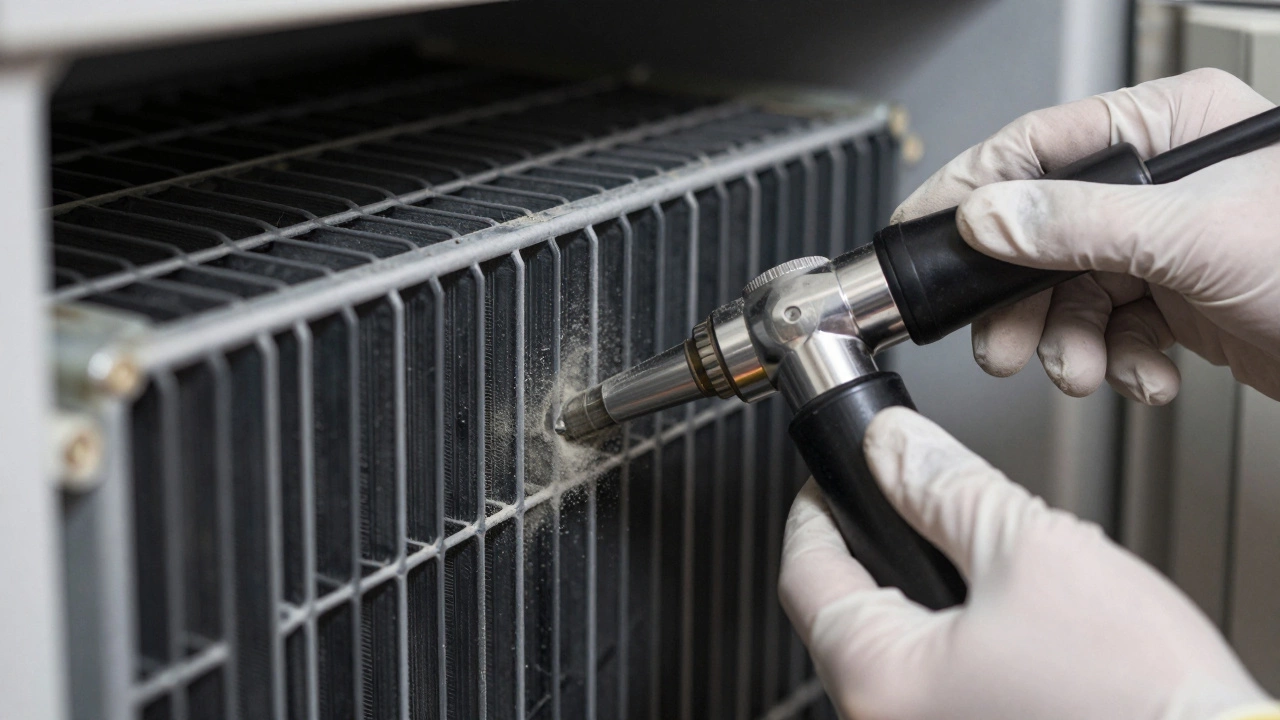
- Clean Condenser Coils: On fridges and freezers, dust reduces efficiency. Vacuum behind or below the unit every six months.
- Check Door Seals: Run a dollar bill through the seal. If it slips out easily, the gasket is worn. Replace it yourself-it’s cheap and easy.
- Descale Kettles & Coffee Makers: Use white vinegar or citric acid once a month. Hard water leaves calcium deposits that block flow.
- Clean Washing Machine Drum: Run an empty hot cycle with baking soda or specialized cleaner monthly. Prevents mold and odors.
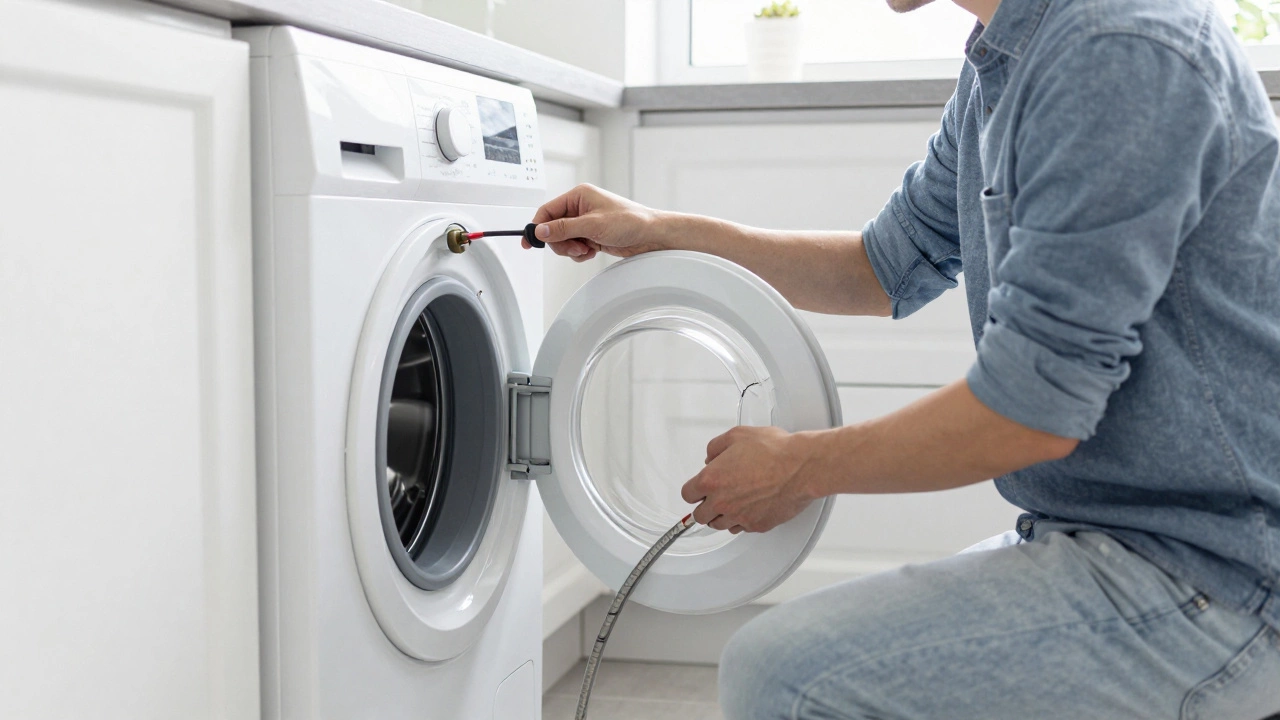
- Inspect Hoses & Connections: Look for cracks, bulges, or leaks on washing machine and dishwasher supply lines. Replace rubber hoses with braided stainless steel ones-they last longer.
These tasks take minutes but save hundreds in repairs. Plus, they keep your home smelling fresh and running efficiently.
When Is It Worth Calling a Professional?
Sometimes, DIY isn’t enough-or safe. Call a licensed technician when:
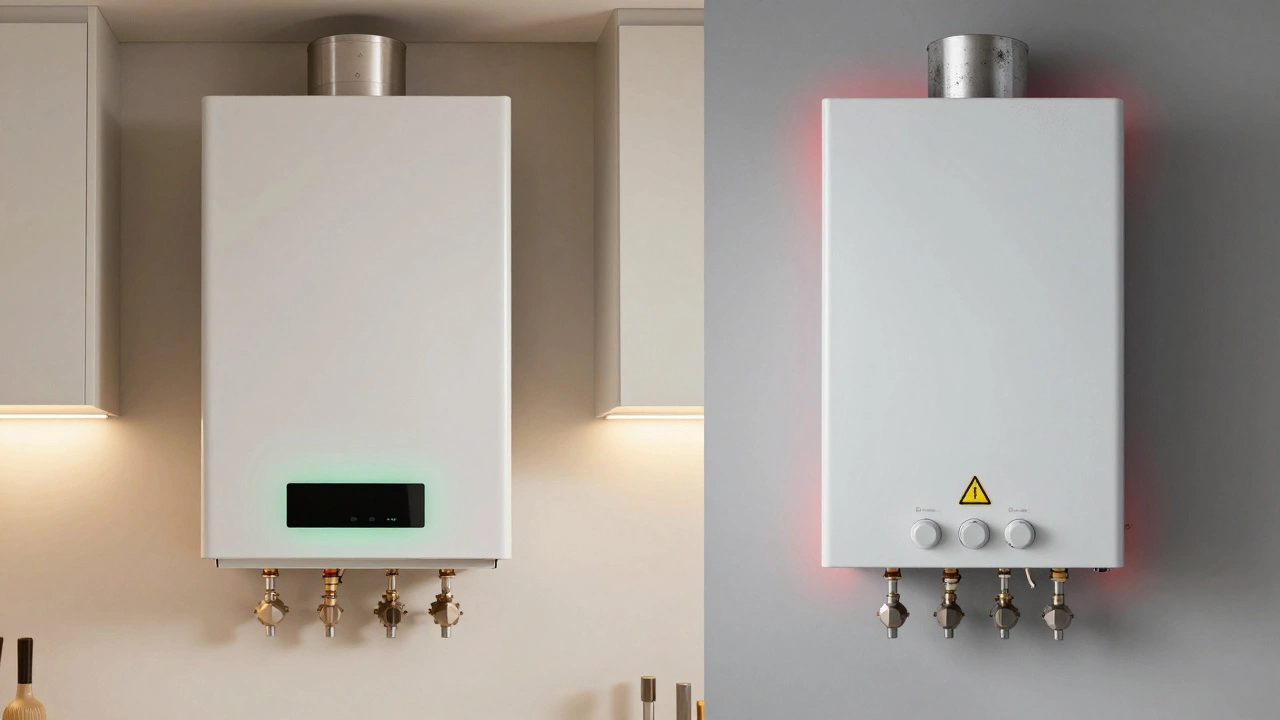
- Your boiler makes unusual noises, smells odd, or shows error codes.
- A gas appliance won’t ignite properly or smells like gas.
- An extractor fan runs loudly despite cleaning.
- A refrigerator isn’t cooling evenly or freezes food unintentionally.
- A washing machine vibrates excessively or leaks during spin cycles.
In Auckland, reputable appliance repair services typically charge between $80-$150 for a diagnostic visit. If the repair costs less than 50% of a new unit’s price, it’s usually worth fixing. Otherwise, consider upgrading-especially if the appliance is over eight years old.
Cost-Benefit Analysis: Servicing vs. Replacement
Here’s a rough breakdown to help you decide:
| Appliance | Avg. Service Cost | Avg. Replacement Cost | Recommendation |
|---|---|---|---|
| Boiler | $120-$200 | $2,500+ | Always service; never skip |
| Gas Oven | $90-$150 | $800-$1,500 | Service annually; replace after 10+ years |
| Washing Machine | $70-$120 | $600-$1,200 | Fix minor issues; replace if motor fails |
| Refrigerator | $100-$250 | $1,000-$2,500 | Repair compressor failures only if under warranty |
| Microwave | $50-$80 | $100-$300 | Replace rather than repair |
Notice the pattern? High-cost, long-life appliances (boilers, fridges) are worth maintaining. Low-cost, short-life items (microwaves, toasters) aren’t.
Signs Your Appliance Needs Immediate Attention
Don’t wait for total failure. Watch for these red flags:
- Unusual Noises: Grinding, squealing, or banging sounds indicate worn bearings or loose components.
- Burning Smells: Could mean electrical shorts or overheating motors.
- Water Leaks: Even small drips under washing machines or dishwashers signal hose or pump issues.
- Inconsistent Performance: Clothes not getting clean, dishes still dirty, or uneven cooking temperatures.
- Error Codes: Modern appliances display fault codes. Look them up online before calling a tech.
Catching problems early prevents secondary damage. A leaking washer hose can ruin flooring and cabinetry-a $150 fix turns into a $2,000 renovation.
Pro Tips for Extending Appliance Life
Beyond servicing, daily habits matter. Follow these rules:
- Use Correct Detergents: HE detergent for high-efficiency washers; avoid excess soap in dishwashers.
- Don’t Overload: Packing too much strains motors and reduces cleaning effectiveness.
- Ventilate Properly: Ensure rangehoods vent outside, not back into the kitchen. Recirculating filters trap grease.
- Level Your Appliances: An unlevel washing machine shakes violently, damaging mounts and floors.
- Keep Manuals Handy: They contain model-specific troubleshooting steps and maintenance schedules.
Small changes add up. A level washer lasts longer. A clean filter saves energy. A descaled kettle boils faster.
Common Mistakes Homeowners Make
Even well-meaning owners sabotage their appliances. Avoid these pitfalls:
- Ignoring Warnings: Error lights aren’t annoyances-they’re alerts.
- Using Harsh Cleaners: Abrasive pads scratch surfaces; bleach damages rubber seals.
- Skipping Filter Changes: Clogged filters reduce airflow and strain motors.
- Plugging Too Many Devices Into One Outlet: Causes voltage drops and tripped breakers.
- Assuming “No Problem” Means “No Maintenance”: Silent degradation happens constantly.
Prevention beats cure. Spend ten minutes weekly checking filters, wiping spills, and listening for odd sounds. It pays off.
Final Thoughts on Appliance Care
You don’t need to obsess over every gadget. Focus on the big players-the ones that heat, cool, or move water. Those are the workhorses. Treat them with respect, and they’ll serve you faithfully for years. Neglect them, and you’ll face surprise breakdowns, sky-high bills, and stress.
Start today. Pick one appliance, clean its filters, inspect its hoses, and schedule a service if needed. Your future self will thank you.
Do all appliances need annual servicing?
No. Only complex or hazardous units like boilers, gas cookers, and rangehoods require yearly professional checks. Simpler devices like microwaves, toasters, and blenders rarely need servicing unless they break.
How much does appliance servicing cost in Auckland?
Diagnostic visits typically range from $80 to $150. Full servicing for gas appliances may cost $120-$200. Always ask for quotes upfront and confirm whether labor and parts are included.
Can I service my own washing machine?
Yes. Clean the drum, check the filter, inspect hoses, and ensure leveling. For internal repairs like belt replacements or motor fixes, call a professional unless you have technical experience.
What happens if I skip boiler servicing?
Efficiency drops, leading to higher gas bills. More critically, carbon monoxide leaks become possible, posing serious health risks. Annual servicing is both economical and essential for safety.
How do I know when to replace an appliance instead of repairing it?
If repair costs exceed 50% of the replacement price, or if the unit is over 8-10 years old with recurring issues, replacement is usually smarter. Also consider energy efficiency gains from newer models.
Is it safe to clean condenser coils myself?
Yes. Unplug the appliance first, then use a vacuum brush attachment to remove dust from coils located behind or beneath the unit. Do this every six months to maintain cooling efficiency.
Why does my extractor fan smell bad even after cleaning?
Grease may have accumulated deep inside the ductwork or motor housing. Professional degreasing is required. Regular annual servicing prevents this buildup and maintains airflow.
Do smart appliances need different maintenance?
Smart features don’t change physical maintenance needs. However, keep software updated via manufacturer apps to ensure optimal performance and security. Physical cleaning remains unchanged.