Gas Hob Replacement Cost & Risk Calculator
- New Hob: $0
- Fittings/Tape: $35
- Labor: $0
- Certificate: N/A
- Total Out-of-Pocket: $0
Risks: Voided insurance, potential fire hazard, legal liability, lack of safety certification.
- New Hob: $0
- Fittings/Tape: Included
- Labor & Testing: $0
- Safety Certificate: Included
- Total Cost: $0
Benefits: Insurance coverage, leak detection, combustion analysis, peace of mind, legal compliance.
Imagine you’ve just bought that sleek new induction or gas hob you’ve been eyeing. It sits in the kitchen, shiny and ready to go. Then comes the nagging question: can I swap out my old one myself, or do I actually need to call in a professional?
If you are dealing with an electric hob, the answer is usually straightforward-you might be able to handle it if you’re handy with a screwdriver and know how to turn off the power at the mains. But if your new appliance uses gas, the stakes change instantly. Gas isn’t just electricity; it’s fuel. And messing with fuel lines incorrectly doesn’t just break your stove-it can fill your home with invisible, odorless carbon monoxide or cause a fire.
The short answer for most of us is yes, you absolutely need a qualified gas engineer. But why exactly is this rule so strict? Let’s look at the regulations, the risks, and what happens when you try to cut corners.
The Legal Reality: Who Can Touch Your Gas?
In many places, including the UK and New Zealand (where I’m based in Auckland), the law is very clear about who gets to work on gas appliances. This isn’t just red tape designed to make life difficult for homeowners. It’s a safety net built on decades of data regarding gas leaks and carbon monoxide poisoning.
In the UK, for example, only engineers registered with GAS SAFE the official government-recognized registration body for gas engineers are legally allowed to carry out work on gas appliances. If you hire someone who isn’t on this list, they are breaking the law. More importantly, if something goes wrong-like a leak or a fault-their insurance won’t cover it, and neither will yours.
Here in New Zealand, the rules are similarly tight under the Gas Industry Regulations legislation governing the safe installation and maintenance of gas systems. Only licensed gasfitters can install, alter, or repair gas fittings. A "licensed gasfitter" here means someone who has passed specific competency tests and holds a current license from WorkSafe NZ.
So, before you grab your wrench, ask yourself: are you a certified, insured, and legally authorized gas professional? If the answer is no, then replacing a gas hob is not a DIY job.
Why DIY Gas Work Is a Dangerous Gamble
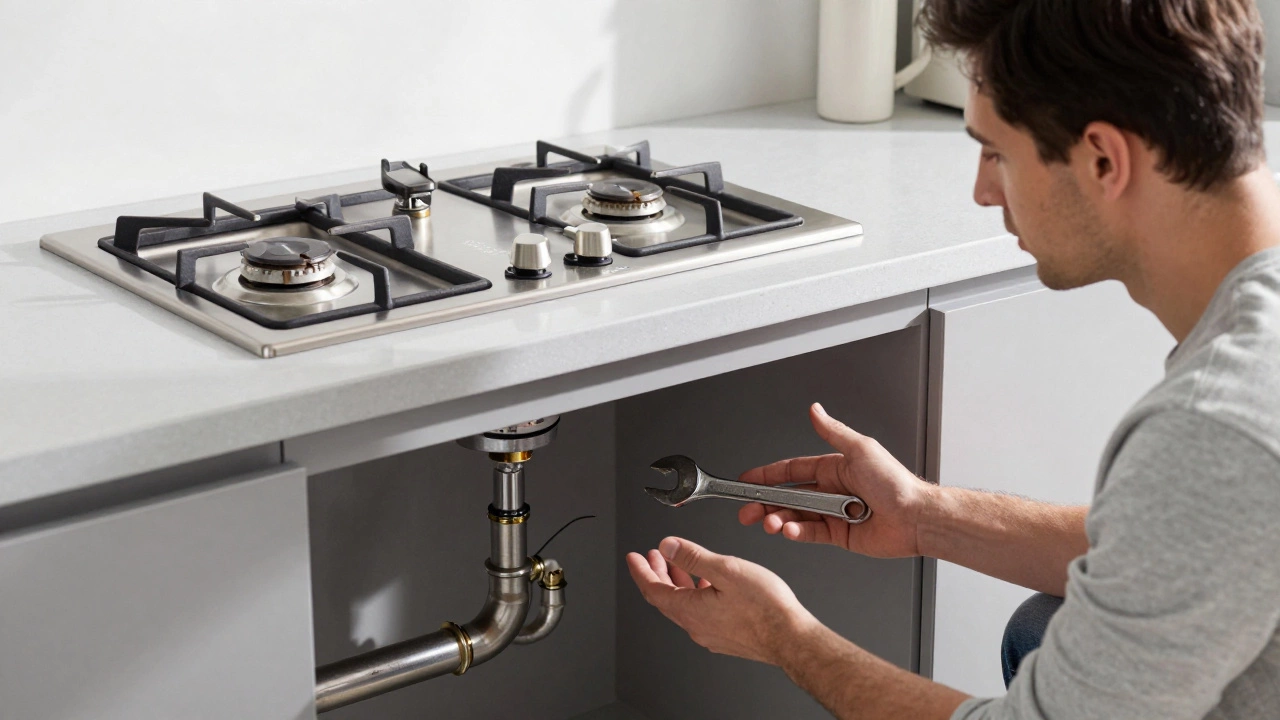
You might think, "It’s just unscrewing one pipe and screwing another one on." On paper, it sounds simple. In reality, gas connections require precision that most people don’t have the tools or training to achieve.
- Seal Integrity: Gas pipes use specific thread sealants or compression fittings. If you overtighten a fitting, you can crack the metal. If you undertighten it, gas seeps out slowly. Neither scenario is visible to the naked eye immediately.
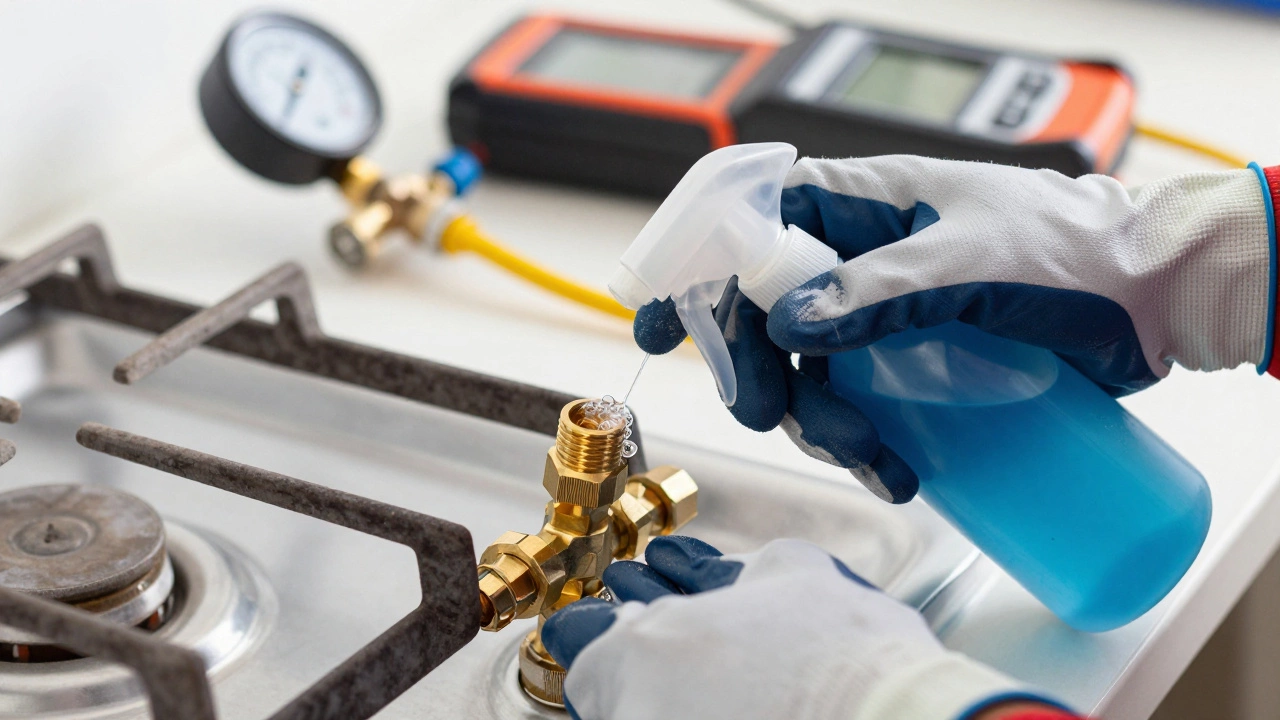
- Pressure Testing: After connecting a gas hob, a professional must pressure test the line to ensure there are no leaks. They use specialized manometers and leak detection solutions that react to even microscopic escapes. You likely don’t have these tools.
- Carbon Monoxide Risk: If the burner ports aren’t aligned correctly or the air mix is off, your hob might produce carbon monoxide instead of clean heat. This gas kills silently. It has no smell, no color, and no taste. You won’t know it’s there until it’s too late.
- Voided Insurance: Most home insurance policies explicitly state that any work done by unqualified individuals voids coverage for related incidents. If your house burns down because you installed the hob yourself, the insurer will likely deny your claim.
I’ve seen kitchens where a homeowner tried to save $150 on labor, only to spend thousands fixing dry rot caused by a slow gas leak that went undetected for months. The math rarely works out in favor of DIY gas work.
What Does a Gas Engineer Actually Do?
When you hire a Gas Engineer a certified professional trained to install and maintain gas appliances safely, you aren’t just paying them to tighten a nut. You are paying for their expertise, their equipment, and their liability.
A proper installation involves several critical steps:
- Site Assessment: They check if the existing gas supply line is compatible with your new hob. Some older homes have different pipe sizes or pressures than modern appliances require.
- Removal of Old Unit: Safely disconnecting the old hob without damaging the surrounding cabinetry or the gas valve.
- Installation: Connecting the new unit using approved materials (like PTFE tape rated for gas, or brass compression fittings).
- Leak Detection: Applying a bubble solution or electronic detector to every joint to ensure zero leakage.
- Combustion Analysis: Using a flue gas analyzer to check that the burners are burning efficiently and producing minimal harmful emissions.
- Documentation: Providing you with a certificate of compliance or installation record. This is crucial for future sales of your home or insurance claims.
This process takes less than an hour for a pro, but it ensures your family sleeps safely at night.
Electric Hobs: A Different Story
If your new hob is electric, the conversation changes slightly. Electric hobs plug into standard wall sockets or hardwire directly into the consumer unit (fuse box). While still potentially dangerous due to high voltage, the legal restrictions are often less stringent than for gas.
In the UK, Part P of the Building Regulations covers electrical work. Minor works like replacing a socket or a light fixture might be DIY-friendly if you follow strict guidelines, but installing a new circuit for a hob usually requires notification to the local building control authority. In New Zealand, all fixed electrical wiring must be carried out by a licensed electrician.
Even if it’s legal to DIY an electric hob connection in your area, consider this: electric hobs draw significant power (often 30-40 amps). An incorrect connection can overheat wires inside your walls, leading to electrical fires. If you aren’t comfortable working with live circuits and understanding amperage ratings, hire an electrician. It’s safer and often cheaper than fixing a burnt-out circuit board later.
Cost Breakdown: Professional vs. DIY
Let’s talk money. One of the biggest reasons people consider DIY is cost savings. Here is a realistic breakdown of what you might expect to pay in 2026.
| Item | DIY Cost | Professional Cost |
|---|---|---|
| New Gas Hob | $300 - $800 | $300 - $800 |
| Pipe Fittings/Tape | $20 - $50 | Included |
| Engineer Labor | $0 | $150 - $300 |
| Safety Certificate | N/A | Often Included |
| Potential Repair (if DIY fails) | $500+ | $0 |
While the upfront cost of hiring a gas engineer looks higher, it includes peace of mind. That $200 fee covers their insurance, their van, their tools, and their years of training. It also covers the liability if something goes wrong during the install. With DIY, you bear 100% of that risk.

How to Choose the Right Gas Engineer
Not all professionals are created equal. To ensure you get quality service, follow these steps:
- Check Credentials: Ask for their ID card. In the UK, verify their number on the GAS SAFE register website. In NZ, check their license status on the WorkSafe website.
- Get Quotes: Call at least three local engineers. Beware of quotes that seem too good to be true-they might be cutting corners on safety checks.
- Ask About Warranty: A reputable engineer will offer a warranty on their workmanship (usually 12 months). This means if the connection leaks next month, they come back and fix it for free.
- Read Reviews: Look for recent reviews mentioning punctuality, cleanliness, and clear communication.
A good engineer will arrive, show you their ID, explain what they’re doing, and leave your kitchen cleaner than they found it.
Signs Your Current Hob Needs Replacement
Sometimes, the decision to replace isn’t about upgrading style-it’s about safety. If your current gas hob shows any of these signs, don’t wait. Call a professional immediately:
- Rotten Egg Smell: Gas companies add an odorant to natural gas so you can smell leaks. If you smell this near your hob, evacuate and call emergency services.
- Yellow Flames: Gas flames should be blue. Yellow or orange flames indicate incomplete combustion, which produces carbon monoxide.
- Clicking Without Ignition: If the spark igniter clicks continuously but doesn’t light, you could be wasting gas and creating a hazard.
- Physical Damage: Cracks in the glass top or bent grates can affect airflow and stability.
Don’t ignore these warning signs. They are your home’s way of telling you something is wrong.
Can I replace a gas hob myself if I'm handy with tools?
No. Being "handy" is not enough. Gas work requires specific certification and legal authorization in most countries. Attempting to do it yourself is illegal, dangerous, and likely voids your home insurance.
How much does it cost to hire a gas engineer to replace a hob?
In 2026, you can expect to pay between $150 and $300 for labor, depending on your location and the complexity of the installation. This usually includes removal of the old unit and safety testing.
Is it cheaper to switch from gas to electric hob?
Switching to electric may save you on gas bills, but it requires an electrician to rewire the connection, which costs similar to a gas engineer. However, electric hobs generally have lower long-term running costs and no risk of gas leaks.
What happens if I install a gas hob illegally?
You face potential fines, criminal charges if someone is harmed, and total denial of insurance claims in case of fire or explosion. Additionally, you may struggle to sell your home without proof of compliant installations.
Do I need a certificate after a gas hob replacement?
Yes. Always ask for a Certificate of Compliance or Installation Record. This document proves the work was done safely by a qualified professional and is essential for insurance and property sales.