Boiler Failure Risk Estimator
- Immediate Action (0-24 hours): Check power, pressure, and error codes. Call a pro.
- Short-term Risk (1-3 days): Manageable with portable heaters; risk of dampness starts.
- Critical Zone (3+ days in winter): High risk of frozen pipes and structural water damage.
- Safety Priority: If you smell gas or see soot, the "how long" becomes "zero seconds." Get out now.
The Real Danger: It Is Not Just About Being Cold
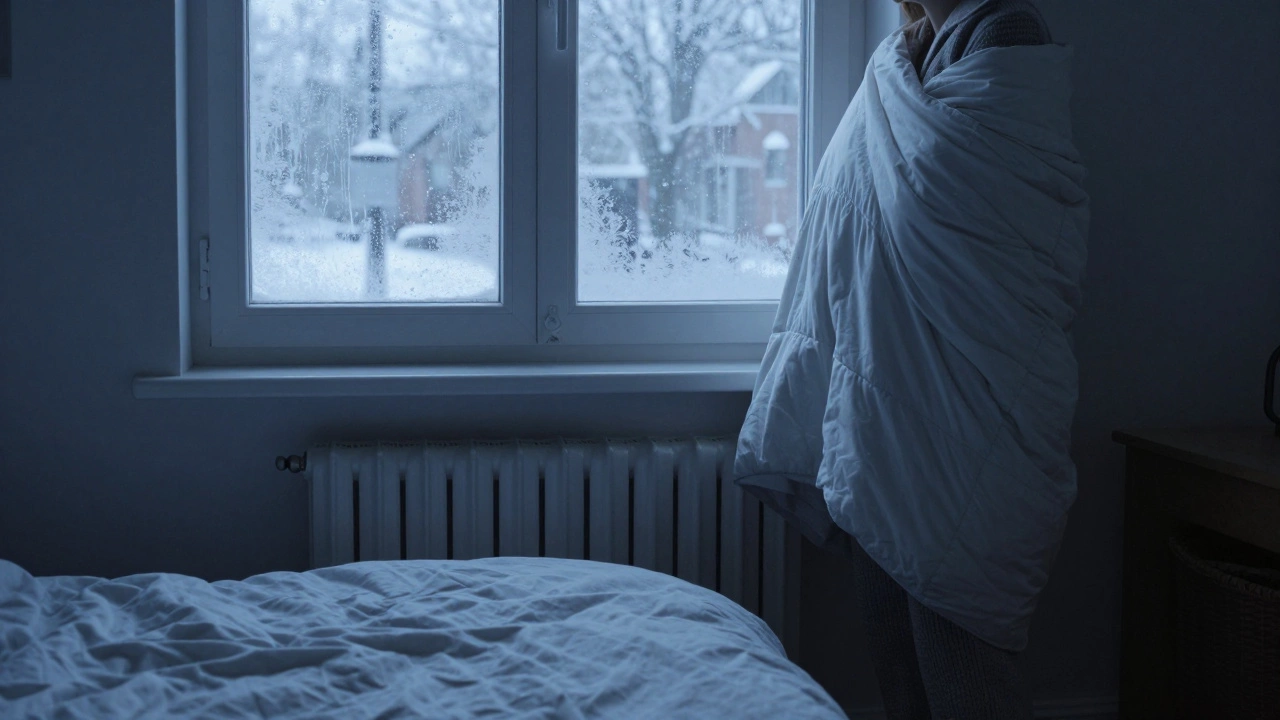
When people ask how long they can be left with a broken boiler is a heating system failure where the unit cannot produce heat or hot water, they usually think about shivering under three blankets. But the real enemy isn't the cold air; it's the water inside your walls.
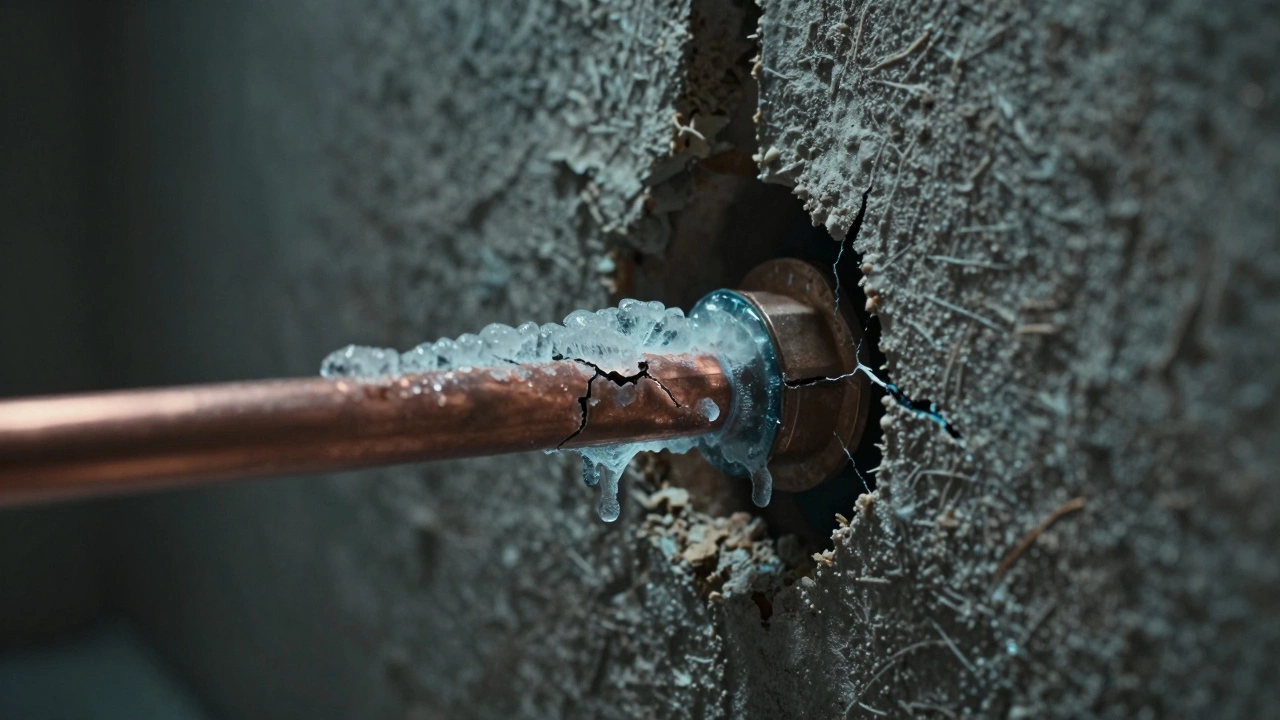
In a typical home, the heating system keeps the internal temperature of the walls and floors just above freezing. Once the heat disappears, the temperature inside the pipes drops. If you live in a climate where it hits sub-zero temperatures, water in your pipes can freeze and expand. This creates immense pressure that can literally split a copper pipe wide open. By the time you fix the boiler, you might find you've also got a flood in your living room.
Another issue is condensation. Without a consistent heat source, moisture in the air settles on cold surfaces. If your home stays cold and damp for more than a week, you're inviting Black Mold into your bedrooms and bathrooms. This isn't just an eyesore; it's a health hazard for anyone with asthma or allergies.
Identifying the Type of Failure
Not all boiler breakdowns are created equal. To know how long you can wait, you need to know what actually broke. A total system collapse is different from a partial failure.
If you have a Combi Boiler is a compact boiler that provides both heating and hot water instantly without a storage tank, a failure means you lose everything at once. No heat, no hot water. This is a high-priority emergency. However, if you have a traditional system with a Hot Water Cylinder is a large tank that stores hot water for use throughout the home, you might still have warm water for a few hours or a day, even if the radiators are cold. This gives you a slightly longer window to breathe, but the risk to your pipes remains the same.
| Duration | Risk Level | Primary Concern | Action Required |
|---|---|---|---|
| Under 24 Hours | Low | Personal discomfort | Troubleshoot & Book Engineer |
| 24 - 72 Hours | Medium | Dampness / Cold spots | Use space heaters / Layer clothes |
| 3 - 7 Days | High | Pipe freezing (Winter) | Urgent repair / Drain pipes |
| 7+ Days | Extreme | Structural mold / Burst pipes | Emergency intervention |
Temporary Survival Strategies
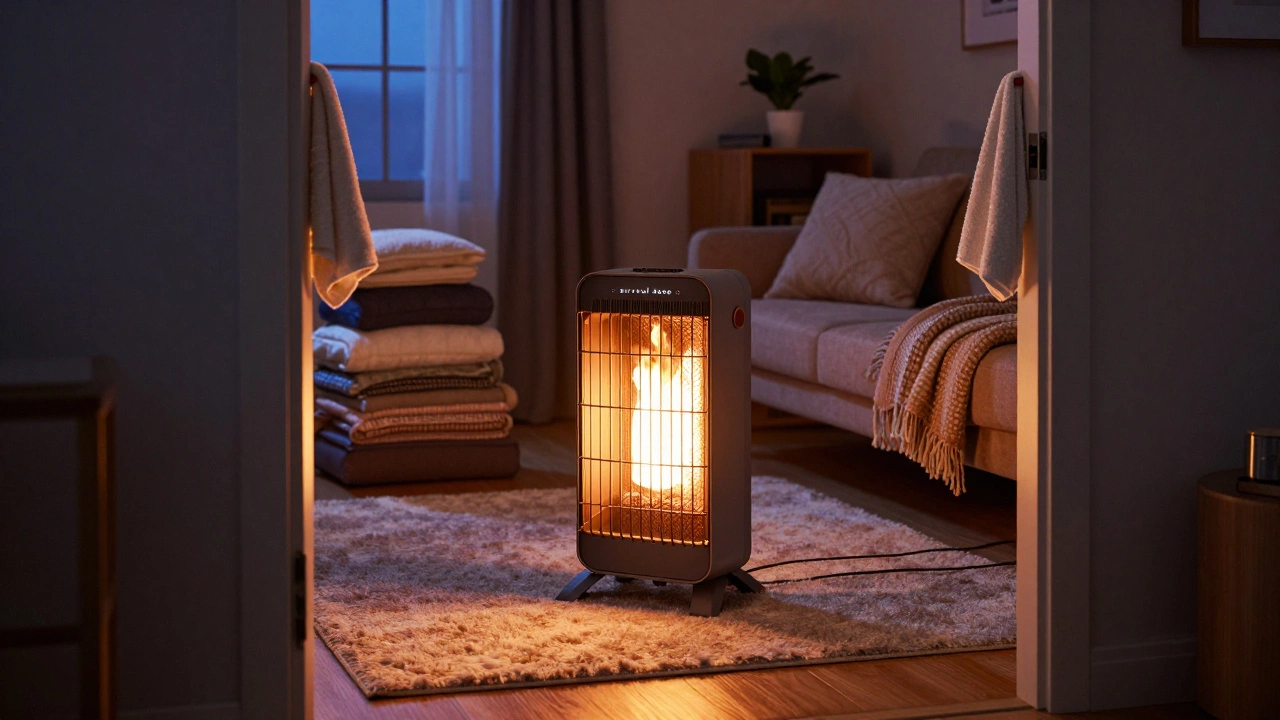
If you're stuck waiting for a part or an engineer, you can't just sit in the dark. You need a strategy to keep the house habitable and the pipes safe. First, focus on "zoning." Don't try to heat the whole house. Pick one room-usually the living room or a bedroom-and seal it off. Close the doors, put towels at the bottom of the door frames to stop drafts, and concentrate your portable heat there.
When using Electric Space Heaters is portable devices that convert electricity into heat to warm a small area, be careful. They are notorious for tripping circuit breakers if you plug too many into one extension lead. Only use one per socket. Also, keep them far away from curtains or bedding. It sounds obvious, but in a cold house, people get careless with how close they place heaters to blankets.
To protect your plumbing, keep your taps dripping. It sounds counterintuitive to waste water, but moving water is much harder to freeze than stagnant water. This small trickle can be the difference between a functioning pipe and a burst one during a cold snap.
When a "Wait" Becomes Dangerous
There are times when you cannot wait even an hour. If you notice a strong smell of gas, resembling rotten eggs, you are dealing with a leak. This is not a "call the repairman tomorrow" situation. This is a "get everyone out of the house and call the gas emergency line" situation.
Similarly, if you see soot marks around the boiler or the Pilot Light is a small, continuously burning flame used to ignite the main burner in a boiler has turned a lazy orange instead of a crisp blue, you might have a Carbon Monoxide leak. This gas is colorless and odorless, making it a silent killer. If you feel a sudden headache, dizziness, or nausea while the boiler is struggling, shut it off immediately and open every window in the house.
The Cost of Delaying Repairs
You might be tempted to wait until the weekend or the next paycheck to call a professional. However, a small leak in a Heat Exchanger is the component where heat is transferred from the combustion process to the water can quickly evolve. If a boiler is left off for weeks during winter, the internal seals can dry out and crack. What would have been a 2-hour fix involving a new sensor could turn into a full system flush and a complete replacement of the internal plumbing.
Moreover, insurance companies can be tricky. If you have a burst pipe caused by a boiler that you knew was broken but chose not to fix for two weeks, your insurer might argue that you failed to maintain the property, potentially leading to a denied claim for water damage.
Preparing for the Next Breakdown
The best way to ensure you aren't wondering how long you can survive without heat is to prevent the breakdown entirely. A yearly service is the gold standard. A qualified engineer can spot a failing pump or a corroded valve before it gives up the ghost in the middle of January.
Keep a "Winter Emergency Kit" in your cupboard. This should include a couple of high-quality electric heaters, heavy-duty blankets, and the phone number of a local, certified engineer. Having a pre-existing relationship with a repair service often means you get priority when everyone else in the city is calling for help during a cold spell.
Can I use my oven to heat the house while the boiler is broken?
Absolutely not. Using a gas oven as a heat source is incredibly dangerous. It can lead to a buildup of carbon monoxide in your home, which can be fatal. Ovens are designed for cooking food, not for heating living spaces.
How do I know if my boiler is actually broken or just needs a reset?
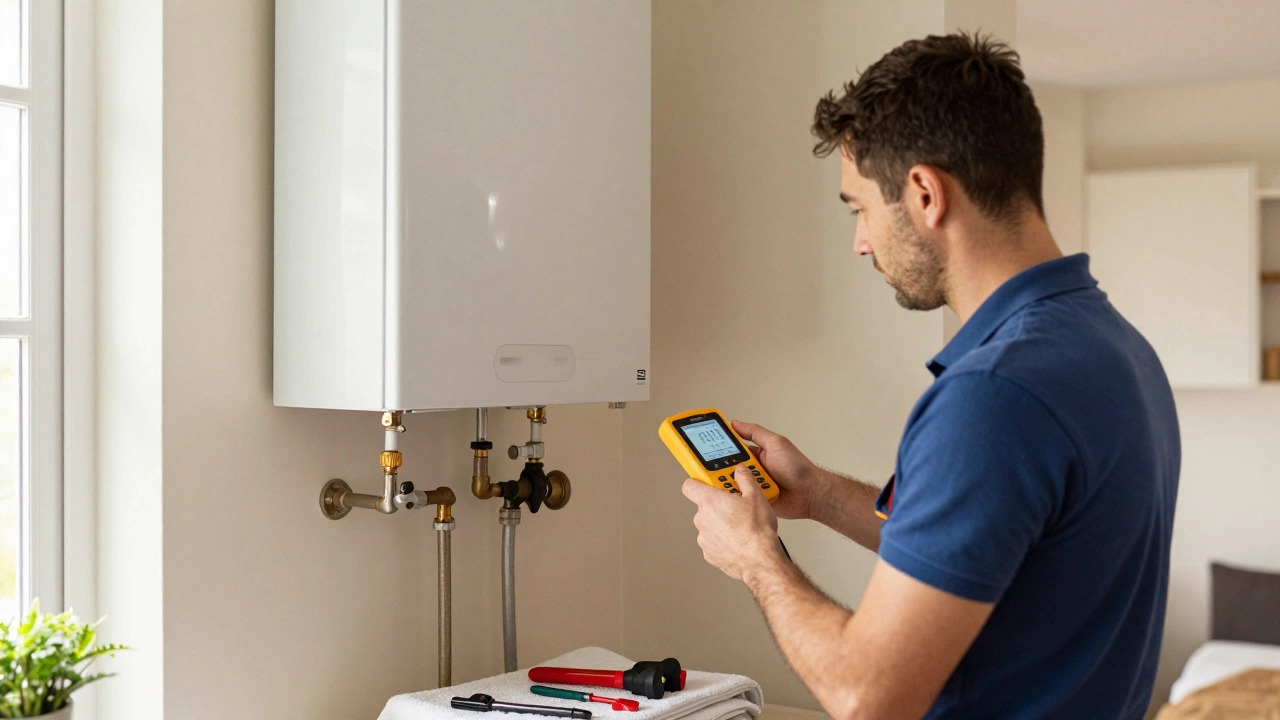
Check the pressure gauge on the front of the unit. If it's below 1 bar, you might just need to top it up using the filling loop. Also, check your thermostat batteries. If the boiler is showing an error code (like E110 or F22), look it up in your manual; some can be fixed with a simple reset button, while others require a pro.
Will my pipes freeze if I keep the house at 10 degrees Celsius?
Generally, yes, they will be safe. Pipes freeze when the internal water temperature hits 0°C. Keeping the indoor air at 10°C provides a sufficient buffer to prevent the water inside the walls from freezing, provided there aren't massive drafts or gaps in the external walls.
Does a broken boiler affect the humidity in my home?
Yes. Heating doesn't just keep you warm; it keeps the air moving and dry. When the heat goes off, the relative humidity rises. This leads to condensation on windows and walls, which eventually creates the perfect environment for mold growth if not managed with ventilation.
Is it safe to leave a space heater on all night?
Only if the heater has a built-in tip-over switch and overheat protection. Never place a heater directly against a wall or under a bed. Always ensure there is at least 3 feet of clearance from flammable materials like curtains or carpets.
Next Steps and Troubleshooting
If you are currently without heat, follow these steps in order:
- Safety Check: Smell for gas. If present, exit and call emergency services.
- Power Check: Ensure the boiler is plugged in and the fuse box hasn't tripped.
- Pressure Check: Look at the gauge. If it's too low, follow the manual to repressurize the system.
- Error Codes: Note any codes on the display before calling an engineer; this helps them bring the right parts.
- Immediate Warmth: Set up a "warm room" with space heaters and seal off the rest of the house.
- Pipe Protection: Leave a thin stream of water running from your furthest tap.