Washing Machine Fix vs. Replace Calculator
Use this tool to determine if repairing your 7-year-old washing machine is financially wise based on the 50% Rule.
Your washing machine has just stopped working. It’s seven years old. You’re staring at the error code, and your mind is racing through the math. Do you call a technician for a potentially expensive repair, or do you drag the broken unit to the dump and buy a new one? This is the classic "fix or flip" dilemma that every homeowner faces.
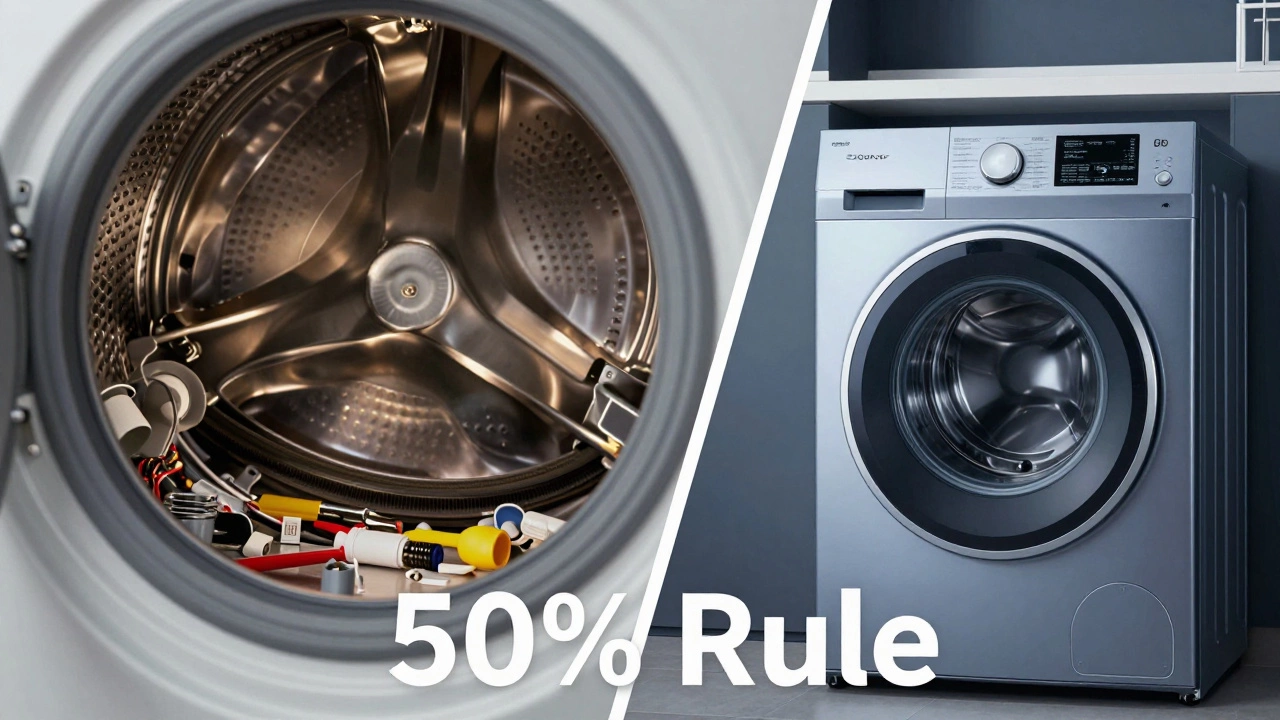
There is no single yes-or-no answer here, but there is a very clear rule of thumb used by professional appliance technicians: the 50% Rule. If the cost of the repair is more than 50% of the price of a comparable new machine, you should almost always replace it. However, age plays a massive role in this calculation. A seven-year-old machine sits right on the edge of its expected lifespan, making the decision tricky.
What is the average lifespan of a washing machine?
Most modern washing machines are designed to last between 10 and 14 years with proper maintenance. Front-loaders tend to last longer (up to 14 years) due to their durable construction, while top-loaders often average around 10-12 years. By year seven, your machine is roughly halfway through its life cycle, meaning it still has significant value left if major components haven't failed.
The 50% Rule and the Age Factor
Let's break down the economics. Imagine your current washing machine was bought for $800. Today, a similar model costs about $900 due to inflation and supply chain adjustments. Now, imagine your machine needs a new motor. A technician quotes you $600 for parts and labor. That $600 is significantly more than 50% of the $900 replacement cost. In this scenario, replacing the machine makes financial sense.
However, consider a different scenario. Your machine won't drain because the pump filter is clogged with coins and lint, or perhaps the drain hose is kinked. The repair cost? Maybe $150 for a service call and a quick fix. That is well under the 50% threshold. Here, fixing it is the obvious choice.
Age matters because older machines are more likely to have secondary failures. When you fix one part on a seven-year-old machine, you might only delay the inevitable failure of another aging component by six months. If you buy a new machine, you get a fresh five-year warranty and improved efficiency.
Common Repairs at Year Seven: What Breaks First?
Not all repairs are created equal. Some issues are cheap fixes that extend the life of your machine for years. Others are death sentences that signal the end of the road. Understanding what typically fails around the seven-year mark helps you make an informed decision.
- Door Latch or Switch: These wear out from frequent use. Replacement is usually inexpensive ($100-$200 including labor). Definitely worth fixing.
- Water Inlet Valve: Sediment buildup can cause leaks or failure to fill. Parts are cheap; labor is moderate. Worth fixing if the rest of the machine is healthy.
- Dump Pump: Coins, buttons, and lint clog these over time. Cleaning or replacing the pump is relatively affordable ($150-$250). Worth fixing.
- Belt Drive: Rubber belts crack and snap. Replacing a belt is one of the cheapest repairs ($100-$150). Highly recommended to fix.
- Control Board: Electronic boards can fail due to power surges or moisture. These are expensive ($300-$500+). Often not worth fixing on a seven-year-old unit unless it's a high-end model.
- Drum Bearings: This is the big one. Bearing failure causes loud grinding noises and vibration. The repair requires dismantling the entire tub, which is labor-intensive. Costs often exceed $400-$600. Usually, this signals it's time to replace.
Front-Load vs. Top-Load: Does Type Matter?
The type of washing machine you own changes the equation. Front-loading washers are generally more expensive upfront but use less water and energy. They also tend to be built with heavier-duty components. If you have a high-quality front-loader from a brand like Miele, Bosch, or Samsung, it might be worth investing in a major repair because these machines can easily last 15+ years.
Top-loading washers, especially those with agitators, are simpler mechanically but often have shorter lifespans. If your top-loader is seven years old and needs a major repair, the likelihood of it lasting another five years is lower than that of a premium front-loader. For budget-friendly top-loaders, replacement is often the smarter move after year seven if the repair cost exceeds $200.
| Issue | Avg. Repair Cost (NZD) | Complexity | Recommendation |
|---|---|---|---|
| Clogged Filter/Hose | $0 - $150 | Low | Fix |
| Broken Belt | $100 - $150 | Low | Fix |
| Door Lock Failure | $150 - $250 | Medium | Fix |
| Drain Pump Failure | $200 - $300 | Medium | Fix (if no other issues) |
| Control Board | $350 - $500 | High | Replace Machine |
| Drum Bearings | $450 - $650+ | Very High | Replace Machine |
Hidden Costs: Energy Efficiency and Water Usage
We often forget that an old washing machine is costing us money every single day it runs. A seven-year-old model is likely less efficient than today's standards. Modern washing machines in New Zealand carry energy ratings that reflect significant improvements in motor technology and water usage.
For example, a newer ENERGY STAR-rated (or equivalent NZ energy rating) washer might use 30-50% less water and electricity than a model from 2019. Over two years, those savings can add up to hundreds of dollars. If you do laundry frequently, replacing an inefficient seven-year-old machine with a new, high-efficiency model could pay for itself in utility savings within three to four years.
Consider your household size. If you have a large family and run 5-6 loads a week, the cumulative cost of water and power for an older machine is substantial. A small apartment dweller doing two loads a week might not see the same immediate return on investment from upgrading.
The Warranty Wildcard
Check your original purchase receipt. While most standard warranties expire after one year, some brands offer extended warranties or specific part coverage for up to five or ten years. If your machine is still under any form of warranty, the decision is easy: call the manufacturer. Even if it's out of warranty, some retailers offer accidental damage protection plans that might cover the issue.
If you don't have a warranty, look into local repair services. In Auckland, for instance, independent technicians often charge less than authorized dealer networks. Getting a second opinion on the quote can save you money. Sometimes, a simple cleaning or minor adjustment solves the problem without needing expensive parts.
Environmental Impact: E-Waste Considerations
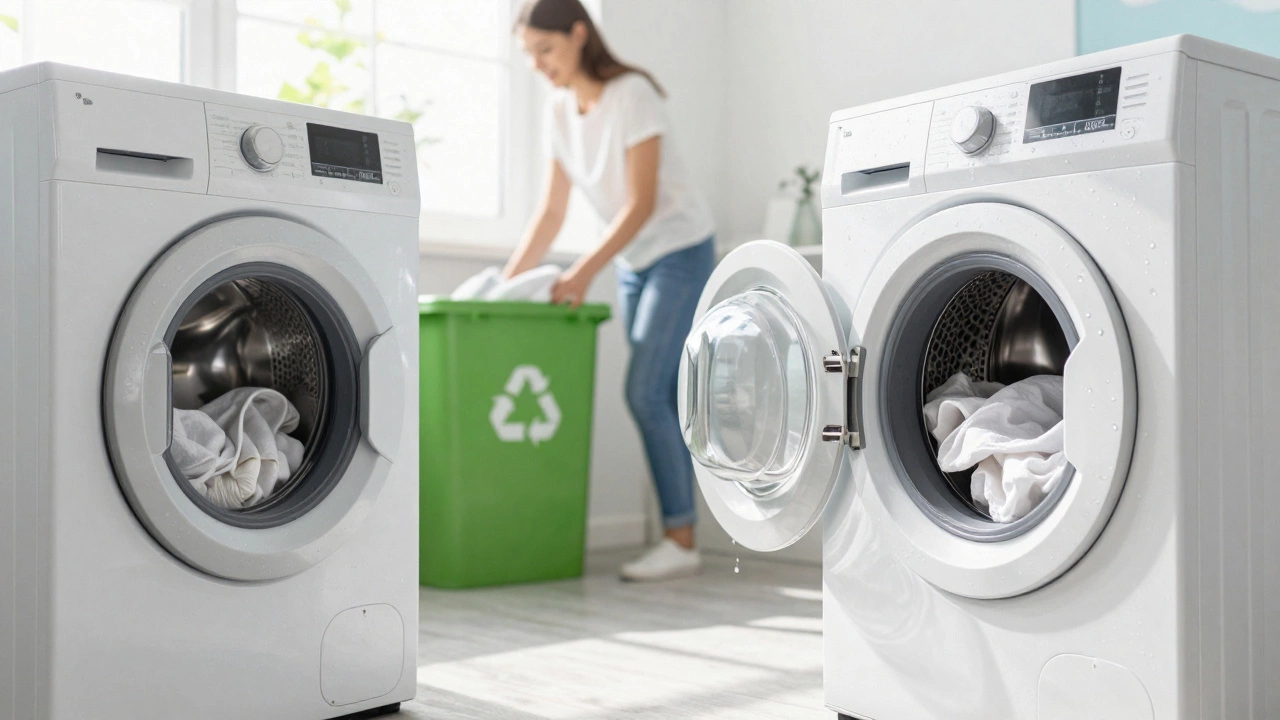
Throwing away a seven-year-old washing machine contributes to electronic waste. These machines contain metals, plastics, and electronics that take centuries to decompose. If you decide to replace your machine, ensure you recycle it properly. Many appliance stores offer take-back programs where they dispose of your old unit responsibly when you buy a new one.
Repairing your existing machine is inherently more eco-friendly than manufacturing and shipping a new one. The carbon footprint of producing a new washing machine is significant. If the repair is minor and extends the life of your machine by even two years, you're making a positive environmental choice.
When to Definitely Replace
There are certain red flags that suggest replacement is the only viable option, regardless of the repair cost:
- Multiple Recent Repairs: If you've already spent money on repairs in the last 12 months, the machine is likely failing systematically. Don't throw good money after bad.
- Loud Grinding Noises: This usually indicates bearing failure. As mentioned, this is a costly and invasive repair that rarely saves the long-term viability of the machine.
- Leaking from the Tub: Cracks in the inner or outer tub are unrepairable. The tub is sealed during manufacturing, so fixing a leak means replacing the entire drum assembly, which is prohibitively expensive.
- Obsolescence: If parts for your specific model are no longer manufactured, finding replacements will be difficult and expensive. Technicians may have to source generic parts, which may not fit perfectly.
Making the Final Call
So, is a seven-year-old washing machine worth fixing? It depends entirely on the nature of the breakdown. For minor issues like belts, filters, or door locks, absolutely fix it. You'll save money and extend the life of a functional appliance. For major mechanical failures like bearings, motors, or control boards, lean towards replacement. The risk of further breakdowns, combined with the benefits of modern efficiency and warranty coverage, usually tips the scale in favor of buying new.
Before you make a final decision, get a detailed written quote from a reputable technician. Ask them specifically: "Given the age of this machine, do you recommend repair or replacement?" Their professional insight, based on seeing thousands of similar units, is invaluable. Remember, the goal isn't just to get the machine running today, but to ensure reliability for the next few years.
How much does it cost to repair a washing machine in New Zealand?
Service call fees in New Zealand typically range from $80 to $120. Minor repairs (like replacing a belt or filter) usually cost between $150 and $250 total. Major repairs involving motors, control boards, or bearings can range from $350 to $650 or more, depending on the brand and part availability.
Can I fix my washing machine myself?
Yes, for simple issues like cleaning the drain pump filter, checking for kinked hoses, or resetting the machine. However, for electrical or mechanical repairs, it's safer and often more cost-effective to hire a professional, especially if you void the warranty by opening the unit yourself.
What is the best brand of washing machine for longevity?
Brands like Miele, Bosch, and Speed Queen are renowned for their durability and long lifespans. LG and Samsung also offer reliable models with good support networks in New Zealand. Always check reviews and warranty terms before purchasing.
Should I buy a refurbished washing machine instead?
Refurbished machines can be a cost-effective alternative, offering savings of 20-40% off retail prices. Ensure the refurbisher offers a warranty (at least 6 months) and that the machine has been professionally tested. This is a good middle ground if you want to avoid the high cost of new but need more reliability than a used private sale.
How do I maintain my washing machine to extend its life?
Run a hot empty cycle monthly to clean the drum, leave the door open after use to prevent mold, clean the detergent drawer regularly, and use the correct amount of HE (High Efficiency) detergent. Avoid overloading the machine, as this strains the motor and suspension.