Water Heater Reset Troubleshooting Guide
No hot water? Let's find the right reset path for your unit.
Electric Heater
Uses heating elements and a breaker panel
Gas Heater
Uses a pilot light and gas control valve
Step 1: The Breaker Box
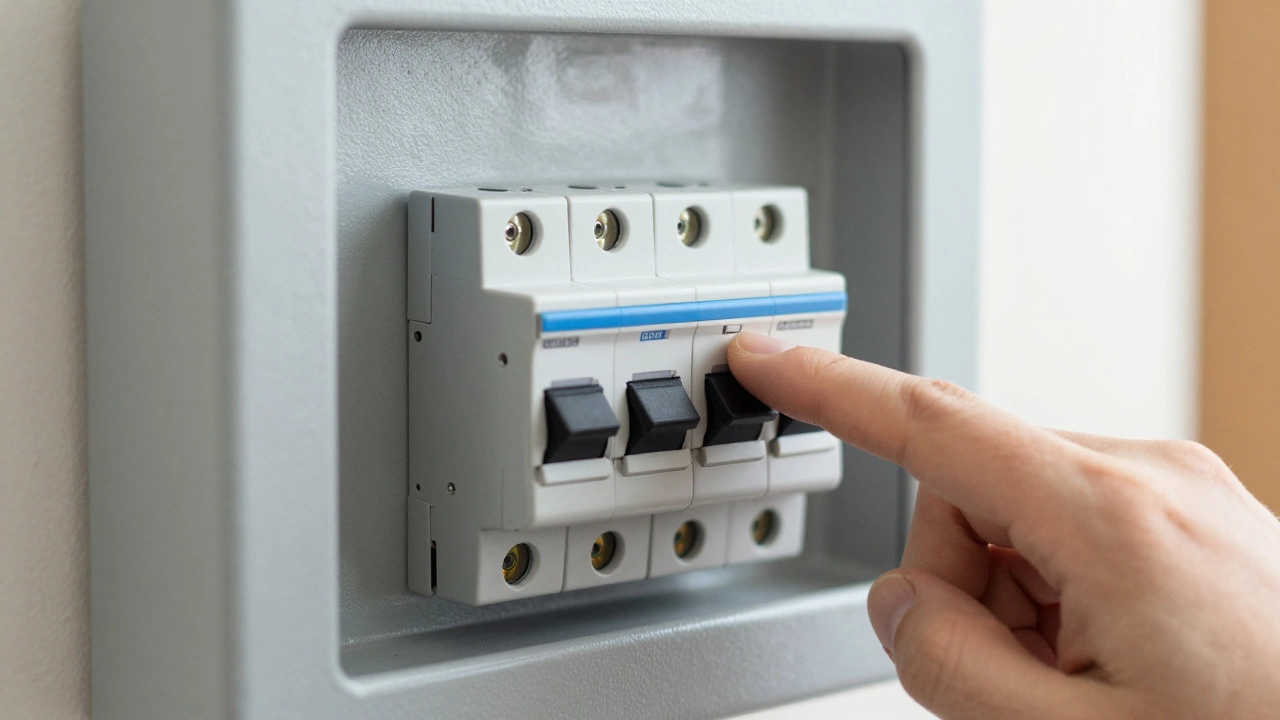
Check your main electrical panel. Is the switch for the water heater in the "OFF" or "Neutral" position?
Step 2: The High-Limit Switch
1. Cut Power at the breaker.
2. Remove the metal access panel.
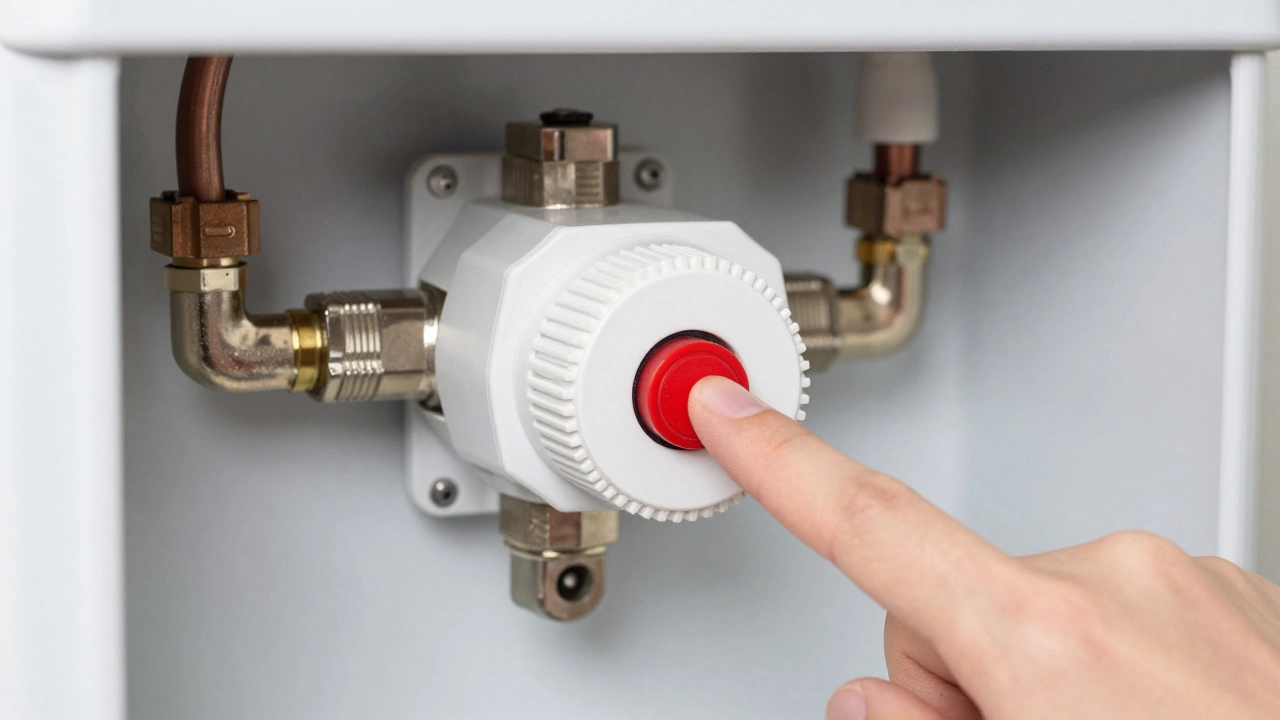
3. Locate the Red Button on the thermostat.
Does the red button click when pressed?
Step 1: Check Other Appliances
Is your stove or other gas appliances working normally?
Step 2: Relighting the Pilot
- Turn knob to "Pilot".
- Push knob down and hold while clicking the igniter.
- Hold the knob for 30-60 seconds after the flame lights.
- Turn the knob to "On".
Did the pilot stay lit after releasing the knob?
Diagnosis Result
- Electric heaters usually require resetting a high-limit switch (the red button).
- Gas heaters often need a pilot light relit or a thermocouple cleaned.
- Always shut off power or gas before touching internal components.
- If the heater trips repeatedly, you likely have a failing element or thermostat.
- Check your circuit breaker panel first before opening the tank.
Check the Basics First
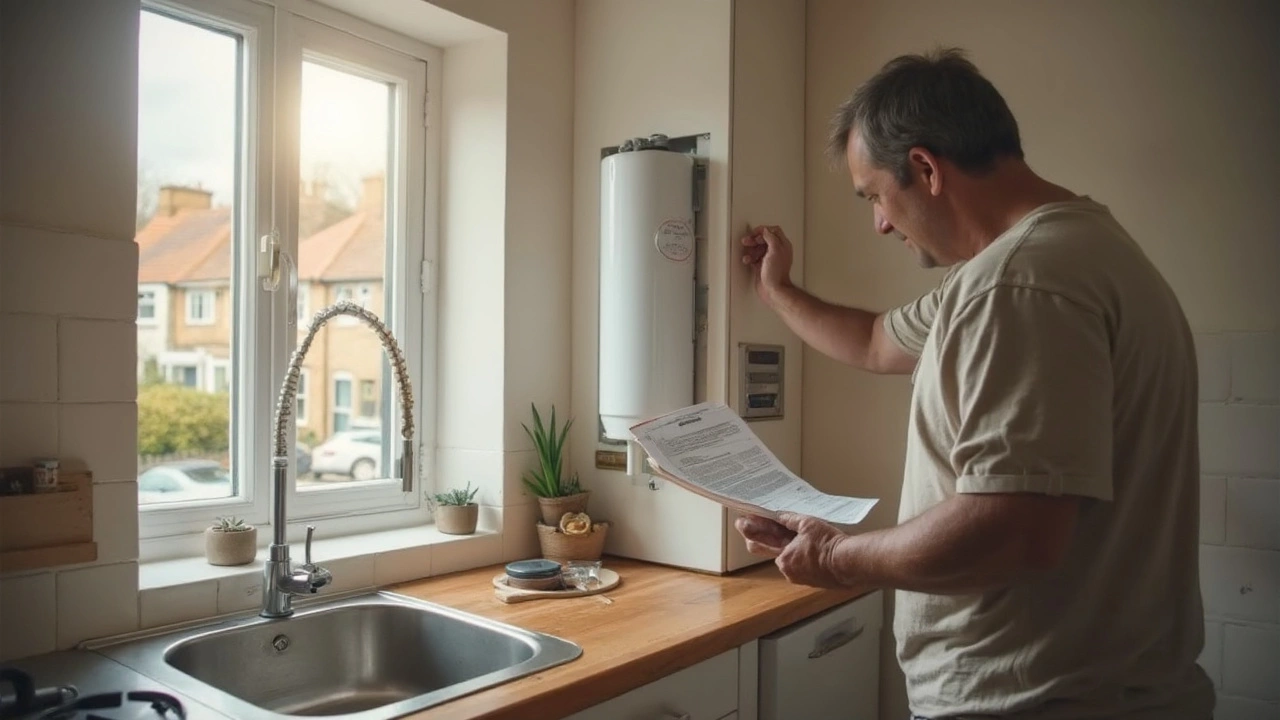
Before you start pulling panels off your appliance, do a quick sanity check. Sometimes the "reset" isn't on the heater itself, but at your electrical panel. If you have an electric unit, go to your breaker box. Look for a switch that has flipped to the "off" or "neutral" position. Flip it all the way off and then back on. If it trips again immediately, stop. That's a sign of a short circuit, and trying to force it could cause a fire.
For gas units, check if other gas appliances in your home are working. If your stove isn't lighting either, the problem is with your gas supply, not the heater. If everything else is fine, it's time to look at the unit itself.
Resetting an Electric Water Heater
Electric water heaters use Electric Heating Elements is resistive heating components that convert electricity into heat to warm the water in the tank . To prevent the tank from overheating and potentially exploding, they have a safety device called a High-Limit Switch is a thermal cutoff device that shuts off power to the elements if water temperatures exceed a safe limit , often referred to as the ECO (Emergency Cut Off).
- Cut the Power: Go to your breaker panel and turn off the power to the water heater. Never open an electric heater panel while the power is on; 240 volts can be fatal.
- Remove the Access Panel: Use a screwdriver to remove the metal panel on the side of the tank. You'll usually see two of these-one at the top and one at the bottom.
- Find the Red Button: Look for a red button located on the Thermostat. This is the reset button for the high-limit switch.
- Press the Button: Push the red button firmly until you hear a click. If it doesn't click, it might not have tripped.
- Close Up and Test: Put the panels back on, restore power at the breaker, and wait about an hour to see if the water gets hot.
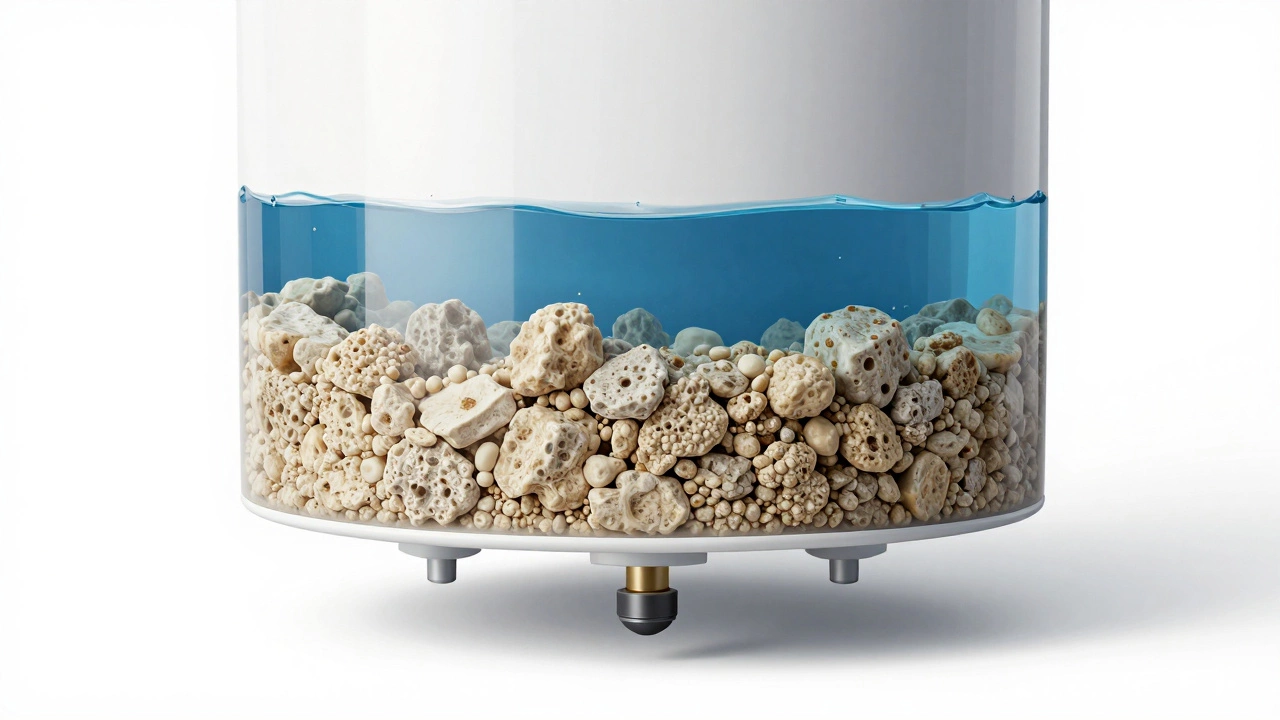
If you find yourself pushing this button once a month, your thermostat is likely failing or you have sediment buildup at the bottom of the tank. This buildup creates a "hot spot" that tricks the sensor into thinking the whole tank is overheating, triggering the shutdown.
Resetting a Gas Water Heater
Gas heaters don't have a "reset button" in the electrical sense. Instead, the "reset" usually involves relighting the Pilot Light is a small, continuously burning flame that ignites the main burner when needed . If the pilot goes out due to a draft or a pressure drop, the water stays cold.
Modern gas heaters often use a Thermocouple is a sensor that detects the presence of the pilot flame and allows gas to flow to the main burner . If this sensor gets covered in soot or bends, it will shut off the gas flow for safety, even if the pilot is lit.
- Locate the Control Valve: Find the gas control knob on the front of the heater. It usually has settings like "Off," "Pilot," and "On."
- The Pilot Sequence: Turn the knob to the "Pilot" position. Push the knob down and hold it while pressing the igniter button (or clicking the piezo igniter) repeatedly.
- The Hold: Keep holding the knob in for about 30 to 60 seconds after the flame lights. This gives the thermocouple time to heat up and signal the valve to stay open.
- Switch to On: Slowly turn the knob from "Pilot" to the "On" position. You should hear the main burner roar to life.
| Feature | Electric Heater | Gas Heater |
|---|---|---|
| Primary Reset Method | Pushing the High-Limit Button | Relighting the Pilot Light |
| Key Safety Component | ECO / High-Limit Switch | Thermocouple / Flame Sensor |
| Main Danger | Electrical Shock (240V) | Gas Leak / Explosion |
| Common Cause of Failure | Burned out element | Soot buildup on sensor |
Why Did it Trip in the First Place?
A reset is a temporary fix. If your reset hot water heater keeps shutting down, you have a systemic problem. For electric units, the most common culprit is sediment. Minerals like calcium and magnesium settle at the bottom, forming a rocky crust. The heating element has to fight through this crust to heat the water, which causes the element to overheat and trip the safety switch.
For gas units, the most common issue is a dirty burner or a failing thermocouple. If the flame is orange instead of blue, you have incomplete combustion, which creates soot. This soot coats the thermocouple, making it "blind" to the flame, which triggers the safety shut-off.
When to Stop and Call a Professional
There are times when a DIY reset is dangerous. If you smell gas-a scent similar to rotten eggs-do not try to light the pilot. Leave the house immediately and call the gas company. Attempting to reset a leaking gas line can cause a catastrophic explosion.
Similarly, if you see water leaking from the top of an electric heater where the wires enter, do not touch the panels. Water and electricity are a deadly mix. If you see charred wires or smell burning plastic inside the access panel, your wiring has failed. Replacing a thermostat is one thing; rewiring a tank is a job for a licensed electrician.
Maintenance Tips to Prevent Future Resets
The best way to avoid the "cold shower surprise" is a bit of preventative care. Once a year, you should flush your tank. This involves attaching a hose to the drain valve at the bottom and running water through the tank until it comes out clear. This removes the sediment that causes electric heaters to trip.
Check your anode rod every three years. The anode rod is a sacrificial piece of metal that attracts corrosion so your tank doesn't rust. When the rod is gone, the tank starts to corrode, which can lead to leaks and efficiency drops. Replacing a $30 rod can save you from buying a $1,200 tank.
How often can I reset my water heater?
You can reset it as many times as you need to get hot water, but if it trips more than once in a few weeks, it's a warning sign. Frequent tripping usually means a heating element is about to burn out or your tank is full of sediment. Continuing to reset it without fixing the root cause can lead to permanent tank damage or electrical failure.
Can I reset a tankless water heater?
Tankless units are different. They usually have digital error codes on the display. To reset them, you typically power-cycle the unit by turning off the circuit breaker for 30 seconds and turning it back on. If an error code persists, refer to the manual for that specific code, as it often indicates a scale buildup in the heat exchanger that requires a professional descaling service.
Why is my red reset button not clicking?
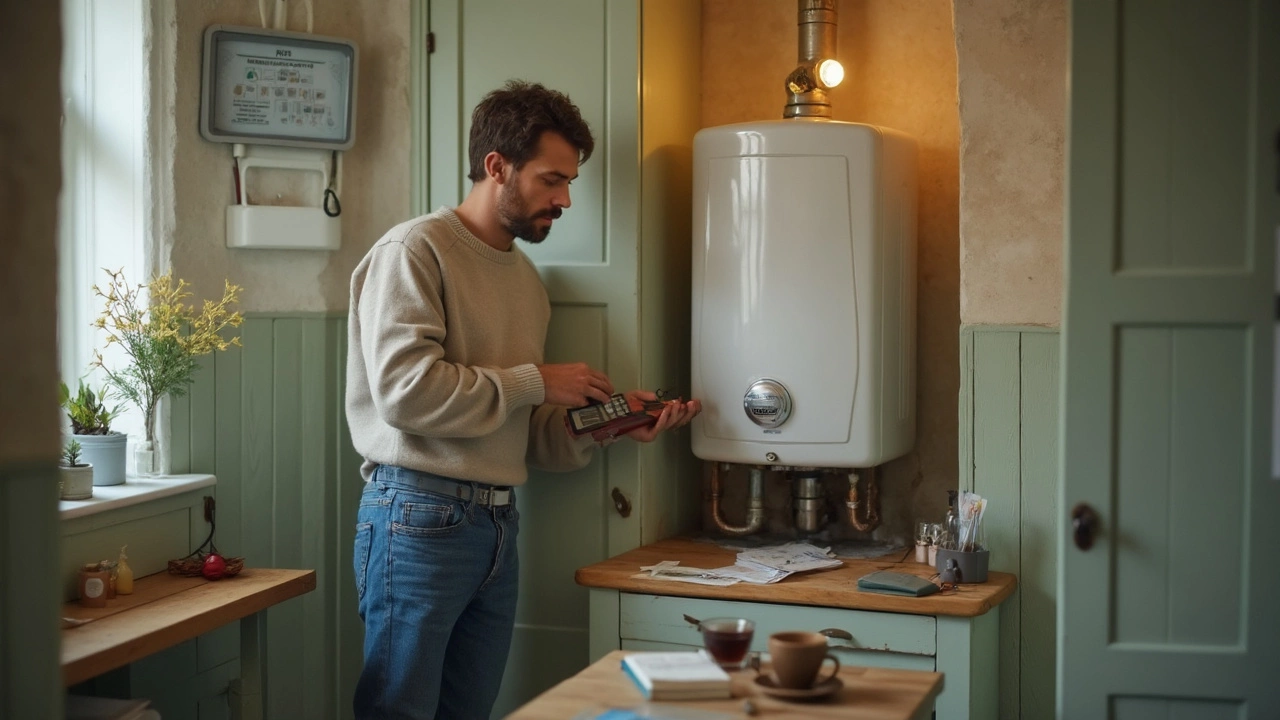
If the button doesn't click, the high-limit switch hasn't tripped. In this case, the problem is likely a burned-out heating element or a failed thermostat. You can test elements with a multimeter to see if they have continuity; if they don't, the element needs to be replaced.
Is it safe to relight a gas pilot light myself?
Yes, as long as you follow the safety steps. Ensure the area is ventilated and that you don't smell gas before attempting. If the pilot won't stay lit after you release the knob, the thermocouple is likely faulty and needs replacement.
What happens if I never flush my water heater?
Over time, sediment builds up into a thick layer of sludge. This reduces the amount of water the tank can actually hold and forces the heater to work harder. In gas units, this can lead to "rumbling" sounds (kettling). In electric units, it leads to the overheating issues that trip your reset button.
Next Steps for Troubleshooting
If you've performed the reset and you're still not getting hot water, follow this path:
- Electric: Use a multimeter to check for voltage at the thermostat. If you have power but no heat, test the lower element first, as it usually fails most often.
- Gas: Check for a steady blue flame on the pilot. If the flame is flickering or yellow, clean the pilot orifice with a thin wire or compressed air.
- Both: Check for leaks around the base of the tank. If you see a steady drip, the inner lining has failed, and no amount of resetting will fix it; you need a new heater.