Quick Takeaways: The Essentials
- Grease buildup slows down the motor and increases electricity bills.
- Filters should be cleaned every 2-4 weeks depending on how much you fry food.
- Bearing wear is the main cause of that loud, grinding noise.
- Fire risk increases significantly when grease coats the internal heating elements or wiring.
Why a "Set and Forget" Approach Fails
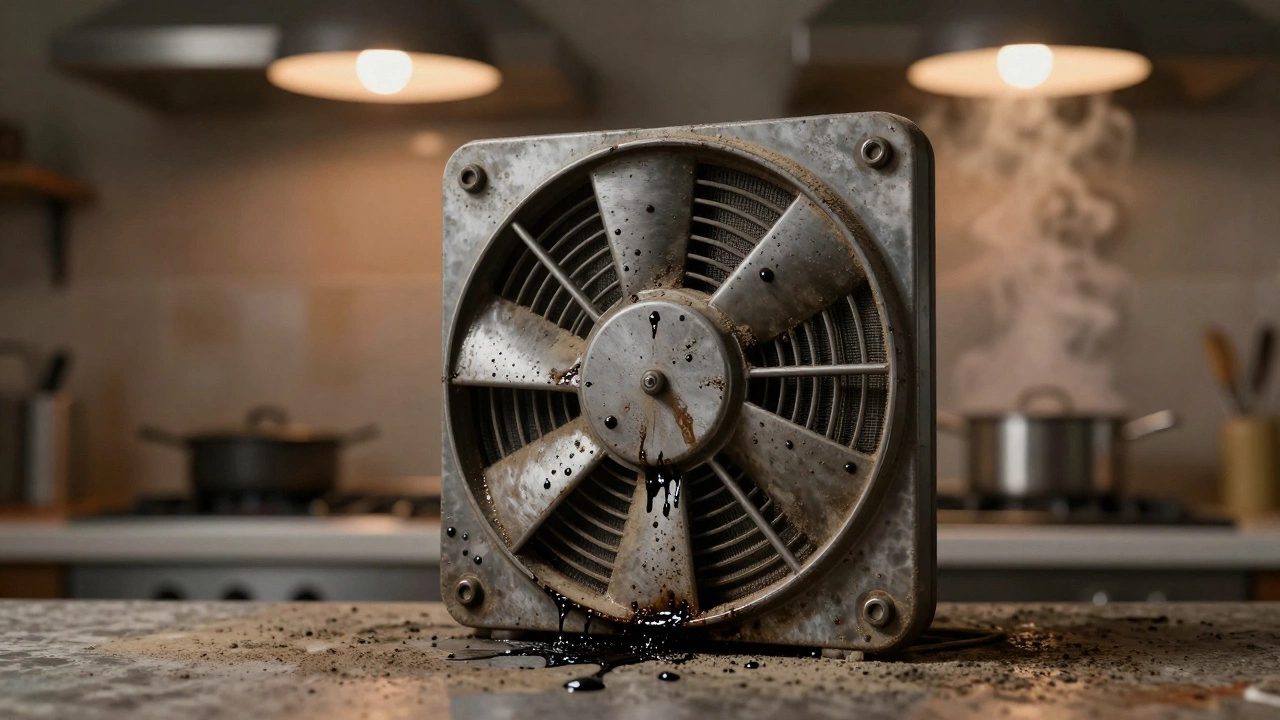
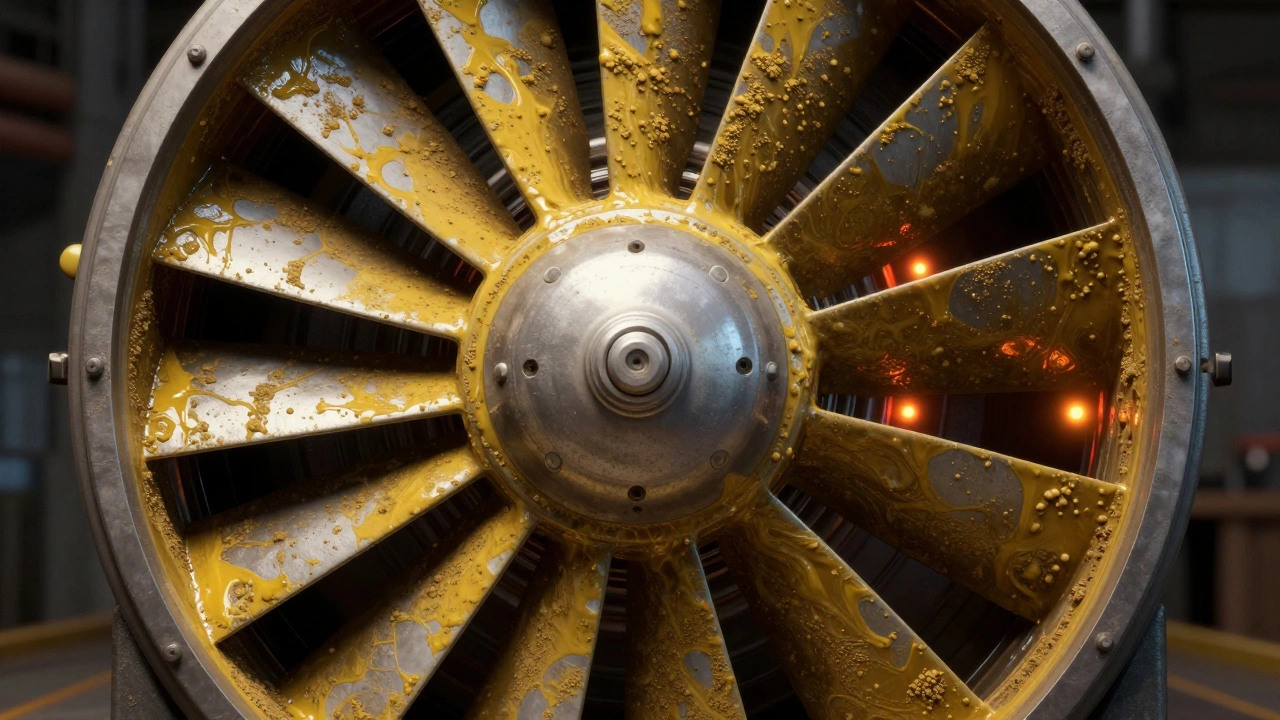
You might think that as long as the light is on and the fan is spinning, everything is fine. But there is a massive difference between a fan that is spinning and a fan that is actually moving air. Over time, grease accumulates on the blades. This doesn't just make them dirty; it changes the aerodynamics of the blade. When grease builds up, the blade becomes heavier and less efficient, forcing the motor to work harder to move the same amount of air.
Think of it like trying to run a race while wearing a heavy winter coat. You're still moving, but you're exhausted and not going very fast. This extra strain leads to overheating. When a motor runs hot for too long, the insulation on the copper windings begins to degrade, which is usually when you'll smell something "electrical" burning in the kitchen.
Signs Your Fan Is Crying for Help
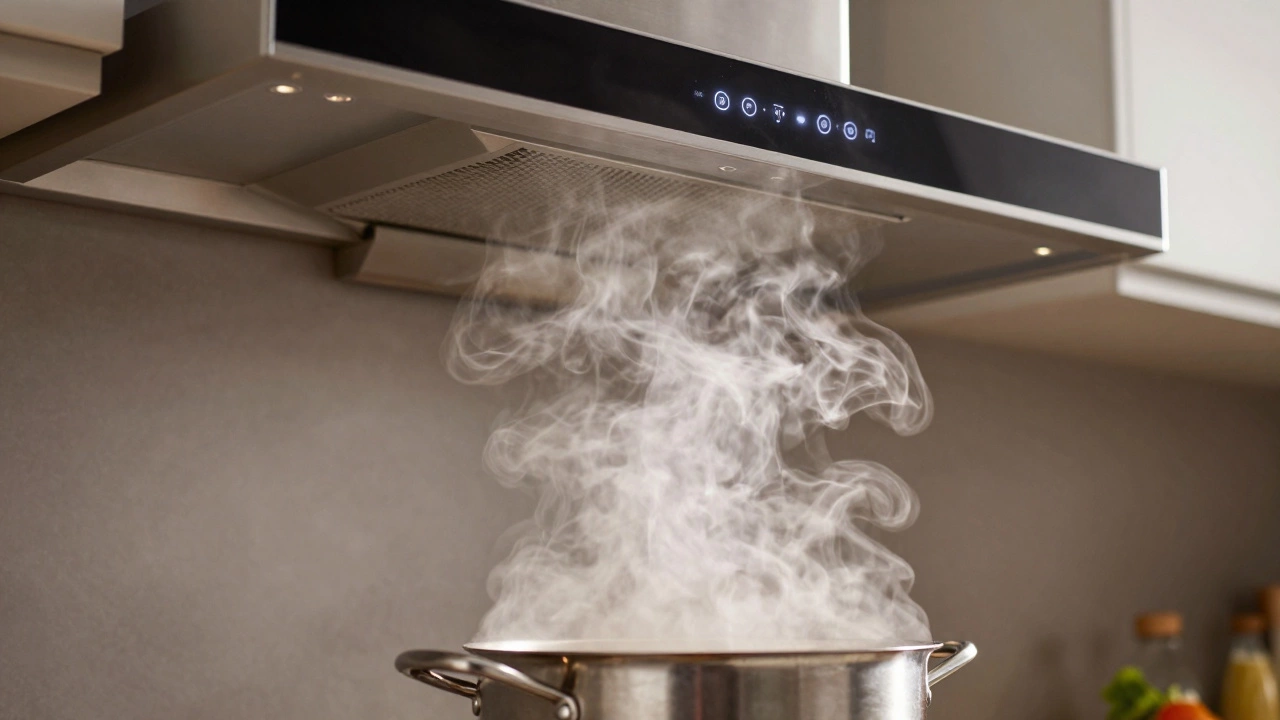
You don't need to be a technician to tell when your system is failing. There are a few dead giveaways that a service is overdue. First, look at the steam. If you boil a pot of water and the steam just lingers in the air instead of being sucked upward, your airflow is compromised. This is often caused by a clogged Baffle Filter or a blocked duct.
Then there's the noise. A healthy fan has a consistent hum. If you hear rattling, clicking, or a high-pitched squeal, the bearings are likely bone-dry or worn out. Many people assume the fan is just "old," but often a bit of specialized lubricant and a deep clean can bring the noise levels back down to normal.
| Symptom | Likely Cause | Service Action Needed |
|---|---|---|
| Weak suction/airflow | Clogged filters or grease on blades | Degreasing and filter replacement |
| Loud grinding or vibration | Worn bearings or loose mounting | Bearing lubrication or motor balancing |
| Intermittent power | Frayed wiring or faulty switch | Electrical safety check and rewiring |
| Visible oil dripping | Saturated filters | Deep chemical clean of the internal housing |
The Danger of Neglected Filters
Most modern kitchens use Mesh Filters or baffle filters. These are designed to catch the oil before it reaches the motor. However, once these filters reach a saturation point, they stop working. The grease then bypasses the filter and coats the Centrifugal Fan (the actual spinning part) and the internal ducting.
This is where things get dangerous. Grease is highly flammable. In the event of a small stovetop fire, a grease-laden extractor fan can act like a fuse, pulling the flames upward and spreading the fire through the ceiling and walls in seconds. Regular servicing isn't just about performance; it's a critical safety measure for your home.
What Actually Happens During a Professional Service?
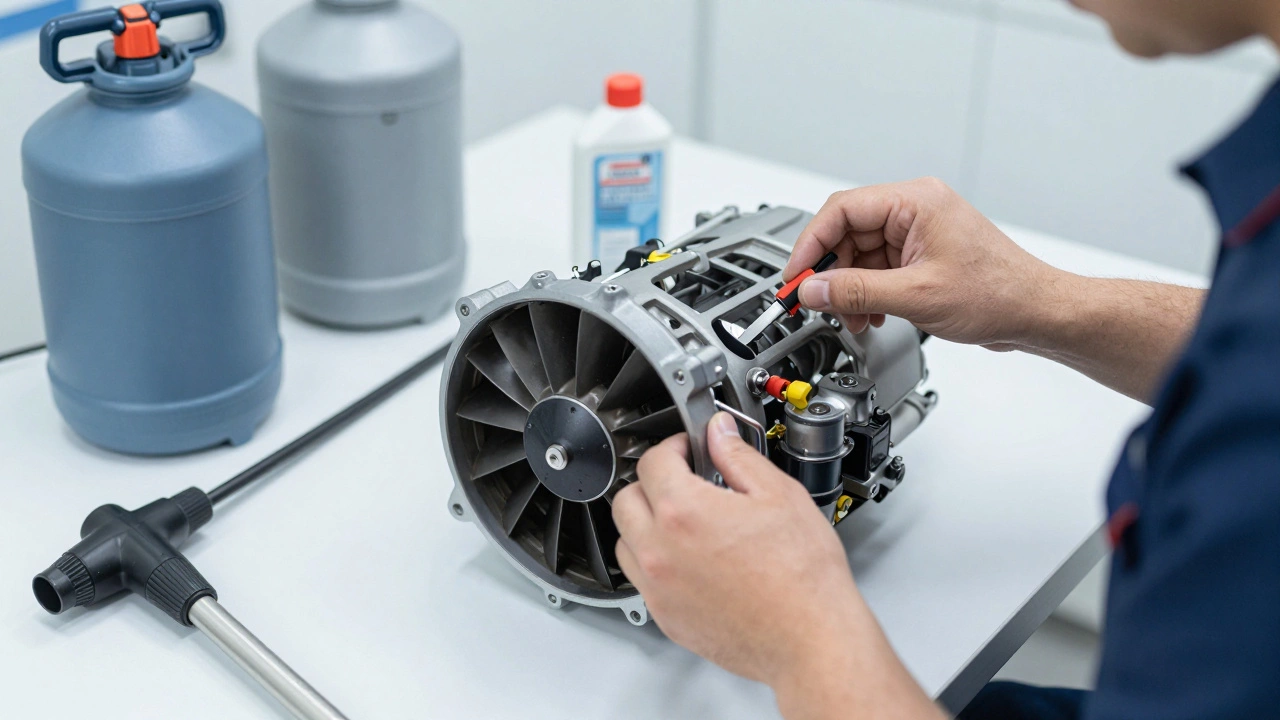
If you hire a pro, they aren't just wiping the outside with a cloth. A comprehensive service involves several technical steps that you can't do with a sponge and some dish soap. First, they'll perform a vacuum test to check the static pressure. This tells them if the blockage is in the fan itself or further up in the external venting pipe.
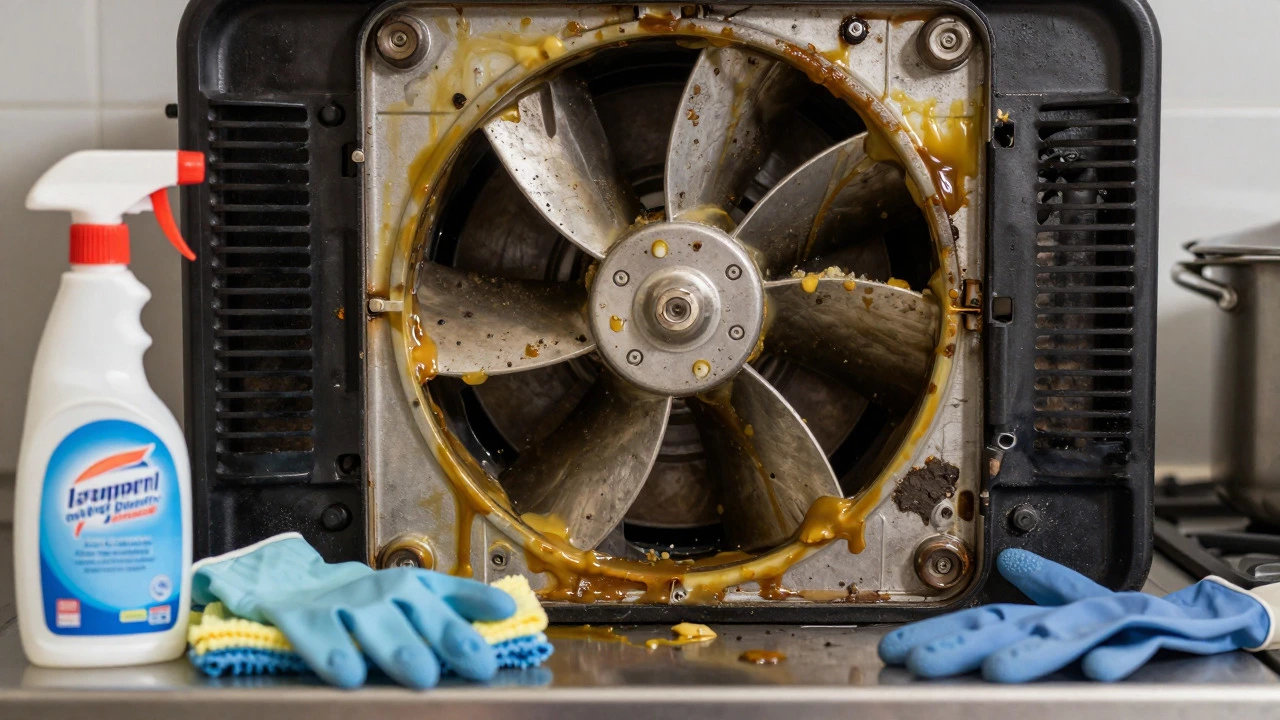
Next, they'll dismantle the motor housing. This is where they find the "gunk"-the thick, sticky residue that settles on the motor mounts. They use industrial degreasers to strip this away. They'll also check the Capacitor. If the capacitor is failing, the motor will struggle to start or spin too slowly, even if the blades are perfectly clean.
Finally, they ensure the mounting brackets are secure. Fans vibrate. Over years of use, those vibrations can loosen screws, which leads to the rattling sound that drives everyone crazy during dinner parties. Tightening these and balancing the blades can make the unit feel brand new.
DIY Maintenance vs. Professional Repair
You can do a lot of the heavy lifting yourself. Cleaning your filters in a dishwasher or soaking them in hot, soapy water every few weeks is a great habit. You can also use a vacuum cleaner with a brush attachment to clear the external vents where spiders and dust tend to build up.
However, there is a line you shouldn't cross. If you have to take the motor out of the wall or ceiling, or if you're dealing with 240V wiring, it's time to call a professional. Attempting to lubricate a sealed motor without the right tools often results in a broken shaft or a burnt-out coil. A professional knows exactly how to handle the Sashimono or specialized fasteners used in different brands like Bosch or Fisher & Paykel.
How Often Should You Actually Do This?
The frequency depends entirely on your cooking style. If you're a "health nut" who mostly steams vegetables, a deep clean once a year is plenty. But if you're frying bacon every morning and searing steaks every night, your filters are likely saturated every month. A good rule of thumb is to check your filters every two weeks. If you can't see through the mesh or if oil is starting to bead on the surface, get them cleaned immediately.
For the mechanical components-the motor and the bearings-a professional check-up every two years is a smart move. This prevents a total system failure and saves you from having to replace the entire unit, which is significantly more expensive than a simple service call.
Can I just replace the filters instead of servicing the fan?
Replacing filters helps the airflow, but it doesn't remove the grease that has already leaked past the filters and settled on the motor and blades. If the motor is noisy or the suction is still weak after changing filters, you need a full internal service to remove the buildup from the mechanical parts.
Why does my extractor fan smell like old oil even when it's on?
This happens because the oil has accumulated inside the ducting or on the fan blades. When the fan spins, it stirs up those old deposits, and the heat from your stove warms them up, releasing that stale smell back into the kitchen. A professional degreasing of the entire system is the only way to kill that scent.
Will servicing my fan save me money on electricity?
Yes. A motor fighting against grease-heavy blades and clogged filters has to draw more current to maintain its speed. By removing the resistance and ensuring the bearings are lubricated, the motor runs more efficiently, which lowers the energy consumption over time.
What is the difference between a recirculating fan and an extractor fan?
An extractor fan vents air outside through a duct. A recirculating fan pulls air through a charcoal filter to clean it and then blows it back into the room. Recirculating fans actually require more frequent servicing because the charcoal filters must be replaced regularly to remain effective.
How do I know if my motor is actually burnt out?
If you flip the switch and hear a humming sound but the blades aren't spinning, the capacitor might be dead or the motor is seized. If there is no sound at all and no light, it could be a blown fuse or a burnt-out coil. If you smell a sharp, acrid "burnt plastic" scent, the motor has likely failed and needs replacement.
What to Do Next
If you've realized your fan is louder than a vacuum cleaner or your kitchen feels like a sauna, don't ignore it. Start by popping the filters into the sink with some hot water and a strong degreaser. If the suction is still weak after that, it's time to stop tinkering and get a professional to look at the internal motor and ducting.
For those with high-end range hoods, check your warranty. Some manufacturers offer a free first service or specific maintenance schedules that, if ignored, could void your guarantee. A quick afternoon of maintenance now can save you from a costly full-system replacement in a few years.