Hot Water Heater Health Checker
Check how many signs your water heater shows. If you see 2 or more signs, it's time to consider replacement.
Warning Signs to Check
Your Water Heater Status
Signs found
Check your heater's status. If you see 2 or more signs, it's time to consider replacement.
Most people don’t think about their hot water heater until the water turns cold in the middle of a shower. By then, it’s usually too late to avoid a mess. If you’re wondering whether it’s time to replace your hot water heater, you’re not alone. In Auckland, where winters get chilly and households rely on consistent hot water, a failing heater can turn a normal day into a nightmare. The good news? You don’t need to wait for a full breakdown to act. There are clear, observable signs that your water heater is nearing the end of its life-and catching them early can save you money, stress, and a flooded laundry room.
It’s older than 10 years
The average lifespan of a standard tank-style water heater in New Zealand is 8 to 12 years. If yours is 10 or older, you’re in the danger zone. Manufacturers don’t just guess these numbers-they’re based on real-world wear and tear. Corrosion builds up inside the tank. The anode rod, which protects the tank from rust, eventually wears out. Once it’s gone, the tank itself starts eating away from the inside. Even if it’s still working, a 12-year-old heater is far more likely to fail suddenly than a 5-year-old one. Replacing it before it bursts is cheaper than dealing with water damage to your ceiling, floors, or walls.
You’re running out of hot water faster
If your family used to take back-to-back showers without issue, but now you’re waiting 20 minutes for the water to warm up again, something’s wrong. A sudden drop in hot water capacity doesn’t always mean you’re using more water-it usually means the tank isn’t heating efficiently. Sediment buildup at the bottom of the tank acts like insulation, trapping heat and forcing the element to work harder. Over time, this reduces the amount of usable hot water. If you’ve flushed the tank and still see no improvement, the heating element or thermostat may be failing. But if your heater is over 8 years old, it’s probably not worth repairing.
You hear strange noises
That popping, rumbling, or banging sound coming from your water heater? It’s not the heater singing. It’s sediment. As water heats up, minerals like calcium and magnesium settle at the bottom of the tank. Over time, they harden into layers. When the heating element turns on, it tries to push heat through this rock-like sludge. The trapped steam bubbles burst with force, creating loud noises. This isn’t just annoying-it’s a sign the heater is losing efficiency. The more sediment, the more energy it uses to heat the same amount of water. In Auckland’s hard water areas, this happens faster than you might think. A simple flush might help if the heater is under 7 years old. After that, it’s a temporary fix at best.
Water is discolored or smells bad
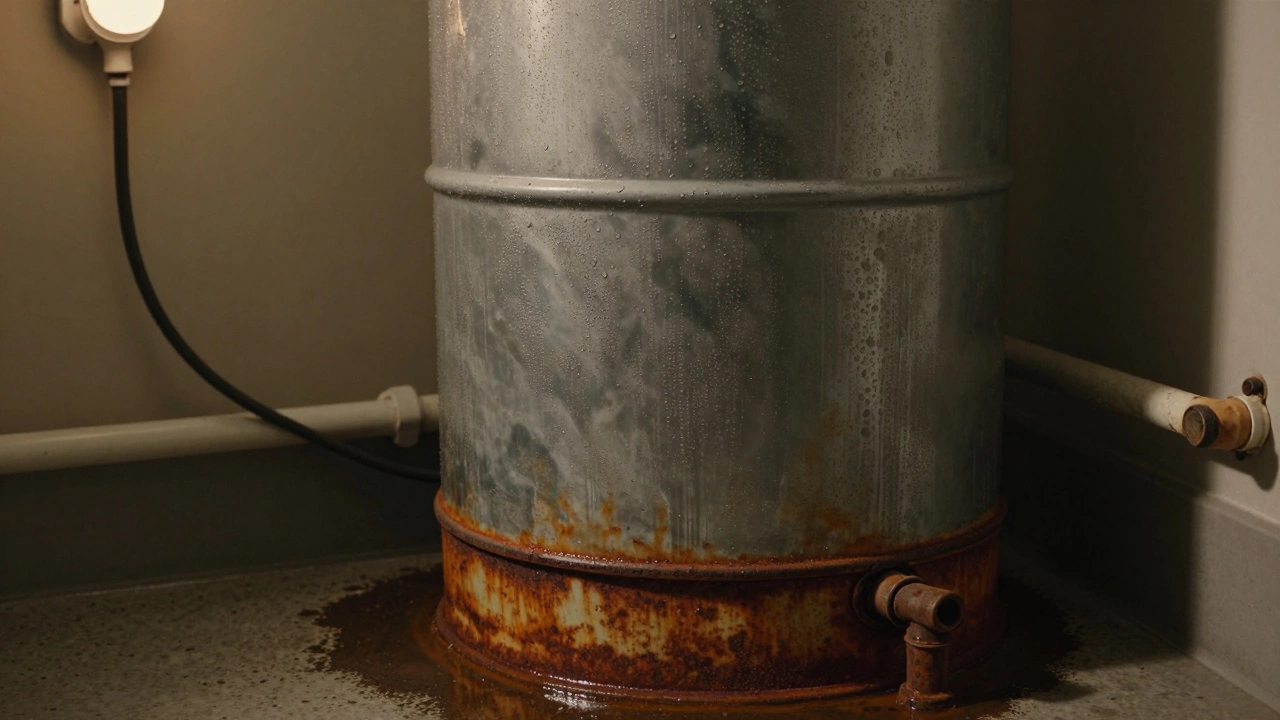
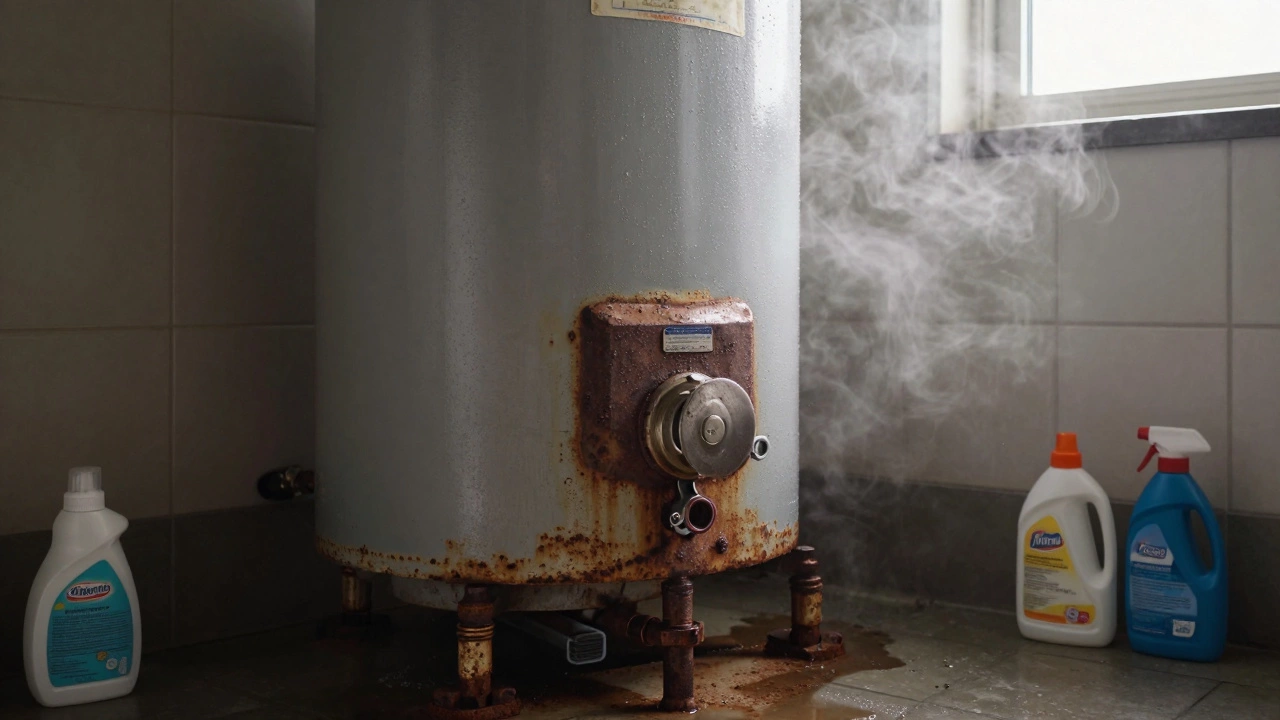
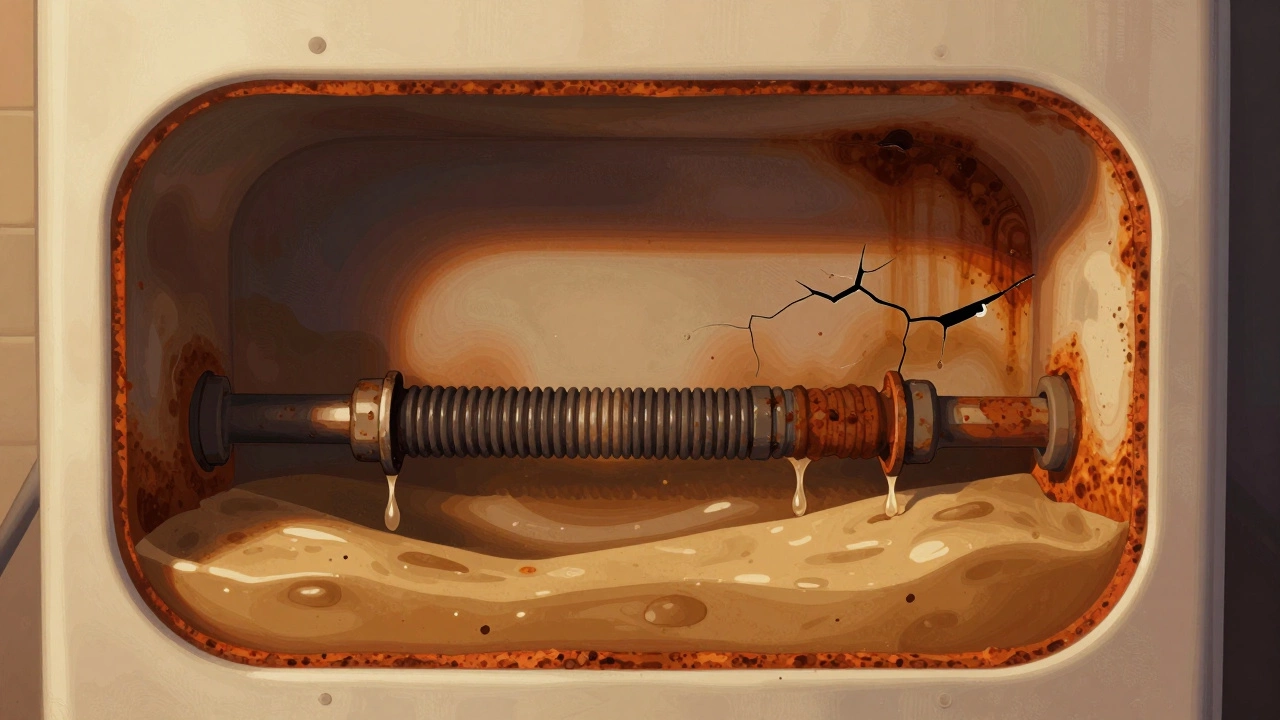
If your hot water comes out rusty, brown, or yellow, that’s rust inside the tank. It’s not coming from your pipes-it’s from the tank corroding from the inside. Even a little rust means the protective lining has broken down. If you’re also smelling something like rotten eggs, that’s sulfur bacteria reacting with the magnesium anode rod. It’s not dangerous, but it’s a sign the rod is spent and the tank is unprotected. Once the tank starts leaking rust or emitting foul odors, it’s not a matter of if it will fail-it’s a matter of when. Replacing the anode rod won’t fix this. The tank itself is compromised.
There’s moisture or puddles around the base
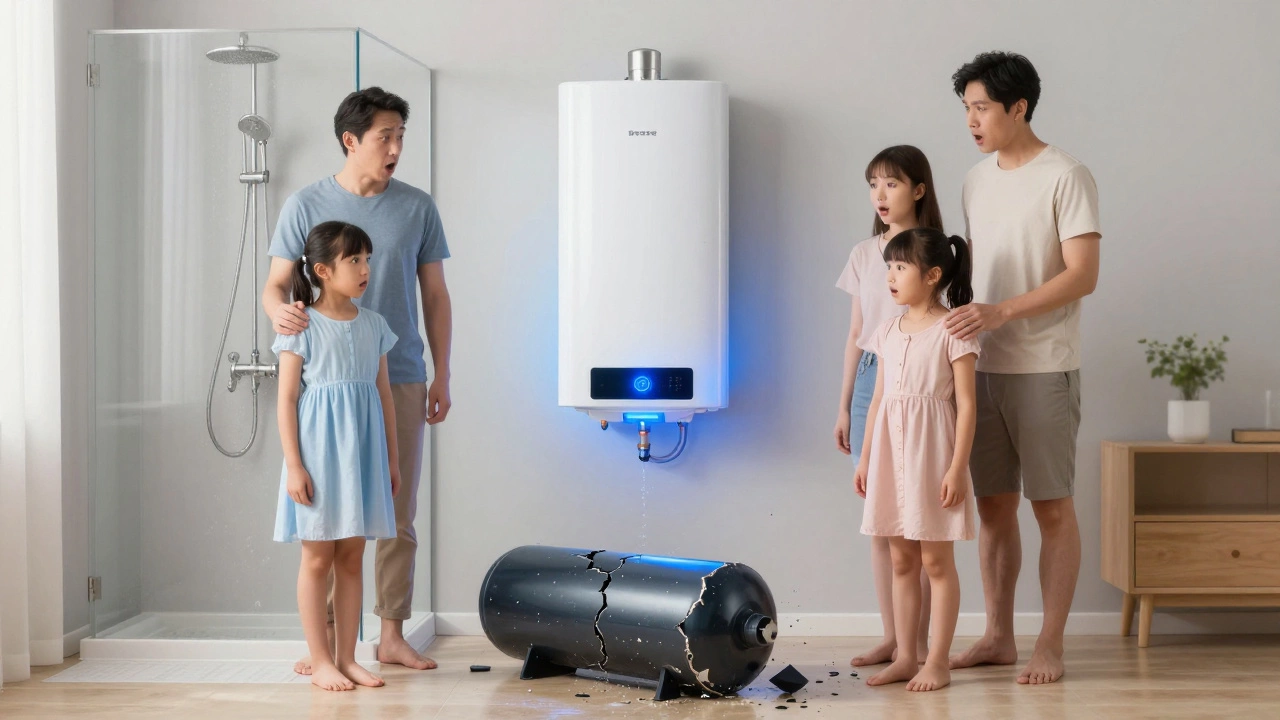
Any water pooling under your water heater is a red flag. It could be a loose pipe, a faulty pressure valve, or a cracked tank. If you’ve checked all the connections and the drip pan is dry, but there’s still water on the floor, the tank is likely leaking. A small drip might seem minor, but water heaters hold 80 to 120 liters of pressurized water. One small crack can turn into a flood in under an hour. In Auckland homes, where basements and laundry rooms are common, a burst tank can ruin flooring, drywall, and even electrical systems. Don’t wait for a geyser. If you see water near the base, get it inspected immediately. If it’s over 8 years old, replacement is almost always the best option.
Your energy bills are creeping up
If your power bill has gone up over the last year-even though your usage hasn’t changed-you might be paying more to heat water that’s not getting any hotter. An old, inefficient water heater can use 30% to 50% more energy than a new one. Older models don’t have the insulation standards of today. Heat escapes through the tank walls, forcing the element to cycle on and off more often. You won’t notice this day to day, but your electricity bill will. A new energy-efficient model can cut your water heating costs by up to 40%. In New Zealand, where electricity prices keep rising, that’s hundreds of dollars a year.
The pilot light keeps going out (gas models)
If you have a gas water heater and the pilot light goes out frequently, it’s not just bad luck. It could be a faulty thermocouple, a draft, or a clogged burner. But if you’ve cleaned the burner and replaced the thermocouple and it still won’t stay lit, the issue is deeper. Gas water heaters rely on precise airflow and combustion. As they age, internal components warp or corrode. A pilot light that won’t stay on isn’t just inconvenient-it’s a safety risk. Gas leaks, even small ones, can accumulate over time. If your gas heater is over 10 years old and keeps failing, replacement is safer and more cost-effective than repeated repairs.
You’re planning to stay in your home for more than a few years
Even if your water heater is still working, think long-term. If you plan to live in your home for another 5+ years, investing in a new unit makes sense. New models are quieter, more efficient, and come with 10- to 12-year warranties. Tankless water heaters, while more expensive upfront, can last 20 years and give you endless hot water. You’ll also get better resale value. Buyers notice when a home has a recent, reliable water heater. Waiting until the last minute means you’ll be stuck with emergency repair prices, limited choices, and possible delays during Auckland’s busy winter months.
What to do next
If you’ve noticed two or more of these signs, it’s time to start looking at replacements. Don’t wait for a flood. Start by checking the serial number on the tank-it usually includes the manufacture date. If it’s over 10 years old, start researching new models. Consider a heat pump water heater if you’re looking to cut energy bills long-term. They’re becoming popular in New Zealand homes because they use ambient heat from the air instead of electricity to heat water. They’re more expensive to install but can save you over $600 a year on power bills.
Get quotes from two or three licensed plumbers. Ask if they include removal and disposal of the old unit. Make sure they check your home’s water pressure and venting system before installing a new one. Don’t just go for the cheapest option-cheap installation can lead to leaks, poor performance, or voided warranties.
Replacing your water heater isn’t glamorous. But it’s one of the most practical upgrades you can make to your home. It’s not about having the fanciest appliance-it’s about having one that works when you need it, without surprising you with a flood at 7 a.m. on a Monday.
How long does a hot water heater usually last?
Most tank-style water heaters last between 8 and 12 years in New Zealand conditions. Tankless models can last up to 20 years. Factors like water hardness, maintenance, and usage affect lifespan. If your heater is over 10 years old, it’s time to consider replacement even if it’s still working.
Can I repair my water heater instead of replacing it?
Minor issues like a faulty thermostat, leaking pressure valve, or bad heating element can often be repaired. But if your heater is over 8 years old, or if you’re dealing with rust, sediment buildup, or tank leaks, repairs are usually temporary. Replacing the unit is more cost-effective in the long run and avoids the risk of sudden failure.
What’s the most common cause of water heater failure?
Corrosion from inside the tank is the #1 cause. This happens when the anode rod wears out and no longer protects the metal tank from rust. Hard water speeds up this process. Once the tank starts leaking, it’s not fixable-replacement is the only solution.
Should I switch to a tankless water heater?
Tankless heaters are great if you want endless hot water and lower energy bills. They’re more expensive to install and need proper gas or electrical capacity. In Auckland homes with high hot water demand, they’re becoming popular. But if you have a small household and low usage, a standard efficient tank model might be better value.
How much does it cost to replace a hot water heater in Auckland?
Standard tank replacements cost between $1,500 and $3,000, including removal and installation. Tankless models range from $3,500 to $6,000. Heat pump water heaters start around $3,000. Prices vary based on brand, size, and whether your plumbing or electrical system needs upgrades.