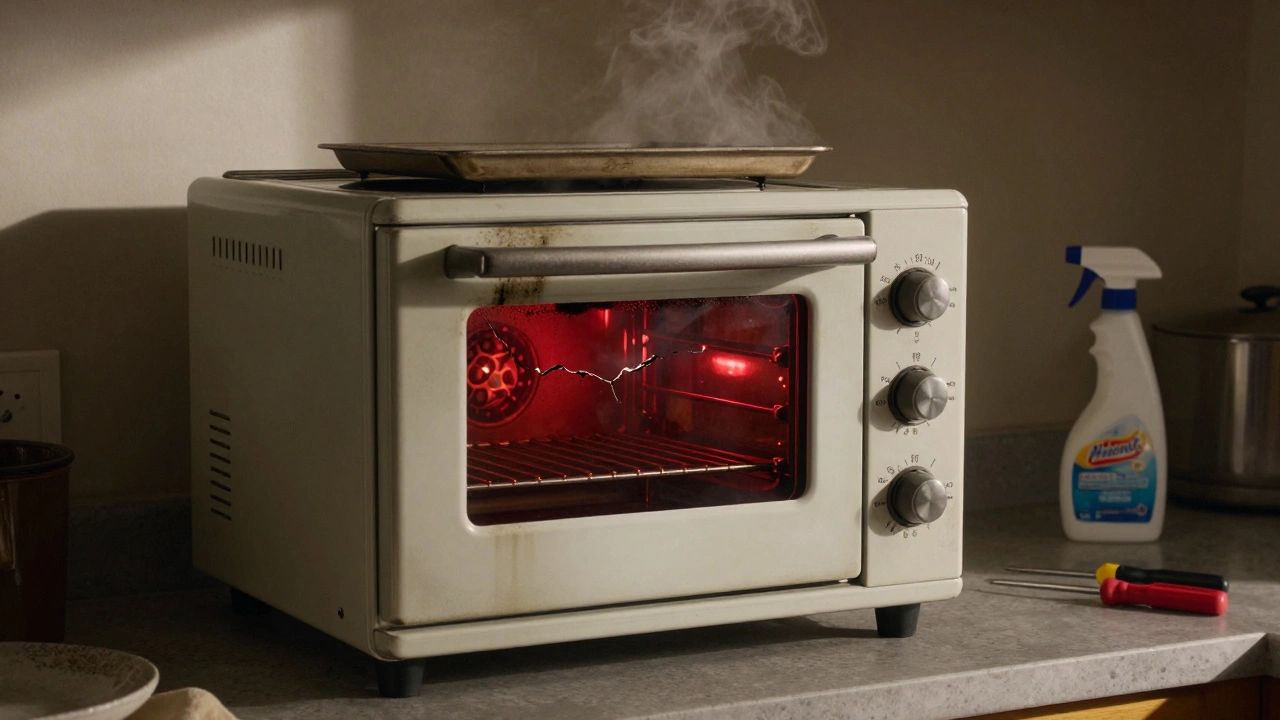
That moment when you open the oven door and there’s nothing but cold air inside is never fun. You’ve got dinner planned, maybe guests coming over, or just a simple family meal that suddenly feels impossible. The first question that pops into your head is usually: can this thing actually be fixed, or am I looking at a new purchase?
The short answer is yes. In almost every case, a cooker can be repaired. Whether it’s an electric range, a gas stove, or a high-end induction model, these machines are built with replaceable parts. However, the real question isn’t just whether it *can* be fixed-it’s whether it *should* be. Sometimes the cost of labor and parts outweighs the value of the machine, especially if it’s older than ten years.
Diagnosing the Problem Before You Call Anyone
Before you spend money on a service call, take five minutes to figure out exactly what’s going wrong. Most cooker issues fall into a few common buckets. Identifying the specific symptom helps you decide if this is a quick DIY fix or a job for a professional.
If your oven is not heating up at all, the culprit is often the heating element (in electric models) or the igniter (in gas models). For electric ovens, look inside. If the back wall element glows red but the food stays cold, your thermostat might be misreading the temperature. If neither element glows, you likely have a broken element or a tripped thermal fuse.
For gas cookers, listen closely. When you turn the dial, do you hear a clicking sound? That’s the spark igniter working. If you hear clicks but no flame, the gas supply might be cut off, or the burner ports could be clogged with grease. If there’s no click and no flame, the ignition module is likely dead. This is a more complex electrical issue that usually requires a technician.
- Oven won’t heat: Check elements, thermostats, or igniters.
- Hob burners stay lit too long or won’t light: Inspect gas valves or electronic spark modules.
- Uneven cooking: Look for warped racks or faulty calibration in the temperature sensor.
- Door won’t seal: Examine the gasket for tears or debris preventing a tight close.
When DIY Makes Sense (And When It Doesn’t)
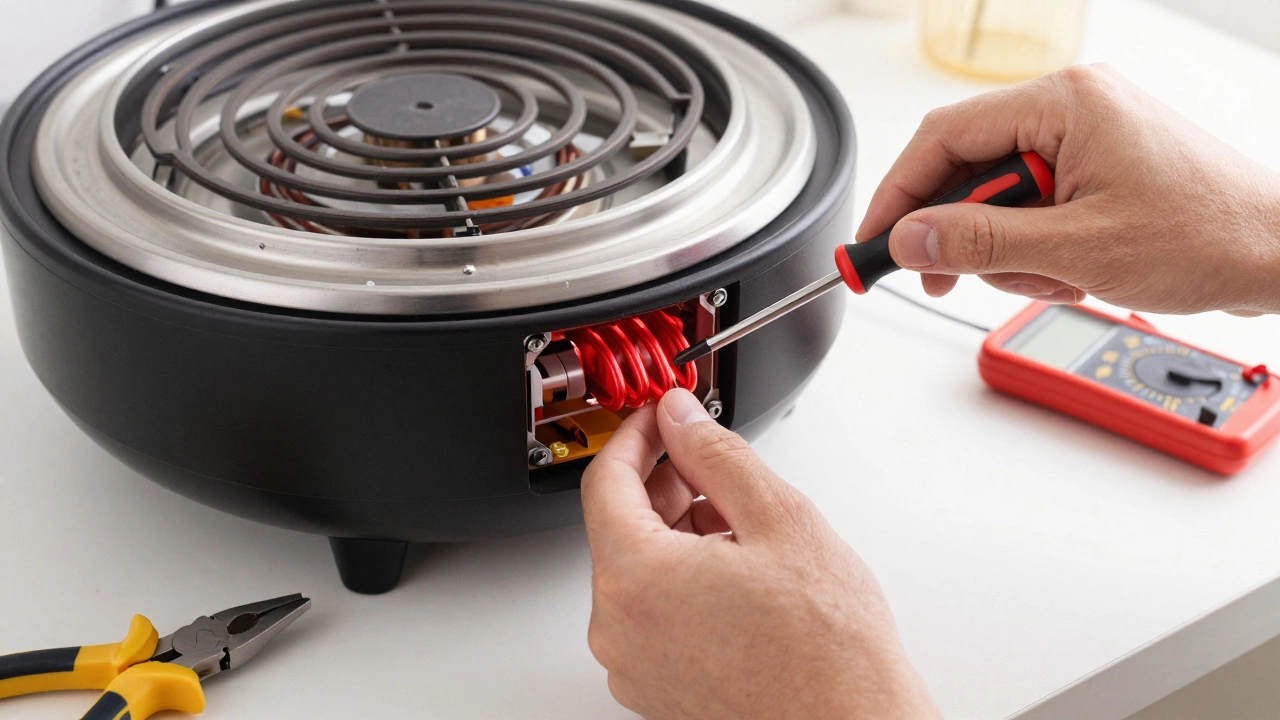
You don’t need to be an engineer to swap out a broken part. Many modern cookers are designed with user-replaceable components. If you’re comfortable using a screwdriver and watching a YouTube tutorial, you can handle several common repairs yourself. This saves you the $100-$150 service call fee that most technicians charge just to show up.
Replacing an oven heating element is one of the easiest fixes. Once you disconnect the power (always unplug the unit or turn off the breaker), you remove two screws, pull out the old element, and slide in the new one. It takes about twenty minutes. Similarly, changing a door gasket-the rubber seal around the oven door-is straightforward. If the seal is cracked, your oven loses heat, causing longer cook times and higher energy bills. A new gasket costs less than $30 and snaps right into place.
However, there are hard lines you shouldn’t cross. Gas leaks are not a DIY project. If you smell rotten eggs or notice hissing sounds near your gas hob, shut off the main gas valve immediately and call a licensed professional. Tampering with gas lines without certification is dangerous and illegal in many places, including New Zealand under Health and Safety regulations.
Electrical board replacements also require caution. Modern cookers use complex control boards that manage everything from clock functions to self-cleaning cycles. If you mess up the wiring, you risk damaging other components or creating a fire hazard. If the problem involves the main circuit board or internal wiring harnesses, hire a pro.
The Cost Equation: Repair vs. Replace
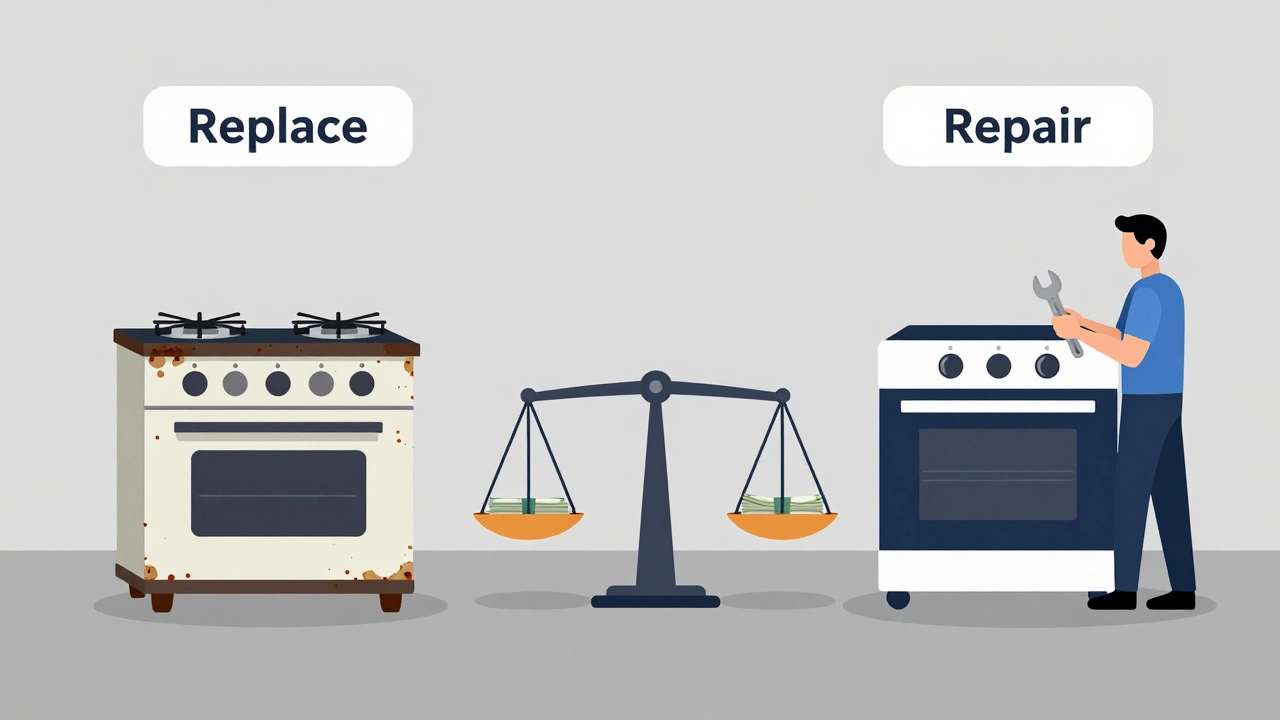
This is where most people get stuck. How do you know if spending $400 on a repair is worth it when a new cooker costs $800? There’s a simple rule of thumb used by appliance technicians: the 50% rule. If the repair cost exceeds 50% of the price of a comparable new unit, it’s usually better to replace.
But age matters just as much as price. A ten-year-old cooker has likely seen its last major overhaul. Even if you fix the current issue, another part will likely fail within six months. On the other hand, a three-year-old premium brand cooker with a single broken fan motor is definitely worth repairing. These units are built to last fifteen years or more.
| Scenario | Action | Reasoning |
|---|---|---|
| Unit is < 5 years old | Repair | High remaining lifespan; warranty may still cover parts. |
| Unit is 5-10 years old | Evaluate | Check repair cost against 50% rule. Consider efficiency upgrades. |
| Unit is > 10 years old | Replace | Parts may be obsolete; energy efficiency is poor compared to new models. |
| Gas leak suspected | Professional Repair Only | Safety critical; DIY attempts are hazardous and illegal. |
Finding a Reliable Technician in Auckland
If you decide to call in the experts, finding someone trustworthy can be tricky. In Auckland, the market is flooded with independent handymen and large franchise companies. Here’s how to spot a reputable technician.
First, check for licensing. In New Zealand, anyone working on gas appliances must hold a Gas Safe registration (or equivalent local certification). For electrical work, they should be registered with Electrical Workers Registration Board (EWRB). Ask for their license number upfront. A legitimate pro will provide it without hesitation.
Second, look for transparency in pricing. Avoid technicians who quote a flat rate without diagnosing the issue first. Reputable companies offer a diagnostic fee that is often waived if you proceed with the repair. They should provide a written estimate before starting any work.
Third, read recent reviews. Focus on comments about punctuality, cleanliness, and honesty. Did they explain what was wrong? Did they try to upsell unnecessary services? Local forums and community groups in Auckland suburbs like Ponsonby, Remuera, or Takapuna often have candid discussions about local tradespeople.
Maintenance Tips to Extend Your Cooker’s Life
Prevention is cheaper than cure. Simple habits can add years to your cooker’s lifespan. Clean spills immediately. Grease buildup on oven walls doesn’t just look bad; it insulates the heating elements, forcing them to work harder and burn out faster. Wipe down your hob after every use to keep burner ports clear.
Don’t overload the oven. Stacking pans blocks airflow, leading to uneven heating and stress on the fan motor. Use the self-clean cycle sparingly. While convenient, the extreme temperatures involved can degrade door seals and interior coatings over time. Instead, wipe down the interior regularly with a damp cloth and mild detergent.
Finally, pay attention to small changes. If your oven starts taking longer to preheat or your gas flames look yellow instead of blue, address it early. These are warning signs of bigger problems brewing. Ignoring them turns a $50 fix into a $500 disaster.
How much does it cost to repair a cooker in Auckland?
Labor rates vary, but expect to pay between $80 and $120 per hour for a qualified technician. Diagnostic fees typically range from $60 to $90. Parts costs depend on the brand and availability. A simple element replacement might total $150, while a control board fix could exceed $400.
Is it safe to repair a gas cooker myself?
No. Gas appliances involve combustion risks and potential carbon monoxide leaks. Only licensed gasfitters should perform repairs on gas cookers. DIY attempts can void warranties and pose serious safety hazards to your household.
Why is my oven making a buzzing noise?
A buzzing sound often indicates a failing convection fan motor or loose wiring. If the noise persists, turn off the oven and contact a technician. Continuing to use it may cause further damage to the motor or electrical system.
Can I use a universal replacement part for my cooker?
Sometimes, but caution is advised. Universal elements or knobs may fit physically but lack the precise voltage or temperature ratings of OEM parts. Using incorrect parts can lead to performance issues or safety risks. Always verify compatibility with your model number.
How long does a typical cooker repair take?
Most standard repairs, such as replacing elements or igniters, take 30 to 60 minutes. Complex issues involving control boards or gas valves may take 2 to 3 hours. Technicians usually carry common parts, so same-day repairs are frequent unless specialized components need ordering.