Water Heater Cost Comparison Calculator
Calculate Your Water Heater Cost Savings
Enter your water heater details to see if repair or replacement is more cost-effective.
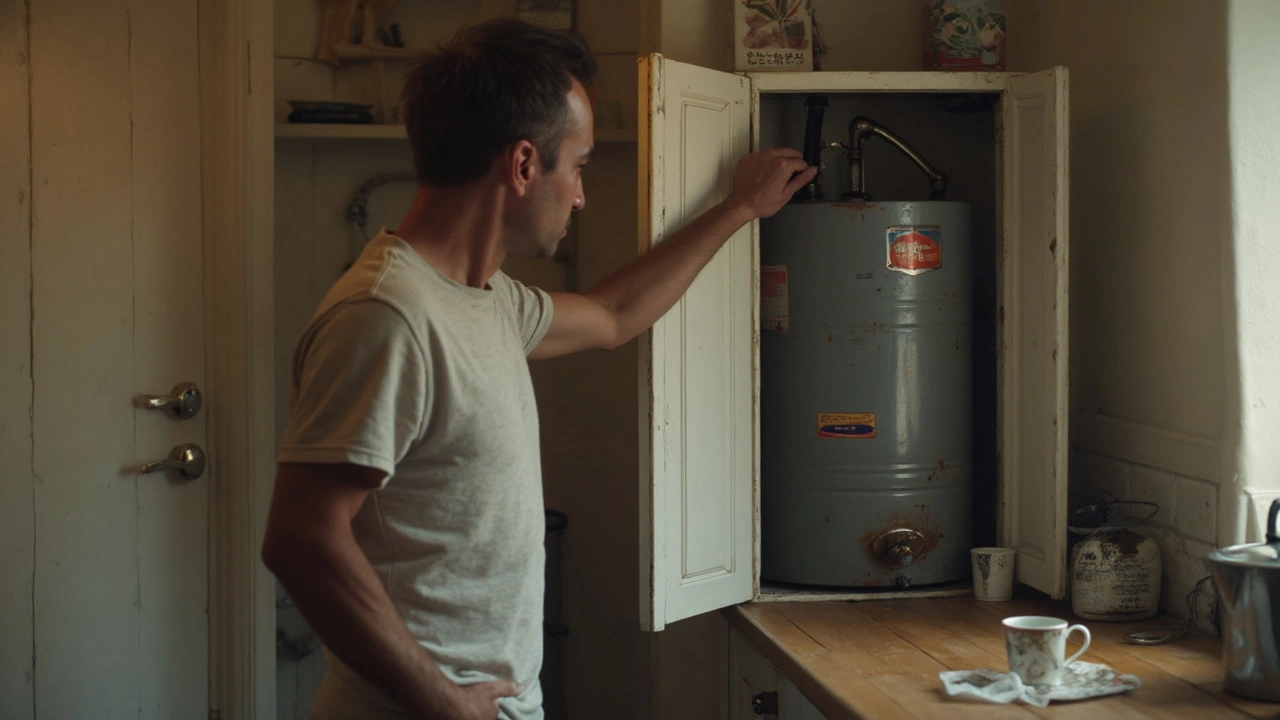
You’ve got a 20-year-old water heater. It still works-sort of. The water takes forever to heat up, it makes strange noises, and you’ve started noticing little puddles near the base. Now you’re wondering: should you fix it, or just replace it?
There’s no one-size-fits-all answer. But in New Zealand, where water pressure is high, energy costs are rising, and homes often have older plumbing, the math usually leans toward replacement. Let’s break down what really matters when your water heater hits two decades.
How long do water heaters actually last?
Most tank-style water heaters last between 8 and 12 years. That’s the standard lifespan manufacturers design for. But you’ve got one that’s been going for 20 years. That’s not normal. It’s not lucky. It’s basically running on fumes.
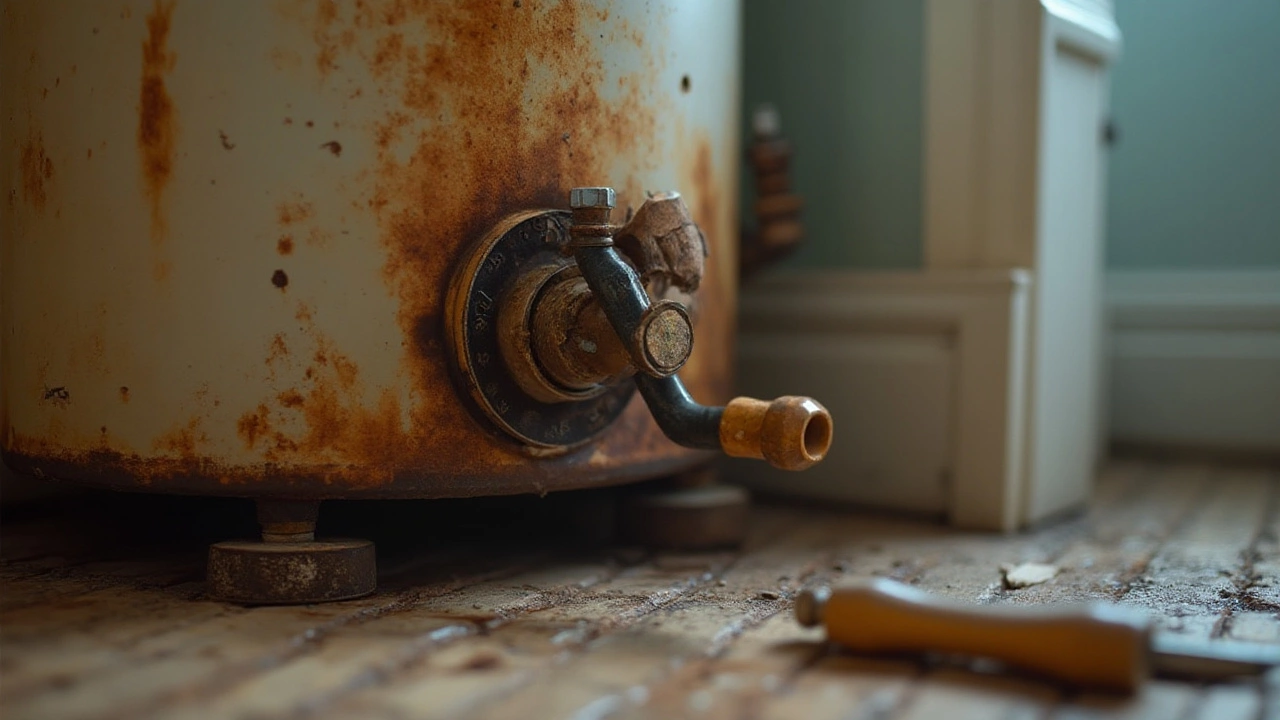
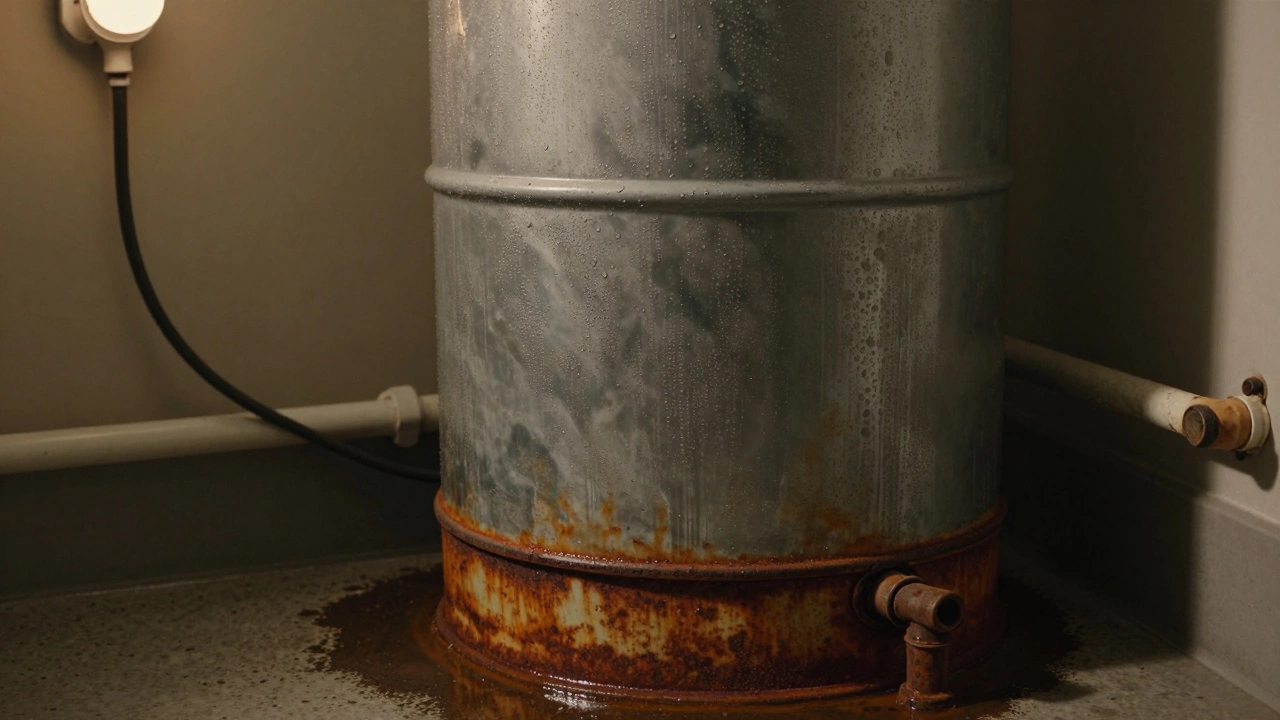
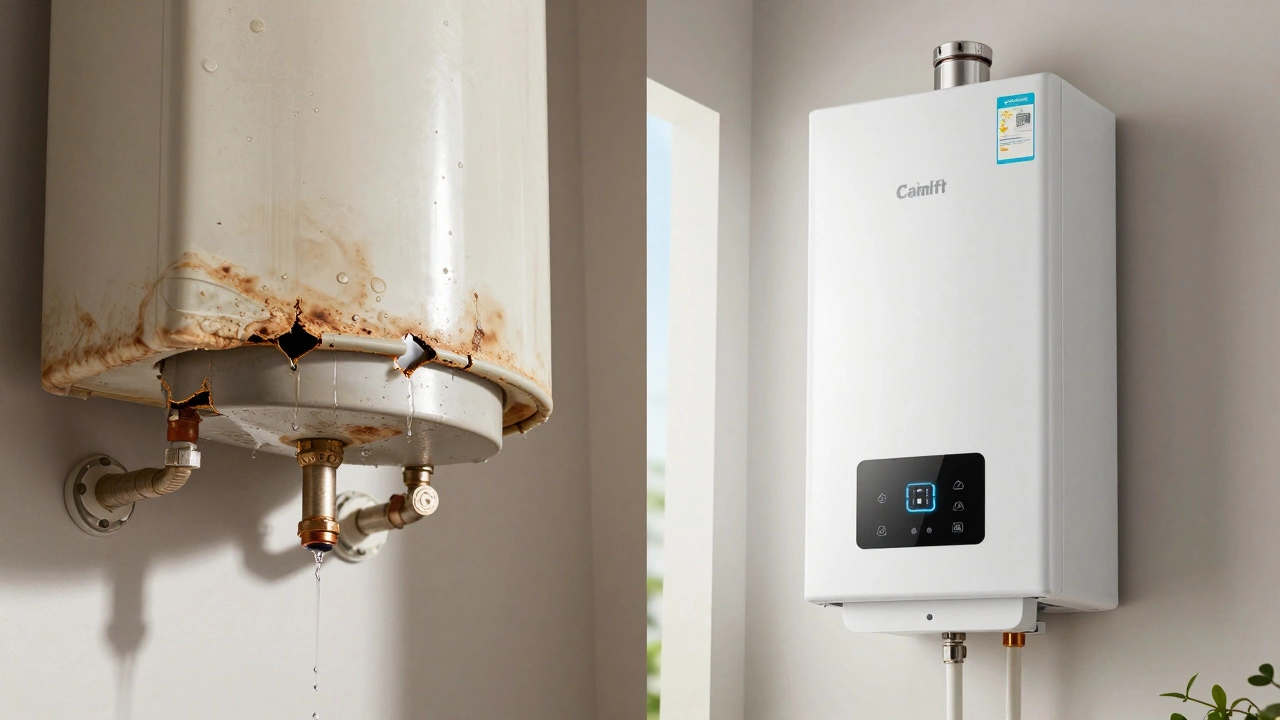
Water heaters don’t just wear out-they corrode from the inside. The anode rod, which protects the tank from rust, usually lasts 5 to 7 years. After that, the tank itself starts eating away. By year 15, most tanks have significant rust buildup. At 20 years? You’re one leak away from a flooded laundry room.
Some people swear by their 25-year-old heaters. But those are the exceptions. They’re usually in homes with soft water, low usage, or one that was never pushed hard. If yours is in a busy household, it’s been working overtime. That kind of stress doesn’t last.
What’s the cost of fixing it?
Let’s say you call a plumber. The leak is coming from the bottom of the tank. They check it out and say: “It’s the dip tube,” or “The heating element’s gone.”
Fixing a dip tube? That’s about $150-$250. Replacing a heating element? Another $200-$300. Add labour, diagnostic fees, and a service call, and you’re looking at $400-$600.
Now, here’s the catch: even if you fix it, you’re not fixing the rust. You’re not fixing the fact that the tank is thinning. You’re not fixing the fact that it’s using 30-50% more energy than a modern unit.
That $500 repair? It buys you maybe 1-2 more years. And next time, it might not be a simple part. It could be a full tank rupture. That’s not a $500 problem anymore. That’s a $5,000 water damage claim.
What’s the cost of replacing it?
Replacing a standard 50-gallon electric water heater in Auckland? You’re looking at $1,800-$2,500 installed. That includes removal, disposal, new unit, plumbing, electrical, and safety checks.
But here’s what you get:
- Energy savings: Modern units are 20-30% more efficient. If you’re paying $1,200 a year on hot water, that’s $240-$360 saved annually.
- Better performance: New models heat water faster, hold temperature longer, and have better flow rates.
- Warranty: Most new heaters come with 6-12 years of warranty. Your 20-year-old? It’s been expired since 2010.
- Peace of mind: No more midnight leaks. No more panic when the kids take long showers.
And if you go with a heat pump water heater? You could cut your hot water energy use by 60%. In Auckland’s mild climate, that’s a smart move. The upfront cost is higher-around $3,500-but the payback period is often under 5 years thanks to lower bills.
When should you still consider fixing it?
There are rare cases where a repair makes sense:
- You’re moving out in 6 months and don’t want to invest.
- You’ve got a solar system and the heater is just a backup.
- You’re on a tight budget and can’t afford replacement right now.
In those cases, a repair can be a temporary bridge. But treat it like a band-aid. Set a deadline. Mark your calendar. If you’re fixing it, plan to replace it within a year.
And never ignore signs of serious trouble:
- Water pooling around the base
- Rusty water from the tap
- Loud popping or banging sounds
- Heater takes over an hour to heat up
If you see any of those, don’t wait. Call a plumber for a replacement quote-not a repair estimate.
The hidden cost of waiting
Most people delay replacement because they’re afraid of the upfront cost. But the real cost isn’t the price tag on the new unit. It’s the damage you don’t see coming.
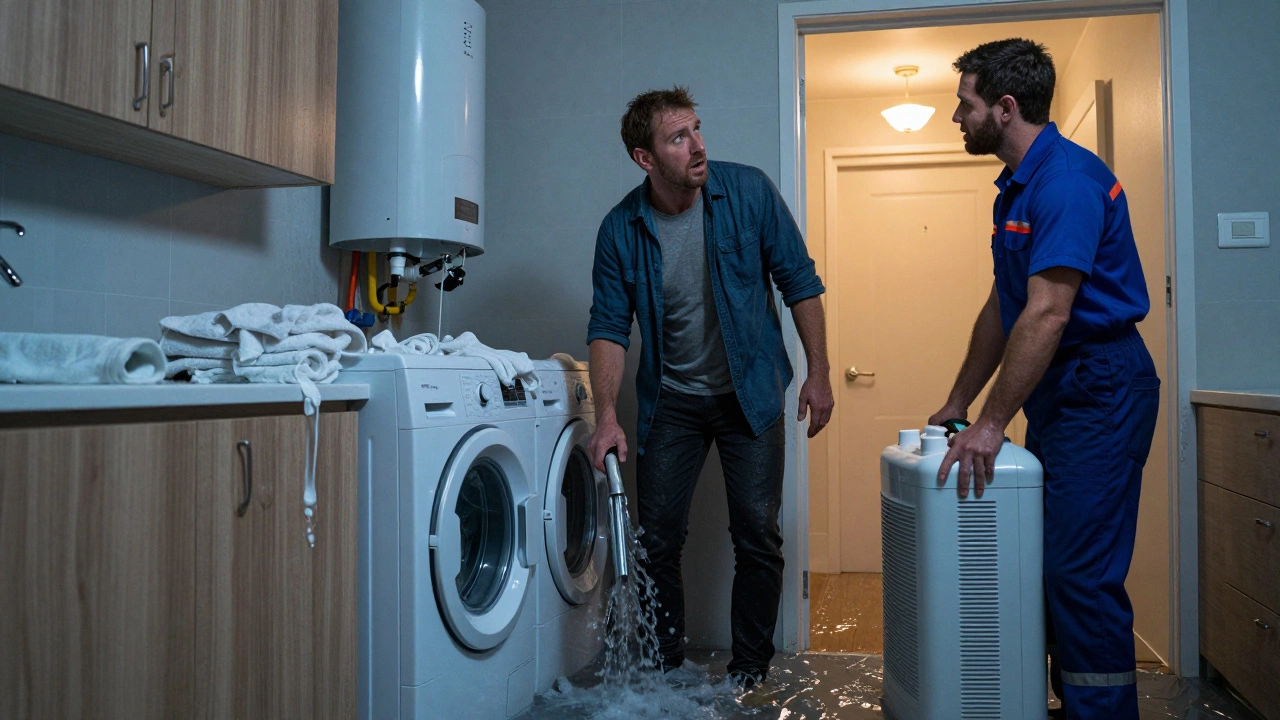
In 2023, a home in Ponsonby had a 22-year-old water heater burst. The water flooded the ground floor. Insurance paid $18,000 in repairs. The homeowner paid a $2,000 excess. They’d spent $300 on a repair two years earlier.
That’s the hidden math: $300 repair + $2,000 excess = $2,300. A new heater? $2,200.
And that’s just one example. Water damage isn’t just expensive. It’s messy. It takes weeks to fix. It disrupts your life. And not all insurance policies cover it fully.
What to do next
Here’s your simple action plan:
- Check the serial number on your heater. The first two digits usually show the year it was made. If it’s 2004 or earlier, you’re at high risk.
- Look for signs of rust, leaks, or slow heating.
- Call two local plumbers for replacement quotes. Ask if they offer free inspections.
- Compare energy ratings. Look for models with a minimum 6-star energy rating under New Zealand’s Energy Efficiency Label.
- Check if you qualify for any government rebates. Some councils offer incentives for switching to heat pump or solar-assisted models.
Don’t wait for the leak. Don’t wait for the bills to spike. Don’t wait until you’re standing in a flooded laundry room with a broken heater and no hot water for three days.
At 20 years old, your water heater isn’t just old. It’s a liability. Replacing it isn’t an expense-it’s insurance.
Common questions
Can I extend the life of my 20-year-old water heater with maintenance?
You can slow it down, but not stop it. Flushing the tank yearly helps remove sediment, and replacing the anode rod every 5 years can delay corrosion. But after 20 years, the tank walls are already thin. Maintenance might give you another year or two, but it won’t make it safe or efficient. Think of it like changing the oil in a car with a cracked engine-it doesn’t fix the core problem.
Is it cheaper to repair or replace a 20-year-old water heater?
In nearly every case, replacement is cheaper over time. A repair might cost $500 today, but if the tank fails in 6 months, you’ll pay $2,500 for replacement plus water damage. A new heater costs $2,200 upfront but saves you $250-$400 a year on energy. You break even in under 8 years-and gain peace of mind from day one.
What type of water heater should I get instead?
For most Auckland homes, a heat pump water heater is the best balance of efficiency, cost, and reliability. It uses ambient air to heat water, cutting energy use by up to 60%. If you have solar panels, a solar-assisted electric model is even better. Tankless heaters are great for small homes, but they require high electrical capacity and can struggle with multiple showers at once. Stick with a 50-60 gallon heat pump unless you have a very specific need.
Do I need a plumber to install a new water heater?
Yes. Water heater installation involves plumbing, electrical work, pressure testing, and compliance with New Zealand Building Code standards. DIY replacements are risky and often void warranties. Licensed plumbers will also handle disposal of the old unit and ensure the new one is correctly vented and safety-checked. Don’t risk leaks or electrical hazards-hire a pro.
Are there rebates for replacing an old water heater in New Zealand?
Some Auckland Councils offer rebates for switching to heat pump or solar water heaters. The Energy Efficiency and Conservation Authority (EECA) also has occasional incentives. Check their website or call your local council’s sustainability team. Even a $500-$1,000 rebate can make a big difference in your upfront cost.