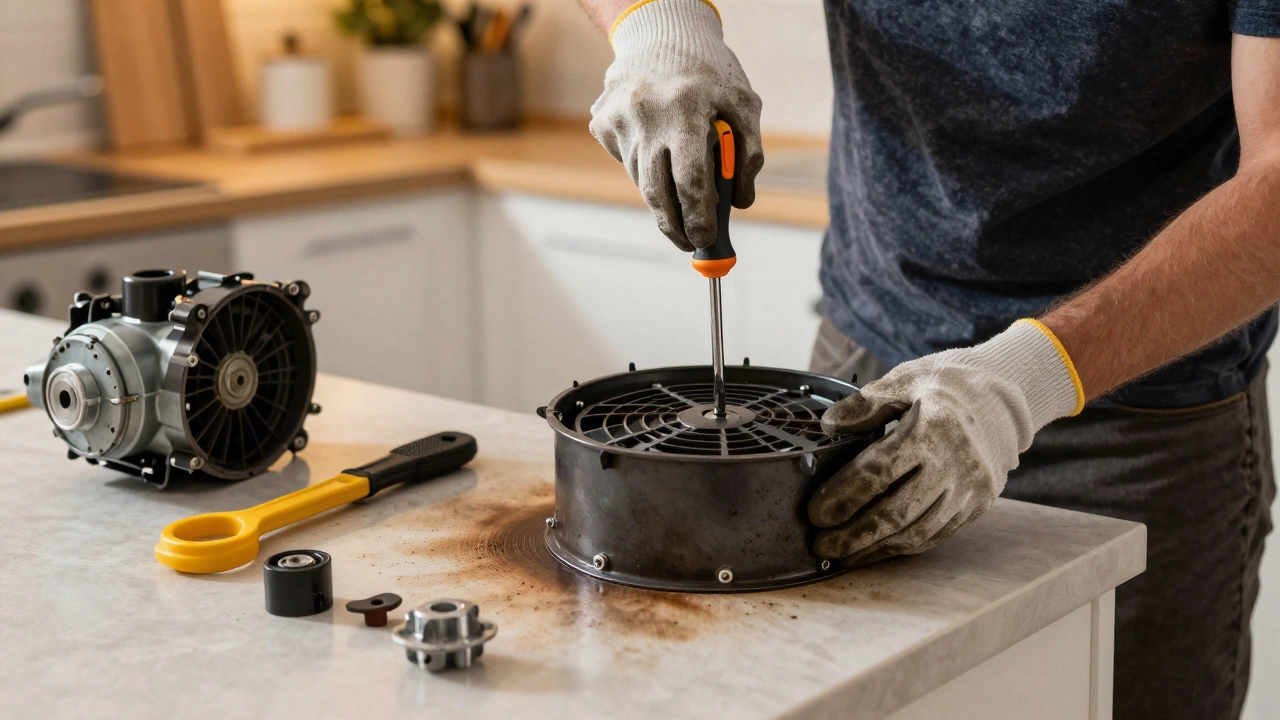
Extractor Fan Troubleshooter
Find Your Problem
Select your symptom to get personalized repair instructions
Diagnosis Results
When your kitchen extractor fana ventilation device that removes cooking fumes, smoke, and odors from your kitchen stops working, it’s more than just an inconvenience-it can leave your kitchen smoky, humid, and full of lingering cooking smells. Over 60% of extractor fan failures happen because of simple, fixable issues. Let’s break down the most common reasons and how to fix them yourself.
Grease and Dust Buildup
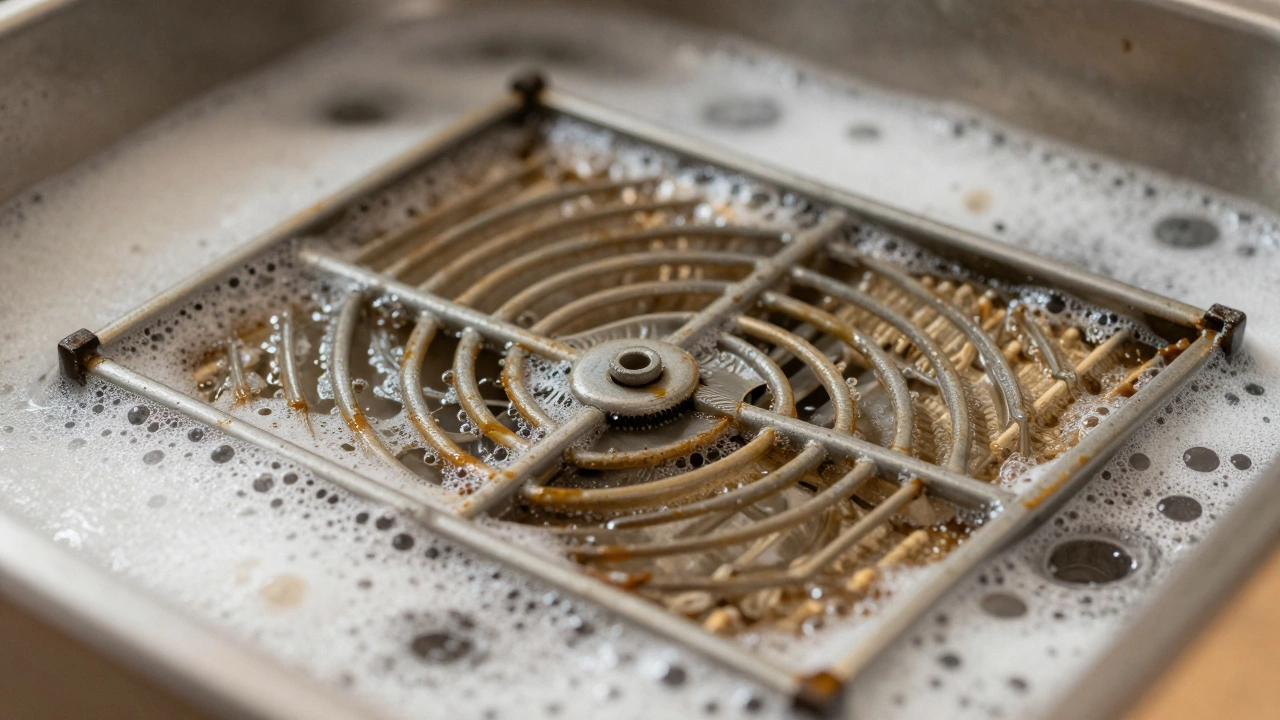
The biggest culprit for a failing extractor fan is grease and dust clogging the system. Every time you cook, tiny grease particles float into the air and stick to the grease filtera removable mesh or baffle that traps cooking grease before it reaches the fan motor and fan blades. Over time, this buildup slows airflow, makes the fan noisy, or stops it entirely. In New Zealand homes, high humidity from boiling pasta or frying eggs speeds up this process. Cleaning the grease filter every 2-4 weeks is key. Simply remove it, soak in hot soapy water for 15 minutes, scrub with a soft brush, and let it dry completely before reinserting. If the filter is too damaged, replace it-most cost under $20.
Motor Problems
If the fan makes a loud humming sound but doesn’t spin, the motorthe core component that powers the fan blades is likely struggling. This often happens when the capacitora small cylindrical component that stores electricity to start the motor fails. Capacitors wear out after 5-10 years of use. To check, turn off power at the breaker, open the fan housing, and locate the capacitor (usually near the motor). If it’s swollen, leaking, or has burn marks, replace it. A new capacitor costs $5-$15 and takes 10 minutes to install. If the motor itself is dead (no humming sound at all), it’s time to call a professional.
Electrical Faults
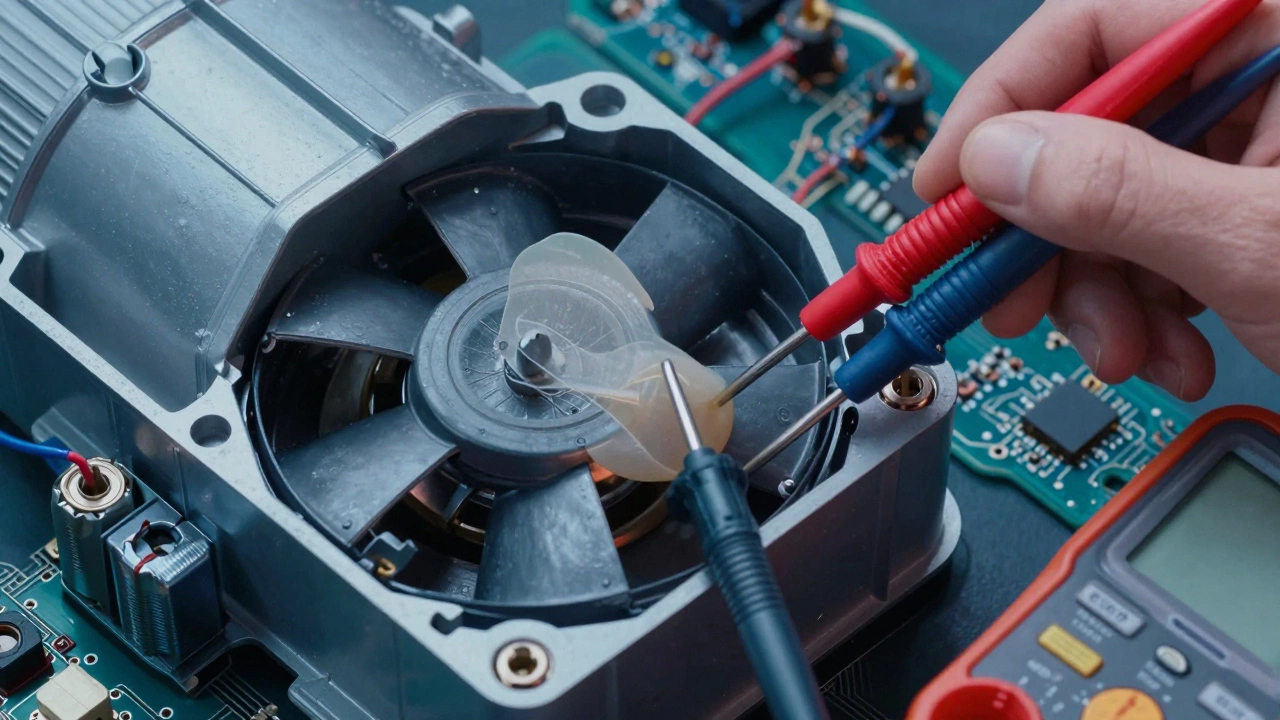
Many extractor fan issues trace back to electrical problems. Start with the simplest fix: check your circuit breaker. A tripped breaker is common if the fan shares a circuit with other appliances. If the breaker is fine, test the electrical switchthe wall control that powers the fan with a multimeter. If there’s no voltage, the switch might be faulty. Loose wiringthe electrical connections inside the fan or wall can also cause intermittent power. Always turn off power at the breaker before inspecting wiring. If you’re unsure about electrical work, skip DIY and call an electrician-safety first.
Ductwork Blockages
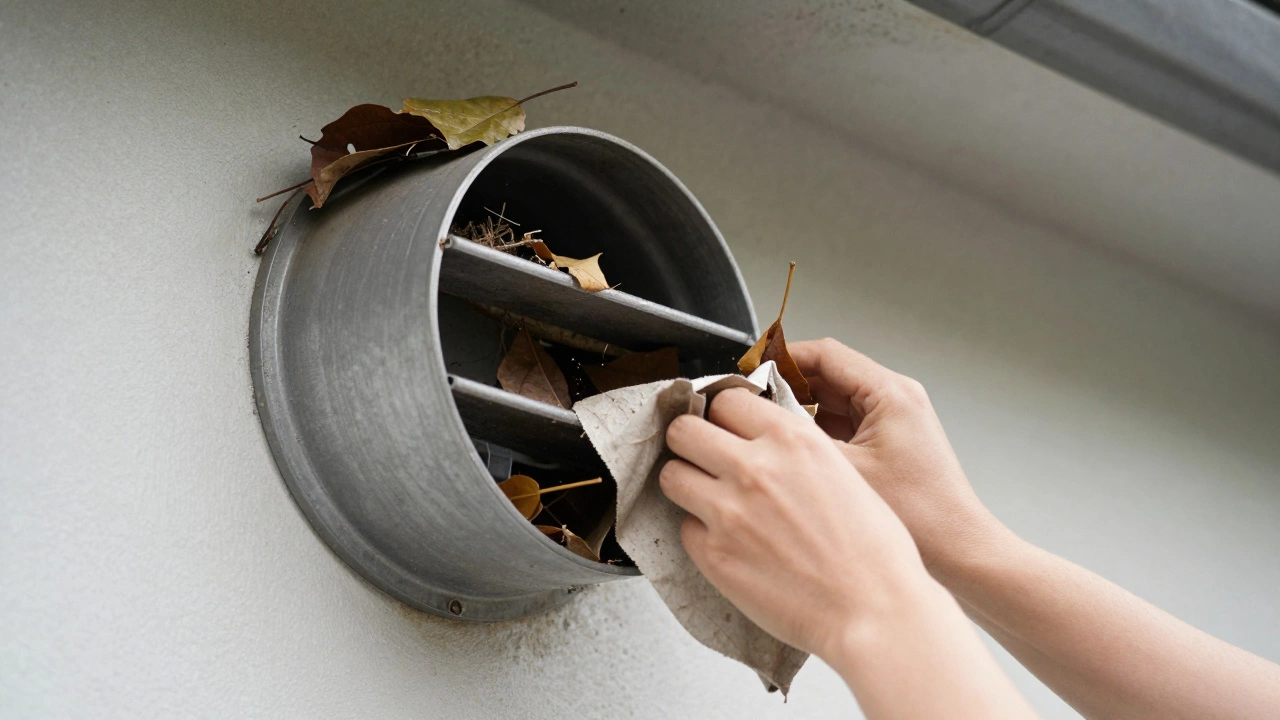
Even if the fan runs, it might not vent air properly if the ductwork is blocked. In New Zealand, birds’ nests, leaves, or even ice buildup in winter can clog the outside vent. To check, go outside and look at the exhaust vent. If it’s covered in debris or blocked by a bird’s nest, clear it carefully. Inside the house, remove the grease filter and hold a tissue near the fan outlet. If the tissue doesn’t stick to the grille, airflow is weak. For stubborn blockages, you might need a flexible brush to clear the duct. If the duct runs through the roof or walls, professional help is safest.
When to Call a Professional
You don’t need to tackle everything yourself. Call a technician if: the fan has no power after checking the breaker and switch, you smell burning plastic (which could mean overheated wiring), or the motor is making grinding noises. In New Zealand, certified electricians can safely handle wiring issues. Also, if your fan is under warranty, DIY repairs might void it-always check the manufacturer’s guidelines first. For older units (over 10 years), replacing the whole fan is often more cost-effective than repairs.
Preventative Maintenance Tips
Regular upkeep keeps your extractor fan running smoothly. Clean the grease filter monthly if you cook often, or every 2-4 weeks for light cooking. Run the fan for 10-15 minutes after cooking to clear lingering moisture. Check the outside vent twice a year for debris. If you notice unusual vibrations or smells, address them early-small problems become expensive repairs if ignored. A well-maintained extractor fan lasts 10-15 years and keeps your kitchen air fresh and safe.
| Problem | Symptoms | Fix |
|---|---|---|
| Grease buildup | Reduced airflow, loud noise | Remove and clean the filter with warm soapy water |
| Motor failure | Humming sound but no spin | Replace capacitor or motor |
| Electrical fault | No power to fan | Check circuit breaker and wiring connections |
| Duct blockage | Fan runs but no air outside | Clear debris from duct or outside vent |
Why does my extractor fan make a loud humming noise?
A loud hum usually means the motor is struggling to start. The capacitor (a small cylindrical part near the motor) is often faulty. Replace it for $5-$15. If the humming continues after replacement, the motor itself may be worn out and need professional replacement.
How often should I clean the grease filter?
Clean it every 2-4 weeks for most homes. If you fry food daily or cook heavily, clean it weekly. A dirty filter reduces airflow, strains the motor, and increases fire risk. Soak it in hot soapy water, scrub gently, and dry completely before reinstalling.
Can a blocked duct cause the fan to stop working?
Yes. If the duct is blocked by debris, birds’ nests, or ice, the fan might run but not vent air outside. Check the outside vent for obstructions. For simple blockages, clear them manually. For deep or complex blockages, a professional duct cleaner can resolve it safely.
What should I do if the fan won’t turn on at all?
First, check the circuit breaker. If it’s tripped, reset it. If power returns but the fan still doesn’t work, test the wall switch with a multimeter. If there’s no voltage, the switch or wiring is faulty. Always turn off power before inspecting wiring. If you’re uncomfortable with electrical work, call a licensed electrician.
Is it safe to clean the extractor fan myself?
Yes, for basic cleaning like filters or outside vents. Always turn off power at the breaker before opening the unit. However, avoid DIY repairs for electrical issues, motor replacements, or ductwork deep inside walls-these require professional expertise to avoid shocks or further damage.