Oven Repair Cost Estimator 2026
1. Select Repair Method
2. Oven Category
Most people assume a broken element means a new oven, but that's rarely the case. Replacing a part is almost always cheaper than buying a new appliance, provided the rest of the unit is still in good shape. Here is exactly what you can expect to pay and how to decide if you should tackle the job yourself.
Quick Cost Breakdown
If you're looking for the bottom line, here is the general price range for oven heating element cost and labor in 2026. These figures reflect current market rates for standard residential electric ovens.
| Service Type | Part Cost (Avg) | Labor Cost (Avg) | Total Estimated Cost |
|---|---|---|---|
| DIY (Do It Yourself) | $30 - $120 | $0 | $30 - $120 |
| Professional Repair | $50 - $150 | $80 - $200 | $130 - $350 |
| Premium/Built-in Oven | $100 - $300 | $100 - $250 | $200 - $550 |
Understanding the Parts
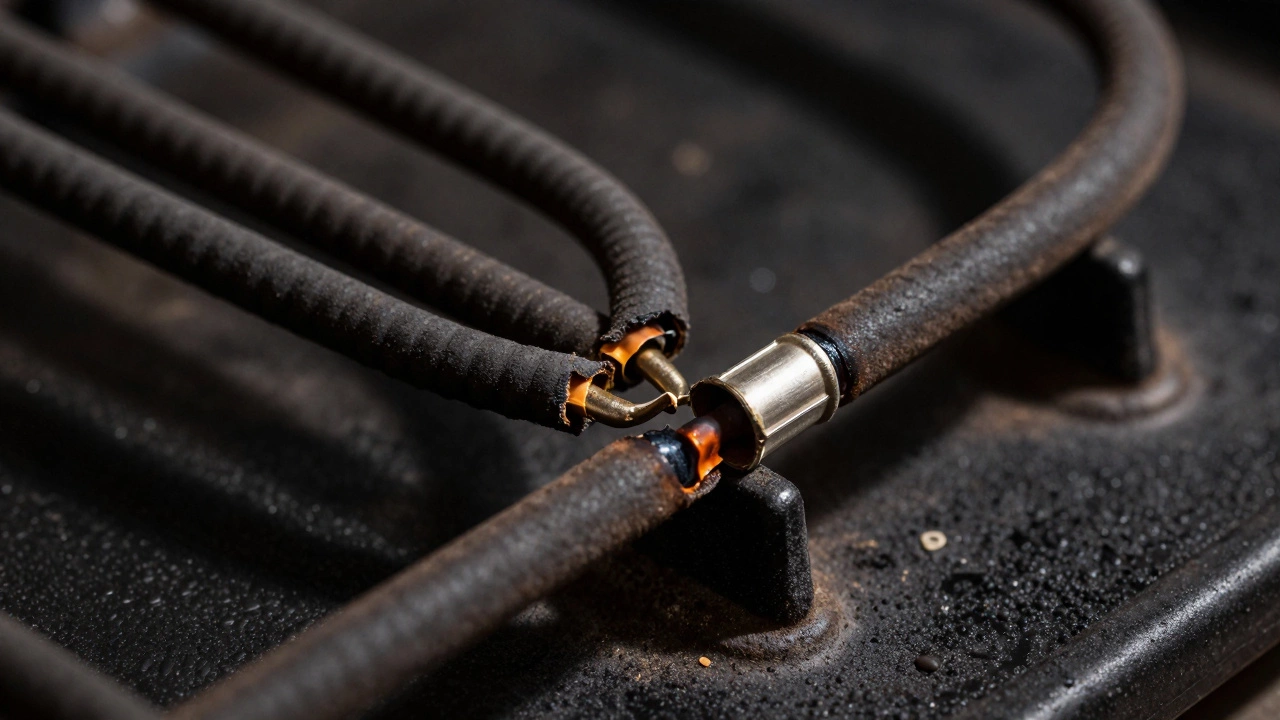
Not all elements are the same. Depending on where the heat is coming from, you might be dealing with a different part. Bake Element is the heating coil located at the bottom of the oven cavity. It's the most common part to fail because it's exposed to spilled food and heavy heat cycles. If your oven doesn't heat from the bottom, this is your culprit.
Then you have the Broil Element, which is the high-heat coil at the top of the oven used for browning and searing. These usually last longer, but when they blow, you'll notice a distinct burnt smell or a visible break in the coil. In some convection ovens, you might also have a third element-the circular one around the fan-which is slightly more expensive to replace due to the labor involved in removing the fan assembly.
Factors That Drive the Price Up
Why does one quote come back at $150 and another at $300? A few things influence the final bill. First, the brand. A generic replacement part for a budget oven might cost $40, but an OEM (Original Equipment Manufacturer) part for a high-end brand like Wolf or Miele can easily triple that price. OEM parts are generally more reliable and fit perfectly, whereas generic parts can sometimes require minor adjustments.
Second, the type of oven. A freestanding range is usually easier to access. A built-in wall oven often requires the technician to spend more time carefully removing the unit from the cabinetry to reach the wiring, which adds to the labor cost. Finally, there is the service call fee. Most appliance repair companies charge a flat diagnostic fee (usually between $75 and $120) just to show up and confirm the problem. Often, this fee is credited toward the actual repair if you hire them to do the work.
Can You Do It Yourself?
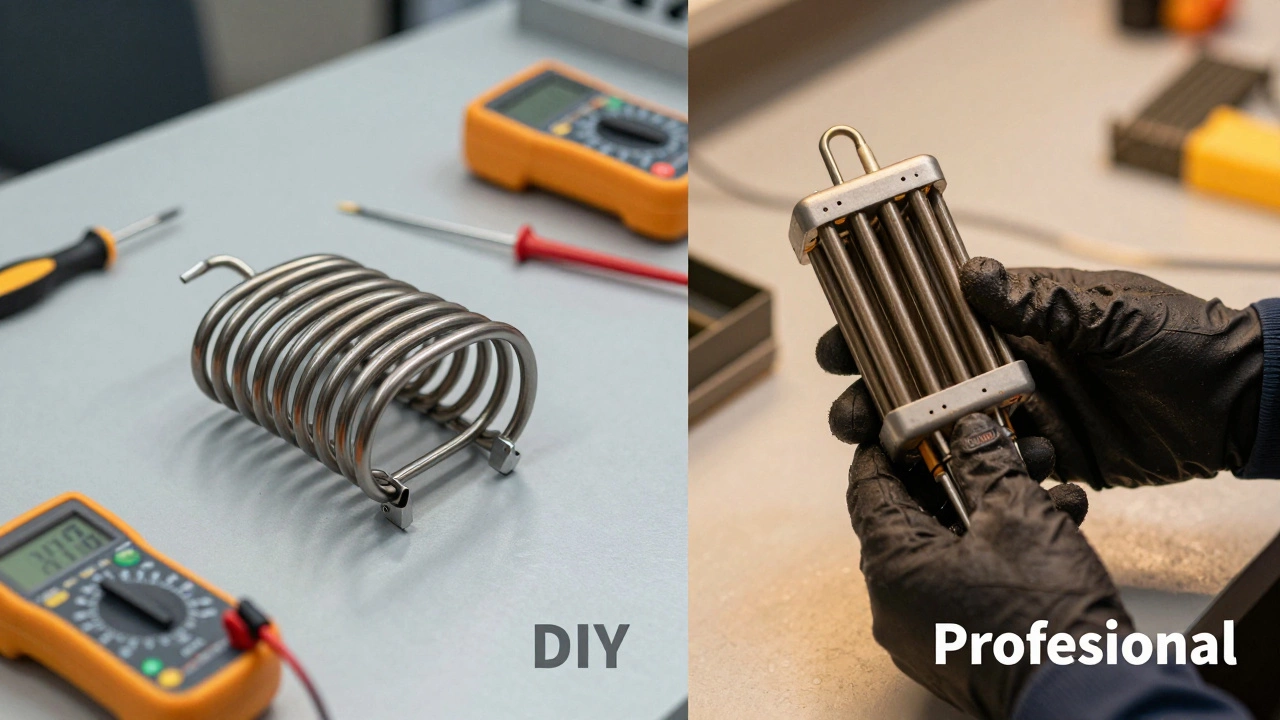
If you have basic tools and can follow a YouTube tutorial, replacing an element is one of the easiest appliance repairs. You basically need a screwdriver, a nut driver, and a voltage tester to be safe. The process usually involves unplugging the oven, removing the oven racks, unscrewing the old element, and plugging in the new one.
However, there are a few red flags that mean you should call a pro. If you see charred wires or melted plastic near the connection points, you have a wiring issue, not just a bad element. Attempting to fix this without electrical training is dangerous. Also, if your oven uses 240-volt electricity (which most electric ovens do), the risk of a serious shock is real if the power isn't completely cut at the circuit breaker.
Signs Your Element is Actually Dead
Sometimes a "cold oven" isn't a broken element. Before you spend money on parts, check for these specific signs of failure:
- Visible Breaks: Look at the coil. Do you see a spot where the metal has blistered or snapped? That's a dead giveaway.
- Uneven Baking: If your cookies are burnt on the bottom but raw on top, your broil element might be dead while the bake element is working overtime.
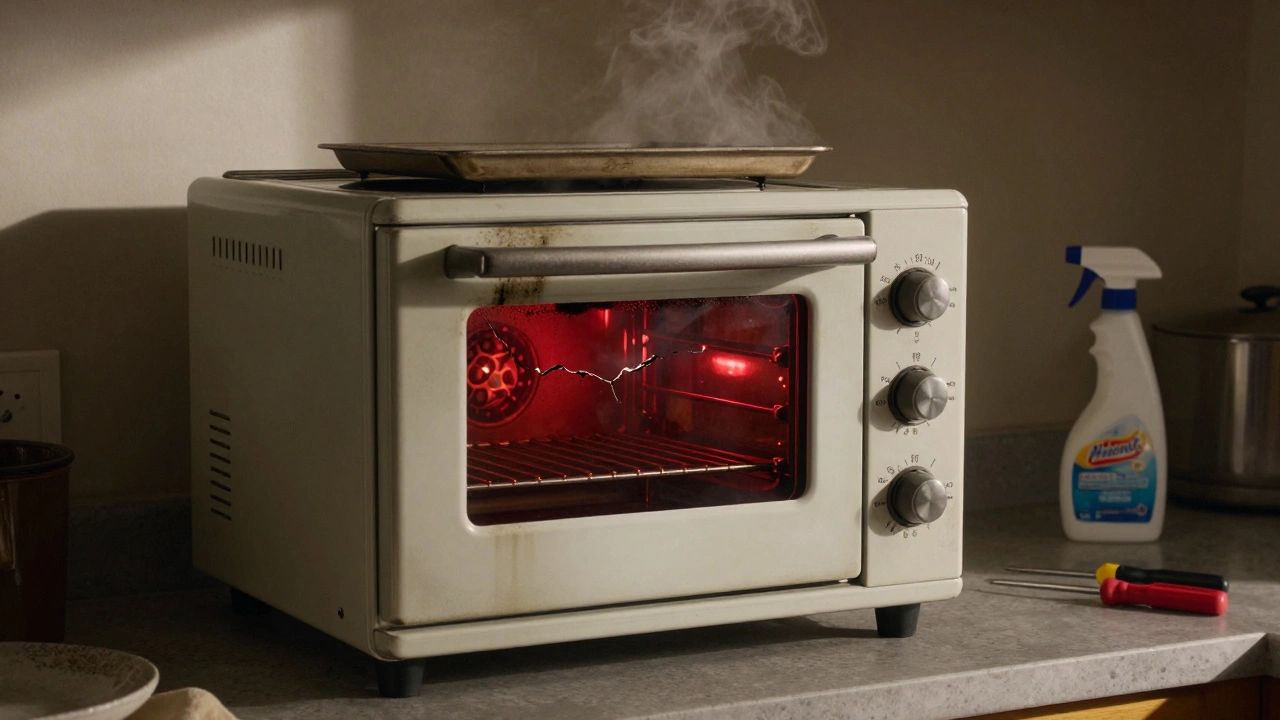
- The "Glow" Test: Turn the oven on and wait 2 minutes. For most electric ovens, the element should glow red. If it stays dark but the oven says it's heating, the element is broken.
- Blowing Breakers: A shorted-out element can sometimes cause your Circuit Breaker to trip immediately upon turning the oven on.
Professional vs. DIY: The Trade-off
Deciding between a pro and a DIY approach comes down to your comfort level with electricity and your budget. When you hire a technician, you aren't just paying for the part; you're paying for the guarantee. Most reputable companies provide a 90-day to 1-year warranty on the part and the labor. If the new element fails in a month, they come back for free.
With the DIY route, if you buy a cheap part from an online marketplace and it burns out in two weeks, you're the one spending Saturday afternoon taking the oven apart again. For most, spending the extra $100 for a professional is worth the peace of mind, especially since improper installation can lead to the element not seating correctly, which can damage the oven wall.
How long does it take to replace an oven heating element?
A professional can usually swap an element in 30 to 60 minutes. For a DIYer, it might take 1 to 2 hours depending on how familiar you are with the tools and the oven's layout.
Why is my oven element not heating but it is glowing red?
If the element glows red but the oven isn't reaching the set temperature, the element is likely still working. The problem is likely the thermostat, a faulty temperature sensor, or a failing control board that isn't telling the element to stay on long enough.
Can I use a generic heating element instead of a brand-name one?
Yes, generic elements are often compatible and much cheaper. However, ensure the wattage and dimensions match exactly. A generic element with a different wattage can either undercook your food or cause the oven to overheat, potentially damaging other components.
Is it worth replacing the element in a 10-year-old oven?
Generally, yes. A heating element is a wear-and-tear part. If the rest of the oven (the seals, the knobs, and the electronics) is working fine, spending $150 to get another 5 years out of the appliance is much smarter than spending $800 to $1,500 on a new one.
Does a broken heating element cause smells?
Yes, when an element burns out, it often creates a distinct metallic or ozone-like smell. If you smell burning plastic, however, stop using the oven immediately-this indicates a wiring failure rather than just a burnt-out coil.
Next Steps for Your Repair
If you've confirmed your element is dead, your first step is to find your oven's model number. Look for a sticker inside the oven door or on the frame. You cannot guess the part number; even ovens that look identical can use different elements based on the year they were manufactured.
If you're opting for professional repair, ask the company if they charge a flat rate or an hourly fee and whether the diagnostic fee is applied to the total cost. If you're going DIY, make sure you have a multimeter to test the element for continuity before you spend time installing it-this confirms the part is actually dead and not just a blown fuse in the house.