Electric Oven Repair Guides, Tips & Troubleshooting
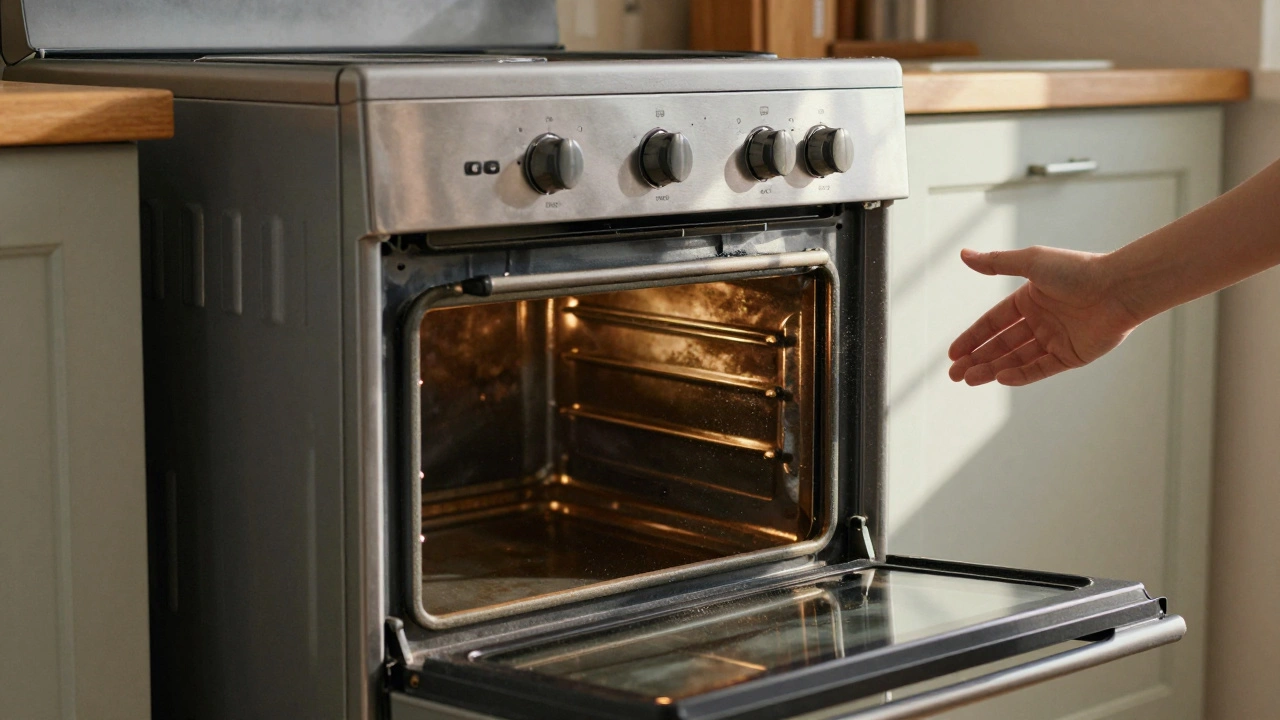
When working with electric oven, a kitchen appliance that uses electric heating elements to bake or roast food. Also known as elec‑oven, it is a staple in most homes. One common culprit when an electric oven won’t heat is a faulty heating element, the resistive coil that converts electricity into heat. Another vital part is the thermostat, the sensor that regulates the oven’s temperature, which often degrades after years of cycles. Together these parts form the core of any kitchen appliance, a device designed to make food preparation easier. Understanding how they interact helps you decide whether a simple fix or a full appliance repair, professional service that restores functionality is needed.
When Does an Electric Oven Need a New Part?
Most ovens fail because the heating element burns out or the thermostat loses accuracy. A burnt‑out element shows as no heat or uneven hot spots, while a bad thermostat leads to temperature swings that ruin recipes. Both issues are linked: "Electric oven encompasses heating element" and "Electric oven requires thermostat" – these semantic triples illustrate the dependency. If you notice longer preheat times or the oven never reaches the set temperature, start by testing the element with a multimeter. Replacing a 30‑amp element usually costs less than £80, and most DIYers can handle it in under an hour. A thermostat swap is a bit trickier, often requiring the door to be removed, but many homeowners still manage it with basic tools.
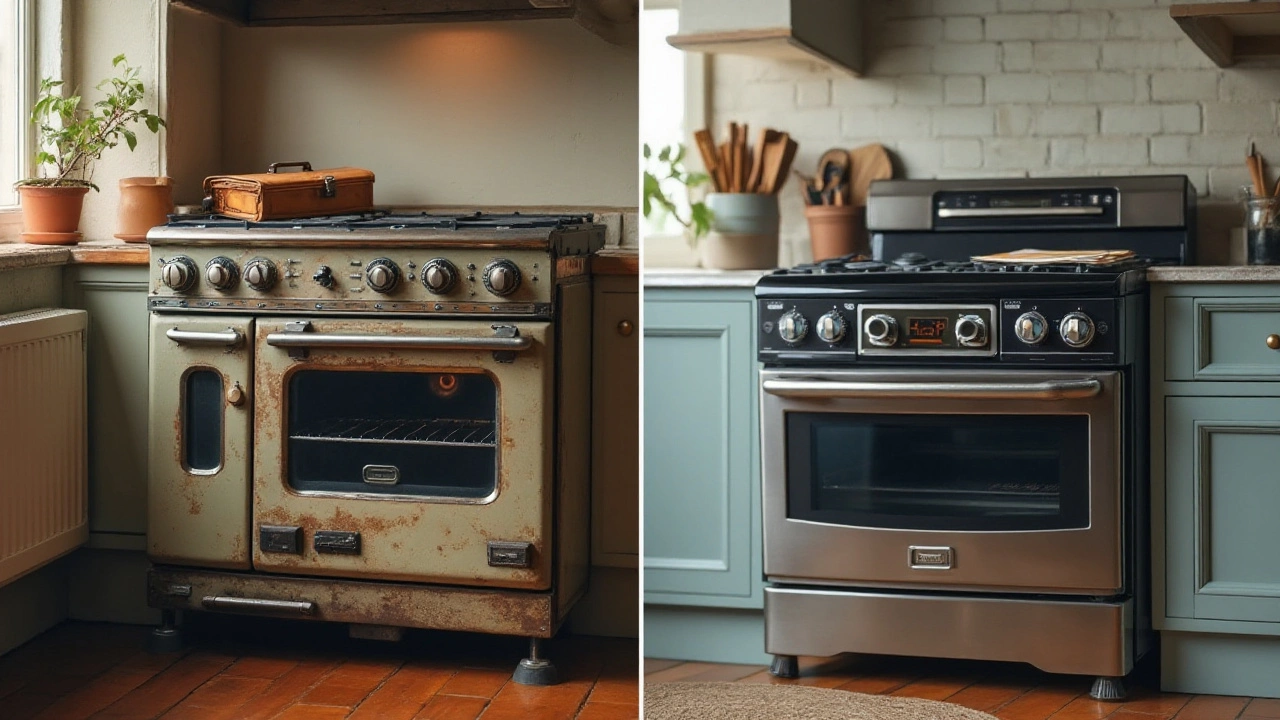
Age plays a big role too. A 20‑year‑old oven may have rusted wiring, worn seals, or outdated insulation, making repairs less cost‑effective. In such cases, the semantic connection "Oven repair influences electric oven lifespan" becomes critical – a cheap fix might only add a few months before another failure crops up. Energy efficiency also drops as parts age, so replacing an old unit can lower your electricity bill by up to 15 %.
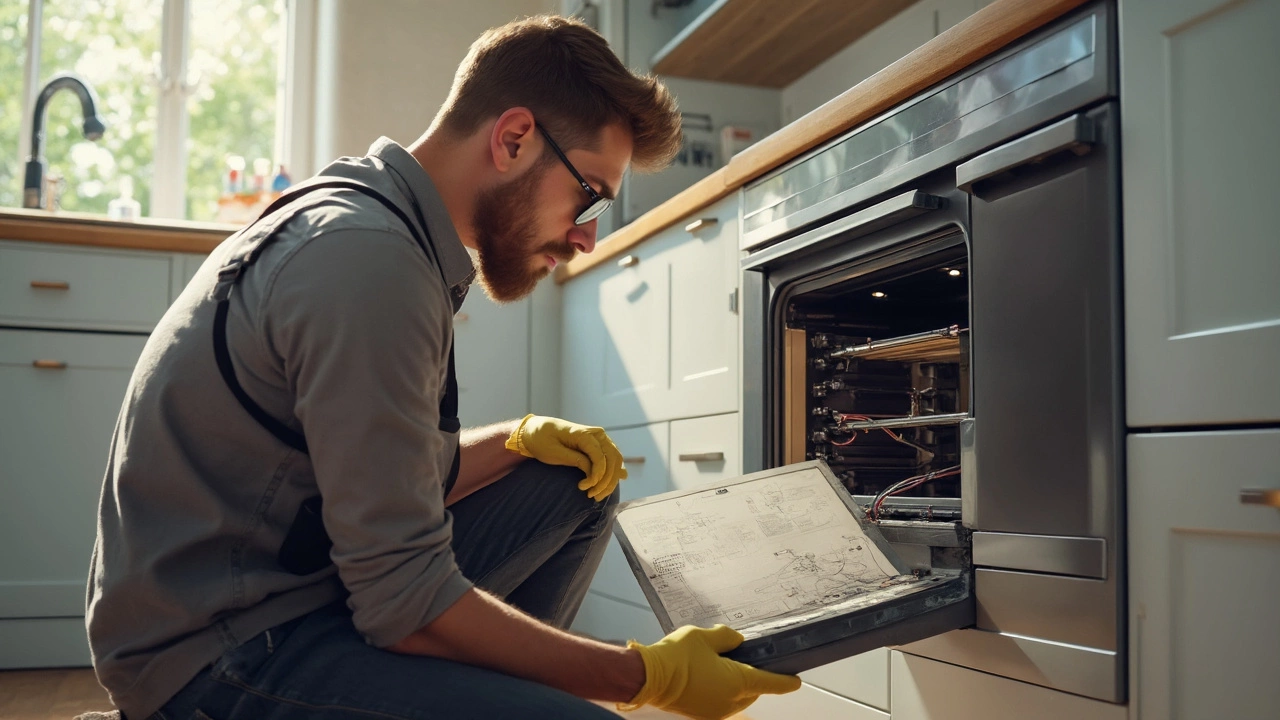
If you’re comfortable with tools, a DIY approach can save money, but safety shouldn’t be ignored. Always disconnect power at the mains, use insulated gloves, and verify that the replacement part matches the model number. When in doubt, call a certified technician; they bring the right expertise and can spot hidden faults like faulty wiring or compromised door seals that could become fire hazards.
Regular maintenance prevents most breakdowns. Clean the oven interior after each use, check the door gasket for cracks, and run a self‑clean cycle (if available) to burn off residue that can interfere with heating. Keeping the ventilation clear also helps the thermostat read accurate temperatures. These small habits extend the life of your appliance and reduce the need for costly repairs.
Below you’ll find a curated collection of articles that dive deeper into each of these topics. Whether you’re troubleshooting a non‑heating oven, weighing repair versus replacement, or looking for step‑by‑step DIY guides, the posts ahead give clear, actionable advice to keep your kitchen running smoothly.
Trying to figure out if your oven isn’t working because of a broken heating element or a faulty thermostat? This article lays out simple, hands-on ways to diagnose the problem yourself. Learn common symptoms and easy checks before calling in the pros. Get to know the main fixes and smart safety tips. Quickly decide if you’re dealing with a part you can swap or if it’s time for a deeper repair.
Wondering if you can keep using your oven when the heating element is broken? This article gets straight to the realities of what happens when the heating element fails, explains key safety risks, and looks at workarounds that aren't just duct tape fixes. You'll get inside tips on spotting the problem, rolling up your sleeves for repairs, and deciding when it's finally time to call in an expert. Helpful details and clear advice make it easy to figure out what to do next.
Replacing an electric oven yourself might seem like a daunting task, but with some careful planning and the right tools, it could be a doable project. Understanding the basics of electrical work, ensuring safety, and knowing when to call a professional are key aspects. This guide dives into the essential information and tips to help you decide whether to tackle this task on your own. It also highlights the advantages and potential challenges of DIY oven replacement.
Thinking about swapping out your old electric oven for a newer model? Before you grab that plug, there are a few things you might want to consider. Not all electric ovens are designed to be a straightforward plug-in job, and doing it wrong could lead to safety hazards. Understanding the power requirements and proper installation steps can prevent big headaches and potential dangers. Let's delve into what you need to know before attempting to plug in your new electric oven.
Deciding whether to replace the heating element in your oven involves understanding the costs and benefits of doing so. This article explores the signs indicating a faulty heating element, how to replace it, and compares the cost and effort against buying a new oven. It also provides practical tips for extending the life of your oven. Whether you're a seasoned DIYer or prefer professional help, this guide offers valuable insights.
Deciding whether to repair or replace an electric oven can be daunting. It involves considering factors like the age, cost of repairs, and potential novelty of newer models. In this piece, discover expert advice on assessing the viability of repairs and tips for prolonging your oven’s lifespan. We also delve into common repair costs and scenarios where replacing might be the smarter choice.
Leaving an electric oven on overnight can pose substantial risks, ranging from increased fire hazards to unnecessary energy consumption. Understanding the risks and taking preventative measures can help ensure safety in the home. This article explores potential dangers, offers safety guidelines, and provides maintenance tips to keep ovens in top shape. Homeowners will learn how to balance convenience with safety in their kitchen appliances.