Oven Thermostat Issue? Here’s What’s Really Going On
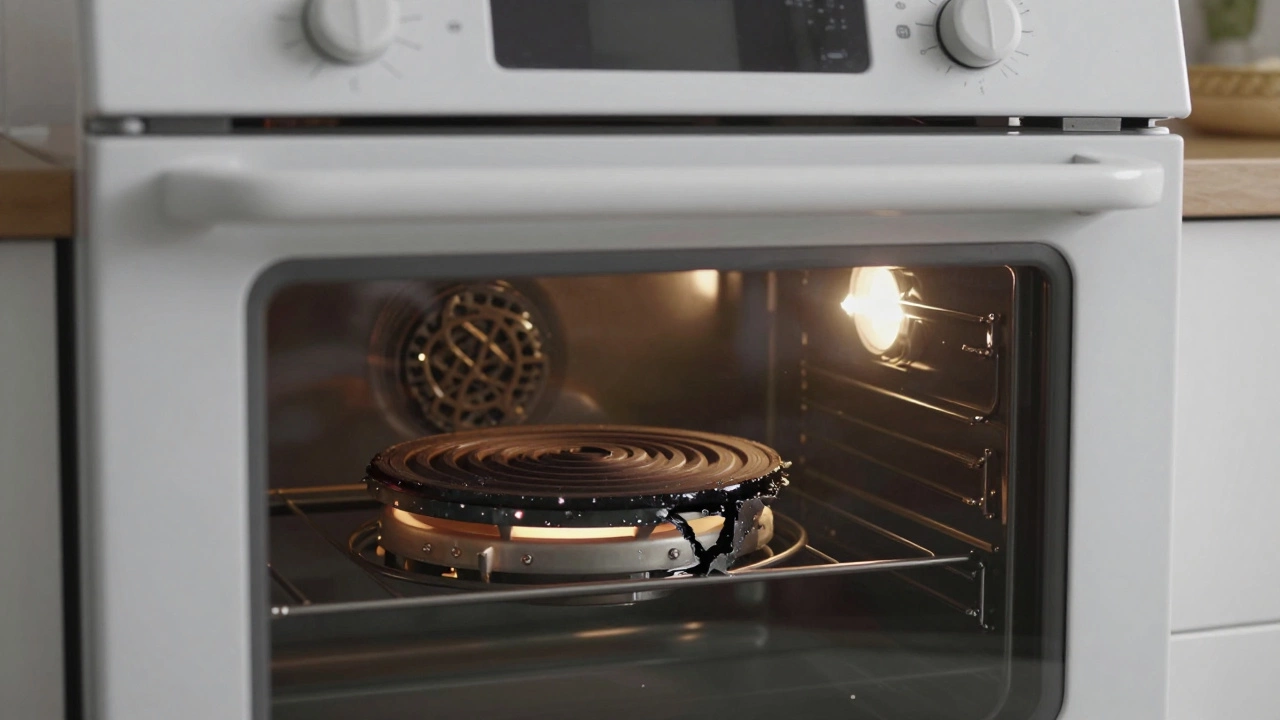
When your oven doesn’t heat to the right temperature—or worse, keeps running even after you turn it off—you’re probably dealing with a oven thermostat, a small but critical component that controls the temperature inside your oven by turning the heating element on and off. Also known as an oven temperature sensor, it’s the brain behind consistent baking and roasting. If it fails, your cookies burn, your roasts stay raw, and your energy bill climbs for no reason.
A broken thermostat doesn’t always scream for help. Sometimes it just quietly messes up your cooking. You might notice your oven takes forever to preheat, or it overshoots the set temperature by 50 degrees. Other times, it won’t turn off at all. These aren’t just annoyances—they’re signs the thermostat is no longer reading the heat correctly. It’s not always the heating element. It’s not always the control board. More often than not, it’s the thermostat itself wearing out after years of constant use. Unlike parts that snap or melt, thermostats slowly lose accuracy, which is why many people think their oven is "just old" when it’s really just a faulty sensor.
Thermostats work with other parts, like the oven heating element, the coil that generates heat inside the oven cavity, and the control board, the digital brain that sends signals to the thermostat and element. But if the thermostat gives wrong readings, even a brand-new element won’t help. That’s why replacing the element without checking the thermostat is a common—and expensive—mistake. Many repair techs test the thermostat first because it’s cheaper, easier, and fixes the problem 70% of the time.
You don’t need to be an electrician to check for thermostat trouble. A simple multimeter test can tell you if it’s sending the right signals. And if it’s faulty, replacement kits are widely available for most oven models. Most DIYers can swap it out in under an hour. But if you’re unsure, or if your oven is older than 10 years, it’s worth calling a local pro. A skilled technician won’t just replace parts—they’ll check the whole system to make sure the problem doesn’t come back.
What you’ll find below are real fixes from people who’ve been there: how to test your thermostat, when to replace it, what models are most prone to failure, and why some repairs cost way more than they should. These aren’t theory pieces—they’re hands-on stories from folks who fixed their ovens without buying a new one.
Learn the 7 clear signs your electric oven is broken, from no heat to strange smells. Find out when to repair and when to replace, with practical tips for Auckland homes.