Oven Diagnostic Tool
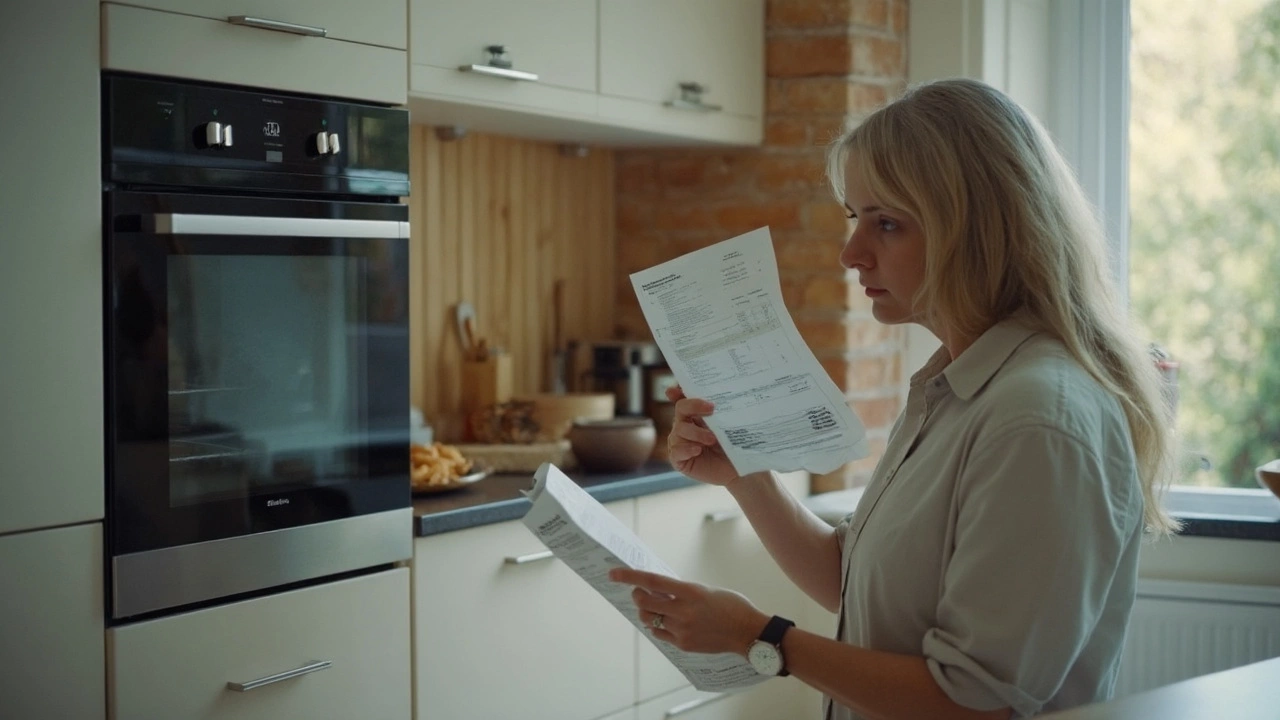
If your electric oven isn’t heating up, or it’s taking forever to cook food, you might be wondering: is it broken, or am I just imagining things? Many people delay calling a repair technician because they hope it’ll fix itself. But electric ovens don’t magically recover. If something’s wrong, it’ll keep getting worse. Here’s how to tell for sure whether your oven needs fixing.
It doesn’t heat up at all
This is the most obvious sign. You turn the dial, set the temperature, wait 20 minutes, and the inside feels like a cold garage. No glow from the heating elements. No warm air. No smell of baking. If the oven light turns on but nothing else happens, the problem isn’t the power supply-it’s the heating system. Most electric ovens have two heating elements: one on top (broil) and one on the bottom (bake). If the bottom element is dead, your oven won’t bake properly. Try switching to broil mode. If that doesn’t work either, the issue is likely deeper-maybe the thermostat, control board, or a blown fuse.
The heating elements look damaged
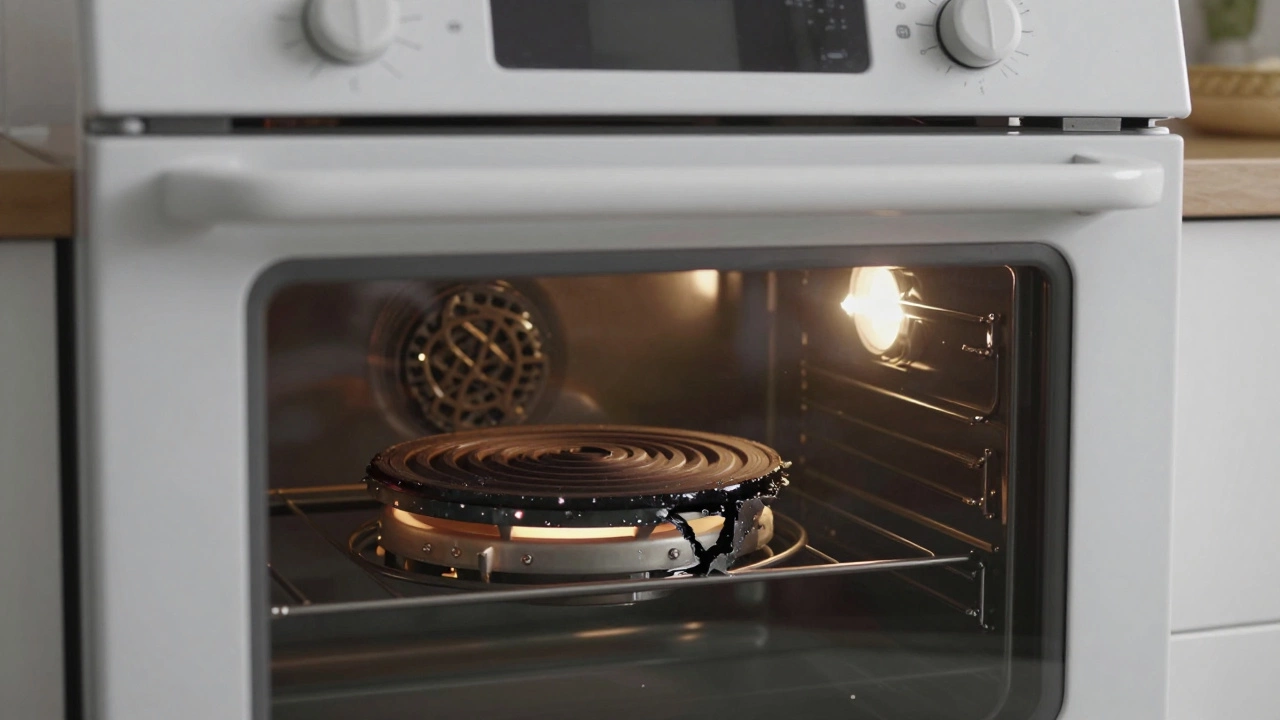
Take a close look at the coils inside the oven. The bottom element should glow bright orange when the oven is on. If it’s blackened, cracked, blistered, or has gaps where the metal looks broken, it’s done. You don’t need to be an electrician to spot this. A healthy element is smooth and even. A bad one looks like it’s been burned by a blowtorch. Replacing a faulty element is one of the cheapest oven repairs-usually under $100 for parts and labor. But if you ignore it, you’ll keep wasting electricity trying to heat an oven that can’t hold temperature.
The oven heats unevenly
You bake cookies and half are burnt, half are doughy. Your roast chicken is charred on one side and raw on the other. That’s not your recipe. It’s your oven. Uneven heating usually means one of two things: a failing heating element or a broken fan (in convection ovens). If your oven has a fan, listen for it. If it’s silent or making a grinding noise, the motor might be seized. Even if the elements glow, a weak fan can’t circulate heat properly. This is common in older models. A 10-year-old convection oven with a failing fan will cook like a toaster oven-hot on one side, cold on the other.

The temperature is off
Ever baked a cake that came out undercooked even after the timer went off? Or roasted potatoes that took twice as long as the recipe said? Your oven’s thermostat could be misreading the temperature. Most ovens run 15-30°C off their set point. That’s enough to ruin delicate bakes. You can test this with an oven thermometer-just place one on the middle rack, set the oven to 180°C, and wait 20 minutes. If the thermometer reads 150°C or 210°C, your thermostat is faulty. This is a common issue in ovens over 8 years old. The sensor that tells the oven when it’s hot enough gets worn out. Replacing it costs less than replacing the whole control board.
The oven turns off by itself
You set it to 200°C to roast chicken. Ten minutes later, it shuts off. You check the display-it says it’s still on. But the inside is cooling. This isn’t a power cut. It’s the oven’s safety system kicking in. This usually happens because the oven thinks it’s overheating. The culprit? A faulty temperature sensor, a blocked vent, or a failing control board. Some people think this is a feature-it saves energy. But it’s not. It’s a malfunction. If your oven turns off randomly during cooking, it’s not being efficient. It’s broken.
The control panel is glitchy
The display flickers. Buttons don’t respond. The clock resets itself. The oven beeps for no reason. These aren’t just annoyances-they’re warning signs. The control board is the brain of your oven. If it’s failing, it can’t send the right signals to the heating elements, fan, or thermostat. This often happens after a power surge or if moisture got inside the panel. In Auckland’s humid climate, this is more common than you’d think. A glitchy control panel might still let you turn the oven on, but it won’t run properly. You might set it to 160°C and it heats to 240°C. Or it won’t turn off at all. This is a job for a technician. You can’t fix a control board yourself without risking a fire.
It smells like burning plastic or metal
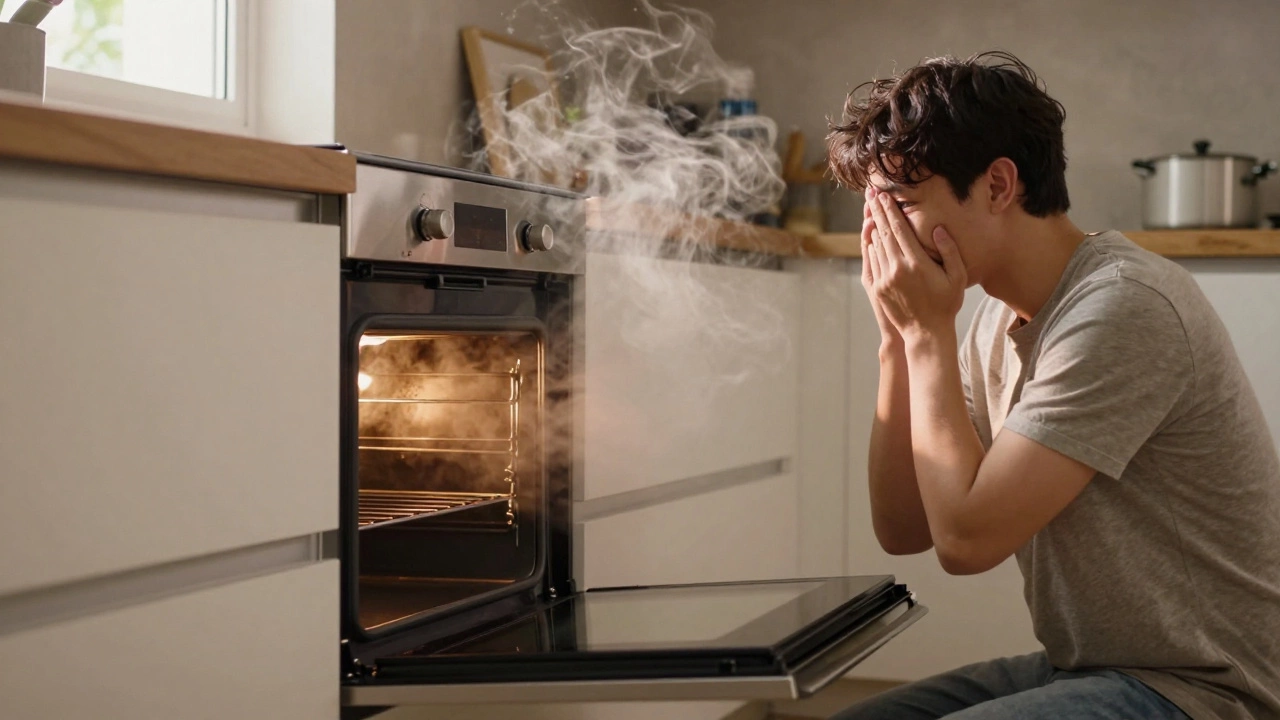
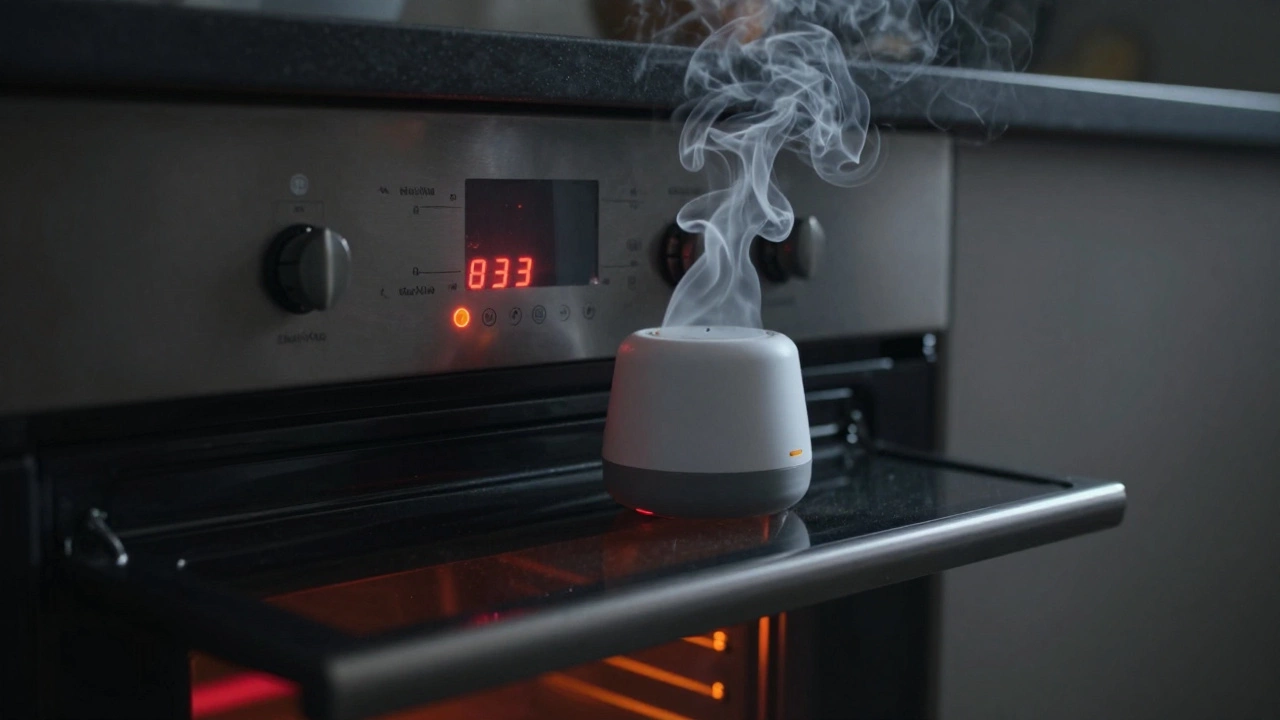
When you first turn on a brand-new oven, it’s normal to smell a bit of factory dust burning off. But if you’ve had the oven for years and now it smells like melting plastic or hot wires, that’s not normal. That smell usually means insulation is breaking down, wiring is overheating, or a component is failing internally. Don’t ignore it. Unplug the oven immediately. Even if the smell goes away after a few minutes, the damage is already happening. This is a fire risk. Many oven fires start because someone kept using a unit that smelled wrong, hoping it would “just stop.” It won’t. It’ll get worse.
What to do next
If you’ve checked all these signs and more than one applies, your oven is likely broken. Don’t keep using it. The longer you wait, the more damage you risk-and the more expensive the repair becomes. Start by unplugging the oven and checking your home’s circuit breaker. Sometimes, the oven is just on a tripped circuit. If resetting it doesn’t help, it’s time to call a repair technician. Most local appliance repair services in Auckland offer same-day diagnostics for under $80. They’ll tell you if it’s worth fixing. A new electric oven costs between $600 and $1,500. If your oven is over 12 years old and needs more than $300 in repairs, replacement is usually the smarter choice.
How to avoid future problems
Regular cleaning helps. Grease buildup can block vents and cause overheating. Wipe down the interior after each use. Don’t use harsh abrasives-they scratch the enamel and damage sensors. Use the self-cleaning function sparingly. Each cycle puts stress on the heating elements and thermostat. If you live near the coast like in Auckland, salt air can corrode wiring. Keep the oven door closed when not in use to reduce moisture exposure. And always replace worn-out oven racks-they can short-circuit elements if they sag and touch the sides.
Can a faulty oven cause a fire?
Yes. Faulty wiring, damaged heating elements, or a failing control board can overheat and ignite nearby materials. If you smell burning plastic or metal, or see sparks inside the oven, unplug it immediately and don’t use it until it’s inspected.
Is it cheaper to repair or replace an electric oven?
If your oven is under 8 years old and the repair cost is less than half the price of a new one, repair is usually worth it. For ovens over 12 years old, replacement is often better. Common repairs like replacing a heating element cost $80-$150. A new oven starts at $600. If you need multiple repairs-element, thermostat, control board-it’s time to upgrade.
Why does my oven take so long to preheat?
A slow preheat usually means one heating element isn’t working, the thermostat is inaccurate, or the oven is overloaded with debris. Clean the interior and check the elements. If they glow properly but it still takes over 25 minutes to reach 180°C, the thermostat or control board is likely failing.
Can I test my oven’s temperature myself?
Yes. Buy an oven thermometer from any hardware store. Place it in the center of the middle rack. Set the oven to 180°C and wait 20 minutes. If the thermometer reads more than 15°C off, your oven’s temperature control is faulty.
How long do electric ovens usually last?
Most electric ovens last between 10 and 15 years with normal use. Factors like frequency of use, cleaning habits, and humidity affect lifespan. Ovens in coastal areas like Auckland may wear out faster due to salt corrosion.