Appliance Repair Cost Calculator
Calculate whether repairing your appliance makes financial sense compared to replacement. Based on New Zealand appliance service data and industry pricing trends.
Appliance Repair Cost Calculator
Repair vs. Replacement Cost Analysis
$0.00
+ Parts and Labor
$0.00
+ Installation
When you hear the word appliance, you probably think of your fridge, washing machine, or oven. But in business, appliance means something bigger - it’s not just the machine in your kitchen. It’s a whole system of products, services, and customer expectations that turn everyday gadgets into profitable, scalable operations.
Appliance Isn’t Just a Device - It’s a Service Ecosystem
In business, an appliance isn’t just something you plug in. It’s a product designed for repeated use, often with a long lifespan, and it comes with a hidden service economy behind it. Think about it: when you buy a dishwasher, you’re not just buying a box with spray arms. You’re buying peace of mind that it’ll work for 10 years, and if it breaks, someone will fix it. That’s the business model. Companies like Whirlpool, LG, and Bosch don’t just sell appliances. They sell reliability. And to keep that promise, they’ve built entire networks of repair technicians, spare parts warehouses, and customer support lines. In New Zealand, where homes are older and appliance lifespans are longer than in many other countries, this service layer is critical. A broken fridge in Auckland isn’t just an inconvenience - it’s a potential food safety issue. That’s why appliance service isn’t an add-on. It’s part of the product.The Appliance Industry Runs on Repeat Business
Unlike a smartphone or a laptop, most home appliances are designed to last. That’s great for consumers, but tricky for manufacturers. If your fridge lasts 15 years, you’re not buying another one anytime soon. So how do companies stay profitable? The answer: service. Appliance repair, maintenance, and replacement parts make up a massive portion of revenue. In fact, industry reports show that for every $1 spent on a new appliance, another $0.30 to $0.50 is spent over its lifetime on repairs and servicing. That’s a $15 billion global market just for repairs - and it’s growing. In Auckland, you’ll find local businesses thriving on this model. A small repair shop in Mt. Roskill might fix 15 washing machines a week. Each repair costs $120, and they use genuine parts sourced from the same suppliers as the big brands. They don’t need to sell new machines. They just need to be the go-to fixer when the machine fails. That’s the appliance business in action.Why Appliance Service Is Different from Other Tech Repairs
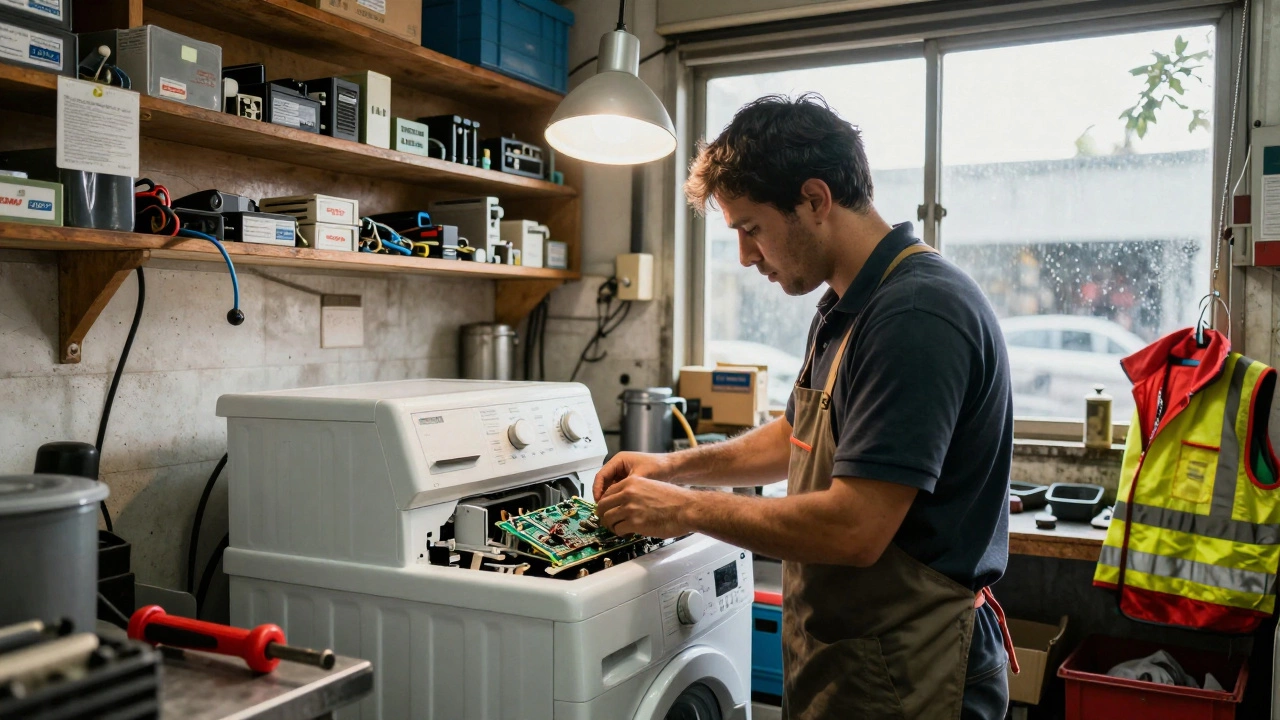
You wouldn’t take your laptop to a plumber. But you’d take your oven to someone trained specifically for kitchen appliances. Why? Because appliances are complex hybrids of mechanical, electrical, and sometimes digital systems. A faulty thermostat in a gas oven isn’t the same as a broken screen on a tablet. Appliance technicians need to understand:- Gas lines and ventilation requirements
- Water pressure and drainage systems
- Electrical circuits rated for high amperage
- Thermal sensors and safety cut-offs
- Brand-specific error codes and diagnostic protocols
Appliance Brands Are Service Companies in Disguise
Big brands don’t just manufacture appliances - they control the service ecosystem. When you buy a Samsung fridge, you’re not just getting the unit. You’re getting access to Samsung’s authorized service network. That’s why third-party repair shops often struggle to get parts or diagnostic software. The manufacturer owns the data, the tools, and the parts. This creates a tension. Consumers want affordable, local repair. Brands want to keep service in-house to protect their brand image and upsell replacements. The result? A gray market. Many repairers in Auckland use refurbished parts, source components from overseas, or rely on open-source diagnostic guides. They’re not breaking the law - they’re filling a gap the big players ignore. In 2025, New Zealand passed new Right to Repair laws. These require manufacturers to make spare parts and repair manuals available to independent technicians. It’s a game-changer. Suddenly, a small business in Papakura can legally fix a Bosch dishwasher without waiting weeks for an official technician.What Makes an Appliance Business Successful?
Running an appliance service business isn’t just about fixing things. It’s about trust, timing, and transparency. Successful appliance businesses in New Zealand share these traits:- Same-day response - If your fridge dies on a Friday night, you don’t want to wait until Monday.
- Clear pricing - No hidden fees. Customers hate surprise charges.
- Warranty on repairs - A 90-day guarantee on parts and labor builds loyalty.
- Local presence - Being based in the community means faster response and better understanding of local needs.
- Online booking and tracking - Customers expect to see technician arrival times like they do with Uber.

The Future of Appliance in Business
The appliance business is shifting. Smart appliances - fridges that order milk, ovens that auto-clean - are on the rise. But here’s the twist: the more connected the appliance, the more it needs service. A smart washer that won’t start because of a software glitch? That’s not a hardware fix. It’s a tech support call. This means the future of appliance service isn’t just about wrenches and multimeters. It’s about Wi-Fi troubleshooting, app resets, and firmware updates. Technicians now need basic IT skills. The line between appliance repair and tech support is fading. And then there’s sustainability. With New Zealand’s push toward circular economy goals, repairing appliances isn’t just profitable - it’s becoming expected. More consumers are choosing repair over replacement. That’s good for the planet and good for business.So What Does ‘Appliance’ Really Mean in Business?
It means more than a machine. It means a relationship. It means a promise of reliability. It means a network of people, parts, and processes that keep your home running - even when things break. In business terms, an appliance is a long-term revenue stream wrapped in a physical product. The real profit isn’t in selling the fridge. It’s in being the one people call when it stops cooling. That’s why the best appliance businesses don’t just fix machines. They fix worries.Is an appliance the same as a gadget?
No. A gadget is usually small, temporary, or novelty-based - think smart speakers or electric toothbrushes. An appliance is larger, built for daily household use, and designed to last years. A toaster is an appliance. A Bluetooth earbud is a gadget. The business models are very different: appliances rely on durability and service, gadgets rely on frequent replacement.
Why do appliance repair costs vary so much?
Costs vary because of parts, labor, and location. A genuine Samsung control board might cost $180, while a generic one costs $60. Labor rates in central Auckland are higher than in rural areas. Also, emergency calls after hours or on weekends often carry a premium. Reputable businesses list their pricing upfront - if they don’t, ask for a written quote before they start work.
Can I fix my own appliance?
You can try, but it’s risky. Many appliances have high-voltage components that can be dangerous. Also, DIY repairs often void warranties. If you’re not trained, you could make a small problem worse - like causing a water leak or electrical fire. For safety and long-term reliability, it’s better to hire a certified technician, especially for gas, water, or high-power appliances.
Are older appliances worth repairing?
Usually, yes - if the appliance is in good condition otherwise. A 12-year-old washing machine that still spins cleanly and doesn’t leak is often cheaper to fix than replace. New machines are more expensive, and many come with shorter warranties. Repairing older models is also more sustainable. Many Kiwi households now choose repair over replacement to reduce waste and save money.
How do I find a reliable appliance repair service?
Look for technicians with formal certification - check if they’re registered with the Electrical Workers Registration Board. Read reviews that mention specific repairs, not just ‘great service.’ Ask if they use genuine parts and offer a warranty on their work. Local businesses with a physical address and phone number are more trustworthy than ones that only have a Facebook page. In Auckland, ask neighbors or check community groups like Nextdoor for trusted recommendations.