It’s 2026, and your boiler is 15 years old. It still heats the house, but it’s louder than it used to be. The pilot light flickers sometimes. Your gas bill keeps creeping up. You’ve heard from friends that newer boilers are way more efficient-but is it really worth swapping out a working system? Let’s cut through the noise.
Boilers Don’t Just Wear Out-They Lose Efficiency
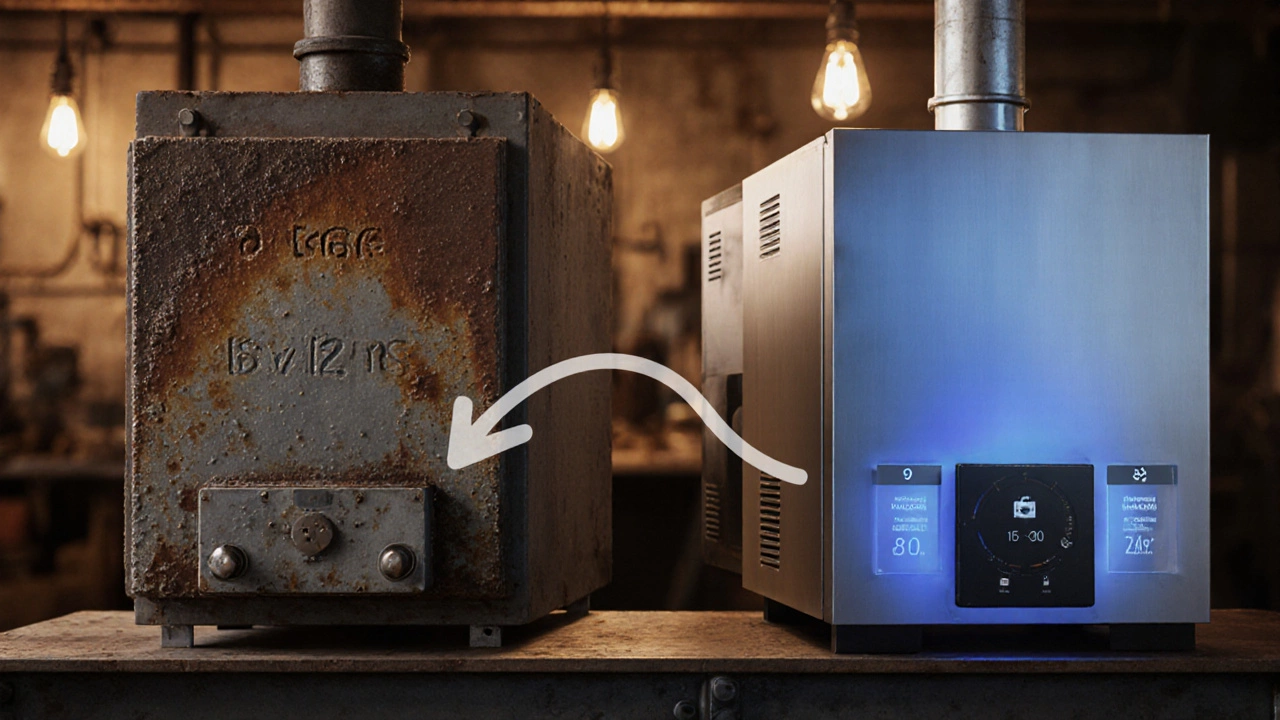
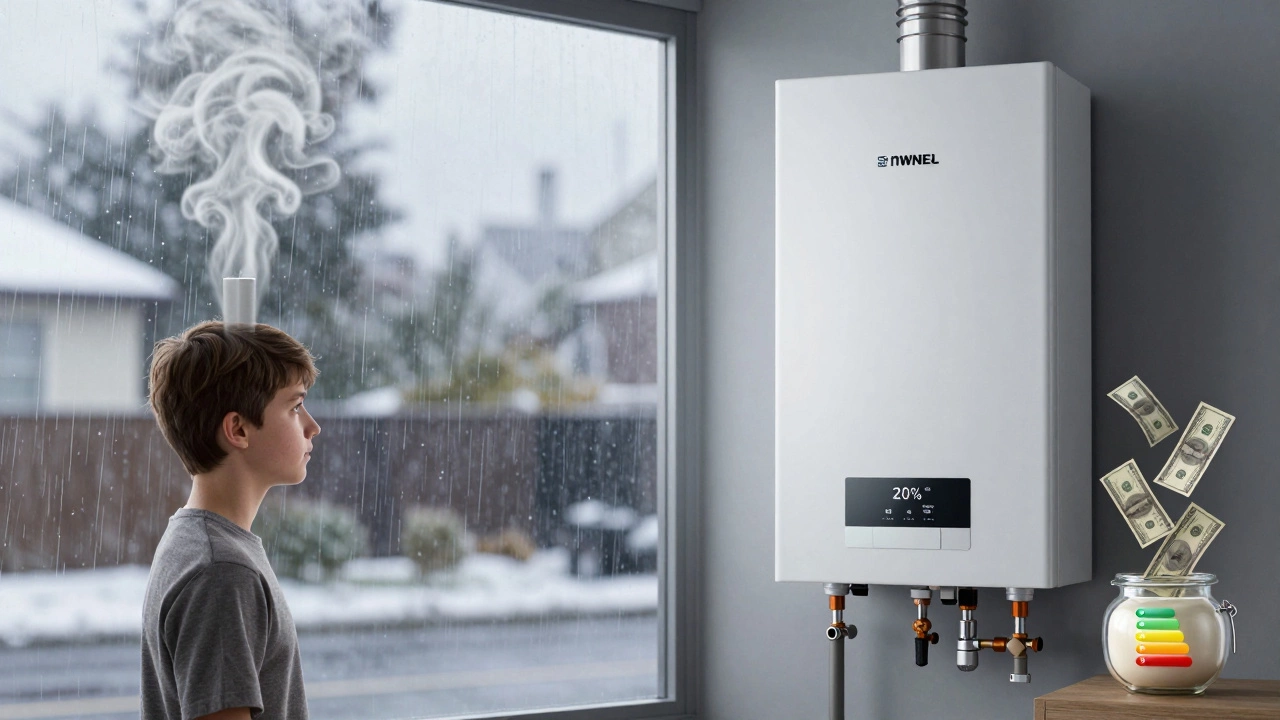
A 15-year-old boiler isn’t broken. It’s just outdated. Modern condensing boilers are designed to capture heat from exhaust gases that older models just blasted out the flue. That’s why a new boiler can be 90%+ efficient, while your old one might be sitting at 70% or lower. That 20% gap? That’s money going straight out the chimney.
In Auckland, where winters are damp and heating runs for months, even a small efficiency gain adds up. A household using 18,000 kWh of gas per year on a 70% efficient boiler is wasting about 5,400 kWh annually. At current rates, that’s over $1,000 a year in lost value. Replace it with a 92% efficient model, and you’re cutting that waste by more than half.
Repair Costs Add Up Faster Than You Think
You’ve had three repairs in the last two years. The heat exchanger cracked last winter. Then the pump went. Then the thermostat started acting up. Each fix cost $300-$600. That’s $1,500 already. And here’s the thing: parts for 15-year-old boilers are harder to find. Some manufacturers stopped making them five years ago. Technicians have to dig through warehouses or order from overseas. That means longer waits and higher prices.
Compare that to a new boiler. Most come with a 10-year parts-and-labour warranty. If something breaks in year 3? The installer handles it. No surprise bills. No scrambling to find a technician who knows your model. You pay more upfront, but you lock in predictability.
Old Boilers Are a Safety Risk
Carbon monoxide doesn’t announce itself. It’s silent, colourless, and deadly. Older boilers-especially those with open-flue designs-are more prone to leaks. The seals degrade. The flue corrodes. The burner gets dirty. Even if your boiler passed a safety check last year, it’s not the same as having a modern unit with built-in sensors that shut off automatically if something’s wrong.
New boilers come with CO detection, pressure sensors, and automatic lockouts. In New Zealand, where many homes rely on gas heating, the risk isn’t theoretical. WorkSafe NZ reports over 300 incidents of gas appliance-related CO exposure annually. Most involve equipment over 10 years old.
Government Incentives Are Still Around
Many people think the government stopped helping with heating upgrades. That’s not true. In 2025, the Warm Up New Zealand: Heat Smart programme still offers rebates of up to $3,000 for eligible households replacing old gas boilers with high-efficiency models. Some councils, including Auckland Council, offer additional top-ups for low-income families or those in older, poorly insulated homes.
You need to apply before installation, and the boiler must be on the approved list. But if you qualify, this can cut your upfront cost by nearly half. Even if you don’t get the full amount, the paperwork alone is worth it-many people miss this chance because they assume it’s gone.
It’s Not Just About Gas Bills
Think about comfort. An old boiler often cycles on and off in bursts. You feel cold for 10 minutes, then the room overheats. New boilers modulate heat output smoothly. They adjust based on demand, not just a timer. That means consistent warmth without the temperature swings.
And what about hot water? If your boiler also heats your taps, an old unit might struggle to keep up during morning showers. New models deliver steady, high-pressure hot water-even when two people are using it at once. No more freezing while the other person finishes washing their hair.
What About the Cost?
A new boiler in New Zealand costs between $4,500 and $7,500 installed, depending on size, brand, and whether your plumbing needs upgrades. That sounds steep. But here’s the real math:
- Annual gas savings: $600-$1,000
- Repair costs avoided: $500+ per year
- Rebate: up to $3,000
If you save $1,200 a year and get $3,000 back upfront, you’re looking at a payback period of just 1.25 years. After that? It’s pure savings. And you’re not just saving money-you’re saving time, stress, and the risk of being left without heat during a cold snap.
When It’s Not Worth Replacing
There are exceptions. If your home is well insulated, and you only use the boiler for a few hours a day, the payback might stretch to 5+ years. If you’re planning to move in the next two years, replacing the boiler might not make financial sense-unless you’re targeting a higher sale price. Some buyers will pay more for a home with a modern, warrantied heating system.
Also, if your boiler is in a small apartment and you’re on a tight budget, a high-efficiency gas boiler might not be the only option. Heat pumps are now cheaper than ever and can replace both heating and cooling. In Auckland’s mild winters, a heat pump might save you even more than a new boiler.
What to Look for in a New Boiler
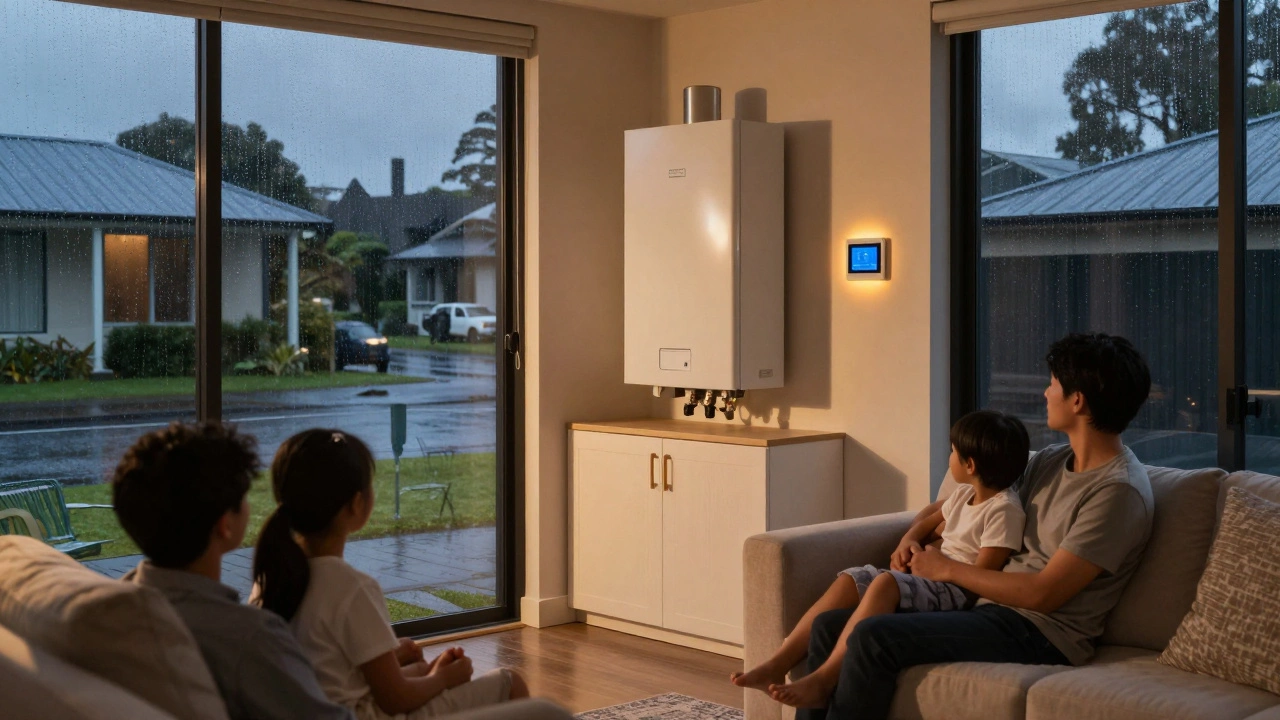
Not all new boilers are created equal. Look for these features:
- Condensing technology-this is non-negotiable. It’s the standard now.
- Modulating burner-adjusts output based on demand, not just on/off.
- 10-year warranty-covers both parts and labour.
- Smart controls-apps or thermostats that learn your schedule and adjust automatically.
- Size matters-a boiler that’s too big wastes energy. A professional should calculate your home’s heat loss.
Brands like Vaillant, Worcester Bosch, and Baxi are common in New Zealand. But the installer matters more than the brand. Choose someone with Gas Safe certification and good reviews for boiler installations-not just repairs.
What Happens to the Old One?
Reputable installers take away your old boiler. They recycle the metal, dispose of the gas lines safely, and remove any hazardous parts. You don’t have to worry about it. Some even include removal in the quote. Just confirm it before signing.
Don’t let someone leave it in your garage. Old boilers are heavy, full of pipes and valves, and can be a tripping hazard. Plus, you’ll regret having it sitting there when you’re trying to sell the house.
Final Decision: Yes, Replace It
If your boiler is 15 years old, you’re not just replacing a machine. You’re upgrading your safety, comfort, and wallet. The math is clear: you’ll save money within two years, avoid emergency repairs, and sleep better knowing your home isn’t leaking carbon monoxide.
It’s not a luxury. It’s a smart, overdue upgrade. And in Auckland’s damp winters, waiting another year just means paying more for less warmth.
Is it cheaper to repair a 15-year-old boiler than replace it?
Not in the long run. While a single repair might cost $400, you’ll likely need another one within a year. By the time you’ve paid for three or four repairs, you’ve spent more than half the cost of a new boiler. Plus, old boilers use more gas, which adds hundreds to your annual bill. Replacement saves money over time.
Can I still get parts for a 15-year-old boiler?
Maybe-but not easily. Manufacturers stop making parts for models after about 10 years. You might find a used part online, but it won’t come with a warranty. Some technicians charge extra to source rare parts or wait weeks for overseas shipments. New boilers have parts readily available, and most come with a 10-year warranty.
Will a new boiler increase my home’s value?
Yes. Buyers look for modern, efficient heating systems. A home with a new boiler and a 10-year warranty is more attractive than one with an old, unreliable unit. Even if you don’t plan to sell now, it’s an asset you’ll thank yourself for later.
Do I need to upgrade my radiators too?
Not always. If your radiators are in good condition and sized correctly, they’ll work fine with a new boiler. But if they’re cold at the bottom or you have old iron radiators, it’s worth checking. A modern boiler works best with good flow. A professional can test your system and advise.
Are heat pumps better than new boilers?
In Auckland’s climate, heat pumps can be more efficient and cheaper to run than gas boilers. They also cool your home in summer. But if you already have gas lines and radiators, replacing the boiler is simpler and less disruptive. Heat pumps require outdoor units and sometimes electrical upgrades. Consider both options, but don’t assume one is always better.