Electric Oven Reliability & Repair Checker
There is nothing quite as frustrating as a dinner party ruined because your oven decided to stop heating halfway through roasting. You check the settings, you wait, and still, no heat. It happens to the best of us. But if you are looking to buy a new electric oven or wondering why your current one keeps breaking down, the brand name on the door matters more than you might think.
I have spent years fixing appliances in Auckland, and I see a clear pattern. Some ovens last fifteen years with minimal fuss, while others need repairs within three years of purchase. Reliability isn't just about marketing; it is about build quality, part availability, and design simplicity. Let’s look at which brands actually hold up over time and what makes an oven reliable in the first place.
The Top Contenders for Reliability
When we talk about reliability, we are talking about how often the machine breaks and how easy it is to fix when it does. Based on repair data and long-term performance, a few names consistently rise to the top.
| Brand | Key Strength | Common Issue | Repairability Score |
|---|---|---|---|
| Bosch | Precision engineering and consistent heating elements | Electronic control boards failing after 8-10 years | High |
| Whirlpool | Simplicity and widespread parts availability | Door seals wearing out prematurely | Very High |
| Samsung | Modern features and sleek design | Complex electronics leading to higher failure rates | Moderate |
| GE (General Electric) | Rugged construction and robust heating elements | Thermostat calibration drift | High |
| Smeg | Aesthetic appeal and solid build quality | High cost of proprietary parts | Moderate |
Bosch has earned its reputation through rigorous testing and high-quality components. Their ovens tend to maintain temperature accuracy better than most competitors, which means your food cooks evenly. However, their reliance on complex electronic controls can be a double-edged sword. When the circuit board fails, it is not always a cheap fix.
Whirlpool, on the other hand, wins on simplicity. They use mechanical knobs and straightforward wiring in many of their models. This means there are fewer things that can go wrong electronically. If a part does break, you can find it almost anywhere, making repairs quick and affordable.
Samsung offers fantastic features like steam cleaning and smart connectivity. But complexity brings risk. The more sensors and digital interfaces an oven has, the more potential points of failure exist. For users who prioritize looks and tech over longevity, Samsung is great. For those wanting a "set it and forget it" appliance, it might not be the best choice.
GE (General Electric) ovens are built like tanks. They are heavy, durable, and designed to withstand daily abuse. While they may lack some of the glossy finishes of European brands, their internal components are robust. Thermostats may need recalibration over time, but this is a minor adjustment compared to replacing a broken heating element.
Smeg is popular for its retro design. The build quality is generally good, but the aesthetic focus sometimes comes at the expense of practicality. Parts are expensive and less readily available than mainstream brands, which can make repairs costly.
What Makes an Oven Reliable?
It is not just about the brand logo. Several factors determine whether your oven will last five years or twenty. Understanding these helps you make a smarter purchase decision.
Heating Element Quality
The heart of any electric oven is its heating element. Cheap ovens use thin, low-grade metal that burns out quickly. High-reliability brands use thicker, corrosion-resistant alloys. Over time, all elements degrade, but quality ones resist cracking and breaking under thermal stress. Look for brands that specify the material quality of their elements, even if it is not always advertised prominently.
Thermostat Accuracy
An oven that says 180°C but actually runs at 160°C or 200°C is useless for baking. Reliable brands invest in precise thermostats and calibration processes. Mechanical thermostats are simpler and often more durable than digital ones, but modern digital sensors can be highly accurate if well-made. The key is consistency. Does the oven maintain the set temperature throughout the cooking cycle?
Build Materials
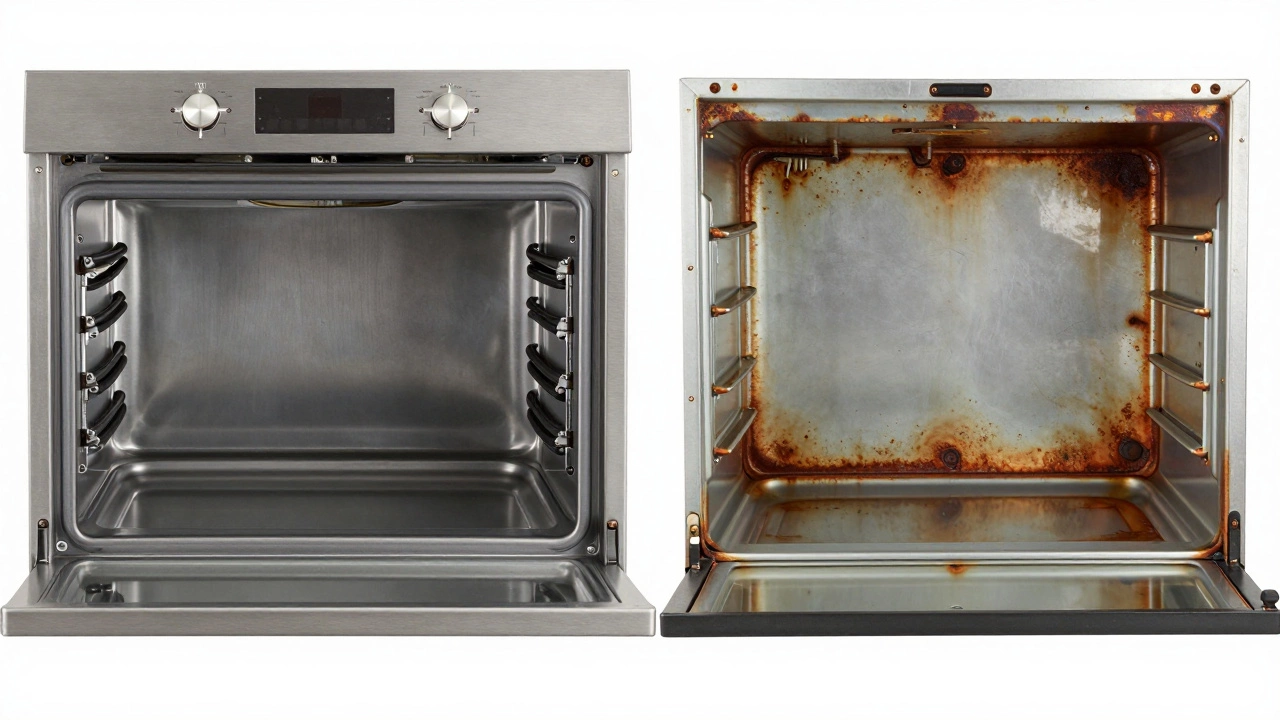
Check the interior lining. Stainless steel interiors are easier to clean and resist rust better than enamel-coated surfaces. Enamel can chip, exposing the metal underneath to moisture and heat, leading to rust. Rust compromises structural integrity and hygiene. Brands that use full stainless steel cavities tend to have longer lifespans.
Part Availability
This is often overlooked. An oven is only as reliable as the ability to fix it when it breaks. Major brands like Whirlpool and Bosch have extensive distribution networks for spare parts. Niche or luxury brands may discontinue parts for older models, leaving you with a paperweight. Always check if local repair shops stock parts for the brand you are considering.
Common Signs Your Oven Is Failing
Even the most reliable oven will show signs of wear. Recognizing these early can save you from unexpected breakdowns during important meals.
- Inconsistent Heating: If one side of the oven is hotter than the other, the heating element or thermostat may be failing.
- Strange Noises: Buzzing, clicking, or humming sounds can indicate electrical issues or fan motor problems.
- Burnt Smell: A persistent burnt smell could mean insulation is deteriorating or wiring is overheating.
- Door Seal Issues: If the door doesn’t close tightly or the seal is cracked, heat escapes, forcing the oven to work harder and wear out faster.
- Display Errors: Frequent error codes on digital ovens suggest control board instability.
If you notice any of these signs, do not ignore them. Small issues can escalate into major failures. For example, a worn door seal forces the heating element to run constantly, shortening its life significantly.
How to Extend Your Oven’s Lifespan
You can influence how long your oven lasts. Proper maintenance goes a long way in preserving reliability.
- Clean Regularly: Grease and food residue can damage heating elements and sensors. Use self-cleaning cycles sparingly, as extreme heat can stress components. Instead, wipe spills immediately after cooling.
- Inspect Door Seals: Check the rubber gasket around the door every six months. Replace it if it shows cracks or gaps. A tight seal ensures efficient heating.
- Avoid Thermal Shock: Do not place cold dishes directly into a hot oven, or vice versa. Sudden temperature changes can crack glass doors and warp metal racks.
- Use Correct Racks: Only use racks designed for your specific model. Improper racks can obstruct airflow and damage the interior coating.
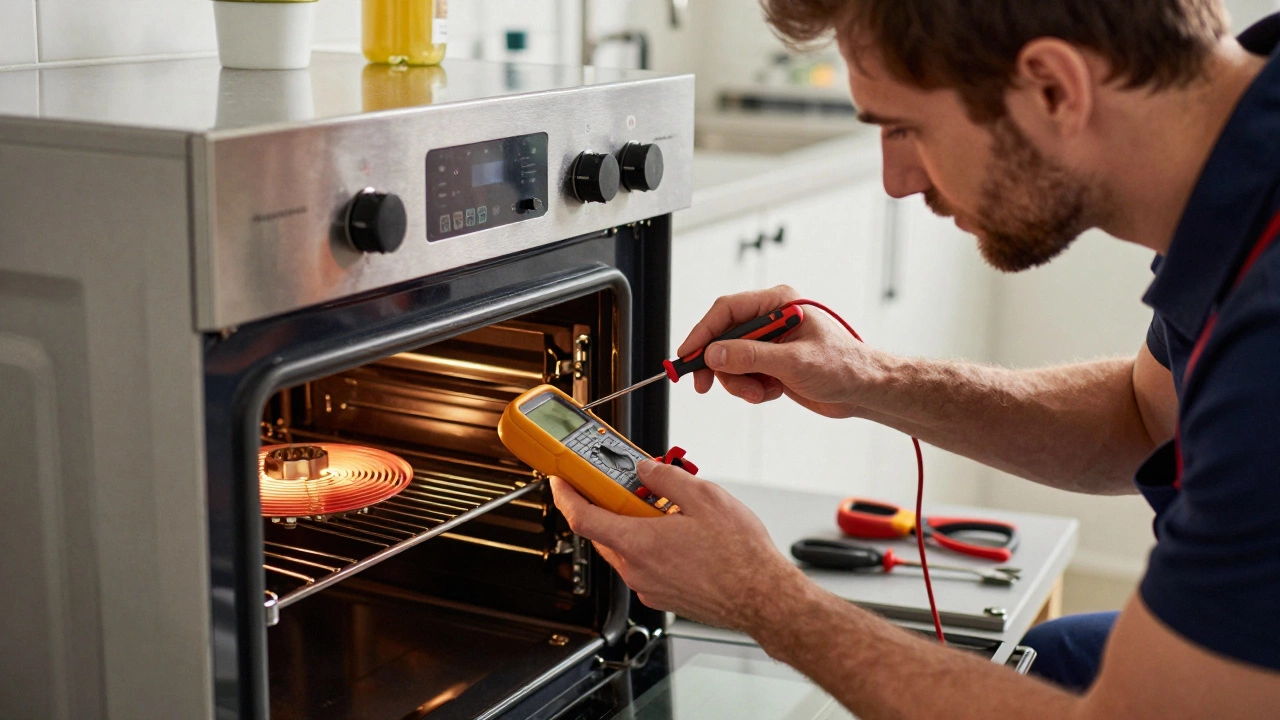
- Professional Servicing: Every three to five years, have a technician inspect the oven. They can calibrate thermostats, check wiring, and identify potential issues before they become costly repairs.
Regional Considerations: Buying in New Zealand
If you are in Auckland or elsewhere in New Zealand, consider local support. Brands like Electrolux and Beko have strong presence here. Electrolux, in particular, offers excellent service networks and readily available parts. Beko provides good value for money with decent reliability, though long-term durability may not match premium brands.
Always check warranty terms. In New Zealand, consumer law guarantees goods are of acceptable quality. Ensure your purchase includes comprehensive coverage for parts and labor. Some retailers offer extended warranties, which can be worthwhile for high-end models with complex electronics.
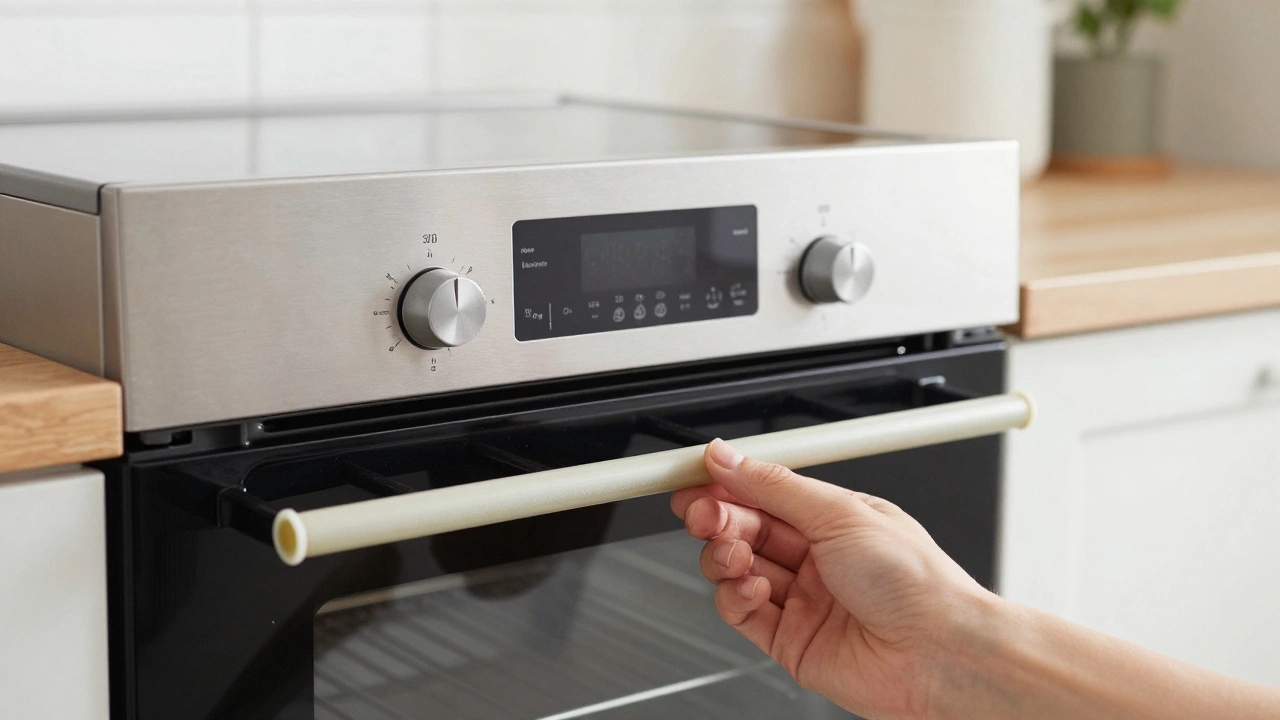
When to Repair vs. Replace
Not every breakdown means buying a new oven. Here is a simple rule of thumb: if the repair cost exceeds 50% of the price of a new comparable unit, replacement is usually the better option. However, consider the age of the oven. A ten-year-old oven needing a $200 repair might be worth fixing if it otherwise works well. A three-year-old oven with similar issues suggests a fundamental quality problem.
Also factor in energy efficiency. Older ovens consume more electricity. Replacing an inefficient model with a modern, energy-star rated oven can pay for itself in reduced utility bills over time.
Final Thoughts on Choosing a Brand
There is no single "best" brand for everyone. Your choice should depend on your priorities. If you want simplicity and easy repairs, go with Whirlpool or GE. If precision and build quality matter most, Bosch is a strong contender. For design lovers willing to pay a premium, Smeg offers style but requires careful consideration of long-term costs.
Remember, reliability is also about usage. Treat your oven with care, maintain it regularly, and address small issues promptly. This approach will maximize the lifespan of any brand you choose.
Which electric oven brand lasts the longest?
Brands like Bosch, Whirlpool, and GE are known for longevity, often lasting 10-15 years with proper care. Their durable components and widespread parts availability contribute to extended lifespans.
Is it worth repairing an old electric oven?
Yes, if the repair cost is less than half the price of a new oven and the unit is otherwise in good condition. However, consider energy efficiency gains from newer models.
What causes electric ovens to fail prematurely?
Common causes include poor build quality, frequent thermal shock, lack of maintenance, and faulty electronic control boards. Using incorrect accessories can also accelerate wear.
Are Samsung ovens reliable?
Samsung ovens offer advanced features but may have lower reliability due to complex electronics. They are suitable for tech-savvy users but may require more frequent repairs than simpler models.
How often should I service my electric oven?
Professional servicing every 3-5 years is recommended. Regular cleaning and inspection of door seals and heating elements can prevent major issues.