If your dishwasher is leaving dishes grimy, making weird noises, or just sitting there silent after you hit start, you’re not alone. In Auckland, where hard water and frequent use wear down appliances fast, dishwasher failures are one of the top repair calls we see. Most people assume it’s a big, expensive problem - but more often than not, it’s one of five simple things that break over and over.
1. The Spray Arms Get Clogged
The spray arms are the rotating arms inside the dishwasher that shoot water out through tiny holes. Over time, food bits, mineral buildup from hard water, or even dried detergent gunk block those holes. When that happens, water can’t reach the dishes properly - especially the top rack.
You can test this yourself: run a cycle with nothing inside, then open the door halfway through. If the arms aren’t spinning or water isn’t spraying forcefully, they’re clogged. Take them out (they usually twist off or unclip), rinse under hot water, and use a toothpick or small brush to clear each hole. No need to replace them unless they’re cracked or broken.
Pro tip: Rinse off large food chunks before loading. It’s not about being neat - it’s about keeping the system flowing.
2. The Door Seal Is Cracked or Dirty
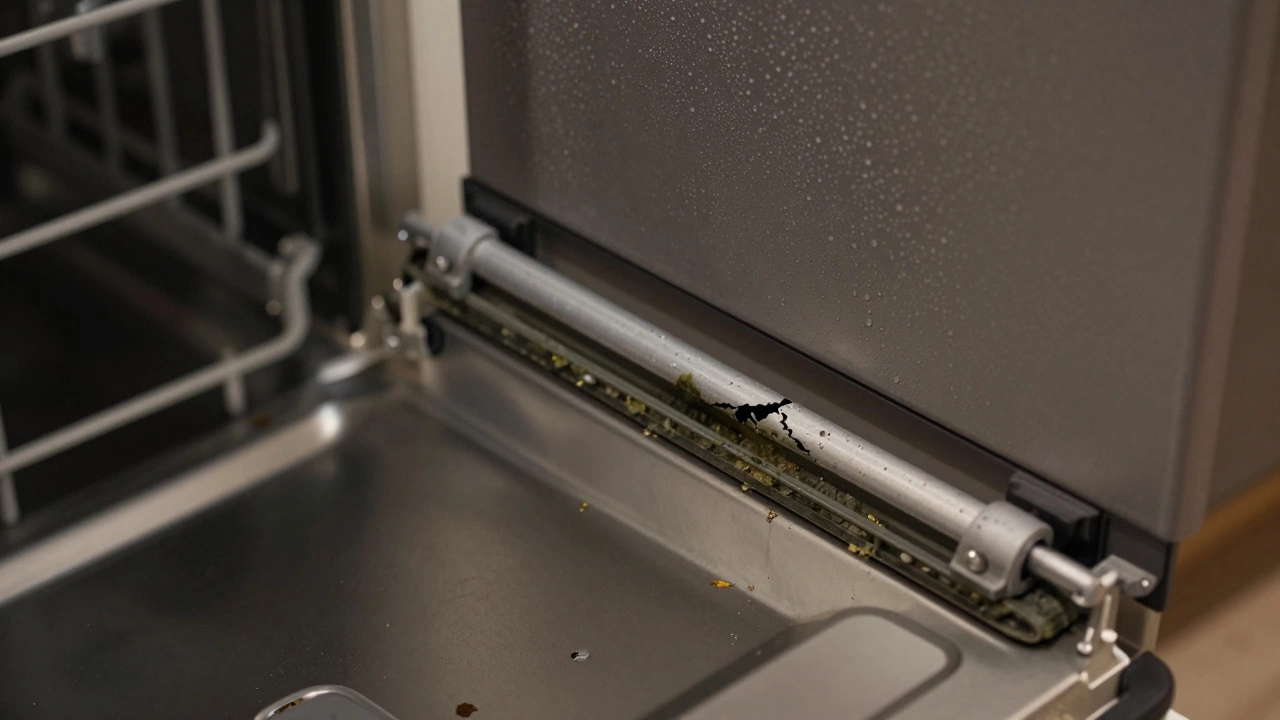
A leaking dishwasher is one of the most annoying problems. Water pooling on the kitchen floor? Chances are, it’s not a pipe issue - it’s the rubber gasket around the door.
That seal gets stiff, cracked, or covered in food debris over time. It doesn’t need to be replaced right away. First, clean it with vinegar and a soft cloth. Look for cracks, tears, or areas where the rubber has pulled away from the door frame. If you can pinch it and it doesn’t spring back, or if you see visible gaps when the door is closed, it’s time for a new one. Replacement seals are cheap and easy to install - just peel off the old one and press the new one in.
Ignore this and the leak gets worse. Mold grows under the cabinet. The floor rots. The dishwasher starts rusting from the inside out.
3. The Filter Is Blocked
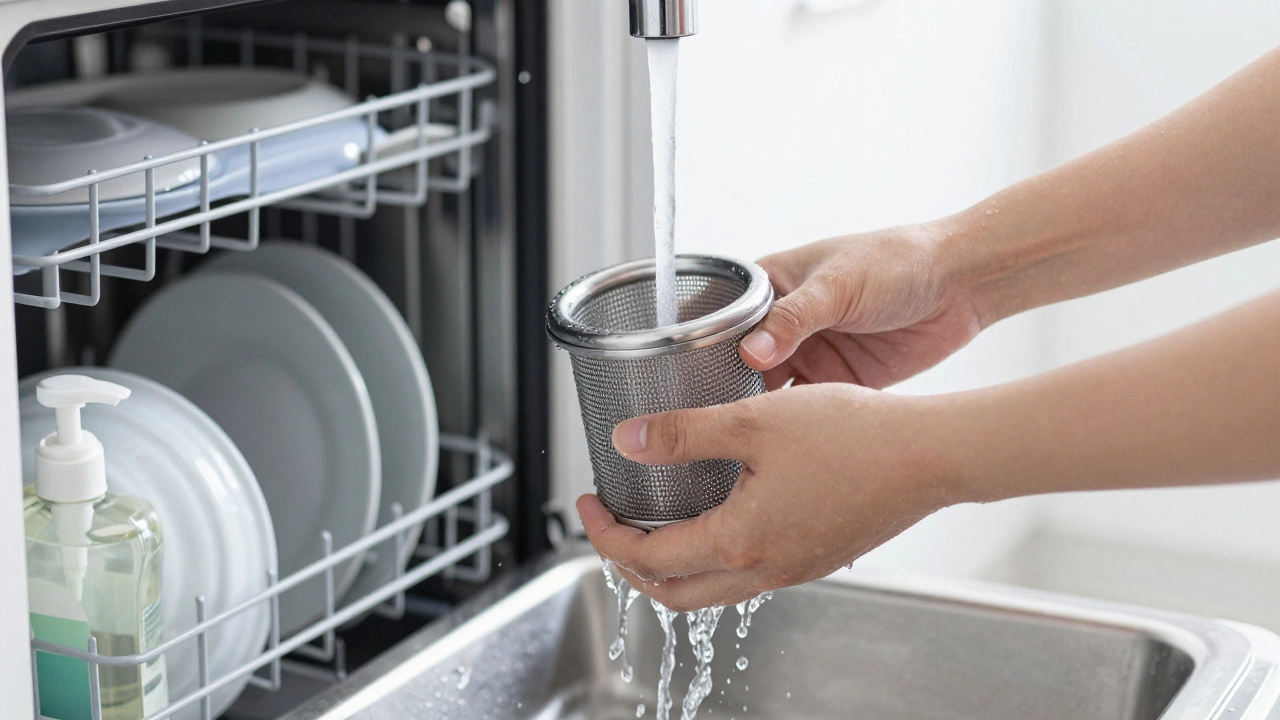
Most modern dishwashers have a self-cleaning filter, but that doesn’t mean it doesn’t need attention. The filter sits at the bottom of the tub and catches food particles before they clog the pump. If it’s full of grease and debris, water can’t drain properly. That leads to standing water, foul smells, and dishes that come out dirty.
Check it monthly. Remove the bottom rack, twist or lift out the filter (it varies by model), rinse it under running water, and scrub with an old toothbrush. Some filters have two parts - a coarse pre-filter and a fine mesh. Clean both. If you don’t, the pump has to work harder, which burns out the motor faster.
In Auckland’s older homes with low water pressure, a clogged filter is the #1 reason dishwashers don’t clean well.
4. The Heating Element Is Dead
If your dishes come out wet and cold, even after a full cycle, the heating element might be dead. This is the metal coil at the bottom of the tub that heats the water for better cleaning and drying.
It’s not hard to check. Turn off the power, remove the lower panel (usually held by screws), and look at the element. If it’s broken, warped, or has dark burn marks, it’s done. You can test it with a multimeter - continuity should read between 15 and 30 ohms. No reading? It’s dead.
Replacing it costs around $80-$120 for the part, and it’s a 30-minute job if you’re handy. But here’s the thing: people often mistake this for a drying problem. They buy rinse aid or try different cycles - but if the water never gets hot enough, nothing else will fix it. Hard water accelerates this failure. If you’ve got mineral buildup around the element, that’s your clue.
5. The Pump or Motor Fails
This is the big one - and the most expensive. If your dishwasher fills with water but never drains, makes a loud humming noise, or just won’t start, the pump or motor might be the culprit.
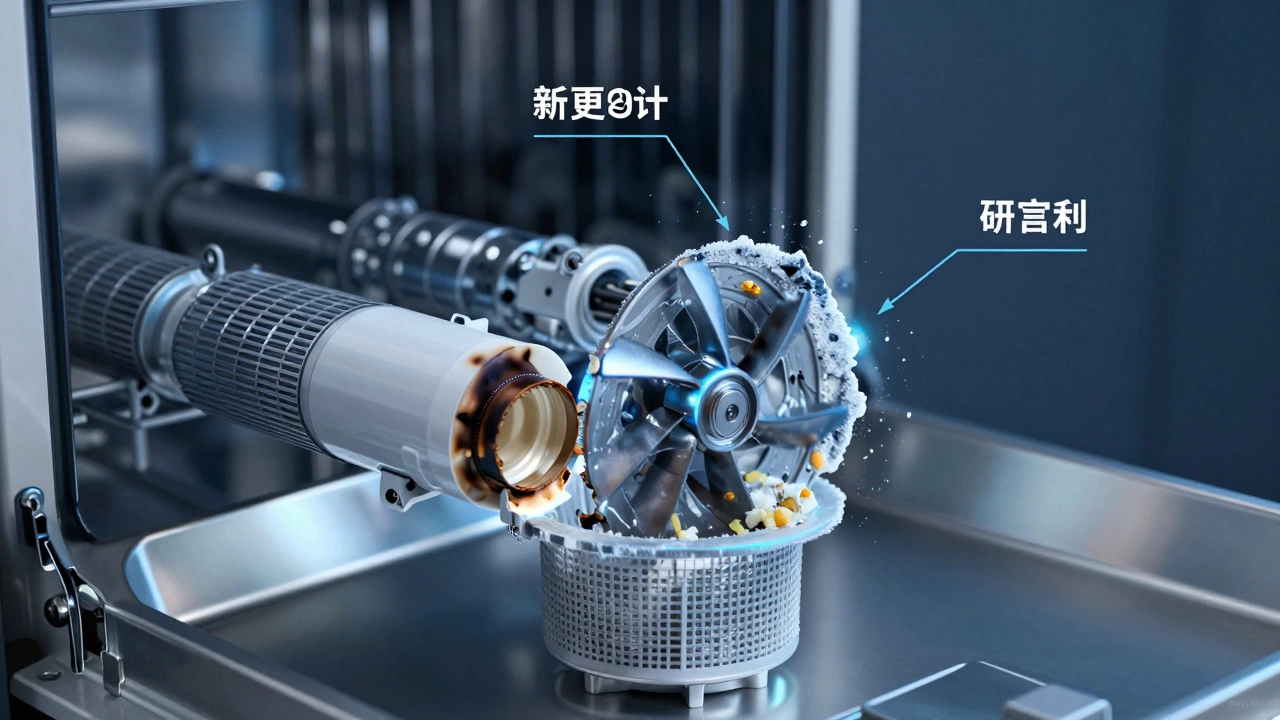
The pump is what moves water in and out. The motor turns the pump and spray arms. If the motor burns out, you’ll hear a buzz but no movement. If the pump impeller is broken, water might be stuck inside.
Before you call a pro, check for blockages. Sometimes a small object like a toothpick or piece of plastic gets stuck in the pump. Remove the lower panel, locate the pump (it’s usually near the bottom), and spin the impeller by hand. If it’s frozen or gritty, clean it. If it spins freely but the dishwasher still won’t drain, the motor is likely gone.
Motor replacement can cost $300-$500. If your dishwasher is over 10 years old, it’s often cheaper to replace the whole unit. But if it’s a newer model with good features, replacing the motor is worth it.
What You Should Never Do
Don’t use regular dish soap. It creates too many suds and overloads the system. Always use dishwasher-specific detergent.
Don’t overload the machine. It’s tempting to cram it full, but that blocks water flow. Dishes need space to get sprayed from all angles.
Don’t ignore the smell. A rotten-egg odor isn’t just gross - it’s bacteria growing in a clogged drain or filter. Clean the filter, run a cycle with vinegar, and leave the door open after each use to dry things out.
When to Call a Technician
You can fix most of these issues yourself. But if you’ve tried cleaning the filter, spray arms, and seal - and the dishwasher still won’t heat, drain, or turn on - it’s time to call someone. Electrical faults, control board failures, or water inlet valve problems need professional tools to diagnose.
Also, if your dishwasher is under warranty (most are for 1-2 years), don’t open it up yourself. You could void the coverage.
Prevention Is the Best Repair
The best way to avoid dishwasher problems is simple: clean it regularly. Once a month, run an empty cycle with a cup of white vinegar on the bottom rack. Once every three months, clean the filter and spray arms. Wipe the door seal with a damp cloth. Don’t let grease build up.
And if you live in a hard water area - like most of Auckland - use a rinse aid every cycle. It prevents spots and helps the drying process. It also reduces mineral buildup on the heating element and internal parts.
Dishwashers are built to last 10-12 years. But without basic care, they die in half that time. Most failures aren’t mysterious. They’re the result of small things ignored for too long.
Why is my dishwasher not cleaning the top rack?
The top spray arm is likely clogged with food debris or mineral buildup. Remove it, rinse under hot water, and use a toothpick to clear each hole. Also check that dishes aren’t blocking the arm from spinning.
Can I use vinegar in my dishwasher?
Yes. Place a cup of white vinegar on the top rack and run a hot cycle without dishes. It removes grease, mineral deposits, and odors. Do this monthly. Vinegar won’t harm your dishwasher - but don’t mix it with bleach.
Why does my dishwasher smell bad?
Food particles trapped in the filter or drain hose cause the smell. Clean the filter thoroughly, run a vinegar cycle, and check the drain hose for blockages. Leaving the door slightly open after each use also helps prevent mold.
Is it worth repairing a 10-year-old dishwasher?
It depends. If the repair costs less than half the price of a new unit and the model is energy-efficient, yes. But if you’re replacing the motor or control board, it’s often better to upgrade. Newer models use 30% less water and are quieter.
What causes a dishwasher to not drain?
The most common causes are a clogged filter, a blocked drain hose, or a faulty pump. Check the filter first, then inspect the drain hose under the sink for kinks or food buildup. If those are clear, the pump may need replacing.