Most people don’t think about how long their dryer will last until it stops working. Then they’re stuck with wet clothes, a broken machine, and a bill they didn’t plan for. So how many years does a dryer actually last? The short answer: 10 to 13 years on average. But that number can swing from as low as 5 years to over 15 - and it all depends on how you use it, what kind it is, and whether you do the little things that keep it running.
What affects a dryer’s lifespan?
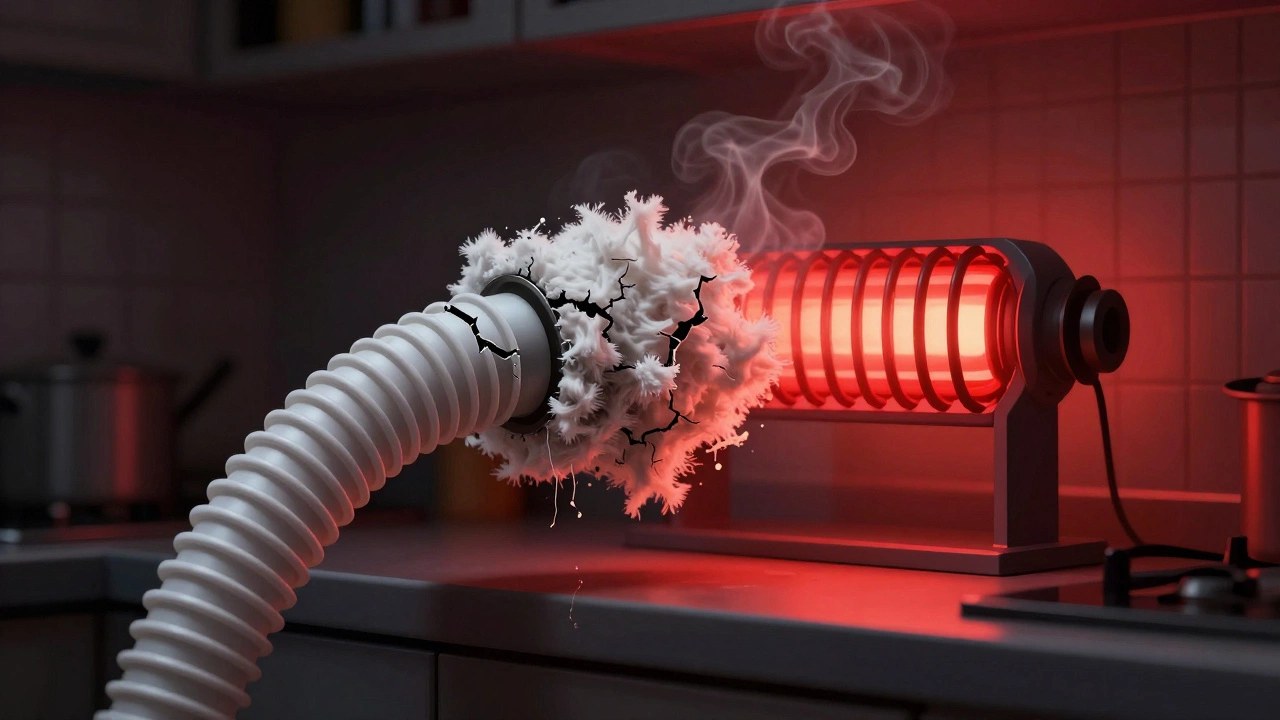
Not all dryers are built the same. A basic electric model from a budget brand might start struggling after 7 years. A high-end vented dryer with stainless steel drum and better motors can easily hit 15. But even the best dryer won’t last if you ignore the basics.The biggest killer of dryers? Lint buildup. Every time you run a load, fibers shed from your clothes and get caught in the filter and vent duct. If you don’t clean the filter after every load - and clear the vent hose every 6 months - your dryer has to work twice as hard. That means the heating element burns out faster, the motor overheats, and the drum bearings wear down. It’s not magic. It’s physics.
Another big factor: overloading. Stuffing 12 towels into a dryer made for 6? That puts stress on the drum, belt, and motor. It’s like running a car with the parking brake on. You’ll get there, but you’ll wear everything out early.
And don’t forget vent type. Vented dryers (the kind that blow hot air outside) last longer than condenser or heat pump models. Why? Condenser dryers collect moisture inside the machine. That means more water sitting around, more rust, more clogs. Heat pump dryers are energy-efficient, but their complex cooling systems have more parts that can fail. In Auckland’s humid climate, condenser dryers especially struggle with moisture buildup, which speeds up corrosion.
Signs your dryer is nearing the end
You don’t need to wait for it to die completely to know it’s time to replace it. Here are the real warning signs:- Your clothes take two or three cycles to dry - and you’ve cleaned the filter and vent.
- You smell burning or overheating, even when the dryer isn’t overloaded.
- The drum doesn’t spin right - it makes grinding noises or stops mid-cycle.
- The control panel is glitchy. Buttons don’t respond, or it turns off randomly.
- Repair costs are hitting $150 or more. That’s often 50% of what a new dryer costs.
If you’re seeing two or more of these, you’re not saving money by fixing it. You’re just delaying the inevitable.
Electric vs gas vs heat pump: Which lasts longer?
Most homes in New Zealand use electric dryers. But if you’re thinking of upgrading, here’s the breakdown:
| dryer type | average lifespan | pros | cons |
|---|---|---|---|
| Vented electric | 10-13 years | Simple design, easy to repair, low upfront cost | Uses a lot of energy, needs external vent |
| Condenser electric | 8-11 years | No external vent needed, good for apartments | More parts to fail, prone to mold and rust in humid climates |
| Heat pump | 12-15 years | Uses 50% less energy, gentle on clothes | Higher upfront cost, complex repairs, slower drying |
Heat pump dryers are becoming more common in New Zealand because of energy rebates. But even though they last longer, they’re not always worth it if you’re not running them often. If you only do two loads a week, the savings won’t pay off before the machine wears out.
How to stretch your dryer’s life
There’s no magic trick. But there are five simple habits that make a huge difference:
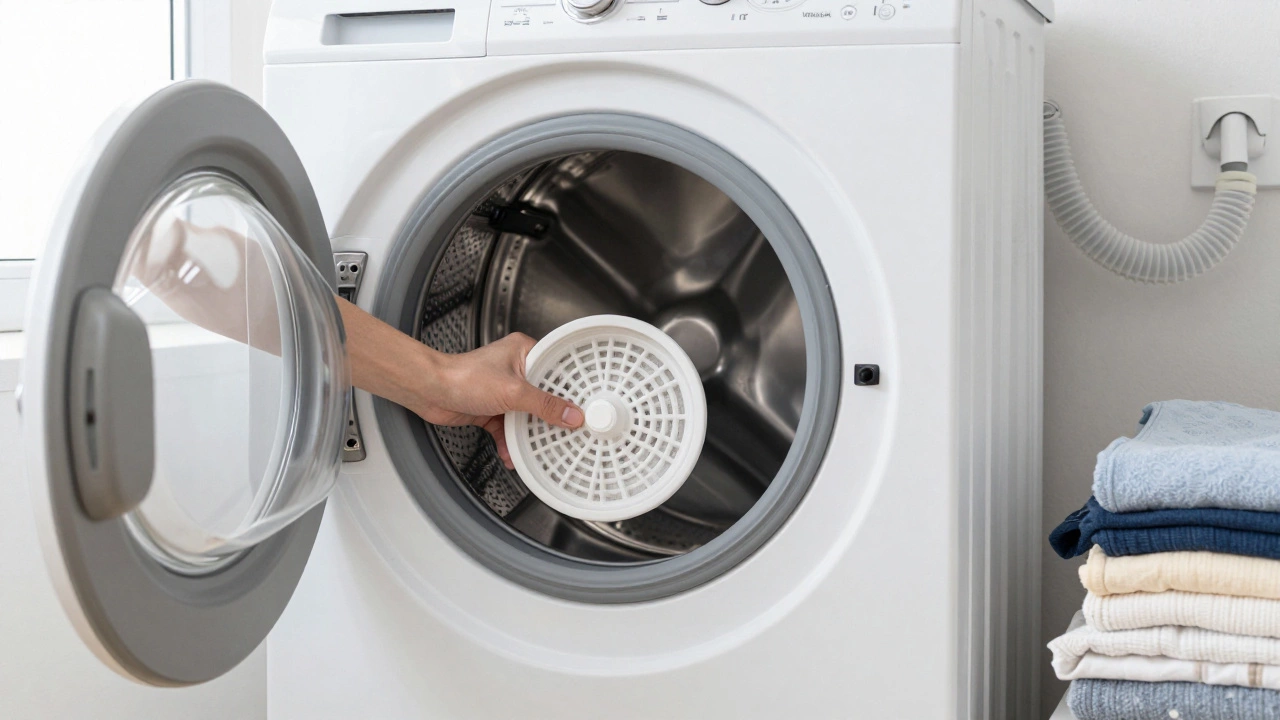
- Clean the lint filter after every load. Seriously. Every. Single. Time. A clogged filter cuts airflow by 30% - that’s like running with a scarf over your face.
- Check the vent hose every 6 months. Pull it out from the wall, vacuum out the lint, and make sure it’s not kinked. A bent hose is a fire hazard.
- Don’t overload it. If you can’t fit your hand in the drum after loading, it’s too full.
- Use low heat for delicate loads. High heat doesn’t dry faster - it just wears out the drum and motor.
- Replace the vent hose every 5 years. Plastic hoses crack. Metal ones last longer. Don’t use the flimsy foil ones - they collapse and trap lint.
These steps cost you nothing but time. And if you do them, you’re likely to get 13+ years out of your dryer - even if it’s not the fanciest model.
When to replace, not repair
Here’s the rule I use when people call asking if it’s worth fixing:
If the repair costs more than half the price of a new dryer, walk away.
For example, if your dryer is 9 years old and needs a new heating element ($180), that’s probably not worth it if a new one costs $400. You’re not just paying for the part - you’re paying for labor, for a machine that’s already halfway through its life. That new dryer will be more efficient, quieter, and come with a warranty.
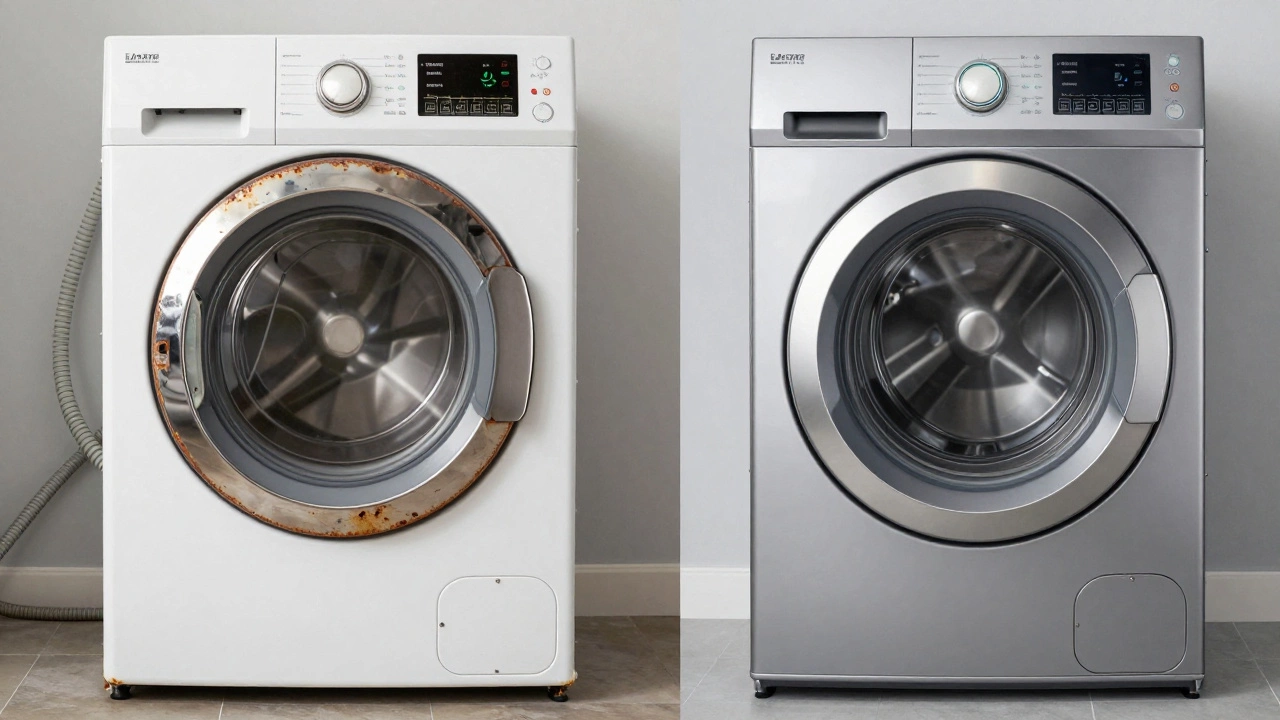
Same goes for drum bearings, motors, or control boards. These aren’t like a broken oven light. They’re core components. Replacing them means you’re putting new life into an old shell. And that shell is probably rusting, vibrating, and eating electricity.
What to look for in a new dryer
If you’re replacing, here’s what actually matters:
- Capacity: Choose based on your load size. If you have a family of four, 7kg or more. For one or two people, 5-6kg is fine.
- Energy rating: Look for 5 stars. Even if it costs more upfront, you’ll save on power bills over time.
- Drum material: Stainless steel lasts longer than painted steel. It won’t chip or rust.
- Warranty: At least 2 years on parts, 1 year on labor. Some brands offer 5-year motor warranties - that’s a good sign.
- Smart features: Moisture sensors and auto-dry cycles save energy. They’re worth it if you hate guessing when clothes are dry.
Don’t get tricked by extra programs like "Delicate" or "Sanitize." They don’t make the dryer better - they just add complexity that can break later.
Final thought: It’s not about years - it’s about usage
A dryer in a rental apartment in Ponsonday that runs 5 times a week will die before one in a quiet household in Howick that only runs twice. It’s not about age. It’s about how much work you ask it to do.
Keep it clean. Don’t overuse it. Pay attention to the signs. And when the time comes, replace it - don’t patch it. You’ll save money, time, and frustration in the long run.
Can a dryer last 20 years?
It’s extremely rare. Even the best-maintained dryers rarely make it past 15 years. The motors, belts, and heating elements are designed for 10-13 years of regular use. After that, parts become harder to find, and efficiency drops. A 20-year-old dryer is usually running on borrowed time - and often uses twice as much electricity as a modern model.
Is it worth repairing a 10-year-old dryer?
Only if the repair is under $100 and it’s something simple, like a door switch or lint filter. Anything more - motor, heating element, control board - and you’re better off replacing it. At 10 years, you’re already at or past the average lifespan. Even if it works after the fix, another breakdown is likely within a year.
Do heat pump dryers last longer than electric ones?
Yes, generally. Heat pump dryers have fewer moving parts and run at lower temperatures, which reduces wear. They also don’t rely on a vent system, which eliminates one major failure point. Most last 12-15 years, compared to 10-13 for standard electric models. But they cost more upfront and need more careful maintenance - especially cleaning the condenser unit every few months.
Why does my dryer smell like burning?
A burning smell usually means lint is trapped near the heating element. It’s overheating and smoldering. This is dangerous - it’s a leading cause of home fires. Turn off the dryer immediately. Clean the lint filter, vent hose, and drum area. If the smell comes back after cleaning, the heating element or thermostat may be failing. Don’t keep using it - call a technician or replace it.
Should I replace my dryer if it’s still working after 12 years?
If it’s drying clothes efficiently, not making noise, and using normal amounts of power - you can keep it. But don’t ignore the signs. Older dryers use 30-50% more electricity than new ones. If your power bill has crept up over the last few years, or if you’re waiting longer for loads to dry, it’s time to upgrade. A new, efficient model will pay for itself in energy savings within 2-3 years.
Most dryers die from neglect, not age. Clean it. Use it right. And when it’s done, replace it - don’t fight it. Your clothes, your wallet, and your safety will thank you.