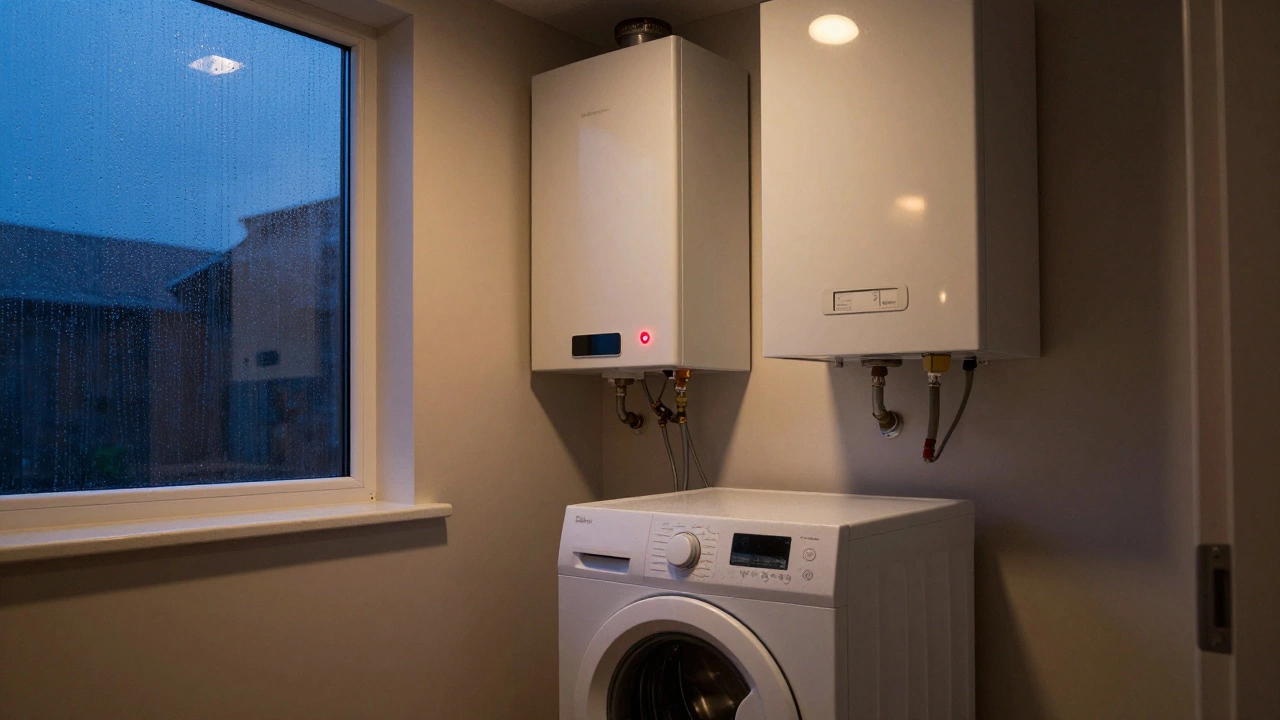
Boiler & Washing Machine Diagnostic Tool
Step 1: Check Your Water Connection
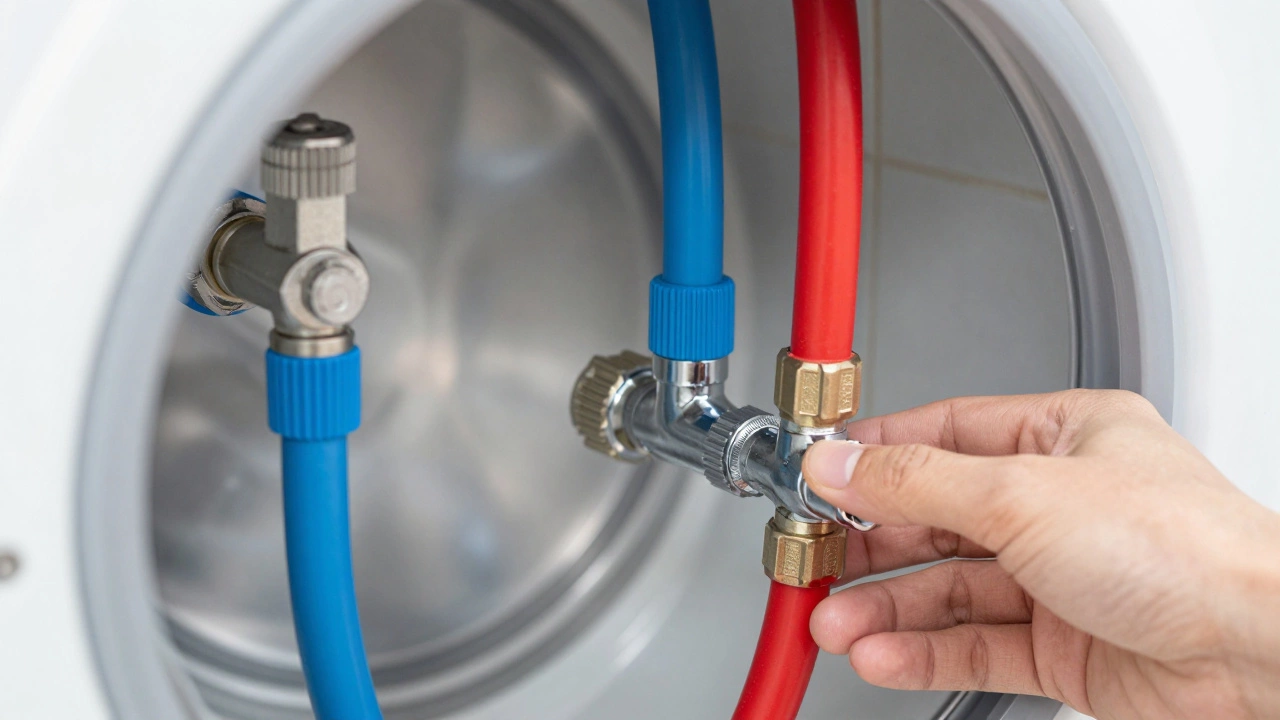
Look at the back of your washing machine where the water hoses connect to the wall tap.
Imagine it’s a rainy Tuesday evening in Auckland. You’ve just loaded your muddy hiking boots and week-old gym clothes into the washing machine. You hit start, expecting the usual hum of warm water rushing in. Instead, you hear silence-or worse, the machine stops halfway through because the water is freezing. Your central heating system is down, and the radiators are cold as ice. The question burning in your mind isn't just about comfort; it's about whether your laundry will ever get clean again. Will my washing machine work if the boiler is broken?
The short answer is yes, but with major caveats. Whether your machine can function depends entirely on how it gets its hot water. In many modern homes, especially those with condensing boilers or combi systems, the boiler is the sole source of heated water for both taps and appliances. If that unit fails, you lose the heat. However, losing heat doesn’t mean your appliance is dead. It just means you have to change how you use it.
Understanding How Your Washing Machine Gets Hot Water
To figure out if your machine will run, you first need to understand what kind of connection it has to your home’s plumbing. This is the critical fork in the road for your laundry situation.
There are two main ways washing machines handle temperature:
- External Hot Water Supply: Older models, and some specific European designs, connect to both the cold mains water supply and the hot water cylinder (fed by the boiler). If this is your setup, and the boiler dies, the machine cannot draw hot water. It might try to mix cold and hot, but if the hot line is empty or unpressurized due to the failure, the machine may error out or simply wash in lukewarm slush.
- Internal Heating Element: Most modern washing machines sold in New Zealand and globally only connect to the cold water supply. They have an electric heating element inside the drum. When you select a 40°C or 60°C wash, the machine pulls cold water from the tap and heats it up internally using electricity. If your boiler breaks, this machine doesn't care. It keeps working perfectly because it generates its own heat.
How do you know which one you have? Look at the back of your machine. If you see only one hose connected (usually blue or marked 'cold'), you have an internal heater. You are safe. If you see two hoses (one red/hot, one blue/cold), you are dependent on your boiler for hot water. If that boiler is busted, your ability to do hot washes is compromised.
The Cold Wash Reality Check
Let’s assume you have an older machine reliant on the boiler, or perhaps your internal heating element has also failed (a common secondary issue). Can you still do laundry? Yes. But you need to manage your expectations regarding hygiene and stain removal.
Cold water washing is actually becoming more popular for environmental reasons. It saves energy. But there’s a catch. Enzymes in most standard detergents work best between 30°C and 40°C. Below that, their cleaning power drops significantly. Grease, oil, and body soils don’t dissolve well in cold water. They tend to sit on the fabric fibers rather than being lifted away.
If you must wash in cold water because the boiler is down, here is what changes:
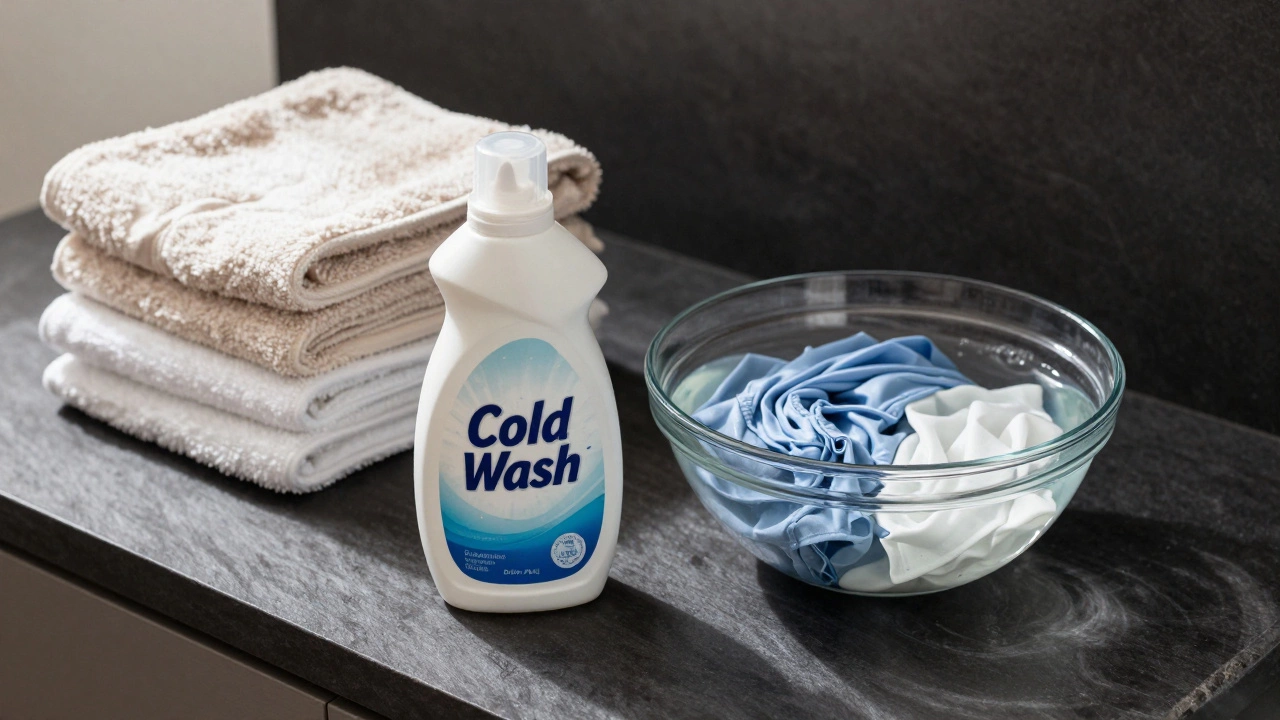
- Detergent Choice: You cannot use powder detergents designed for hot water. They won’t dissolve. You need liquid detergents specifically labeled for "cold wash" or "all temperatures." These contain enzymes engineered to activate at lower temperatures.
- Soaking Time: Pre-soak heavily soiled items. Let them sit in a bucket with detergent for 30 minutes before throwing them in the machine. This gives the chemicals time to break down dirt without the aid of heat.
- Load Size: Don’t overload the machine. Cold water needs more agitation and friction to clean. If the drum is packed tight, the clothes can’t move, and they won’t get clean.
Is it ideal? No. Your whites might look slightly greyer, and your towels won’t feel as fluffy. But for a temporary fix while you wait for a technician, it’s better than wearing dirty clothes.
Signs Your Boiler Is Affecting Your Laundry
Sometimes the boiler isn’t fully "broken," but it’s struggling. This partial failure can cause weird issues with your washing machine that are easy to misdiagnose. You might think the machine is faulty when the problem is actually upstream.
Watch out for these symptoms:
- Inconsistent Temperatures: One load comes out warm, the next is ice cold. This suggests the boiler’s thermostat is failing or the pressure is dropping intermittently.
- Slow Fill Times: If the boiler relies on a pump to push hot water to the machine, a failing pump means the washer waits forever for water, triggering an "error code" or shutting off.
- Noise from Pipes: Gurgling sounds coming from the washing machine inlet during the fill cycle often indicate air locks in the hot water lines, caused by low pressure in the boiler system.
If you notice these signs, running a wash might not be the best idea. You could end up with half-washed clothes or trigger a leak if the pressure valves are acting up. It’s safer to pause laundry until a professional checks the system.
Immediate Troubleshooting Steps
Before you call a repair person, try these steps to see if you can restore functionality or isolate the issue.
1. Check the Pressure Gauge Most combi boilers have a pressure gauge on the front. It should read between 1 and 1.5 bar. If it’s below 0.8, the boiler may lock out to protect itself. Try repressuring the system via the filling loop. If the pressure holds and the boiler restarts, your washing machine might get hot water again.
2. Reset the Boiler Like computers, boilers have memory. Sometimes a temporary glitch causes a shutdown. Look for a reset button (often a small hole or a button labeled 'Reset'). Press it and wait a minute. If the lights return to normal green/blue, give it a test run with the washing machine.
3. Inspect the Washing Machine Filter Sometimes the blockage isn't in the boiler, but in the inlet filter of the washing machine. Turn off the water supply, unscrew the hose from the back of the machine, and check the small mesh screen inside the inlet valve. If it’s clogged with limescale or debris, clean it. This ensures maximum water flow regardless of boiler performance.
When to Call a Professional
If resetting the boiler doesn’t work, and you rely on it for hot water, you need expert help. In Auckland, where winters can be damp and chilly, waiting too long for repairs can lead to bigger problems. A leaking boiler can damage flooring, and a lack of hot water affects more than just laundry-it impacts your daily hygiene.
Look for a qualified GasSafe registered engineer (if you have gas) or a licensed plumber/electrician for electric boilers. They can diagnose issues like:
- Faulty Thermostats: Preventing the water from heating up.
- Broken Circulator Pumps: Stopping hot water from reaching the machine.
- Heat Exchanger Failure: A serious issue requiring replacement parts.
While you wait for the appointment, switch to cold washes with appropriate detergent. Use a tumble dryer if available, as cold-washed clothes take longer to air dry and may develop odors if left damp.
Long-Term Solutions: Independence from the Boiler
If your boiler is old and frequently breaking down, consider upgrading your washing machine to one with an internal heating element. Modern machines are highly efficient. The energy cost of heating water internally is minimal compared to the convenience and reliability it offers.
Additionally, regular maintenance of your boiler-bleeding radiators, checking pressure, and annual servicing-can prevent unexpected breakdowns. Think of it like changing the oil in your car. It’s annoying to schedule, but it prevents you from being stranded on the side of the road (or in this case, stuck with a pile of dirty laundry).
Can I use hot tap water if the boiler is broken?
If your boiler is completely broken, no, you will not have hot tap water either. Boilers typically provide hot water for the entire house. If it’s a partial failure, you might have hot water at the kitchen sink but not enough pressure for the washing machine. Test your taps first.
Will washing in cold water ruin my clothes?
No, cold water is generally gentler on fabrics. It prevents shrinking and fading. The only downside is reduced cleaning power for heavy stains and bacteria. For delicates and dark colors, cold water is actually preferred.
How do I know if my washing machine has an internal heater?
Check the back of the machine. If there is only one water inlet hose (usually blue), it has an internal heater. If there are two hoses (red and blue), it relies on external hot water from your boiler.
Is it safe to run the washing machine if the boiler is making noise?
If the boiler is gurgling or kettling, it indicates sediment buildup or air locks. It’s usually safe to run the washer, but be prepared for inconsistent water temperatures. If you smell gas or see leaks, stop immediately and call a professional.
What detergent should I use for cold washes?
Use liquid detergents labeled for "cold wash" or "low temperature." Powder detergents often fail to dissolve in cold water, leaving residues on your clothes. Liquid formulas contain enzymes that work effectively at lower temperatures.