Boiler vs. Plumbing: Who Should You Call?
Select the symptom you are experiencing to find out the right professional for the job.
Visible Symptoms
System/Internal Faults
Quick Takeaways
- General plumbers handle pipes and water flow, but not all are qualified for boilers.
- For gas boilers, you must hire a certified gas engineer (like Gas Safe in the UK).
- Heating engineers specialize in the entire system, while plumbers focus on water distribution.
- Hiring an unqualified person for boiler work is dangerous and can void your warranty.
The Difference Between a Plumber and a Heating Engineer
To understand who should touch your boiler, we need to clear up some terminology. In many places, people use the word "plumber" as a catch-all term for anyone who works with pipes. However, in the professional world, there is a distinct gap between a general plumber and a heating engineer.
Plumbing is the system of pipes, fixtures, and appliances used for the distribution of potable water and the removal of waste water. A general plumber is an expert at installing faucets, clearing blocked drains, and fixing leaking pipes. They deal mostly with "cold" water systems and drainage.
On the other hand, Heating Engineering involves the specialized knowledge of thermodynamics, fuel combustion, and high-pressure systems. A heating engineer focuses on the boiler, radiators, and the complex circuitry that keeps your home warm. While a heating engineer can often do plumbing work, a general plumber cannot always do heating work.
When a Plumber Can Help with Your Boiler
There are specific scenarios where a standard plumber is exactly who you need. Since boilers rely on a network of pipes to move water around your house, any issue outside the boiler unit itself usually falls under general plumbing.
For example, if you notice a leak in the copper piping leading away from your boiler, or if your radiators aren't heating up because of a blockage in the pipes, a plumber can handle that. They can bleed your radiators, replace a leaky valve, or install new piping for a radiator relocation. In these cases, they aren't touching the internal combustion chamber or the electronic gas valves; they are simply managing the water transport system.
If you have a Electric Boiler, the rules change slightly. Because there is no gas combustion involved, some highly skilled plumbers with electrical certifications can handle basic repairs. However, most will still refer you to a specialist to ensure the circuitry is handled correctly.
The "Hard Line": Gas Boilers and Legal Requirements
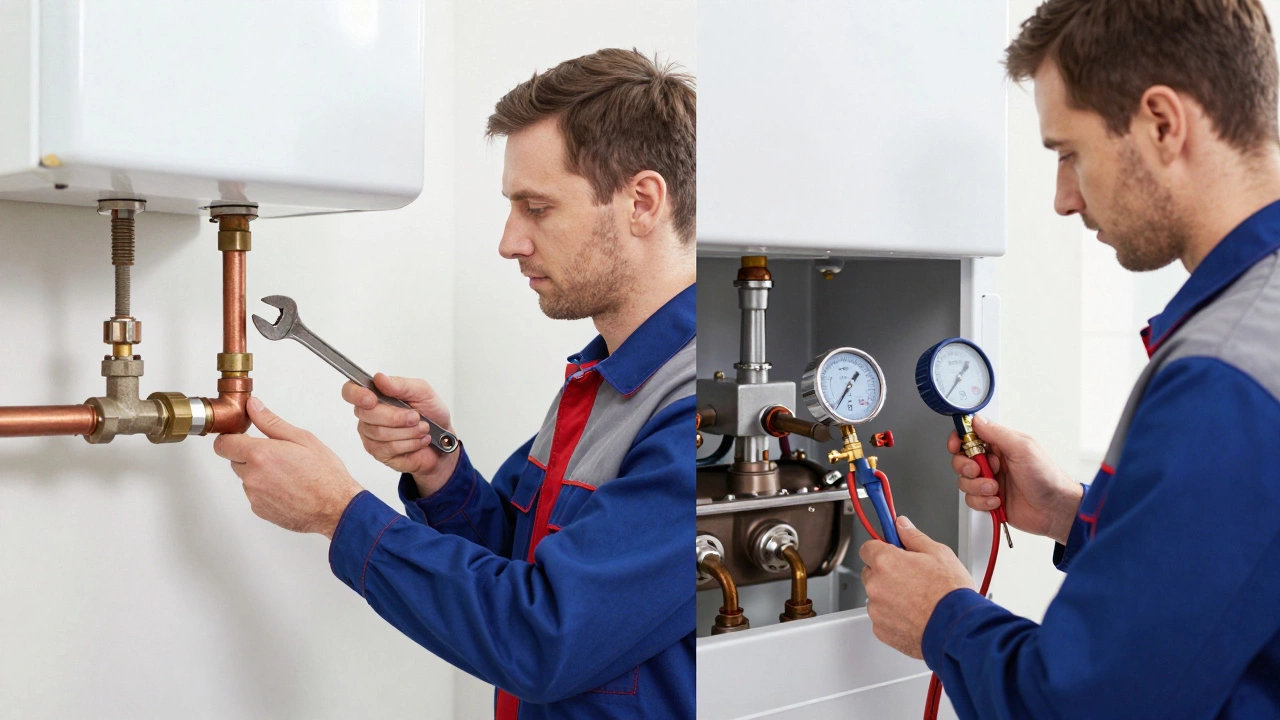
This is where the conversation gets serious. If you have a gas-fired boiler, you cannot just hire any plumber. In the UK, for instance, it is a legal requirement that anyone working on gas appliances be registered with Gas Safe, the official register of gas engineers who are qualified and competent to work on gas appliances. In the US, similar licensing requirements exist at the state level for HVAC technicians.
Why the strictness? Gas boilers are essentially controlled explosions. If a valve is seated incorrectly or a flue is poorly fitted, you risk Carbon Monoxide poisoning-a colorless, odorless gas that can be fatal. A general plumber who hasn't gone through specific gas safety certification doesn't have the tools or the training to test for gas leaks or verify that the boiler is burning fuel efficiently.
| Task | General Plumber | Gas/Heating Engineer |
|---|---|---|
| Fixing a leaky kitchen tap | Yes | Yes |
| Replacing a boiler pump | Maybe (if water-only) | Yes |
| Adjusting gas pressure/burners | No | Yes |
| Installing a new boiler | No | Yes |
| Clearing a blocked drain | Yes | Sometimes |
The Dangers of the "Handy-Plumber" Trap
You'll often find people who claim they can "do it all." They might have been a plumber for twenty years and say they've "seen a thousand boilers." While they might be able to swap a part, there's a huge difference between making a machine work and making it safe.
If an unqualified person works on your boiler, you face three major risks:
- Warranty Voiding: Almost every modern boiler manufacturer requires proof of service by a certified professional. If you let an uncertified plumber tinker with the internals, your 5-year or 10-year warranty becomes useless.
- Insurance Denials: If a fire or leak occurs and your insurance company discovers that a non-certified person performed the work, they may refuse to pay the claim.
- System Inefficiency: A boiler that isn't calibrated correctly by a professional might still provide heat, but it will burn more fuel, costing you hundreds of extra dollars or pounds on your monthly energy bill.
Identifying the Signs: Who Do You Actually Need?
Before you pick up the phone, take a look at where the problem is located. This can save you from paying a premium for a specialist when a generalist will do, or worse, wasting time with someone who can't actually fix the problem.
Call a general plumber if:
- You see water pooling on the floor around the boiler, but not coming from inside the casing.
- A radiator is cold at the top and hot at the bottom (this is usually trapped air).
- Your pipes are knocking or banging when the heat turns on.
- You have a leak in a pipe anywhere else in the house.
Call a boiler repair specialist or heating engineer if:
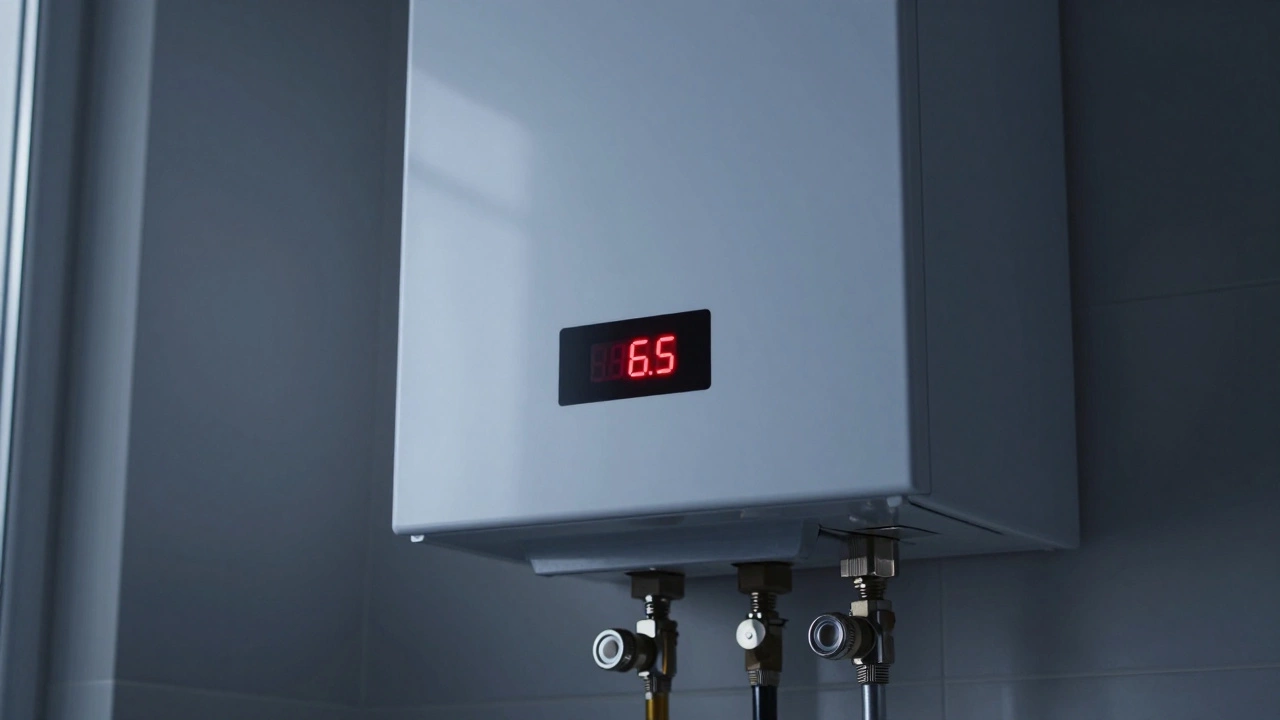
- The boiler display shows a fault code (e.g., F22, E110).
- The pilot light is out or the boiler won't ignite.
- You smell gas (leave the house immediately and call the emergency line!).
- The boiler is making a loud screeching or banging noise from inside the unit.
- You need an annual safety check or service.
What Happens During a Professional Boiler Service?
If you've decided to hire a specialist, it's helpful to know what they should actually be doing. A real heating engineer doesn't just glance at the machine and say "it looks fine." They follow a rigorous checklist to ensure the unit is operating safely.
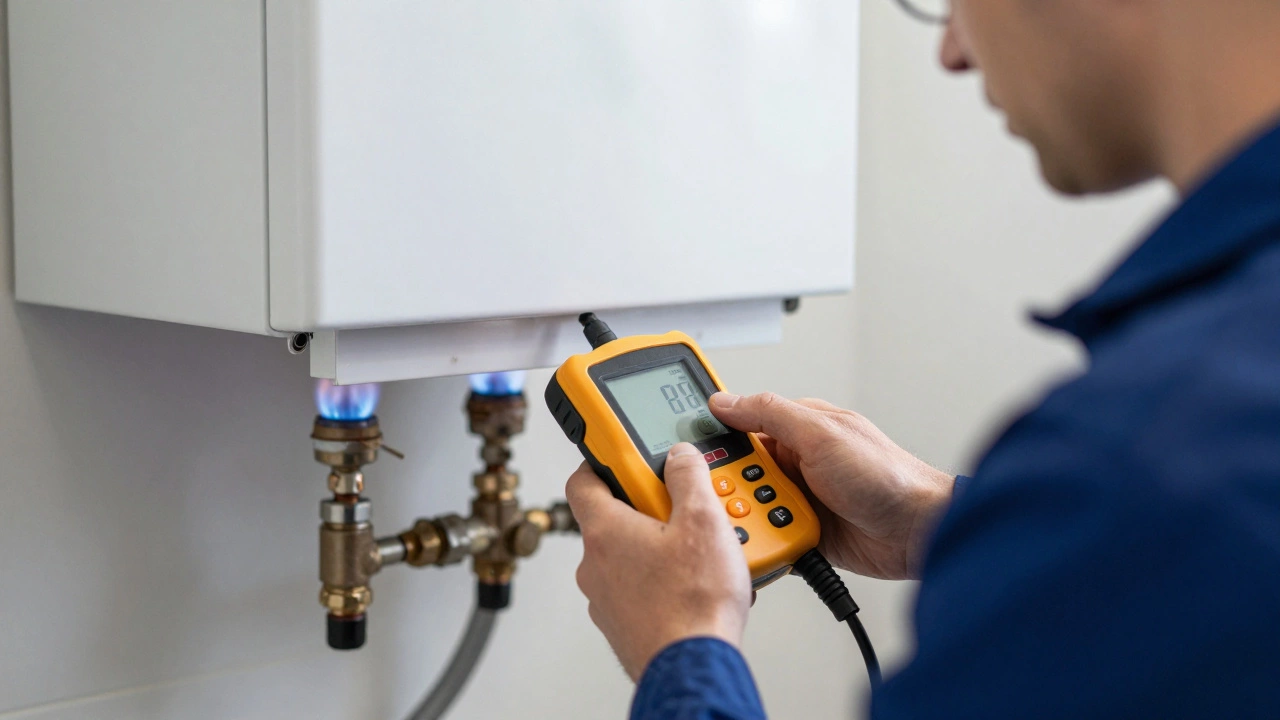
First, they'll check the Flue, which is the pipe that carries combustion gases outside. If this is blocked by a bird's nest or corroded, carbon monoxide can leak back into your home. Next, they examine the heat exchanger for soot and debris, which can restrict airflow and lower efficiency.
They will also test the Pressure Relief Valve to make sure the system can safely vent excess pressure without exploding a pipe. Finally, they'll calibrate the gas pressure to ensure the flame is the correct color-usually a crisp blue. A yellow or orange flame is a sign of incomplete combustion and is a major red flag.
Can a plumber install a new boiler?
Generally, no. While they can run the pipes, the actual connection to the gas line and the commissioning of the appliance must be done by a certified gas engineer. In many regions, only a licensed professional can sign off on the installation to make it legal and insurable.
Is a heating engineer more expensive than a plumber?
Often, yes. Heating engineers have more specialized training and certifications, which typically commands a higher hourly rate. However, because they can diagnose boiler issues faster, you may end up spending less in the long run than paying a general plumber to guess what's wrong.
How often should I have my boiler serviced?
You should have your boiler serviced once a year. This ensures it stays efficient, keeps your warranty valid, and, most importantly, confirms that there are no dangerous gas leaks or carbon monoxide risks in your home.
What if my plumber says they can fix the boiler but aren't Gas Safe registered?
Do not let them do it. Working on gas appliances without the proper certification is not only dangerous but often illegal. If something goes wrong, your insurance company will likely deny any claims, and you could be putting your family's safety at risk.
Can a plumber bleed my radiators?
Yes, absolutely. Bleeding radiators is a basic plumbing task that involves releasing trapped air from the system to allow water to flow freely. This does not require gas certification and is a standard job for any qualified plumber.
Next Steps for Homeowners
If you're currently staring at a broken boiler, start by checking your manual for the error code. Once you have that, look at the source of the problem. If it's a leak in the wall, a plumber is your best bet. If the boiler is acting up, search for a certified heating engineer in your area.
For those who want to avoid emergency call-out fees, the best move is to set up a recurring annual maintenance contract. This ensures your system is tuned up before the winter rush hits, and you'll have a relationship with a professional who already knows the specifics of your home's layout.