Extractor Fan Health Diagnostic Tool
How to use: Select the symptoms you are currently experiencing with your fan. The tool will analyze the likely failure point and provide a recommended action.
1. Performance & Airflow
Quick Guide: Is Your Fan Dying?
- The Noise Test: If it sounds like a jet engine or a grinding coffee mill, the bearings are gone.
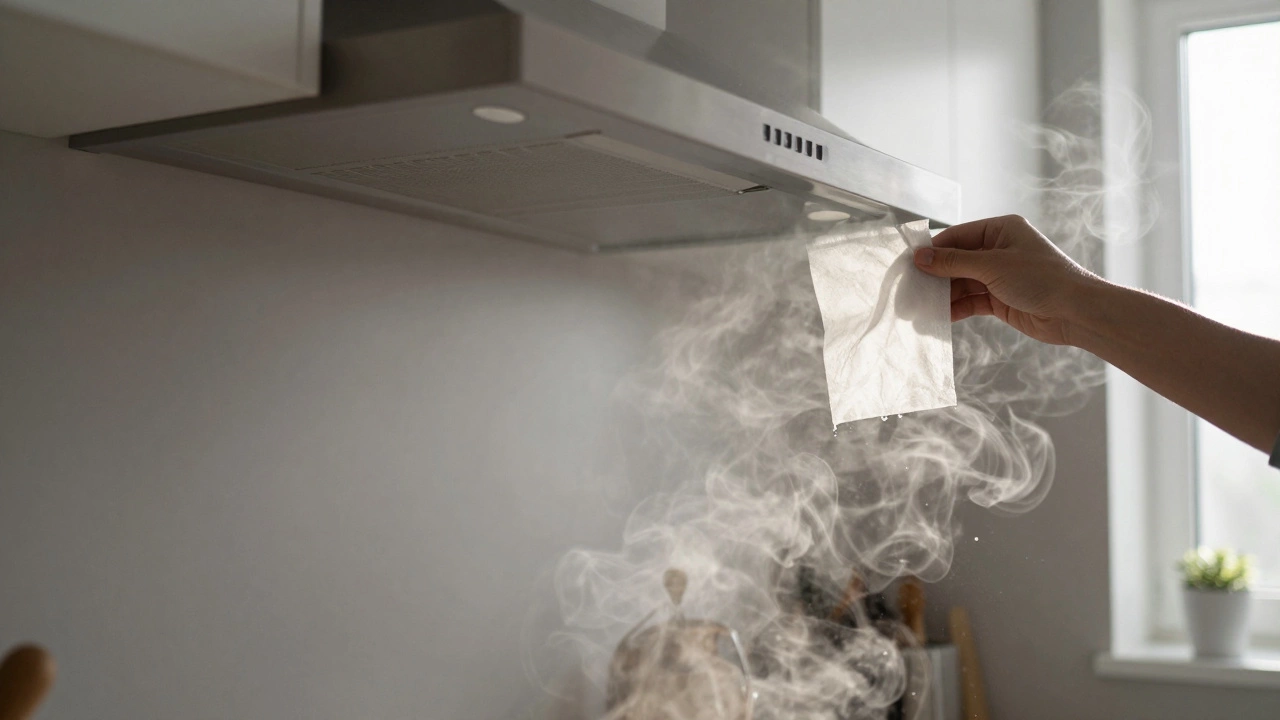
- The Tissue Test: Hold a single ply of toilet paper or a tissue against the vent. If it doesn't stick, your airflow is dead.
- The Smell Check: A sharp, ozone or electrical burning smell means the motor windings are overheating.
- The Vibration Check: If the cabinet or wall is shaking, the fan blade is likely unbalanced or loose.
The Heart of the Problem: The Electric Motor
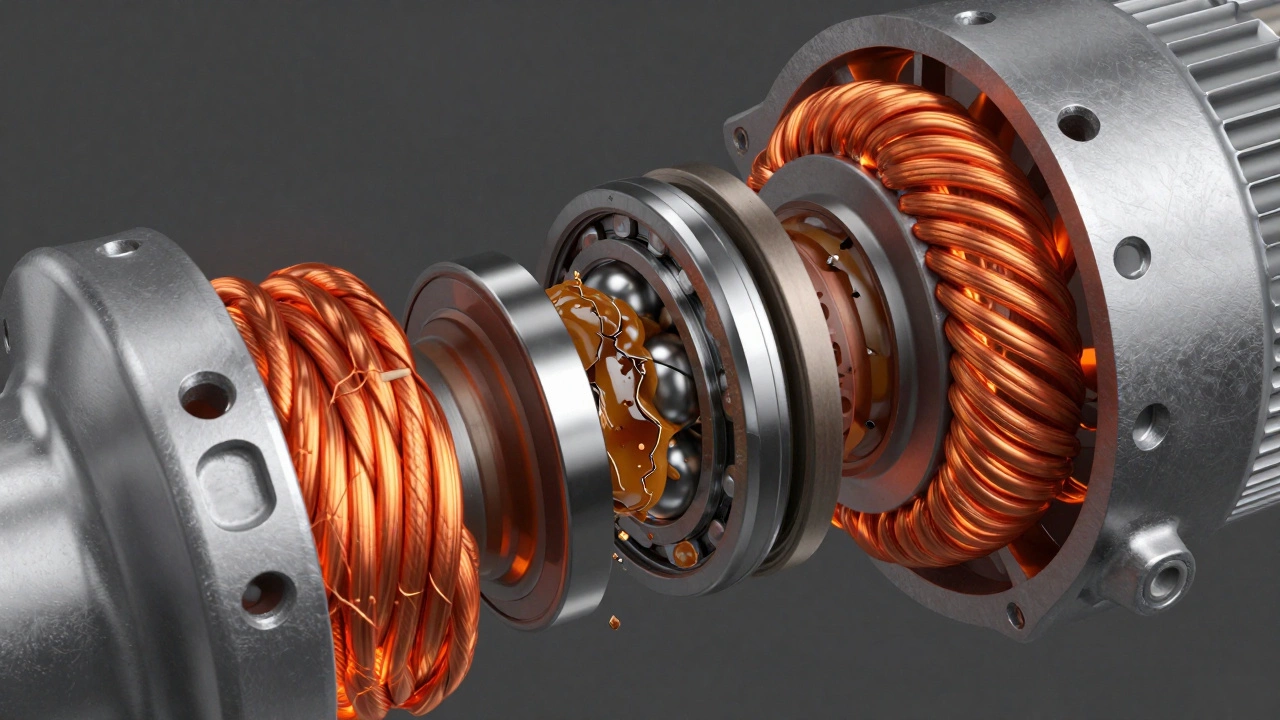
At the center of every unit is an Electric Motor is the component that converts electrical energy into mechanical energy to spin the fan blades. Most residential fans use AC Motors, which are generally reliable but not immortal. Over years of use, the internal copper windings can degrade. This happens because of heat buildup and the natural breakdown of the insulation around the wires.
When the motor starts to wear out, you'll notice it takes longer to reach full speed. You might hear it "struggling" to start up. In some cases, the motor doesn't fail all at once; instead, it loses efficiency. You're still paying for the electricity to run it, but you're only getting 50% of the suction you had when it was new. If the motor is an Induction Motor, it might eventually seize entirely, leaving you with a dead unit that just hums without spinning.
Bearings and Friction: The Silent Killers
If the motor is the heart, the Ball Bearings are the joints. These small steel balls allow the shaft to spin with minimal friction. However, these bearings are lubricated with grease that dries out over time. In a kitchen environment, this process is accelerated. Tiny particles of airborne grease from cooking settle into the bearings, acting like sandpaper.
Once the lubrication fails, the metal-on-metal contact creates heat and noise. This is why a fan that was silent three years ago suddenly starts squealing. Once the bearings wear down, the shaft can wobble. This wobble puts uneven pressure on the motor, which leads to a total mechanical failure. You can't really "oil" a modern sealed bearing; once it's gone, the motor usually needs replacing.
The Role of Grease and Dust Accumulation
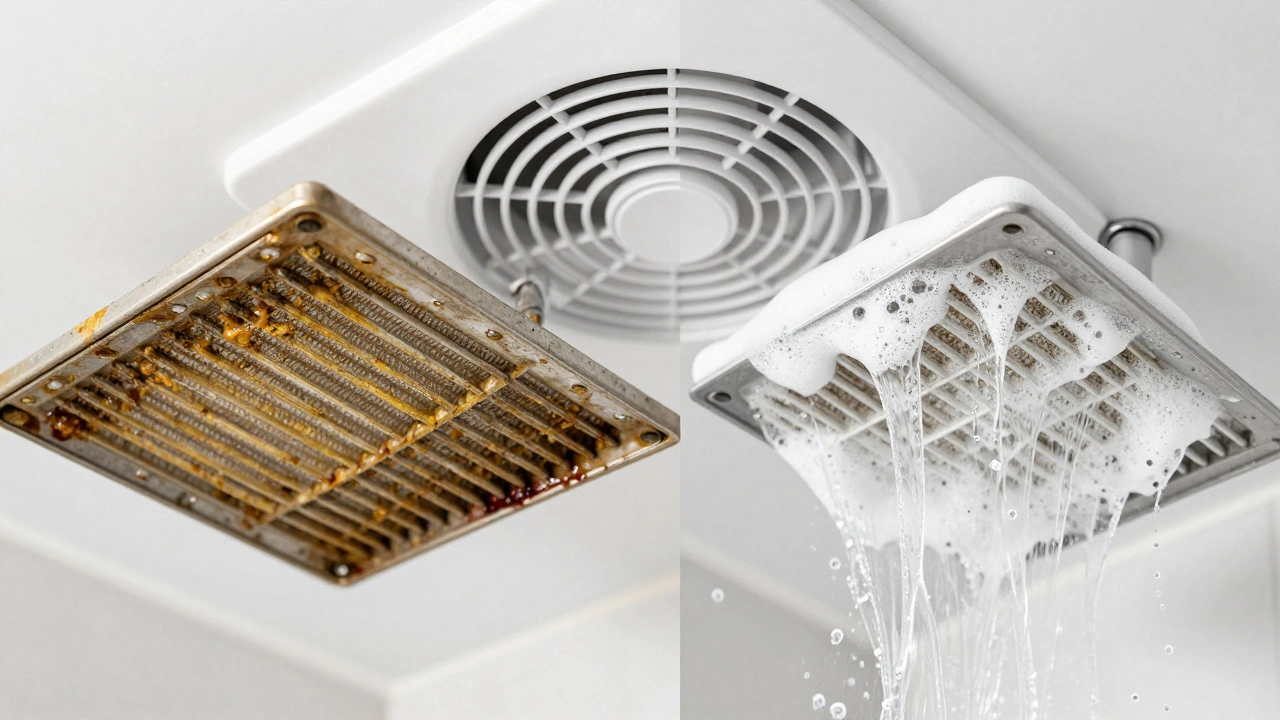
It's not always the motor that "wears out" in a mechanical sense, but the system as a whole becomes exhausted. In a range hood, the Baffle Filter or mesh filter is designed to catch grease. When these get saturated, they create massive back-pressure. The motor has to work twice as hard to push air through a clogged filter.
This extra effort causes the motor to run hotter than it was designed for. Constant overheating is the fastest way to kill a fan. If you never clean your filters, you are effectively suffocating your motor. I've seen fans that should have lasted ten years die in three simply because the grease buildup was so thick it slowed the blades down to a crawl, causing the motor to burn out from the effort.
Capacitors and Electrical Fatigue
Inside the wiring of your fan, there is a small component called a Start Capacitor. Its job is to give the motor a high-voltage kick to get it spinning from a dead stop. Capacitors are like batteries that wear out. They lose their ability to hold a charge over time.
When a capacitor fails, the fan might not start at all, or it might need a manual "flick" to get going. This is often mistaken for a dead motor, but it's actually just a failed electrical component. Replacing a capacitor is a cheap fix, but for most modern, cheap plastic fans, the motor and capacitor are integrated, meaning you have to toss the whole unit.
| Component | Symptom | Primary Cause of Wear | Typical Lifespan |
|---|---|---|---|
| Motor Windings | Burning smell, no spin | Heat fatigue and insulation breakdown | 7-12 Years |
| Ball Bearings | Squeaking, grinding noise | Lubricant drying / Grease ingress | 5-8 Years |
| Start Capacitor | Humming but not spinning | Chemical degradation of electrolyte | 5-10 Years |
| Fan Blades | Vibration, rattling | Grease imbalance or plastic warping | 10+ Years |
When to Repair vs. When to Replace
Deciding whether to fix a fan or buy a new one usually comes down to the type of unit you have. If you have a high-end Commercial Range Hood, repairing the motor is almost always worth it because the housing and ducting are expensive to move.
However, for a standard bathroom Ventilation Fan, the cost of labor for a technician to replace a motor often exceeds the cost of a brand-new unit. Modern budget fans are rarely designed to be serviced; they are held together with plastic clips and permanent glues. In these cases, replacing the entire motor block is the only realistic path.
A good rule of thumb: if the unit is more than 10 years old, replace it. Newer fans are significantly more energy-efficient and often quieter. Moving from an old AC motor to a Brushless DC Motor can reduce noise levels and lower your power bill.
How to Extend Your Fan's Life
You can stop your fan from wearing out prematurely with a few simple habits. First, clean your filters every month. If you fry food often, do it every two weeks. Use warm soapy water or a dishwasher. When the air flows freely, the motor stays cool.
Second, don't leave the fan running 24/7 unless it's specifically designed for continuous use. Constant operation wears down the bearings faster. Use a timer switch or a humidity sensor so the fan only runs when it's actually needed. This reduces the total "runtime hours" on the motor, effectively stretching its life by several years.
Can you lubricate an extractor fan motor?
In most modern residential fans, the bearings are sealed. This means there is no way to add oil or grease without dismantling the entire motor, which usually destroys the housing. If your fan is squeaking, the bearings are likely worn past the point of repair, and replacing the motor is the safest and most permanent fix.
Why does my fan make a loud rattling noise?
Rattling is usually caused by one of three things: a loose mounting screw, a buildup of heavy grease on the blades that has caused an imbalance, or a failing bearing that is allowing the shaft to wobble. Try cleaning the blades first; if the noise persists, it's a mechanical failure of the motor assembly.
Is it dangerous to run a wearing-out fan?
Generally, it's not an immediate hazard, but it is a risk. A motor that is overheating due to friction or clogged filters can eventually melt the surrounding plastic or, in rare cases, cause an electrical short. If you smell burning plastic or see sparks, turn it off immediately at the breaker.
How often should I replace my extractor fan?
There is no set expiration date, but most residential fans last between 7 and 12 years. If you notice a significant drop in suction (even after cleaning filters) or if the noise becomes intrusive, it's time to shop for a replacement.
Does a new fan always mean new ducting?
Not necessarily. If you replace the fan with a model that has the same diameter and output (CFM), you can usually reuse the existing ducting. However, this is a great time to check if your ducts are clogged with lint or grease, as a new fan pushing into a clogged pipe will wear out just as fast as the old one did.
Next Steps and Troubleshooting
If you're currently staring at a failing fan, start with the easiest fix: clean the filters. If the fan starts moving air better, you've saved yourself a replacement cost. If it still sounds like a tractor, check if the blades spin freely by hand (with the power off!). If they feel stiff or "crunchy," the bearings are dead.
For those who aren't comfortable with electrical work, call a professional to handle the swap. Messing with 240V wiring in a damp environment like a bathroom or a greasy kitchen is a recipe for disaster. A pro can ensure the new unit is properly vented to the outside, preventing moisture from rotting your ceiling joists.