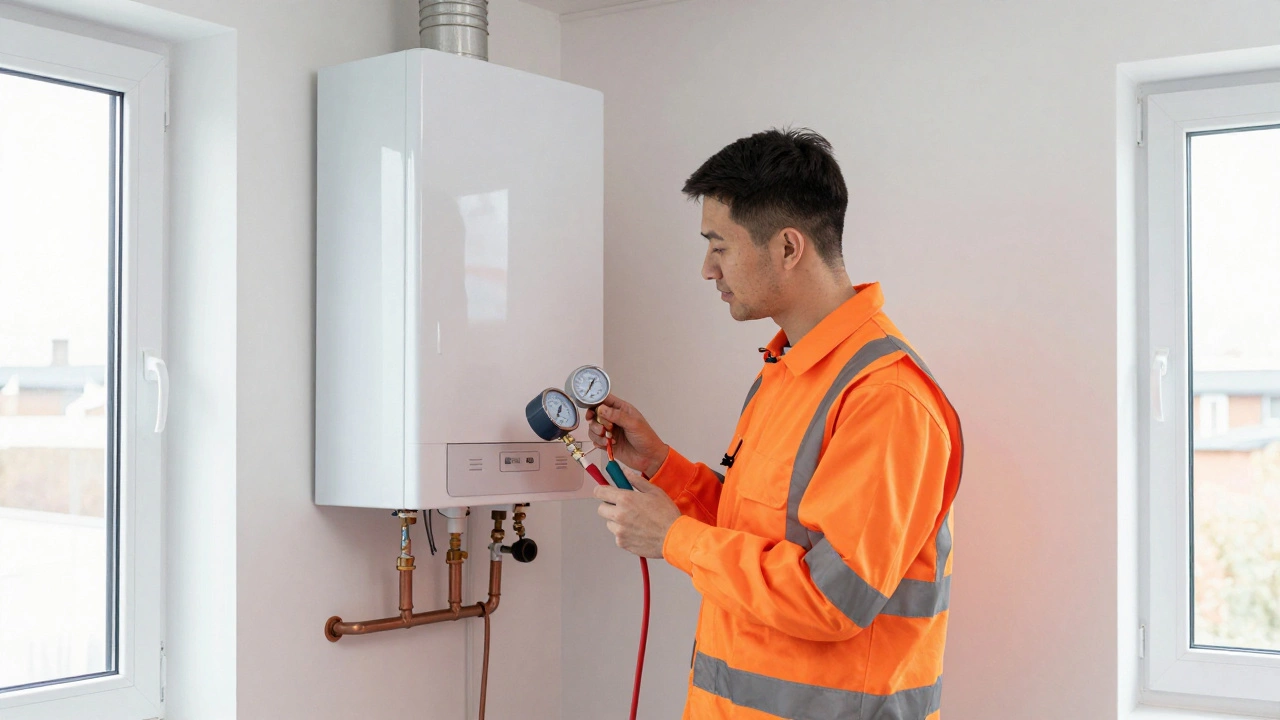
Boiler Installation Decision Guide
Answer 3 questions about your situation to get personalized guidance on who to hire and what steps to take next.
There is a common misconception that because a boiler involves pipes and water, any plumber can handle it. You might have a leaky tap fixed by your local handyman, so why not the big metal box in your utility room? The short answer is no. In most cases, a standard plumber cannot legally or safely install a boiler. This distinction isn't just about professional pride; it is a matter of safety law, insurance validity, and preventing catastrophic failures in your home.
If you are looking to replace an old unit or troubleshoot a strange noise coming from your heating system, understanding who holds the license to kill (or save) your boiler is crucial. Mixing up these roles can lead to voided warranties, invalid home insurance, and potentially deadly gas leaks. Let’s break down exactly who does what, why the separation exists, and how to hire the right person for the job without getting scammed.
The Critical Difference Between Plumbing and Gas Work
To understand why plumbers don’t typically install boilers, we first need to separate two distinct trades: plumbing and gas fitting. While they overlap significantly, their core competencies differ in ways that matter for your safety.
Plumbers specialize in the installation and maintenance of water supply systems, drainage, and sanitation fixtures. They deal with cold water, hot water distribution (via electric heaters or tanks), sewage lines, and bathroom fittings. Their expertise lies in pressure management within water pipes, preventing leaks, and ensuring clean water flows correctly through your home.
Gas Engineers, on the other hand, focus on the safe handling, installation, and repair of appliances that burn fuel to generate heat. A boiler is essentially a controlled explosion inside a sealed chamber. It burns natural gas or oil to heat water. This process requires precise calibration of air-to-fuel ratios, ventilation checks, and flue integrity testing. If this balance is off, you risk carbon monoxide poisoning-a silent killer that has caused numerous fatalities in homes where unqualified individuals attempted DIY repairs or installations.
In New Zealand, as well as in the UK and many other jurisdictions, the legal framework strictly separates these duties. A plumber may connect the water pipes to the boiler, but they cannot touch the gas line, the combustion chamber, or the control systems unless they also hold specific gas certification.
Who Actually Installs Boilers?
If a plumber isn’t doing it, who is? The professional responsible for installing, repairing, and maintaining boilers is known by different titles depending on your location, but the requirements remain similar.
- In the United Kingdom: You must hire a Gas Safe Registered Engineer. This is the official body that replaced CORGI in 2009. Only engineers listed on the Gas Safe Register are legally permitted to work on gas appliances. Working on a boiler without this registration is a criminal offense under the Gas Safety (Installation and Use) Regulations 1998.
- In New Zealand: You need a licensed Plumber and Drainlayer who specifically holds a Gas Fitting License. Under the Building Act 2004 and the Health and Safety at Work Act, only qualified persons can perform gasfitting work. This includes installing, altering, or repairing any gas appliance or pipe.
- In Australia: Look for a Licensed Gasfitter. Requirements vary by state, but all require specific accreditation to handle combustible gas installations.
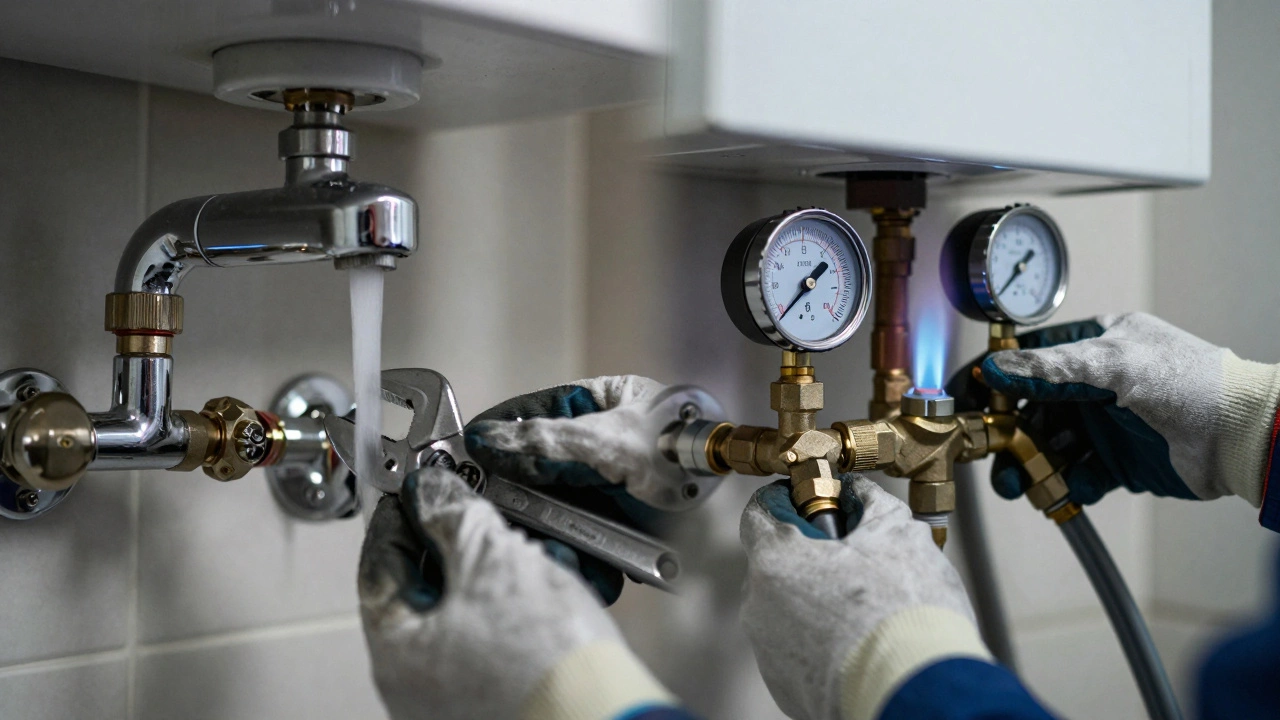
These professionals undergo rigorous training that goes beyond basic plumbing. They study thermodynamics, combustion analysis, electrical controls, and emergency response protocols. When they install a boiler, they don’t just bolt it to the wall. They test the flue gas emissions, check for gas leaks using manometers, ensure proper ventilation in the room, and verify that the pressure settings are optimal for your specific radiator setup.
Why Can’t a Plumber Just Do It?
You might wonder if a highly experienced plumber who has been working for 30 years could simply learn the gas side. Technically, yes, they can cross-train. But here is why you should never assume a general plumber is qualified to install a boiler:
- Legal Liability: If an unregistered person installs your boiler and it fails, causing damage or injury, your home insurance will likely refuse to pay out. Insurance companies explicitly exclude coverage for work performed by unlicensed contractors.
- Warranty Voidance: Major boiler manufacturers like Worcester Bosch, Vaillant, or Navien require installation by certified engineers. If a regular plumber installs it, the warranty becomes worthless. You are then on the hook for thousands of dollars in repair costs.
- Safety Risks: Gas boilers operate under high pressure and temperature. Improper installation can lead to incomplete combustion, releasing carbon monoxide. Unlike smoke, CO is odorless and colorless. A certified engineer uses specialized tools to detect trace amounts of CO that human senses cannot pick up.
- System Efficiency: A poorly installed boiler wastes fuel. Certified engineers optimize the system for maximum efficiency, which lowers your energy bills over time. An amateur installation might run fine initially but degrade quickly, costing you more in the long run.
When Do Plumbers Get Involved?
This doesn’t mean plumbers have no role in your heating system. In fact, a full boiler replacement often involves both trades working together. Here is how the collaboration typically looks:
1. Water Side Preparation: Before the new boiler arrives, a plumber might drain the existing system, flush the radiators to remove sludge and debris, and install new pipework for the water connections. They ensure the water quality is suitable for the new unit, preventing limescale buildup.
2. Radiator Installation: If you are upgrading your heating system along with the boiler, a plumber will install new radiators, valves, and thermostatic heads. These components manage the distribution of hot water throughout your home.
3. Post-Installation Maintenance: Once the gas engineer has installed and commissioned the boiler, a plumber can assist with ongoing maintenance of the wet side of the system-checking for leaks, bleeding radiators, and ensuring pumps are functioning correctly.
Think of it like building a house. The plumber lays the foundation and builds the walls (water infrastructure), while the gas engineer installs the electrical wiring and appliances (heat generation). Both are essential, but neither should do the other’s job without proper qualification.
| Task | Plumber | Gas Engineer / Gasfitter |
|---|---|---|
| Installing new radiators | ✓ Yes | ✗ No (usually) |
| Connecting water pipes to boiler | ✓ Yes | ✓ Sometimes (if dual-certified) |
| Connecting gas supply line | ✗ No | ✓ Yes (Mandatory) |
| Testing for gas leaks | ✗ No | ✓ Yes (Mandatory) |
| Calibrating burner pressure | ✗ No | ✓ Yes (Mandatory) |
| Fixing a leaking tap | ✓ Yes | ✗ No (unless dual-certified) |
| Annual boiler service | ✗ No | ✓ Yes (Mandatory) |
How to Verify Credentials Before Hiring
Don’t take a contractor’s word for it. Verification is simple and free. Here is how to check credentials based on your region:
New Zealand: Visit the Plumbers and Gasinspectors Association website or use the "Find a Pro" tool on the MBIE (Ministry of Business, Innovation and Employment) site. Ensure they have a current license number and specifically mention gasfitting.
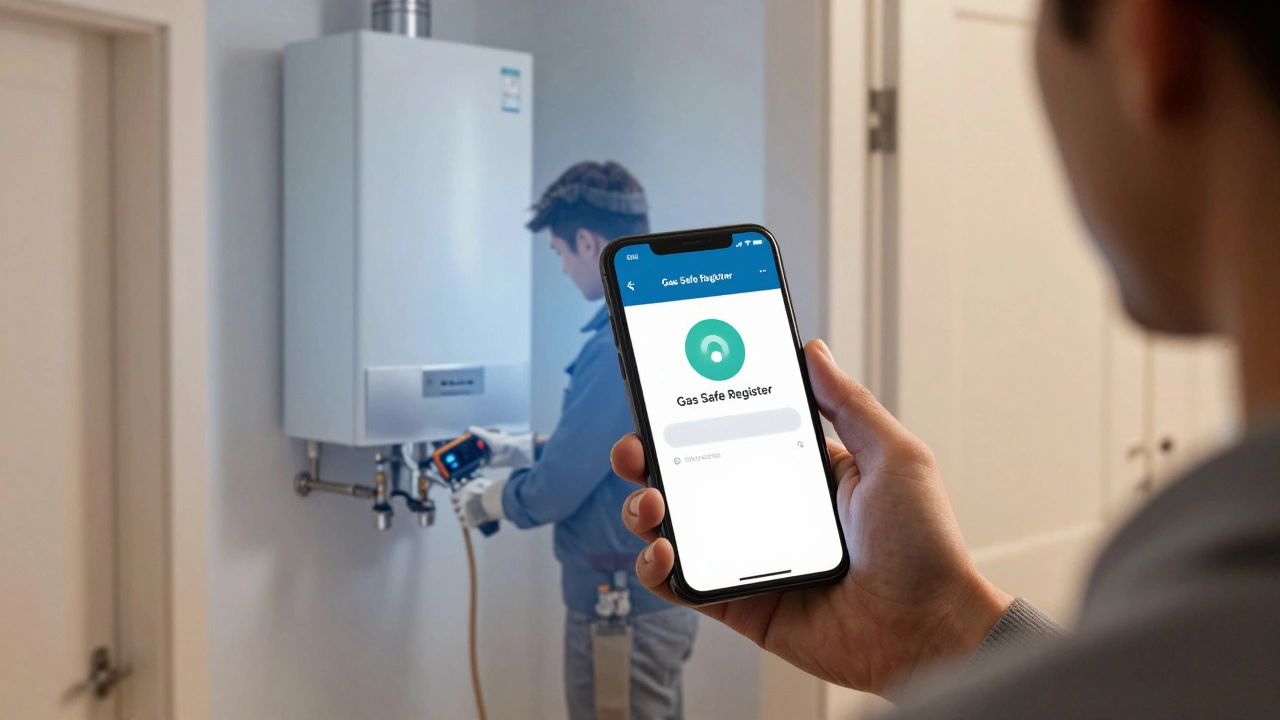
United Kingdom: Go to the Gas Safe Register website. Enter the engineer’s name or company details. You can also check their photo ID card, which must display their unique registration number and expiry date.
Australia: Check your state’s licensing authority website (e.g., Fair Trading NSW, VBA Victoria). Ask to see their license card and verify the number online.
If a contractor hesitates to show proof of certification, walk away. Legitimate professionals are proud of their qualifications and will provide them willingly.
Signs You Need a Professional Immediately
Ignoring boiler issues can turn a minor repair into a major hazard. Watch for these red flags:
- Yellow Flame: A healthy gas flame should be blue. A yellow or orange flame indicates incomplete combustion and potential carbon monoxide production.
- Smell of Gas: Even a faint smell of rotten eggs (added scent to natural gas) means a leak. Turn off the gas supply, open windows, and call emergency services immediately.
- Noise Changes: Kettling (a rumbling sound) suggests limescale buildup. Whistling or banging noises may indicate pump failure or air locks.
- Dropping Pressure: If your boiler pressure gauge drops below 1 bar frequently, you have a leak somewhere in the system.
- Error Codes: Modern boilers display fault codes. While you can look these up online, diagnosing the root cause requires professional tools.
Cost Considerations: Is It Worth Paying More?
Hiring a certified gas engineer often costs more than a general handyman or uncertified plumber. However, consider the total cost of ownership. A cheap installation might save you $500 upfront but cost you $5,000 in damages if a leak occurs. Plus, efficient installations reduce annual energy bills by 10-20%. Over a 15-year lifespan, that adds up to significant savings.
Always get three quotes. Ask each provider to explain their process, including whether they will power-flush the system, install magnetic filters, and provide a warranty. The cheapest option rarely offers the best protection.
Can a plumber fix a broken boiler?
Only if the issue is related to the water side, such as a leaking pipe or a faulty pump. For any problem involving gas supply, ignition, combustion, or internal electronics, you must hire a certified gas engineer. Attempting to fix gas-related issues without certification is illegal and dangerous.
How often should I service my boiler?
You should service your boiler annually. Regular servicing ensures safety, maintains efficiency, and keeps the manufacturer’s warranty valid. During a service, the engineer will clean components, check for leaks, test gas pressure, and inspect the flue.
What happens if I hire an unqualified person to install my boiler?
You face severe risks: voided insurance claims, invalidated manufacturer warranties, potential legal penalties, and increased danger of fire or carbon monoxide poisoning. In many countries, it is also a criminal offense to allow unregistered work on gas appliances.
Does a plumber need special training to work on boilers?
Yes. To work on the gas aspects of a boiler, a plumber must complete additional accredited courses in gas fitting, combustion analysis, and safety regulations. They must pass exams and register with the relevant government body (e.g., Gas Safe in the UK, MBIE in NZ).
Can I install a boiler myself?
No. DIY boiler installation is illegal in most developed countries due to the high risk of gas leaks and carbon monoxide exposure. Even if you are skilled, you lack the legal authority and specialized testing equipment required to certify the installation as safe.