Extractor Fan Repair vs. Replace Calculator
Quick Decision Helper: Enter your fan's details below to get a personalized recommendation on whether to repair or replace.
Recommendation
Estimated Cost Range
Based on typical NZ market pricesExpected Lifespan After Fix
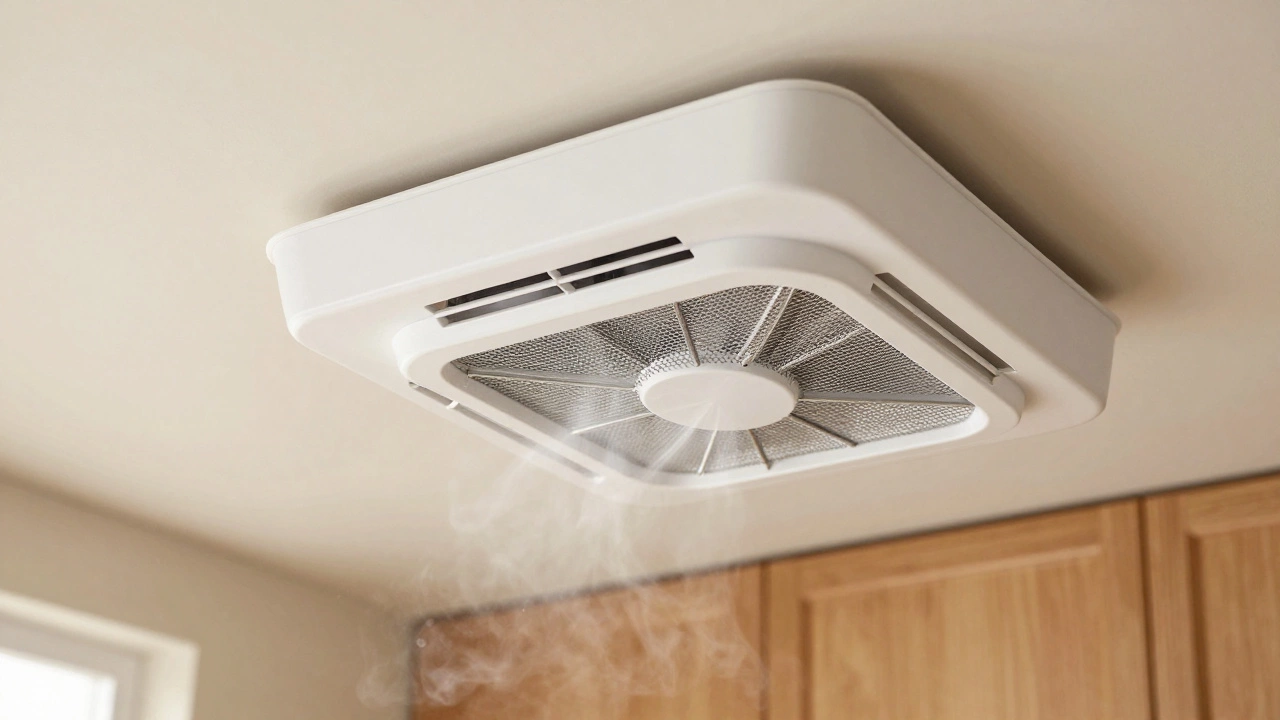
With proper ongoing maintenanceThat high-pitched whine coming from your kitchen ceiling isn’t just annoying; it’s a warning. You might be wondering if you need to rip out the whole unit or if a quick fix will do. The short answer is that most extractor fans are designed to last between 8 and 15 years, depending heavily on where they live and how hard they work. But "average" doesn't help much when yours is rattling at 2 AM.
I’ve spent years looking into these units here in Auckland, where our damp climate makes ventilation non-negotiable. A failing fan isn’t just a noise problem; it’s a mold risk. Understanding exactly what kills these motors early-and how to spot the trouble before it becomes a costly replacement-can save you hundreds of dollars and a lot of headaches.
The Real Lifespan: It Depends on the Job
Not all fans are created equal. If you buy a cheap plastic model for a small ensuite, it might struggle after five years. A heavy-duty stainless steel range hood over a gas cooktop? That’s built to take a beating, but even those have limits. Here is how different types stack up:
- Bathroom Ceiling Fans: Typically last 8-10 years. They run intermittently but deal with high humidity constantly.
- Kitchen Range Hoods (Ducted): Usually last 10-15 years. These handle grease and heat, which can degrade components faster if filters aren’t cleaned.
- In-Line Duct Fans: Can last 15+ years. Because they’re hidden in the roof space or wall cavity, they avoid direct exposure to cooking grease and splashes, though they suffer from dust buildup.
- Window-Mounted Extractors: Often fail sooner, around 5-8 years, due to exposure to weather elements and vibration.
The biggest factor isn’t the brand-it’s the environment. In New Zealand, we deal with high moisture levels. If your bathroom fan runs on a timer that’s too short, condensation stays inside the housing, corroding the motor bearings. Conversely, if it runs too long without cleaning, dust acts like sandpaper on the internal blades.
Why Your Fan Died Early (And How to Stop It)
If your fan only lasted four years, something went wrong. Most premature failures come down to three culprits: neglect, installation errors, or electrical issues.
Dust and Grease Buildup
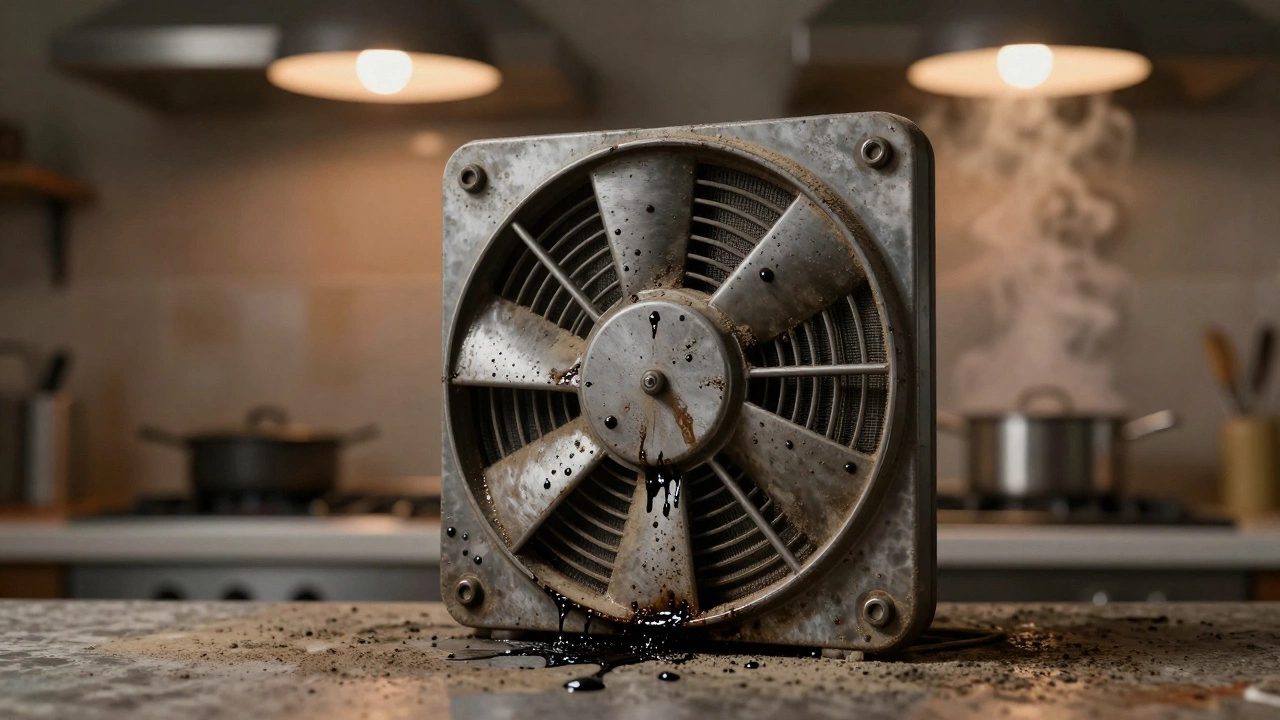
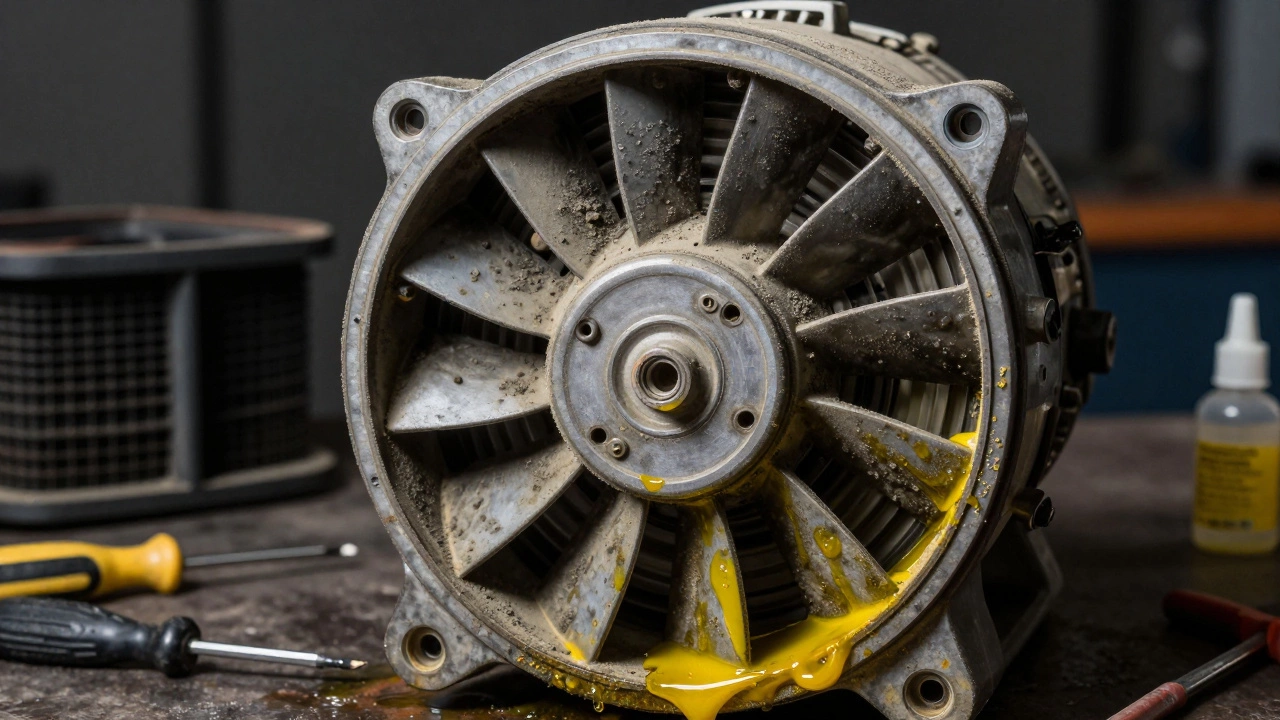
This is the number one killer. An extractor fan motor relies on air circulation to cool itself. When the impeller (the spinning part) gets clogged with kitchen grease or bathroom dust, it has to work harder to spin. This creates friction and heat. Over time, the lubricant in the bearings dries out, the metal seizes, and the motor burns out. I see this constantly in kitchens where people never wash the mesh filters.
Poor Installation
Have you ever noticed a fan that vibrates loudly right from day one? That’s usually an installation issue. If the ducting is kinked, too long, or uses flexible plastic hose instead of rigid metal pipe, the airflow is restricted. The motor struggles against this backpressure. Think of it like trying to blow up a balloon through a straw versus a wide tube. The strain adds up, shortening the motor’s life significantly.
Electrical Surges and Quality
Cheaper fans often use lower-grade capacitors. The capacitor helps the motor start and maintain speed. If it fails, the fan won’t start, or it will hum and stall. While power surges can fry electronics, most motor deaths are slow burns caused by overheating due to the mechanical issues mentioned above.
Signs Your Extractor Fan Is Failing
You don’t have to wait for total silence to know there’s a problem. Pay attention to these subtle signs. Catching them early means a simple repair rather than a full replacement.
- Unusual Noises: A gentle hum is normal. Grinding, screeching, or rattling sounds indicate bearing wear or a loose blade. If it sounds like a jet engine taking off, the motor is likely seizing.
- Reduced Airflow: Hold a piece of tissue paper near the vent. If it doesn’t stick firmly, your fan is losing suction. This could be a dirty filter, a blocked duct, or a worn-out motor.
- Intermittent Operation: Does the fan start, stop, then start again? Or does it only work if you wave your hand near it (if it has a sensor)? This points to electrical connection issues or a failing capacitor.
- Condensation Issues: If your bathroom mirror fogs up instantly after a shower and stays fogged, your fan isn’t moving enough air. This is a sign of inefficiency, not necessarily death, but it needs addressing.
- Burning Smell: If you smell burning plastic or insulation, turn it off immediately. This is a critical safety hazard indicating the motor is overheating and could catch fire.
Repair vs. Replace: Making the Right Call
When your fan starts acting up, the first instinct is often to buy a new one. But is that necessary? Let’s look at the economics and effort involved.
| Issue | Typical Cost (NZD) | Recommended Action |
|---|---|---|
| Dirty Filters/Dust | $0 - $20 | Clean thoroughly. Wash mesh filters in warm soapy water. |
| Noisy Bearings | $30 - $60 | Lubricate if ports exist. Otherwise, replace the motor assembly. |
| Faulty Capacitor | $40 - $80 | Replace the capacitor. This is a common and cheap fix. |
| Broken Impeller/Blade | $50 - $100 | Replace the fan cage/impeller. Check if parts are available for your model. |
| Total Motor Burnout | $150+ | Usually better to replace the entire unit unless it's a high-end commercial hood. |
| Blocked Ducting | $80 - $150 | Hire a pro to clear the duct. Prevents future motor strain. |
If your fan is less than 7 years old, repairing it is almost always worth it. Motors are durable components. If it’s older than 10 years, the rest of the housing might be brittle, and newer models are significantly quieter and more energy-efficient. Also, check if spare parts are still available. Manufacturers often discontinue support for older models, making repairs impossible.
Extending the Life of Your Current Fan
You can double the lifespan of your extractor fan with minimal effort. Here is my maintenance checklist for Auckland homes:
- Clean Filters Monthly: Kitchen grease filters should be washed every month. Bathroom mesh filters should be vacuumed or wiped down quarterly. Clogged filters force the motor to overwork.
- Run It Longer Than You Think: In bathrooms, run the fan for at least 20 minutes after a shower. Humidity lingers longer than steam. Use a timer switch if you forget.
- Check the External Vent: Once a year, go outside and check the exhaust grille. Ensure it’s not blocked by bird nests, leaves, or ice (in colder regions). A blocked exit chokes the fan.
- Lubricate Annually: Some industrial or older residential fans have oil ports on the motor. A few drops of lightweight machine oil can keep bearings smooth. Don’t do this on sealed modern motors.
- Inspect Ducting: If you have access to your roof space, peek at the ducting. Look for sagging sections or gaps where air leaks out. Seal any leaks with aluminum tape, not duct tape.
Choosing a Replacement That Lasts
If you’re buying a new unit, don’t just grab the cheapest option at the hardware store. Look for these features:
- Ball Bearings: Avoid sleeve bearings if possible. Ball bearings are smoother, quieter, and last longer, especially in horizontal installations like range hoods.
- IP Rating: For bathrooms, ensure the fan has an appropriate IP rating (Ingress Protection) to handle moisture. IPX4 is a good baseline for splash resistance.
- Sound Level: Measured in decibels (dB). Aim for under 30 dB for bedrooms/bathrooms and under 50 dB for kitchens. Quieter fans often use better-balanced motors.
- Warranty: A 3-year warranty is standard. Brands offering 5-10 years usually use higher-quality components.
Installing it correctly is half the battle. Use rigid metal ducting wherever possible. Keep the duct path as straight and short as possible. Every elbow or bend reduces efficiency and increases strain on the motor.
Can I repair an extractor fan myself?
Yes, for simple issues like cleaning filters, replacing a capacitor, or tightening loose screws. However, if the motor is burnt out or wiring is damaged, hire a qualified electrician. Working with mains electricity is dangerous, and incorrect repairs can void warranties or create fire hazards.
Why does my extractor fan make noise but no air comes out?
This usually means the motor is running but the impeller is broken or disconnected, or the ducting is completely blocked. Another possibility is that the fan is installed backwards or the external vent flap is stuck shut. Check the exterior vent first, then inspect the internal blades.
Is it worth fixing a 10-year-old extractor fan?
It depends on the cost. If the repair is under $100 (like a new capacitor), it’s worth trying. If the motor needs replacing and costs $150+, consider upgrading. Newer fans are quieter, more energy-efficient, and often come with better warranties. Also, check if spare parts are still available for your specific model.
How often should I clean my extractor fan filters?
Kitchen grease filters should be cleaned monthly to prevent fire risks and maintain airflow. Bathroom mesh filters should be cleaned every 3-6 months. Neglecting this is the fastest way to kill your fan’s motor due to overheating and strain.
What causes an extractor fan to burn out?
The most common cause is overheating due to restricted airflow. This happens when filters are clogged with grease/dust, ducting is blocked, or the motor bearings seize up. Electrical surges can also cause sudden failure, but gradual wear from poor maintenance is far more common.