Microwave Health & Repair Decision Tool
Use this tool to assess your microwave's condition based on symptoms, age, and safety risks. It provides a recommendation for repair or replacement.
Assessment Result
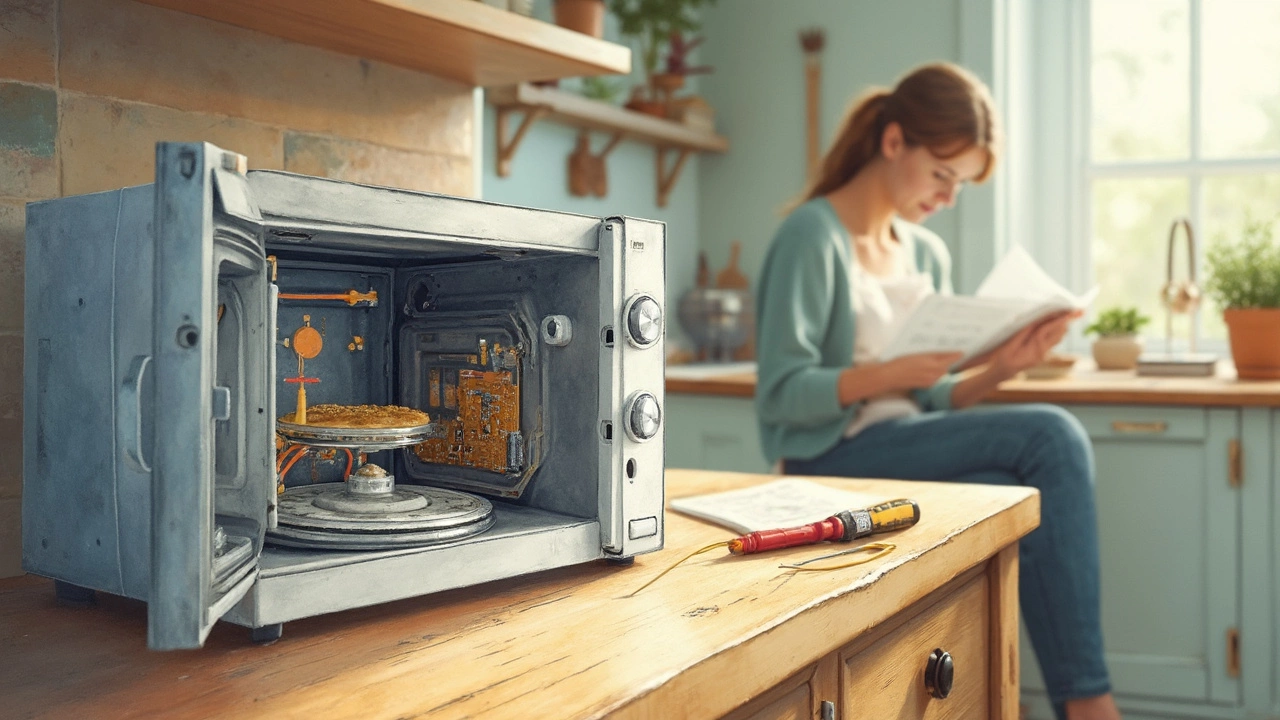
It starts with a hum. Maybe a spark. Or perhaps your coffee just isn’t getting hot anymore, no matter how long you leave it in there. We’ve all been there-staring at the kitchen appliance that used to be our best friend for quick meals, wondering if it’s time to toss it or if it can be saved. Ignoring these warning signs is risky. A failing microwave is a kitchen appliance that uses electromagnetic radiation to heat food by exciting water molecules. When its internal components degrade, it doesn't just stop working; it can become a fire hazard or an electrical shock risk.
In this guide, we’ll walk through the exact symptoms that indicate your unit is on its last legs, how to distinguish between a simple fix and a total loss, and when it’s safer to call a pro versus buying new. We’ll also look at the specific parts that fail most often, like the magnetron and the high-voltage capacitor, so you know exactly what’s happening behind that metal door.
The Heating Test: The Most Critical Check
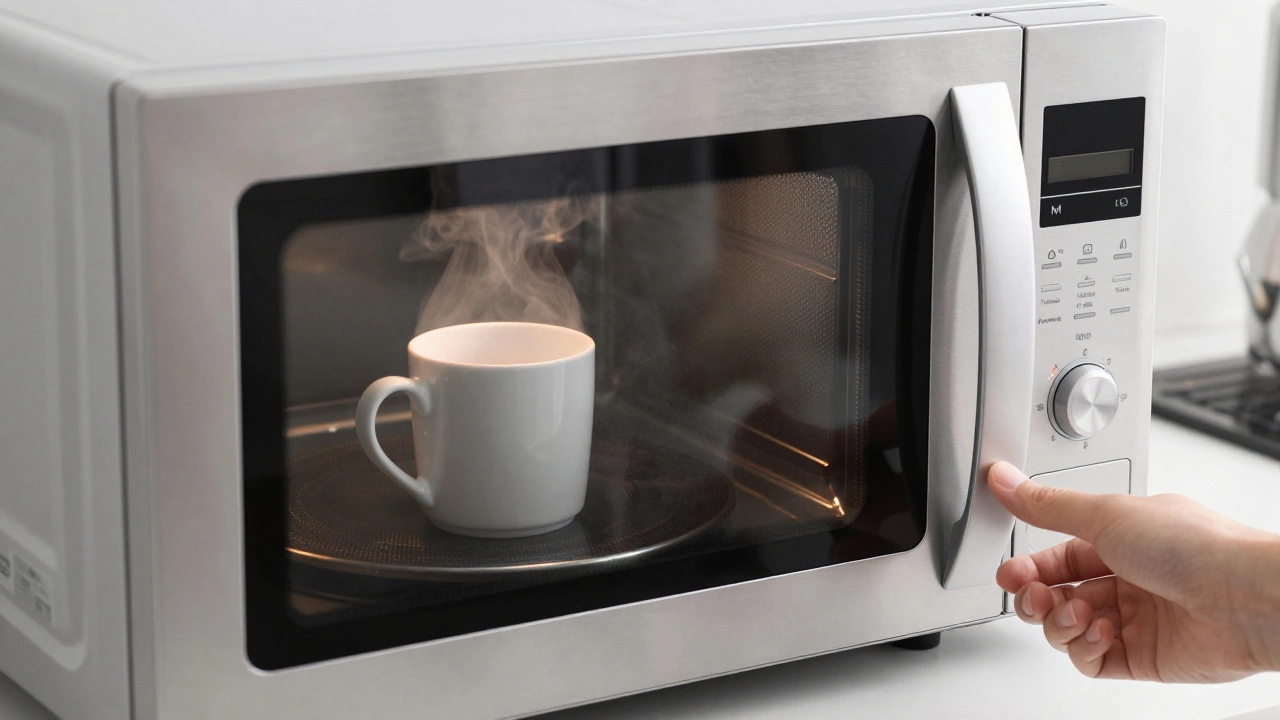
If your microwave runs but doesn’t heat, the problem is usually serious. This is the number one sign that the heart of the machine-the magnetron-is failing. To test this safely, fill a microwave-safe mug with water and run it on high for two minutes. Touch the cup (carefully). If the water is lukewarm or cold while the microwave itself feels warm or hot, the energy isn’t transferring to the food. Instead, it’s being absorbed by the unit’s internal components.
This inefficiency means the magnetron is struggling. It might still produce some microwaves, but not enough to cook. Running a microwave in this state puts extra strain on the power supply and can lead to overheating. While a blown fuse or a faulty door switch can sometimes cause this, a lack of heat combined with a running turntable and lights almost always points to a dying magnetron. Replacing a magnetron is often more expensive than buying a new entry-level model, making this a critical decision point for repair vs. replace.
Strange Noises: Sparks, Pops, and Humming
Microwaves are generally quiet appliances. You expect a low hum from the fan and motor. Anything louder is a red flag. Let’s break down what those sounds mean:
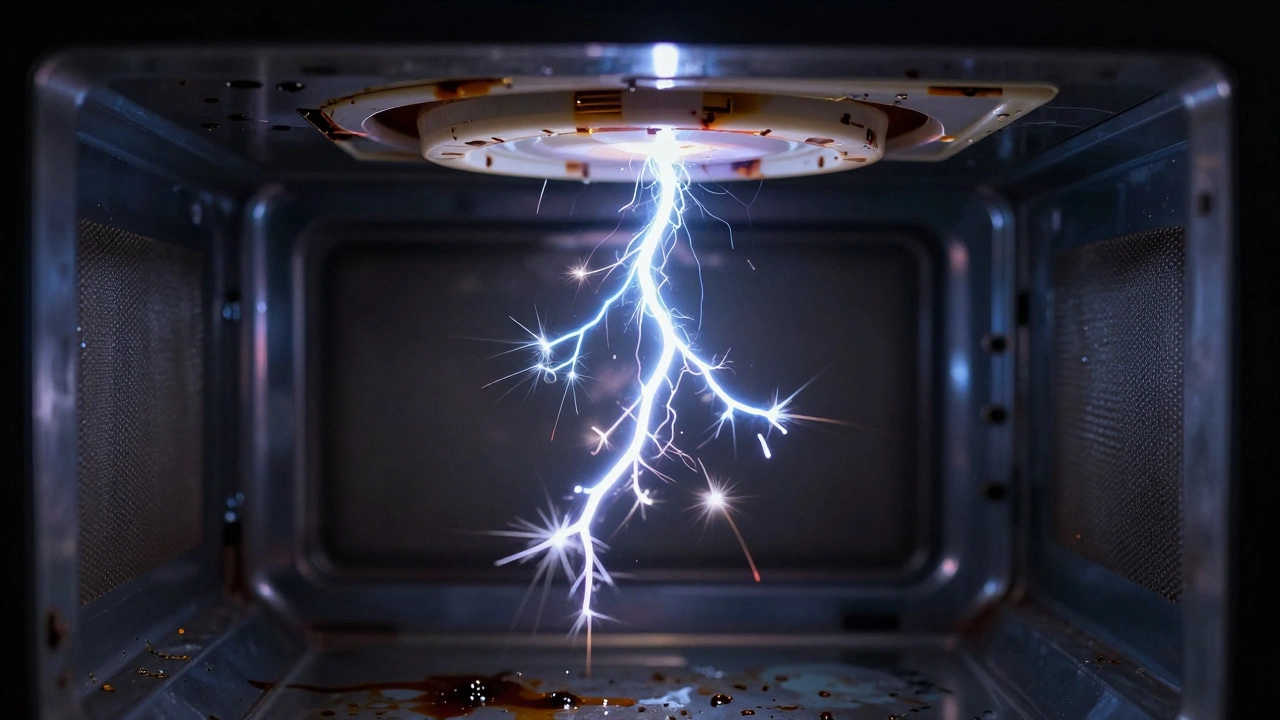
- Sparking or Arcing: If you see flashes of light inside the cavity, stop using it immediately. This is often caused by carbon buildup from grease, a damaged waveguide cover (the plastic vent inside), or a loose metal trim on the door. However, if the sparking comes from inside the chassis (behind the panel) or accompanies a burning smell, the magnetron may be arcing internally. This is a fire risk.
- Loud Humming or Buzzing: A slight hum is normal. A loud, vibrating buzz suggests the high-voltage capacitor is leaking or the diode is failing. These components store massive amounts of electricity. If they’re failing, they can create unstable current flows that damage other parts of the circuit.
- Popping or Crackling: This sound usually indicates food debris burning on the ceiling or walls. Clean the interior thoroughly. If the popping continues after cleaning, it could be insulation breaking down due to heat, which is a precursor to electrical shorts.
Ignoring these noises is dangerous. In Auckland, where humidity can affect electronics, moisture ingress can accelerate corrosion in the waveguide, leading to arcing. Always unplug the unit if you hear unusual buzzing or see sparks.
Door and Control Panel Issues
The door is your primary safety barrier. Microwaves have multiple interlock switches that ensure the unit only runs when the door is fully closed. If the door feels loose, sticks, or doesn’t latch securely, the seals may be worn out. Damaged seals allow microwave radiation to leak. While modern microwaves are built with strict safety standards, a compromised door integrity is a reason to stop use immediately.
Control panel glitches are another common symptom. Buttons sticking, the display flickering, or the clock resetting randomly often point to moisture damage or failing capacitors in the control board. If you live near the coast, salt air can corrode the contacts over time. Sometimes, a simple clean with a damp cloth fixes sticky buttons. But if the display is erratic or the microwave starts cycles on its own, the main control board is likely failing. Repairing a PCB (Printed Circuit Board) requires specialized skills and parts that are hard to find for older models.
Burning Smells and Overheating
A faint smell of burnt plastic or ozone is never good. If you smell this coming from the exterior vents or the back of the unit, something inside is overheating. This could be the transformer, the magnetron, or wiring insulation melting. Unlike food smells, which come from inside the cavity, these odors come from the electronics compartment.
Check if the exterior casing feels unusually hot to the touch during operation. A small amount of warmth is normal, but if it’s too hot to keep your hand on for more than a few seconds, the cooling fan might be blocked or broken. Without proper airflow, internal components overheat and degrade rapidly. Clear any dust bunnies from the vents, but if the smell persists, disconnect the power. This is a sign of impending electrical failure.
When to Call a Pro vs. Buy New
Deciding whether to repair or replace depends on age, cost, and safety. Here’s a quick heuristic:
| Symptom | Age of Unit | Action |
|---|---|---|
| Not heating, but runs | < 3 years | Call a technician for magnetron/diode check |
| Not heating, but runs | > 7 years | Replace. Magnetron cost outweighs value |
| Sparks inside cavity | Any age | Clean first. If persists, replace waveguide or unit |
| Burning smell from vents | Any age | Stop use. Call pro or replace immediately |
| Sticky buttons/display issues | < 5 years | Clean or replace control panel if under warranty |
In New Zealand, labor costs for appliance repair can range from $100 to $200 plus parts. If your microwave is older than seven years, the likelihood of multiple failures increases. It’s often more economical to buy a new, energy-efficient model. Modern microwaves also come with better sensor cooking features and easier-to-clean interiors.
Safety First: What Not to Do
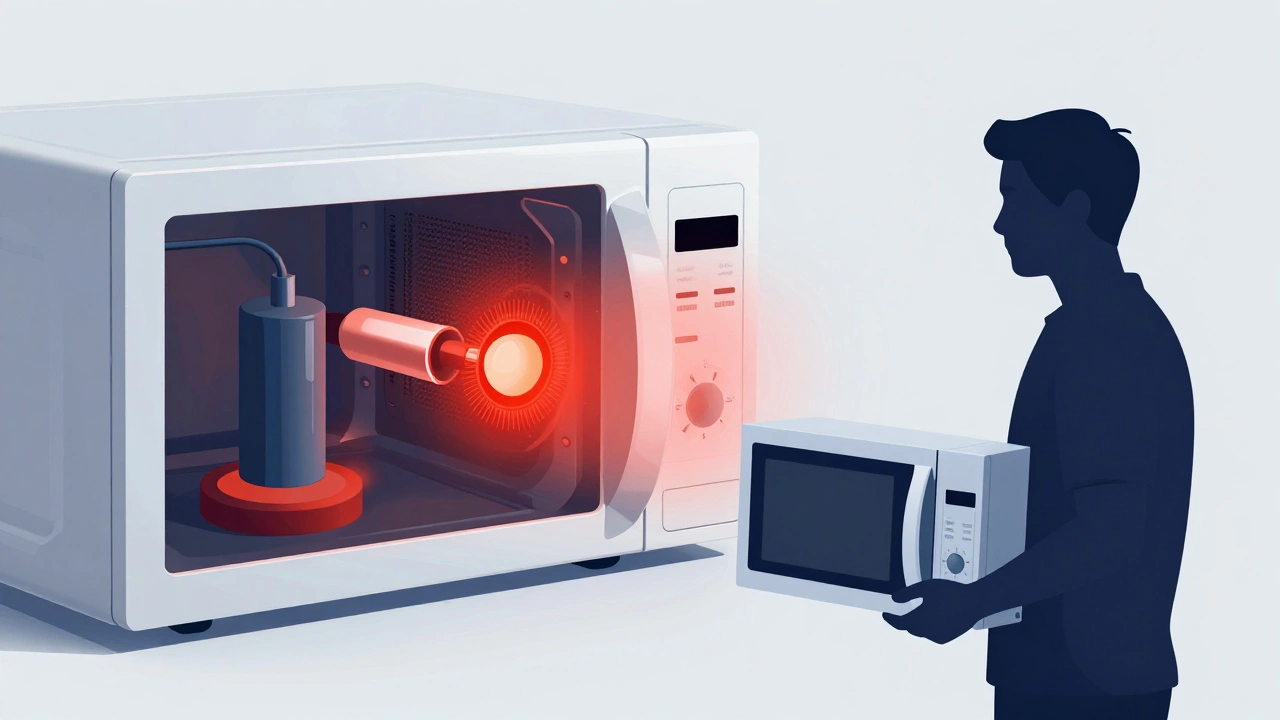
Never attempt to open the back panel of a microwave yourself unless you are a qualified electrician. Inside, you’ll find a high-voltage capacitor that can hold a lethal charge even when unplugged. One wrong move can result in severe injury or death. Leave the internal repairs to professionals who have the tools to discharge capacitors safely.
Also, avoid using metal utensils or containers with metallic trim. Even if your microwave seems fine, metal reflects microwaves, causing arcing that can damage the magnetron over time. Stick to glass, ceramic, and microwave-safe plastics. Regular maintenance, like wiping down the interior after each use, prevents grease buildup that leads to arcing and fires.
Final Thoughts on Microwave Longevity
Your microwave is a workhorse, but it has limits. Pay attention to the subtle changes in performance. A slight drop in heating efficiency or a new noise pattern is your device asking for help. Addressing these issues early can extend its life, but knowing when to let go is crucial for safety. If you’re unsure, consult a certified appliance repair technician. They can diagnose the issue accurately and advise if the repair is worth the investment. Don’t gamble with your kitchen safety-when in doubt, replace it.
Can I fix a microwave that isn't heating?
If your microwave runs but doesn't heat, the magnetron, high-voltage diode, or capacitor is likely faulty. These components handle high voltage and are dangerous for DIY repair. For units under 3 years old, call a professional. For older units, replacement is usually more cost-effective.
Is it safe to use a microwave that sparks?
No. Sparking (arcing) can damage the magnetron and start a fire. Stop using it immediately. Check for metal objects or dirty waveguide covers. If cleaning doesn't solve it, the unit needs professional inspection or replacement.
How long does a microwave typically last?
Most household microwaves last between 7 to 10 years with regular use. Heavy daily use or lack of cleaning can shorten this lifespan. If yours is approaching this age and showing minor issues, consider replacing it proactively.
Why does my microwave make a loud humming noise?
A loud hum can indicate a failing high-voltage capacitor or diode. It can also mean the turntable motor is struggling. If the noise is new and loud, have it checked by a technician to prevent further damage or electrical hazards.
Can I clean the inside of a microwave myself?
Yes. Use a mixture of water and vinegar or lemon juice in a bowl, microwave it for a few minutes to steam the interior, then wipe down with a soft cloth. Avoid abrasive cleaners that can scratch the surface and lead to future arcing.