Extractor Fan Life & Replacement Checker
How it works: Based on the average lifespan data for different hood types and current symptoms, this tool estimates whether you should clean, fix, or replace your unit.
Symptoms Check
Check any problems you've noticed.
Status Report
Est. Remaining Life
0 YearsHealth Score
0%Recommended Action:
If you are wondering Kitchen Extractor Fan lifespan, here is the short answer: a quality unit typically lasts between seven and ten years. However, that number changes depending on how hard you cook, how often you clean the grease filters, and whether you installed it correctly. Some cheaper models might give up after five years, while high-end heavy-duty systems used in restaurants run for much longer with strict maintenance.
In most New Zealand homes, humidity and salt air near the coast play a role too. You don't want your ventilation system failing when smoke fills the room during dinner. Knowing the signs helps you decide if you should fix it or buy a new one.
The Real Lifespan by Fan Type
Not all hoods are built the same way. A standard under-cabinet unit faces less stress than a powerful island hood over a range cooker. To understand where you stand, look at the construction materials and the motor type.
| Type | Avg Lifespan | Key Wear Point |
|---|---|---|
| Under-Cabinet | 7-10 Years | Motor Bearings |
| Chimney Hood | 10-15 Years | Light Bulbs/Sensors |
| Island Mount | 8-12 Years | Fan Blade Balance |
| Downdraft | 6-9 Years | Pump Mechanism |
You see that the downdraft style often wears out sooner because the mechanical moving parts require more energy to lift steam upwards against gravity. In contrast, a basic under-cabinet model just pulls air horizontally. If you live in a city apartment without external ducting, you likely have a recirculating system. These rely heavily on carbon filters which need replacing every six months, otherwise the motor overheats trying to push blocked air through charcoal.
What Kills Your Fan Early?
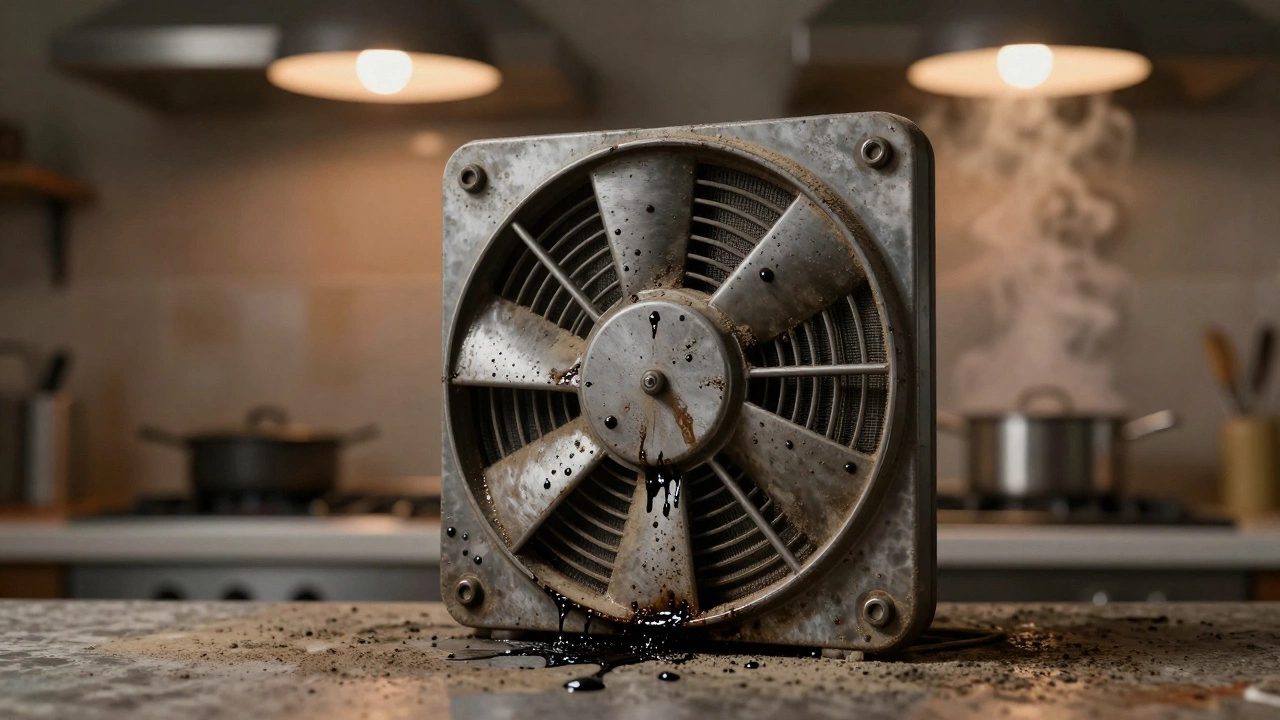
Most people blame age, but actual damage usually comes from neglect. When you fry fish or roast meat, grease sticks to the blades and the casing. Over time, that buildup becomes heavy. It unbalances the spinning Blower Assembly. This imbalance causes vibrations. Vibrations loosen screws, crack plastic casings, and wear out the motor shaft.
Electrical issues rank second. Old wiring in kitchens can degrade. Moisture combines with metal components and leads to oxidation. If your switch stops working or the light flickers, it could be a sign of internal corrosion before the fan even stops blowing. Finally, improper installation is a silent killer. If the ductwork has sharp bends or uses flexible plastic pipes that sag, the fan works harder than designed. That extra load burns out the motor years ahead of schedule.
Signs Your Extractor Fan Is Dying
You shouldn't wait until the smoke lingers to notice problems. Pay attention to these specific behaviors. If you ignore them, safety risks increase because some gases shouldn't stay inside the house.
- Excessive Noise: A healthy motor hums quietly. Grinding, rattling, or screeching means the bearings are shot.
- Poor Airflow: Hold a tissue near the vent on high speed. If it doesn't stick firmly, the suction is gone.
- Grease Leaks: Seeing brown sludge dripping from the hood indicates the filter isn't catching the gunk anymore.
- Switch Problems: If you need to wiggle the button to turn it on, the contacts inside are burned out.
When these signals appear, check the warranty. Most manufacturers offer parts coverage for two to three years, but full unit warranties rarely exceed that. Once the warranty period expires, repair costs versus replacement costs come into focus.
Maintenance That Extends Life
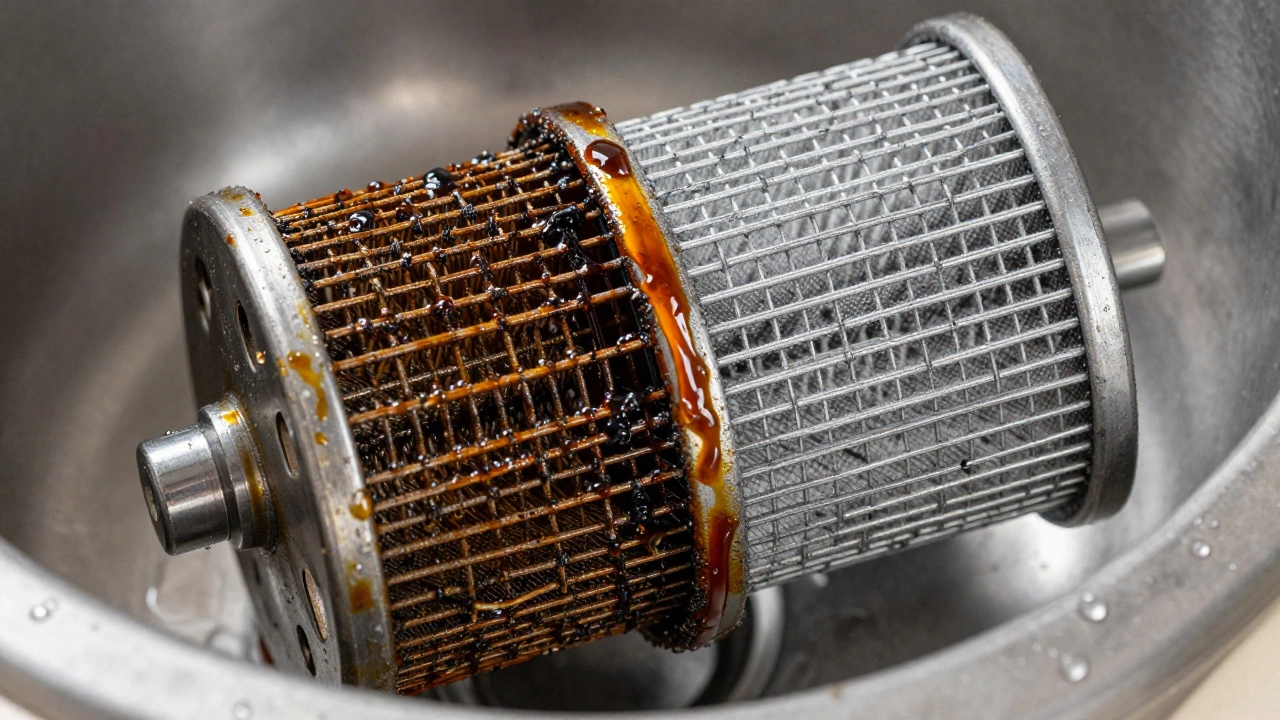
You can push that 10-year mark closer to 15 with simple habits. It does not take hours; just make cleaning routine. The Grease Filter should go into the dishwasher monthly. Do not let grease harden there. If you don't have a dishwasher-safe filter, wash it in hot soapy water immediately after cooking meals with heavy oil.
Clean the housing outside regularly. Wipe the surface down with warm water and mild detergent. Never use bleach or harsh solvents, which can eat away protective coatings on stainless steel or painted finishes. Inside the duct, check once a year if possible. If your home is older, you might find significant blockages that reduce efficiency by 40% or more.
Lubrication matters too, though many modern motors are sealed. For older units, a few drops of machine oil on the fan bearing shaft can stop squeaking and reduce friction. However, do not pour oil anywhere near electrical connections or the heating element.
Repair or Replace: Making the Call
There is a financial threshold you should know. If a technician quote for parts and labor hits 50% of the price of a brand-new unit, buy new. Older technology also loses efficiency. Modern fans move more air using less electricity. An old 80-decibel fan from 2010 makes noise pollution in your kitchen, distracting conversations and ruining relaxation.
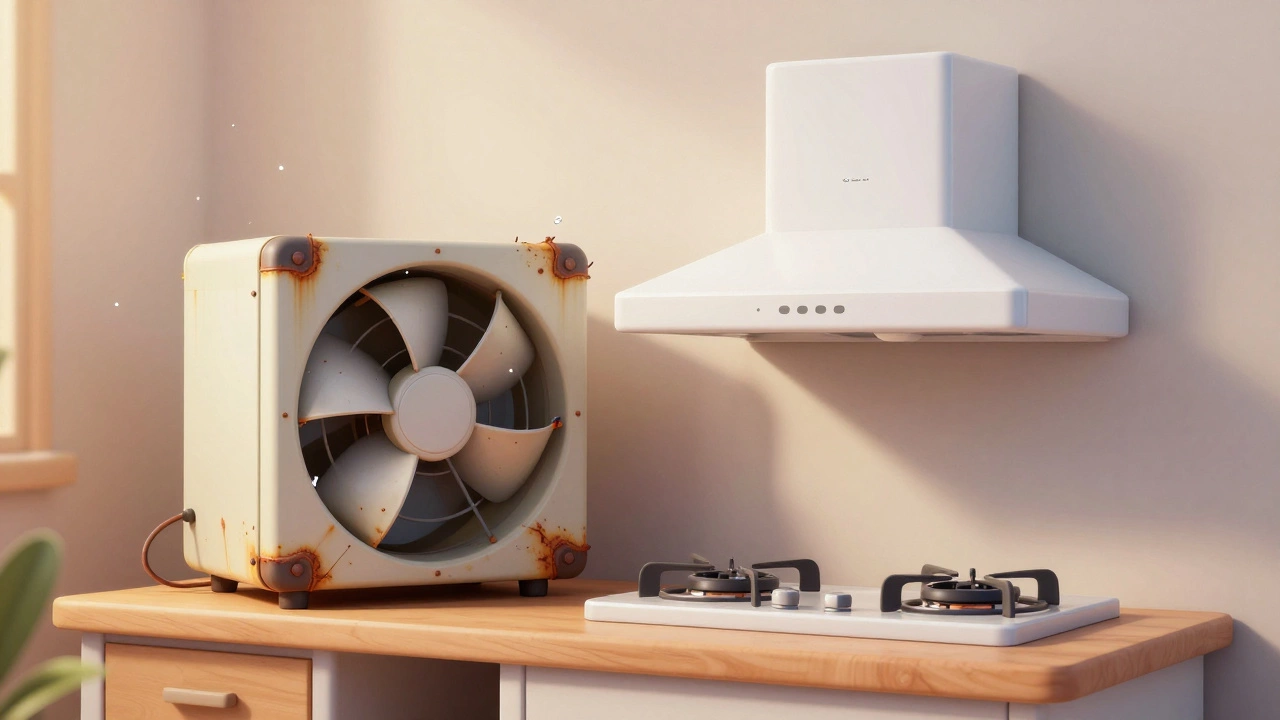
Consider the style too. Kitchen designs change. A clunky box mounted under a cabinet might look dated compared to sleek contemporary designs. But do not replace solely for looks. Function comes first. If the motor still spins strong and vents well, fixing a broken light switch or loose panel is worth saving money.
Check availability of spare parts. Some obscure brands disappear from the market. If you hunt for a capacitor or a fan belt online and cannot find one locally, plan for replacement. Waiting weeks for parts leaves you with poor ventilation, leading to moisture damage in your cupboards.
Installation Tips for Longevity
If you are buying a new unit now, installation dictates how long it survives. Professional installation ensures the ducting runs straight to the outside wall. Shorter duct runs mean less resistance. Do not add too many elbows or bends in the pipe. Every bend costs you airflow power.
Ensure the electrical connection matches. Voltage spikes can kill electronics instantly. Hard-wiring is preferred over plug-in sockets if the hood is large. Also, secure the hood firmly to the ceiling or wall mounts so it doesn't sway when turned on. Vibration creates cracks over decades of operation.
Frequently Asked Questions
Can I install a new extractor fan myself?
Yes, if it involves connecting to an existing electrical outlet. However, if you need to cut holes in walls for ducting or change electrical wiring, hire a licensed electrician and handyman for safety compliance.
How do I know if my motor is dead?
If the fan clicks but the blades won't spin, or smells like burning plastic, the motor is seized. Try gently turning the blades with a broom handle; if they don't move, the motor requires replacement.
Is it worth fixing a fan that makes noise?
Noise usually points to worn bearings. Replacing bearings takes specialized skills and often costs nearly the same as a new motor. We recommend swapping the whole unit.
How often should I replace charcoal filters?
Recirculating units lose effectiveness quickly. Change activated carbon filters every six months, especially if you cook oily food daily.
Does location affect lifespan in coastal areas?
Yes. Salt air corrodes metal parts faster. Choose stainless steel or aluminum over cheap chrome-plated finishes for better resistance in marine environments.