Boiler Service Timeline Calculator
Customize Your Scenario
Select factors that apply to your home.
Estimated Duration
But that’s only if everything goes smoothly. If the engineer finds rusted parts, blocked flues, or low pressure that needs fixing on the spot, that hour can stretch into two or more. Understanding exactly what happens during those minutes helps you prepare your home, keep your warranty valid, and avoid unexpected costs later in the year.
The Standard Timeline: Step-by-Step Breakdown
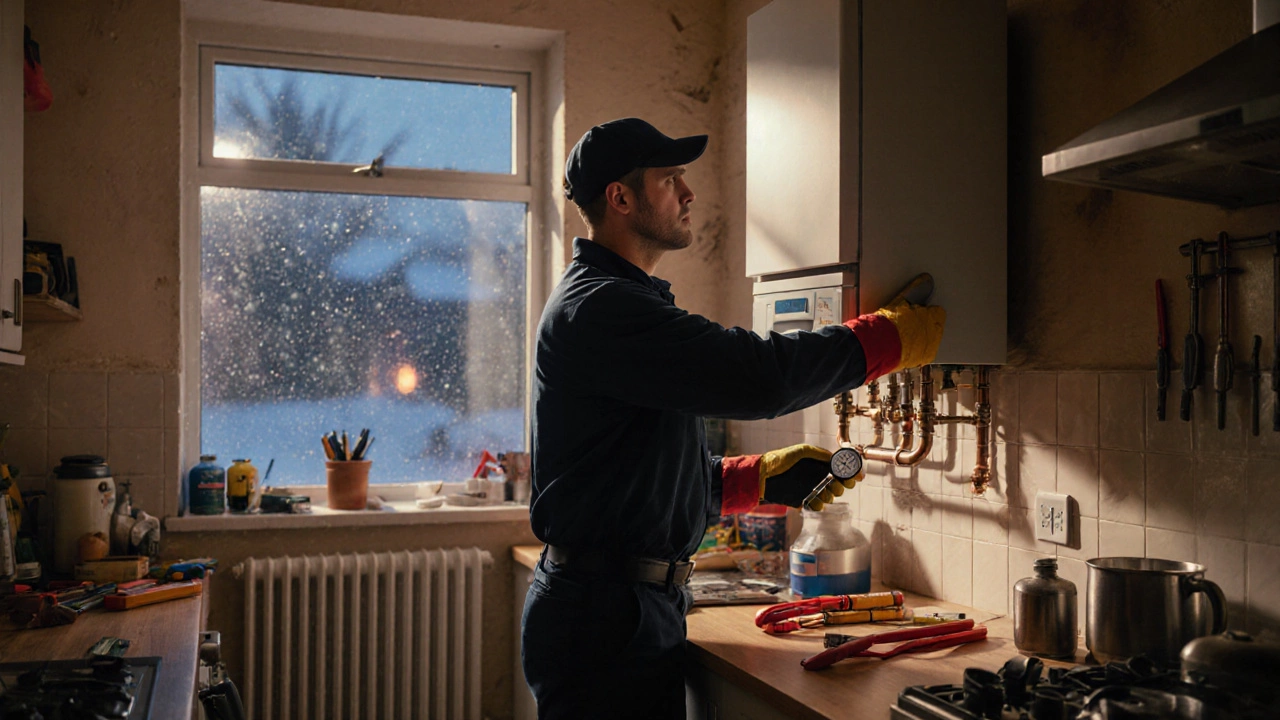
When a qualified heating engineer arrives, they aren’t just flipping a switch and calling it a day. They are performing a health check on one of the most complex appliances in your house. Here is how that typical 45-minute window breaks down.
- Visual Inspection (5-10 minutes): The engineer checks the boiler casing, seals, and surrounding area. They look for signs of corrosion, water leaks, or improper ventilation. This includes checking that the air vents around the unit are clear of clutter.
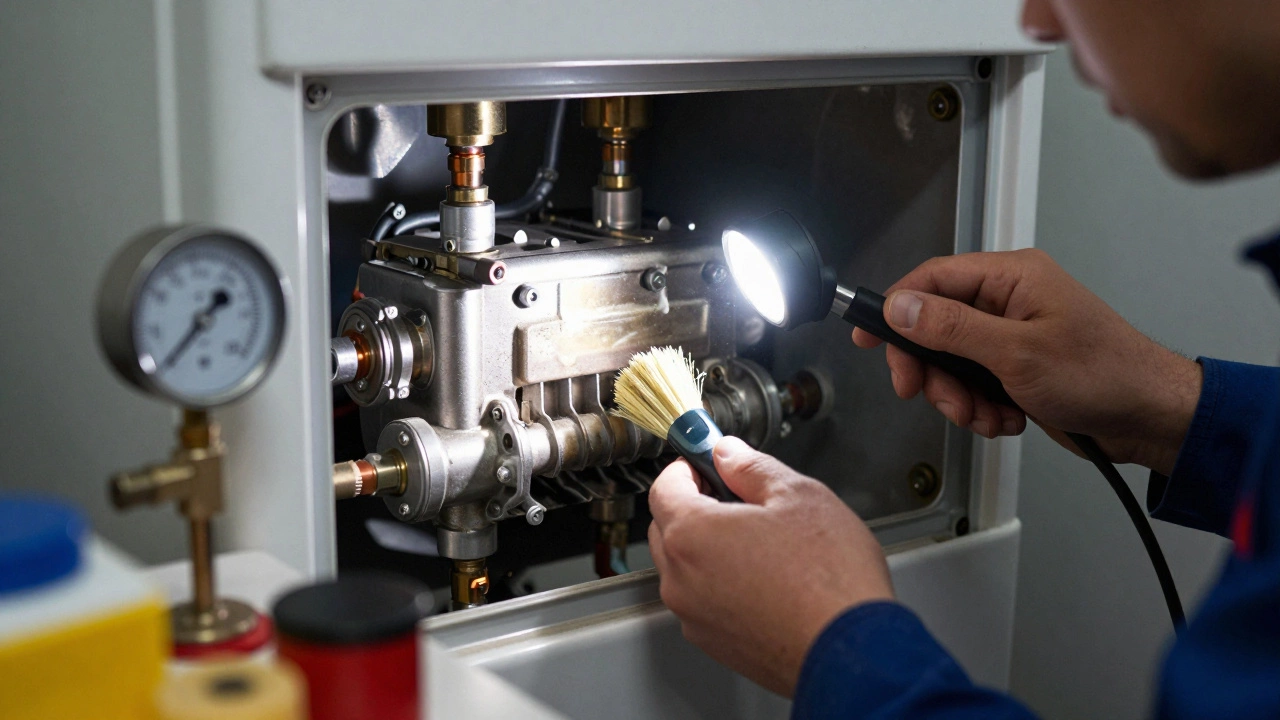
- Internal Component Check (10-15 minutes): They remove the outer panels to inspect the heat exchanger, burner, and fan. They’ll clean out any debris and check for cracks in the heat exchanger, which is critical for preventing carbon monoxide leaks.
- Pressure and Performance Test (10 minutes): Using a manometer, they measure the gas pressure going into the boiler. If the pressure is too high or too low, the boiler burns fuel inefficiently. They also check the system pressure (usually should be between 1 and 1.5 bar) and top it up if necessary.
- Emissions and Safety Analysis (10 minutes): This is the non-negotiable part. They use a flue gas analyzer to check the combustion efficiency. They ensure that harmful gases like carbon monoxide are being expelled safely outside and not leaking into your home.
- Cleaning and Final Checks (5-10 minutes): They clean the condensate trap (if applicable), reset the boiler, and verify all safety devices are working. Finally, they issue the paperwork.
If the engineer follows this checklist without finding major issues, you’re looking at about an hour of your time. You don’t even need to stay in the room with them, but you do need to be home to let them in and sign off on the work.
Why Some Services Take Longer Than Others
You might have heard stories of friends whose boiler service took two hours. Why the difference? Several factors can extend the timeline significantly.
| Factor | Impact on Time | Reason |
|---|---|---|
| Older Boiler Models | +15-30 mins | Parts are harder to access; engineers must be more careful with fragile components. |
| Dirty Heat Exchanger | +20-40 mins | Requires chemical cleaning or manual brushing to restore efficiency. |
| Low System Pressure | +10-15 mins | Engineer must locate filling loop, pressurize system, and bleed radiators. |
| Condensate Blockage | +15-30 mins | Clearing frozen or clogged pipes requires tools and potentially thawing equipment. |
| Access Issues | +10-20 mins | If the boiler is in a tight cupboard or behind furniture, setup takes longer. |
For example, if you have a combi boiler installed in 2010, the internal components may have accumulated sludge or limescale over the years. The engineer won’t just wipe it down; they might recommend a power flush or a chemical clean. While that isn’t strictly part of the *service*, it often happens during the same visit if the engineer spots the issue early. Always ask for a quote before agreeing to extra work.
Combi vs. System vs. Regular Boilers: Does Type Matter?
The type of boiler you own plays a role in how long the service takes. Let’s break down the three main types found in UK homes.
Combi Boilers are compact units that provide hot water on demand directly from the mains, without needing a separate tank. Because they are self-contained and have fewer external connections, they are generally the fastest to service. An engineer can usually complete a combi service in 30-45 minutes.
System Boilers are units that connect to a hot water cylinder but draw cold water directly from the mains. These take slightly longer, around 45-60 minutes, because the engineer needs to check the integrity of the connection to the cylinder and ensure the expansion vessel is functioning correctly within the closed system.
Regular (Conventional) Boilers are traditional systems that require both a cold water feed tank and a hot water storage cylinder. These are the most time-consuming to service, often taking 60-90 minutes. The engineer has to check multiple components, including the loft tank, the cylinder thermostat, and the immersion heater, in addition to the boiler itself.
What Happens If the Engineer Finds a Fault?
This is where the timeline gets unpredictable. A service is diagnostic as well as preventive. If the engineer discovers a fault, they have two choices: fix it immediately or quote you for repairs.
If they fix it on the spot-like replacing a faulty seal or clearing a minor blockage-the visit extends by however long that repair takes. For a simple part swap, that might be 20 minutes. For something complex, like replacing a control board, it could add an hour or more, especially if they need to order the part.
If the fault is significant, such as a cracked heat exchanger, the engineer will likely stop the service, explain the risk, and provide a written estimate for a full replacement or major repair. In this case, the "service" ends, but your problem isn’t solved yet. You’ll need to book a separate appointment for the repair.
Preparation Tips to Keep the Visit Short
You can help the engineer work faster-and potentially save money by reducing their labor time-by preparing your home beforehand.
- Clear the Area: Move laundry baskets, shoes, or boxes away from the boiler. Engineers need clear access to remove panels and hook up testing equipment.
- Check the Pressure: Look at the gauge on your boiler. If it’s below 1 bar, note it down. The engineer will need to pressurize it anyway, but knowing ahead of time lets them bring the right tools.
- Have Your Manual Ready: If you still have the installation manual, keep it nearby. It contains specific codes and settings for your model, saving the engineer time looking up specs online.
- Pet Safety: If you have cats or dogs, put them in another room. Boiler rooms can be noisy, and small animals might hide under the unit or get startled by the engineer’s movements.

Is It Worth Booking a Longer, More Thorough Service?
Some companies offer "basic" services that take 20 minutes and "comprehensive" services that take 90 minutes. What’s the difference? A basic service might just involve checking the pressure and issuing a Gas Safe certificate. A comprehensive service includes descaling the heat exchanger, flushing the magnetic filter, and testing all safety valves.
While the comprehensive service takes longer, it often prevents breakdowns. Think of it like changing your car’s oil versus just topping it up. Topping it up is quick, but changing it keeps the engine running smoothly for another year. For boilers older than five years, the longer, thorough service is almost always worth the extra time and cost.
FAQ
Do I need to be home for the entire boiler service?
Yes, you need to be home to let the engineer in. However, once they start working, you don’t need to stand there. You can go about your daily tasks in other rooms, provided you can hear the doorbell or phone if they finish early or find an urgent issue.
Can a boiler service take less than 30 minutes?
It shouldn’t. If an engineer claims to have serviced your boiler in 15 minutes, they likely skipped critical safety checks. A proper service involves removing panels, testing gas pressure, and analyzing emissions, which physically cannot be done in under 30 minutes.
What documents will I receive after the service?
You should receive a Landlord Gas Safety Record (if you’re renting) or a Homeowner’s Checklist. This document proves the boiler was checked by a Gas Safe registered engineer and is safe to use. Keep this for your records and insurance purposes.
Does the brand of the boiler affect the service time?
Slightly. Popular brands like Worcester Bosch, Vaillant, or Baxi are easier for engineers to service because they know the layout well. Rare or imported brands might take longer as the engineer consults manuals for specific disassembly steps.
Should I book my service in winter or summer?
Summer is ideal. Engineers are less busy, so they can afford to spend more time on your boiler if needed. In winter, if your boiler breaks down during the service, you might be left without heat during cold weather. Summer bookings also tend to be cheaper due to lower demand.