Electric Stove Repair vs. Replace Calculator
Enter the details below to get a recommendation based on industry standards.
Ready to Analyze
Fill in the form to see if you should repair or replace.
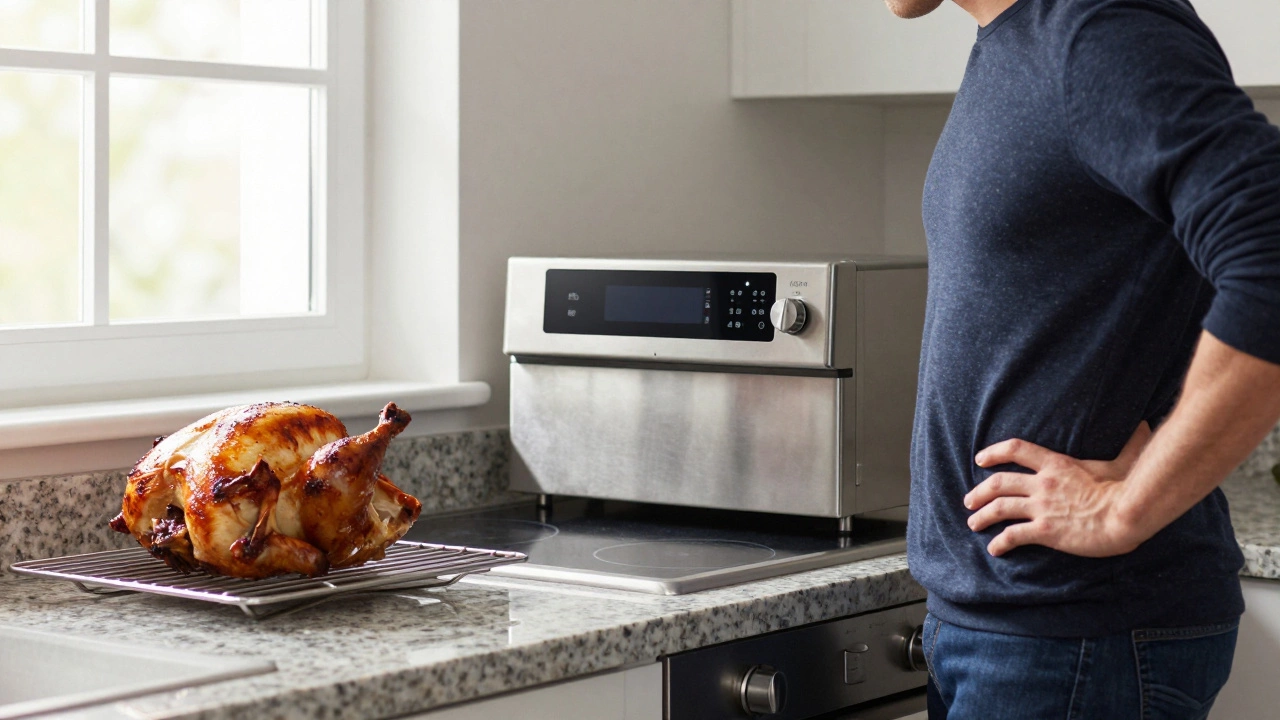
Picture this: you’re in the middle of roasting a chicken for Sunday dinner, and suddenly your electric stove is a kitchen appliance that uses electricity to heat cooking surfaces and bake food goes dark. Or worse, it’s been acting weird for weeks-hot spots on the cooktop, uneven baking, or that annoying clicking sound from the heating element. You check your bank account, then you look at the stove. Do you call for electric oven repair is the process of diagnosing and fixing faults in electric stoves, including elements, thermostats, and control boards, or do you bite the bullet and buy a new one?
The short answer? Most electric stoves last between 10 and 15 years. But that number isn’t set in stone. It depends heavily on how often you use it, what brand you bought, and whether you’ve kept it clean. If your stove is older than 13 years and starting to act up, you’re probably looking at a replacement rather than a repair. Let’s break down exactly how long these machines should last, when they start failing, and how to tell if you’re throwing good money after bad.
The Realistic Lifespan of an Electric Stove
Manufacturers usually design electric ranges to survive about a decade of heavy daily use. Consumer Reports and other industry watchdogs generally cite a lifespan of 10 to 13 years for standard models. High-end brands like Wolf or Viking might stretch that to 15 or even 20 years, but they come with a much higher price tag and often require specialized parts.
Why does the lifespan vary so much? It comes down to the components inside. An electric stove has several moving (or rather, heating) parts that wear out over time:
- Heating Elements: These are the coils on top or the glass-ceramic surface itself. They can crack, burn out, or lose efficiency after 8-10 years.
- Thermostat: This controls the temperature. If it fails, your oven runs too hot or too cold.
- Control Board: The brain of the stove. Electronics degrade faster than mechanical parts, especially if there are power surges.
- Door Gasket: The seal around the door. When this wears out, heat escapes, making the oven work harder and fail sooner.
If you cook every single day, bake multiple times a week, and use high-heat settings frequently, your stove will age faster than someone who mostly boils pasta. Think of it like a car engine. A taxi lasts fewer miles than a commuter car because it’s always running. Same logic applies here.
Signs Your Electric Stove Is Dying
You don’t need to be an engineer to know when your appliance is on its last legs. There are clear warning signs that tell you the clock is ticking. Ignoring them can lead to bigger problems, like electrical fires or spoiled food.
Here are the most common red flags:
- Inconsistent Heating: One burner works fine, but another takes forever to get hot. Or the oven bakes the left side of a cake perfectly while the right side remains raw. This usually means a heating element is failing.
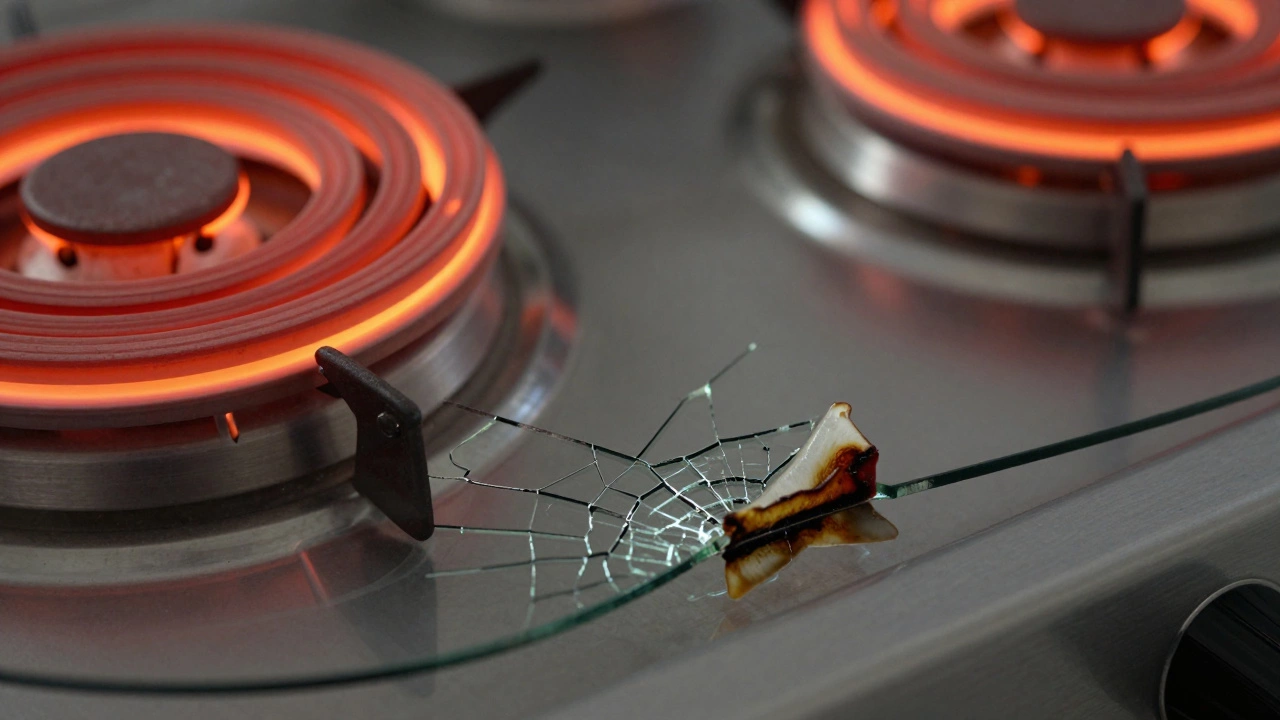
- Visible Damage: Cracks in the glass cooktop, bulging coils, or burnt marks on the interior walls. A cracked glass top is a safety hazard and almost always requires full replacement of the cooktop unit.
- Weird Noises: Clicking, buzzing, or popping sounds coming from the oven cavity. This could indicate a failing relay on the control board or a loose connection.
- Temperature Inaccuracy: You set the oven to 350°F, but your oven thermometer reads 400°F. This is a thermostat issue. While sometimes adjustable, it often signals internal component failure.
- Frequent Tripping: If your stove keeps tripping the circuit breaker, stop using it immediately. This suggests a short circuit or ground fault, which is a serious fire risk.
If you notice two or more of these issues, especially if your stove is over 10 years old, it’s time to think about replacement. Repairing one part often reveals that another part is close behind.
Repair vs. Replace: Making the Right Call
This is the big question. You have a $500 repair quote for a $1,200 stove that’s 12 years old. Do you pay it? Here’s a simple rule of thumb: if the repair cost exceeds 50% of the price of a new unit, and the appliance is more than half its expected lifespan, replace it.
Let’s look at some scenarios:
| Scenario | Age of Stove | Repair Cost | Recommendation |
|---|---|---|---|
| Broken heating element | 5 years | $150 - $300 | Repair: Elements are cheap and easy to swap. |
| Cracked glass cooktop | 8 years | $400 - $600 | Replace: Glass tops are expensive; consider a new range. |
| Faulty control board | 12 years | $300 - $500 | Replace: High labor cost + old age = poor investment. |
| Bad door gasket | 10 years | $100 - $200 | Repair: Cheap fix, extends life by 2-3 years. |
| Multiple failures | 14 years | $600+ | Replace: The machine is done. Don’t sink more money in. |
Also, consider energy efficiency. Newer electric stoves, especially those with induction technology or better insulation, use less electricity. If your old stove is leaking heat through a worn gasket, you’re paying more on your utility bill every month. Replacing it might save you money in the long run.
How to Extend the Life of Your Electric Stove
If your stove is still relatively young (under 7 years) and working well, you want it to last as long as possible. Good maintenance habits can add several years to its life. It doesn’t take much effort, just consistency.
First, keep it clean. Grease and food residue build up on heating elements and inside the oven chamber. This forces the stove to work harder to reach the desired temperature, accelerating wear. Wipe down spills immediately. For the oven, use the self-cleaning cycle sparingly (it generates extreme heat that can stress components), but do regular manual cleaning with mild soap and water.
Second, avoid thermal shock. Never pour cold water into a hot pan on the stove, and don’t put a cold dish into a preheated oven. Sudden temperature changes can crack glass cooktops and warp metal racks. Let things cool down gradually.
Third, check the door seal. Once a year, close the oven door on a dollar bill. If you can pull the bill out easily without resistance, the gasket is worn. A tight seal keeps heat in and reduces strain on the heating elements. Replacing a gasket is a cheap DIY job that pays off.
Finally, be gentle with the controls. Slamming knobs or pressing buttons hard can damage the internal switches over time. Treat your stove like a delicate instrument, not a hammer.
What Happens After the Warranty Expires?
Most electric stoves come with a one-year limited warranty. Some premium brands offer five-year parts coverage, but labor is rarely included after the first year. Once that warranty ends, you’re on your own.
This is where many people make mistakes. They try to fix complex issues themselves without proper knowledge, leading to bigger damage. For example, replacing a heating element is straightforward if you know how to disconnect power and remove mounting screws. But messing with the control board or wiring harnesses without experience can void any remaining coverage and create safety hazards.
If you’re unsure, call a professional technician. Look for certified repair services with good reviews. Ask for a diagnostic fee upfront so you aren’t surprised by hidden costs. A reputable tech will explain the problem clearly and give you options-not pressure you into unnecessary repairs.
Remember, electricity is dangerous. Always turn off the power at the circuit breaker before attempting any repair. If you smell burning plastic or see sparks, unplug the stove and call an electrician or appliance specialist immediately.
Upgrading to Modern Technology
If you’re replacing your old electric stove, you might want to consider newer technologies. Traditional coil electric stoves are being replaced by smooth-top radiant electric models and induction cooktops.
Induction cooktops heat the pot directly, not the surface. This makes them faster, more efficient, and safer since the surface stays cooler. However, they require compatible cookware (magnetic pans). If you have cast iron or stainless steel pots, you’re already set. If you use aluminum or copper, you’ll need to invest in new pans.
Radiant smooth-top electric stoves are a step up from coils. They’re easier to clean and heat evenly, but they’re slower than induction. They’re a good middle ground if you don’t want to change your cookware.
Whichever you choose, look for Energy Star certification. These models meet strict efficiency guidelines set by the EPA, meaning lower electricity bills and reduced environmental impact. Over a 10-year lifespan, the savings can add up to hundreds of dollars.
How long do electric stove heating elements last?
Heating elements typically last 8 to 10 years with regular use. They may fail sooner if subjected to frequent thermal shock or if food debris builds up on them, causing overheating.
Is it worth repairing a 15-year-old electric stove?
Generally, no. A 15-year-old stove is beyond its expected lifespan. Repairs are likely to be temporary, and newer models offer better energy efficiency and safety features. Replacement is usually the smarter financial decision.
Can I replace an electric stove myself?
Yes, if you have basic DIY skills and the new model fits your existing cutout and electrical connections. However, hiring a professional ensures proper installation, maintains warranties, and avoids potential electrical hazards.
Why is my electric oven taking longer to preheat?
This could be due to a failing heating element, a dirty interior reflecting heat poorly, or a faulty thermostat. Clean the oven first; if the problem persists, a technician should inspect the heating components.
Do induction stoves last longer than traditional electric stoves?
Induction stoves often have a similar lifespan (10-15 years), but their electronic components may be more sensitive to power surges. However, because they generate less waste heat, they may experience less thermal stress on surrounding materials.