Auckland Hot Water Heater Timeline & Cost Estimator
Job Details
Estimated Results
Picture this: you step into the shower on a chilly Auckland morning, and instead of warm relief, you get an icy shock. The pilot light is out, or worse, the tank has burst onto your bathroom floor. You call a plumber, and the first question that pops into your head isn't just 'how much?' but 'how long will I be without hot water?'
The short answer? If you’re lucky and everything lines up perfectly, you can have a new hot water heater installed in under four hours. But let’s be real-life rarely goes that smoothly. Depending on whether you are swapping an electric unit for another electric unit or moving from gas to heat pump, the job could take anywhere from half a day to several days. Understanding the variables helps you plan around the inconvenience, buy enough bottled water, and avoid getting rushed by a contractor who wants to bill you for overtime.
The Standard Swap: Electric Cylinder Replacement
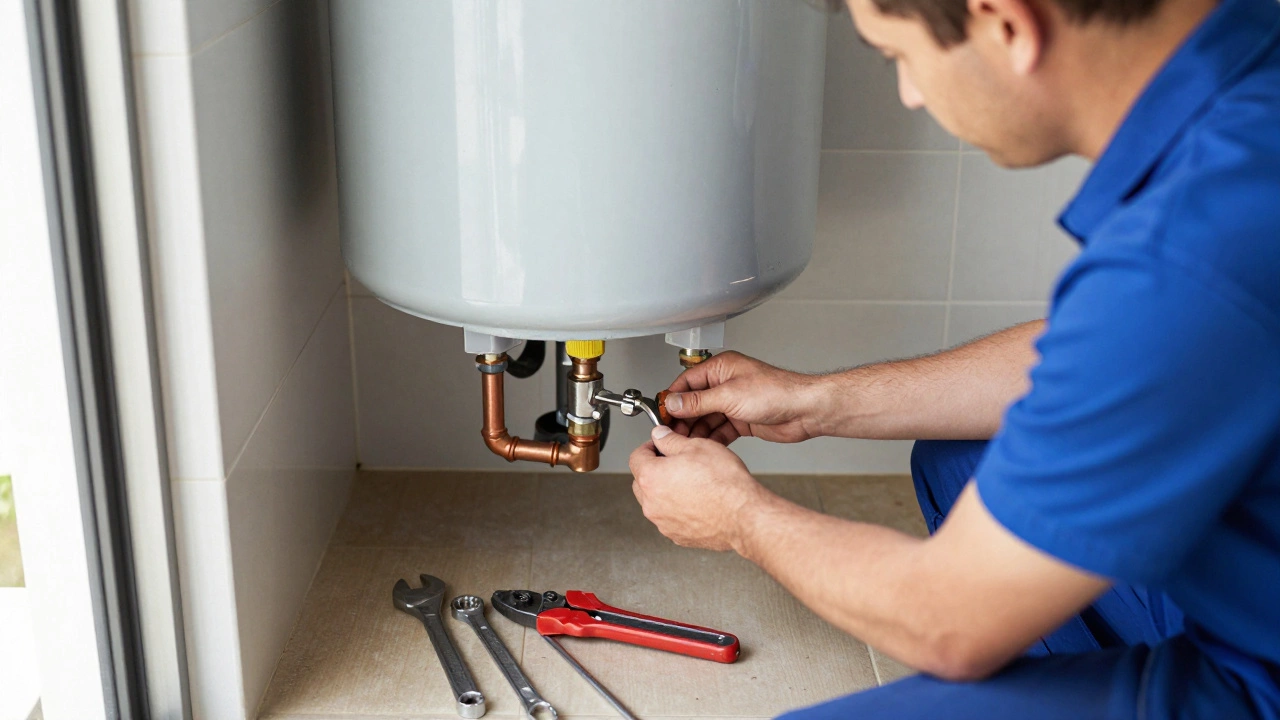
In most New Zealand homes, especially older ones in suburbs like Ponsonby or Remuera, you likely have a standard electric storage cylinder. This is the round metal tank hanging on the wall or tucked away in a cupboard. Replacing this with an identical model is the simplest scenario.
A professional plumber typically spends about 3 to 5 hours on this job. Here is why it takes that long:
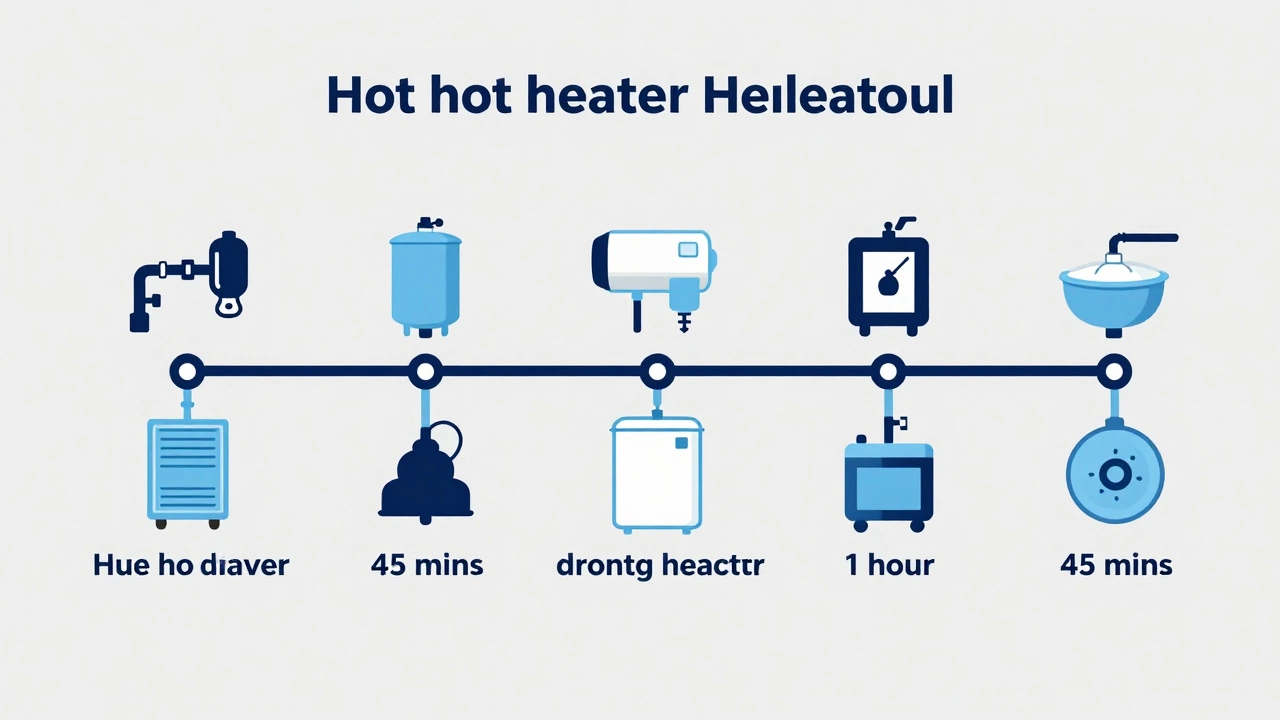
- Shut down and drain (45 minutes): They need to turn off the power at the switchboard and open the pressure relief valve. Draining a full 150-liter tank takes time, and they have to manage the mess so your floors don’t get soaked.
- Removal of old unit (1 hour): Unsoldering copper pipes or unthreading compression fittings requires care. If the previous plumber used thread-lock tape excessively or if the pipes are corroded, this step gets tricky.
- Installation of new unit (1.5 hours): Mounting the new tank, connecting the cold inlet and hot outlet, and ensuring the earth strap is secure.
- Testing and commissioning (1 hour): Filling the system, checking for leaks, testing the thermostat, and verifying the temperature pressure relief (TPR) valve works correctly.
If your plumber starts at 8:00 AM, you might be back in business by 1:00 PM. However, if the access is tight-like a small laundry closet in an apartment-they might need extra time to maneuver the heavy tank.
When Things Get Complicated: Gas and Heat Pumps
Not all replacements are created equal. If you are switching fuel types or upgrading technology, the timeline stretches significantly.
| System Type | Estimated Time | Key Variables |
|---|---|---|
| Electric Cylinder (Like-for-Like) | 3-5 Hours | Pipe condition, access space |
| Gas Continuous Flow | 4-6 Hours | Gas line extension, flue routing |
| Heat Pump Water Heater | 6-8 Hours (or 2 Days) | Electrical upgrade, external mounting |
| Solar Thermal System | 1-2 Days | Roof work, plumbing complexity |
Switching from electric to a gas continuous flow heater requires a direct flame device that heats water instantly as it passes through the unit. This isn't just a plug-and-play job. A gasfitter must verify the gas supply pressure, potentially extend the gas pipe, and install a proper flue for exhaust gases. In Auckland, where many homes are built close together, finding a compliant flue path can add hours of planning and cutting.
Heat pumps are the current trend for energy efficiency, but they are complex beasts. A heat pump water heater uses electricity to move heat from the air into the water, rather than generating heat directly. Installing one often requires an electrician to upgrade your circuit breaker because these units pull significant amperage. If your home’s electrical panel is old, you might need a separate visit from an electrician before the plumber can even start. This can push the project to two days.
The Hidden Delays: Permits and Inspections
New Zealand has strict building codes, governed by the Building Act 2004. For most simple like-for-like replacements, no consent is needed. However, if you are changing the location of the water heater or altering the piping significantly, you may trigger a requirement for a Building Consent.
Even without a formal consent, licensed plumbers and gasfitters must issue a Plumbing and Drainage Certificate of Compliance (CDC). This is non-negotiable. It proves the work meets the Health and Safety at Work Act and the Building Code. If a plumber skips this, you risk voiding your home insurance and facing fines from your local council.
Does this delay the installation? Usually, no. The certificate is issued after the job is done. But if the council requires an inspection for a major retrofit (like adding solar thermal panels), you might wait weeks for the inspector to come out. Always ask your contractor upfront: "Will this job require a council inspection?"
Why Your Old Unit Might Take Longer to Remove
You might wonder, "If it's a simple swap, why did my last plumber take all day?" The culprit is usually the state of the old installation. Here are three common scenarios that eat up time:
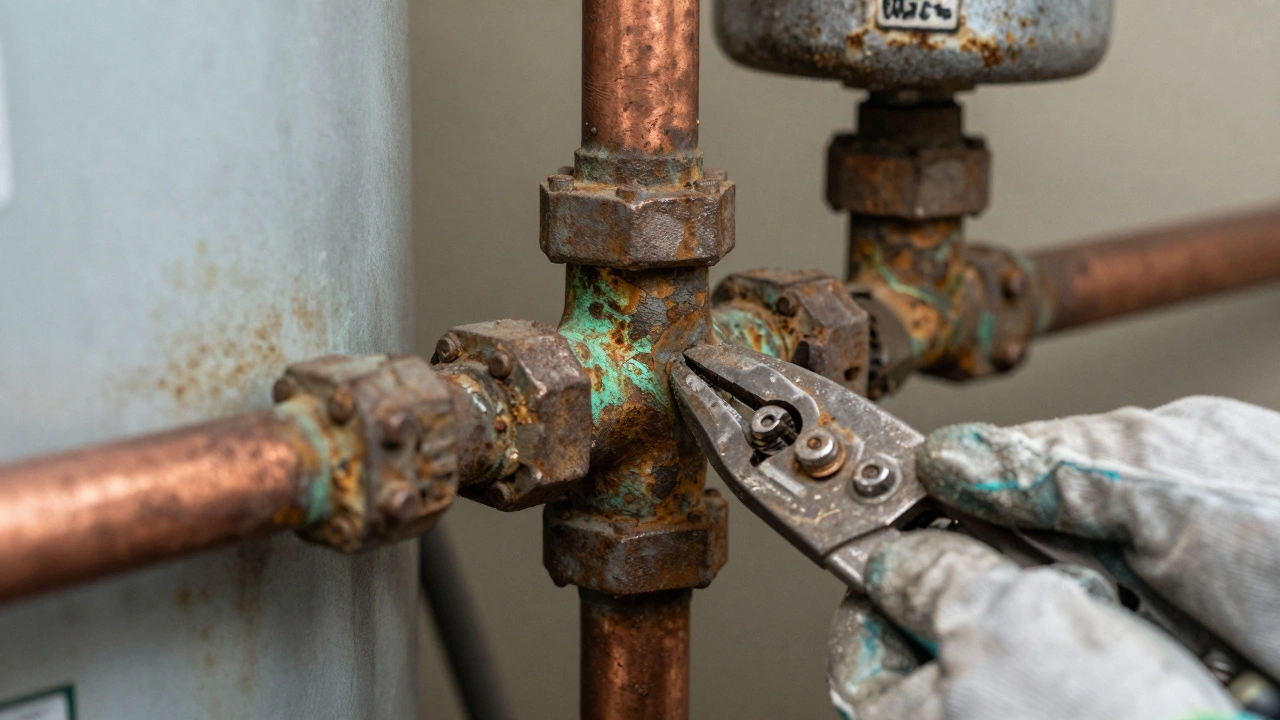
- Corroded Connections: If your home is over 20 years old, the copper pipes connected to the old tank might be green with oxidation. Cutting these safely without damaging the main house plumbing takes patience and special tools.
- Missing Isolation Valves: Many older installations lack proper shut-off valves near the tank. The plumber has to shut off the water to the entire house, which means you can't use the toilet or kitchen sink during the repair. Adding new isolation valves adds 30-45 minutes to the job.
- Space Constraints: Imagine trying to remove a 15kg tank from a 60cm wide cupboard while avoiding the clothes dryer next to it. Maneuvering equipment in tight spaces slows down every single step.
What You Can Do to Speed Up the Process
You aren't powerless in this situation. A few proactive steps can ensure your plumber finishes quickly and efficiently.
- Clear the Area: Before the plumber arrives, move boxes, cleaning supplies, or laundry baskets away from the water heater. Give them elbow room.
- Check Access: Ensure the door to the cupboard or room is fully functional. If hinges are broken, fix them beforehand.
- Have the New Unit Ready: If you bought the water heater yourself, have it on-site when the plumber arrives. Waiting for a delivery truck costs everyone time.
- Confirm the Model: Double-check that the new unit fits the physical space. Measure the height and width of the old tank and compare it to the new one. A mismatch here causes massive delays.
Cost vs. Time: Is Faster More Expensive?
In the trades, speed often comes with a premium. Emergency call-outs in Auckland, especially outside of standard business hours (before 7 AM or after 5 PM), can cost double the normal rate. If your water heater breaks on a Sunday night, expect to pay a higher hourly fee.
However, a skilled plumber working efficiently might finish faster than a novice, saving you money in the long run. Don't just pick the cheapest quote. Look for a licensed plumber who guarantees their work. A botched installation that leaks later will cost you far more in water damage and repairs than a slightly higher upfront labor fee.
Typical labor costs for a standard electric replacement in Auckland range from $400 to $800, excluding the cost of the unit itself. Gas and heat pump installations can run $1,000 to $2,500 due to the additional complexity and parts required.
Aftercare: What Happens After They Leave?
Once the plumber packs up, your job isn't quite done. You should receive a copy of the Certificate of Compliance. Keep this with your home records. It’s valuable proof of maintenance if you ever sell your property.
Test the hot water immediately. Run the tap until the water flows steadily. Check the area around the new connections for any dampness. If you smell gas (and you switched to a gas system), evacuate and call the emergency gas line immediately. For electric systems, listen for unusual humming noises from the element, which could indicate an airlock or installation error.
Most manufacturers offer warranties ranging from 5 to 10 years on the tank and 1 to 2 years on parts. Register your new water heater online to activate this warranty. It’s a small step that pays off if the unit fails prematurely.
Can I replace my own hot water heater to save time?
No, it is illegal and dangerous. In New Zealand, only licensed plumbers and gasfitters can install or replace water heaters. DIY attempts void your home insurance and risk serious injury from electrocution, burns, or gas leaks. The legal requirement ensures safety standards are met.
How long does it take to get hot water after installation?
For an electric storage cylinder, it takes about 2 to 3 hours to heat the first full tank of water. During this time, you will have cold water. Gas continuous flow units provide hot water almost instantly once turned on, provided the pilot light is lit.
Do I need a building consent for a new water heater?
Usually, no. Like-for-like replacements do not require consent. However, if you change the fuel type (e.g., electric to gas), move the location significantly, or install a complex system like solar thermal, you may need a consent. Your licensed plumber will advise you based on local council rules.
What if the plumber finds rusted pipes during removal?
This is a common issue. The plumber will likely pause to assess the damage. They may need to cut out sections of old copper pipe and solder in new ones. This can add 1 to 2 hours to the job. Ask for a verbal estimate before they proceed with extra work.
Is it worth upgrading to a heat pump instead of replacing with electric?
Yes, if you want to lower energy bills. Heat pumps are up to 300% efficient compared to electric elements. While the installation takes longer (6-8 hours) and costs more upfront, the savings on electricity over 5-10 years often outweigh the initial investment. Check if you qualify for government insulation or heating grants in Auckland.