Boiler Cost Estimator
Boiler Selection
Additional Work
Cost Summary
Breakdown:
Note: These are estimated ranges based on 2026 NZ market data. Actual costs may vary based on location, installer, and specific requirements.
Replacing a boiler isn’t just about swapping out an old machine-it’s about keeping your home warm, safe, and efficient through New Zealand’s chilly winters. If you’re asking how much a new boiler costs, you’re not just shopping for equipment. You’re making a decision that affects your monthly bills, your comfort, and even your home’s value. Let’s cut through the noise and lay out exactly what you’ll pay in 2026, what factors change the price, and what most homeowners actually end up spending.
What’s the average price for a new boiler in New Zealand?
In 2026, the average cost to install a brand-new gas boiler in a typical Auckland home ranges from $4,500 to $8,500. That includes the boiler unit itself, removal of the old one, installation, flue work, and a full safety check. Most people pay around $6,200. This isn’t a fixed number. It jumps up or down depending on what kind of boiler you pick, how complex your setup is, and whether your home needs upgrades to handle the new system.
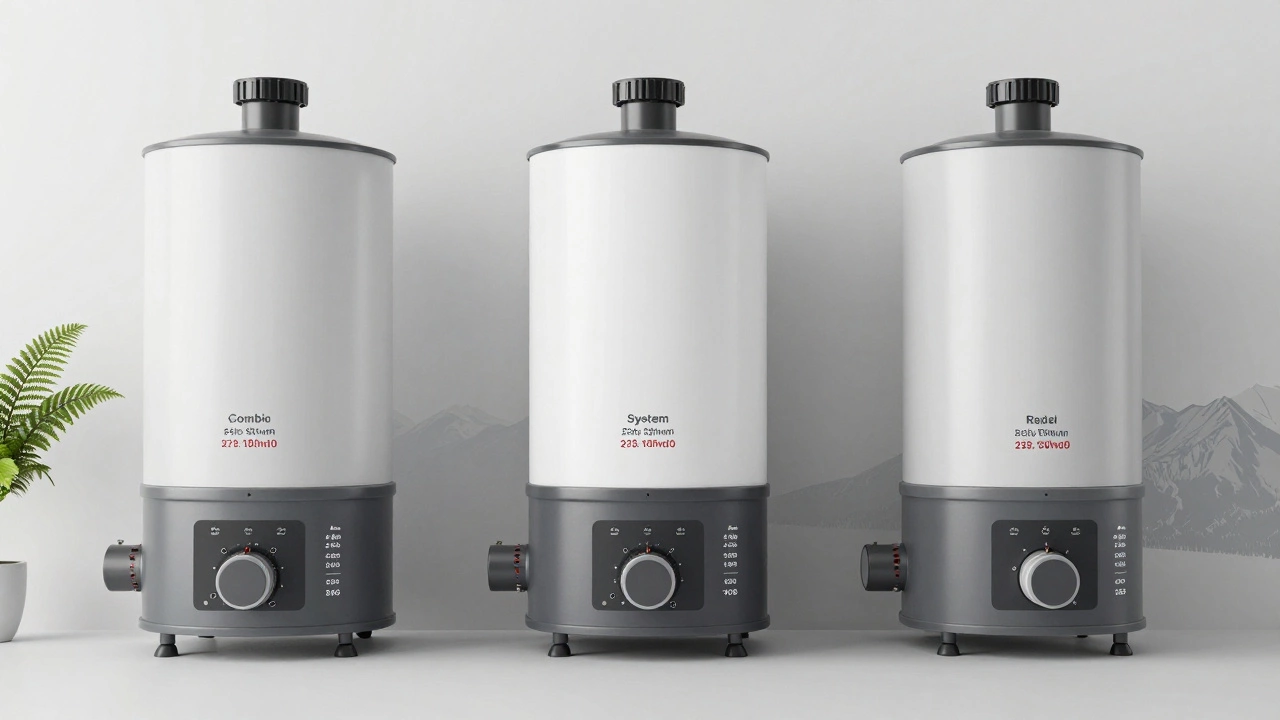
There are three main types of boilers you’ll see on the market:
- Combi boilers - These are the most common in New Zealand homes. They heat water on demand and don’t need a tank. Great for smaller houses or flats. Price: $3,800-$6,500 installed.
- System boilers - These work with a hot water cylinder. Better for homes with multiple bathrooms or high hot water use. Price: $5,200-$7,800 installed.
- Regular (heat-only) boilers - These need both a hot water tank and a cold water tank in the loft. Older homes often have these. Replacing them isn’t always the best move unless you’re doing a full renovation. Price: $5,500-$8,500 installed.
If you’re replacing a combi boiler with another combi boiler in the same spot, you’re looking at the lower end of the range. But if you’re switching from a regular boiler to a combi, or if your gas line needs upgrading, expect to pay more.
What drives the price up?
It’s not just the boiler. A lot of hidden costs sneak in. Here’s what can bump your bill:
- Flue replacement - Older homes often have outdated or corroded flues. Modern boilers need specific flue types for safety and efficiency. Replacing a flue can add $800-$2,200.
- Gas pipe upgrade - If your gas line is too small (common in homes built before 2000), you’ll need to replace or enlarge it. This isn’t optional. It’s a legal safety requirement. Expect $1,000-$2,500.
- Thermostat upgrade - A basic thermostat won’t cut it anymore. Smart thermostats (like Hive or Nest) improve efficiency and give you remote control. They cost $300-$700 installed.
- Power flushing - If your old system had sludge buildup (common in older radiators), a power flush clears it out. It’s not mandatory, but skipping it can kill your new boiler in under a year. Cost: $600-$900.
- Removal and disposal - Some companies include this. Others charge extra. Always ask. Disposal fees for old boilers: $150-$300.
One homeowner in Tauranga replaced her 20-year-old boiler and thought she’d pay $5,000. Turns out, her gas pipe was undersized, her flue was cracked, and her radiators were clogged. Her final bill? $7,900. She saved $1,200 a year on heating bills after.
Electric boilers? Heat pumps? Are they cheaper?
Some people ask if switching to an electric boiler or heat pump is cheaper. The short answer: not usually.
Electric boilers are rare in New Zealand. They’re expensive to run because electricity is costly here. A 24kW electric boiler might cost $4,000 to install, but your electricity bill could jump by $2,000+ per year. Not a smart move.
Heat pumps are different. They’re not boilers, but they’re often considered as alternatives. A good air-source heat pump for a 3-bedroom house costs $8,000-$14,000 installed. That’s more than a gas boiler. But heat pumps also cool your home in summer, and they’re way more energy-efficient. If you’re planning a major renovation or live in a well-insulated home, a heat pump can pay for itself in 5-7 years. For most people just replacing a boiler, gas is still the better financial choice.
What about government subsidies?
As of 2026, the New Zealand government doesn’t offer direct rebates for boiler replacements. But there are two ways you might still get help:
- Energy Efficiency and Conservation Authority (EECA) - They run the Warm Up New Zealand: Heat Smart programme. It doesn’t pay for boilers, but it gives free home insulation assessments. If your home is poorly insulated, they’ll recommend upgrades that make your boiler work better. That’s worth $300-$600 in savings alone.
- Local council grants - Some councils (like Auckland Council) offer small grants for low-income households to replace unsafe heating systems. You need to be on a benefit or have a health condition affected by cold. Check your local council website.
Don’t fall for companies promising “government rebates.” If they say they can get you $2,000 off, they’re likely just lowering their price and calling it a subsidy. Always verify claims with official sources.
How to avoid being overcharged
Boiler installers aren’t all the same. Some overcharge. Others cut corners. Here’s how to protect yourself:
- Get at least three quotes. Always. No exceptions.
- Ask what’s included. Some quotes only cover the boiler. Others include flue, gas pipe, thermostat, and flush. Compare apples to apples.
- Check if the installer is Gas Safe registered (or NZ equivalent). In New Zealand, they must be licensed by the Gas Industry Company (GIC). Ask for their license number and verify it online.
- Don’t pay the full amount upfront. A 10-20% deposit is normal. The rest should be due after installation and inspection.
- Ask for a 10-year warranty on the boiler and a 1-year warranty on the installation. If they won’t offer that, walk away.
One Auckland family got a quote for $5,200 from a company that didn’t mention flue replacement. A second quote from a different company included everything - $6,800. They went with the second. Two years later, the first company’s customer had a flue leak and had to pay $3,100 to fix it. The extra $1,600 upfront saved them $3,100.
When should you replace your boiler?
Most boilers last 10-15 years. If yours is older than 12, you’re probably already losing efficiency. Signs it’s time to replace it:
- It makes strange noises (banging, gurgling)
- Water pressure drops often
- Heating takes longer than it used to
- Your bills are rising even though usage hasn’t changed
- You’ve had more than two repairs in the last year
Don’t wait until it breaks. A sudden failure in winter means you’ll pay emergency rates - sometimes double the normal price. Replacing it before winter hits saves money and stress.
Final thoughts: What’s the real cost?
There’s no single answer to “how much does a new boiler cost?” But if you live in New Zealand and have an average-sized home, budget $6,000-$7,500. That covers a good-quality combi boiler, full installation, flue and gas pipe upgrades if needed, and a smart thermostat. Skip the cheapest quote. Don’t be tempted by “free installation” deals - they usually mean a low-grade boiler or hidden fees.
Think of it as an investment. A new boiler cuts your heating bills by 20-40%. It reduces repairs. It makes your home safer. And if you ever sell, a modern, efficient heating system adds value. You’re not just replacing a machine. You’re upgrading your home’s future.