Oven Installation Decision Tool
Determine if you can safely replace your electric oven yourself or if you need to hire a professional electrician based on your home's wiring setup.
Picture this: your old oven finally gives up the ghost. You’ve dragged it out, bought a shiny new model, and now you’re staring at the wall with a tangle of wires or a missing socket. The big question hits you immediately-do you need to call in a professional electrician is a licensed tradesperson qualified to install, maintain, and repair electrical systems in residential and commercial buildings, or can you just plug it in yourself?
The short answer is: it depends entirely on how your kitchen is wired. If your new oven has a standard plug, you might be able to do it yourself. But if it requires a direct connection to your home’s electrical panel (hardwiring), the stakes get much higher. Getting this wrong doesn’t just mean a dead oven; it means fire hazards, voided warranties, and potentially illegal work under local building codes.
Plug-In vs. Hardwired: Knowing Your Setup
Before you lift a finger, you need to identify what kind of power setup your current and new ovens use. This distinction is the single most important factor in deciding whether you need a pro.
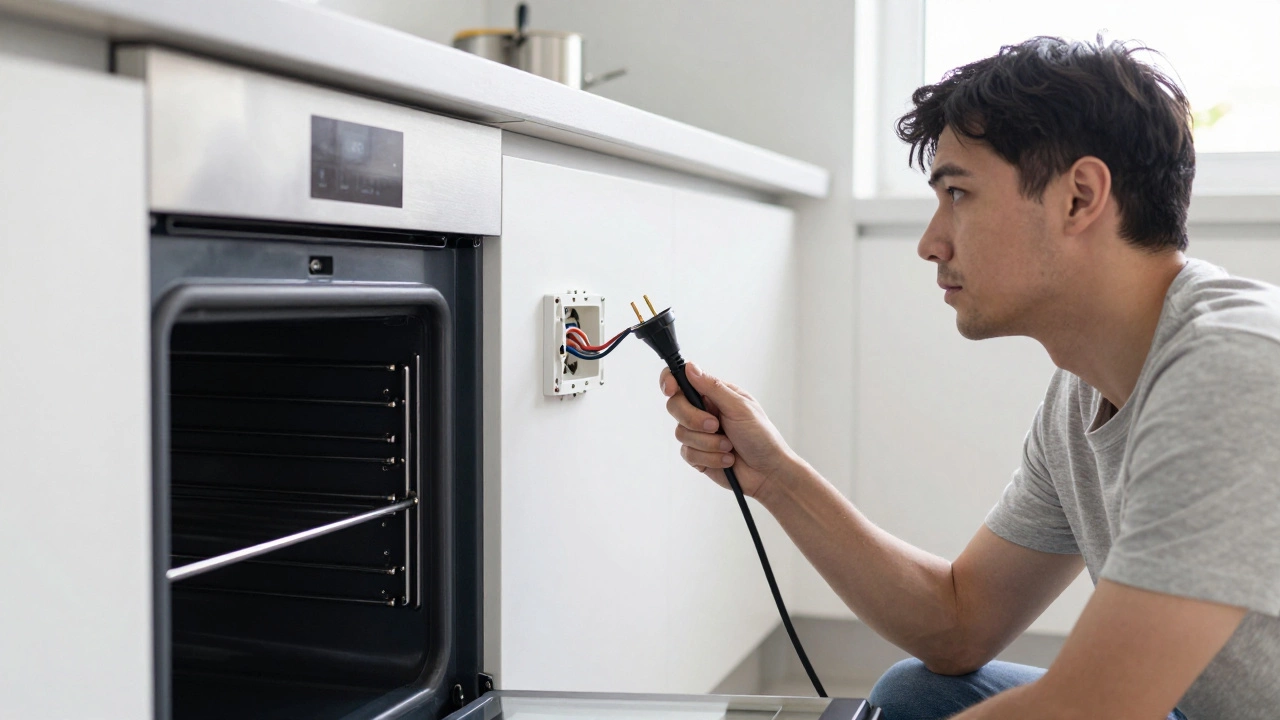
Plug-in Ovens: These are common in many modern homes, especially in regions like New Zealand where standard 30-amp circuits with dedicated sockets are often used for large appliances. If your new oven comes with a heavy-duty plug that matches the socket in your kitchen, you likely don’t need an electrician for the final connection. However, you still need to ensure the circuit is correct.
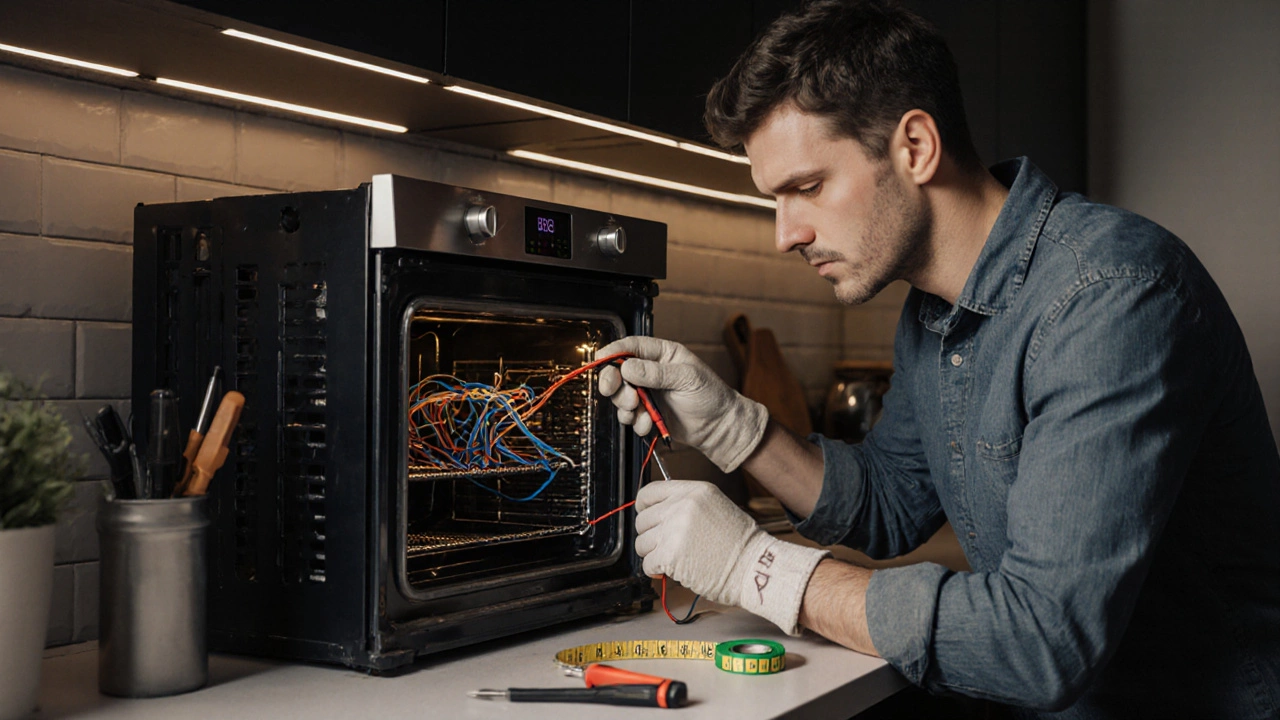
Hardwired Ovens: Many older installations, or high-end built-in models, connect directly to the electrical panel via a junction box. There is no plug. The wires from the oven go straight into the wall wiring. If your new oven is hardwired, or if you are converting a plug-in setup to hardwired (or vice versa), you absolutely need a professional.
| Feature | Plug-In Oven | Hardwired Oven |
|---|---|---|
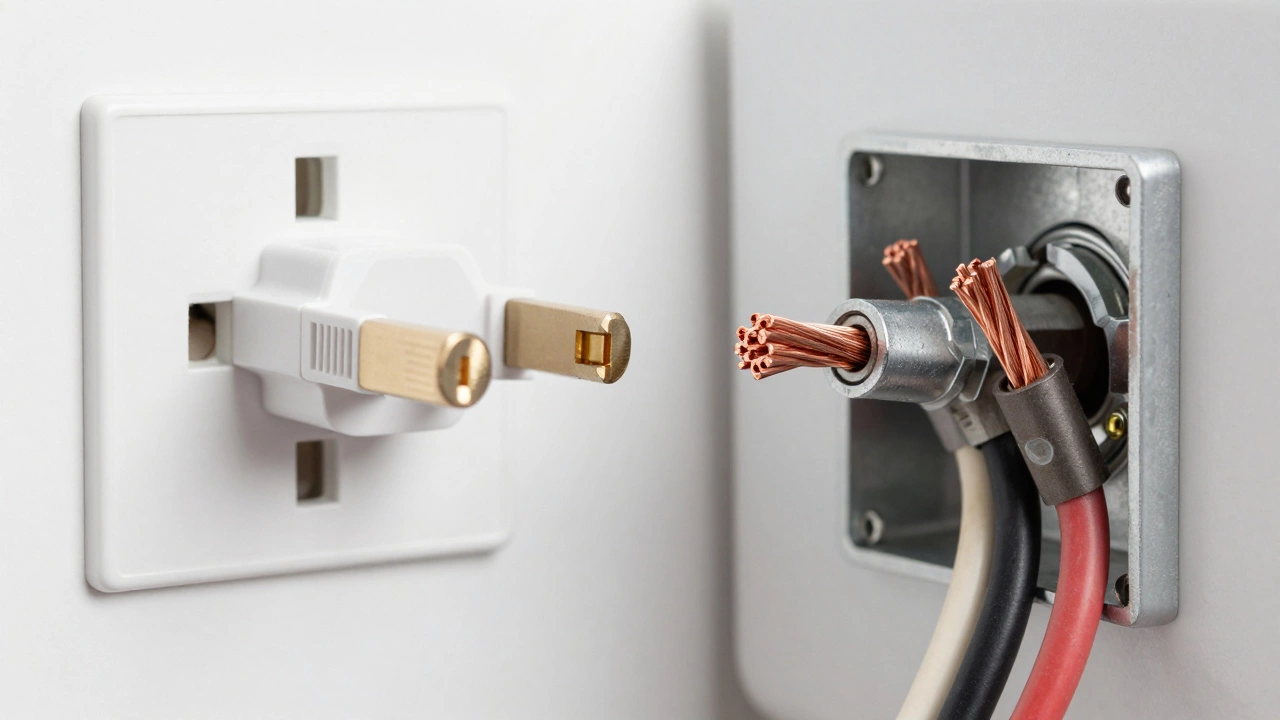
| Connection Method | Standard appliance plug into wall socket | Direct wire-to-wire connection in junction box |
| Electrician Required? | Only if socket/circuit needs upgrading | Yes, always |
| Safety Risk (DIY) | Low (if circuit is verified safe) | High (risk of shock, fire, code violation) |
| Warranty Implications | Usually safe for DIY | Often voids warranty if not certified |
| Cost | $0 (if socket exists) | $150-$400+ for professional service |
When You Can Safely Do It Yourself
If you have a plug-in oven and a matching socket already installed in your kitchen, you are in the clear zone for DIY. Here is what you need to check before plugging it in:
- Circuit Rating: Ensure the socket is on a dedicated circuit. Large ovens draw significant power (often 20 to 30 amps). Plugging an oven into a shared kitchen outlet alongside a toaster or microwave can trip breakers or overheat wires.
- Socket Condition: Inspect the existing socket for signs of damage, scorching, or loose fit. If the socket looks worn, replace it before plugging in the new oven. This is a basic task but should only be done by someone comfortable with turning off power at the breaker.
- Plug Compatibility: Make sure the plug pins match the socket holes. In New Zealand, for example, standard Type I plugs are used, but heavy-duty appliance outlets may have specific configurations. Never force a plug.
If all these boxes are checked, you can unplug the old oven, remove it, slide in the new one, and plug it in. Test the controls, and you’re good to go.
When You Must Call an Electrician
There are several scenarios where attempting a DIY installation is not just risky-it’s irresponsible. Call a licensed electrician if:
- You Are Hardwiring: Connecting wires directly to the house supply requires knowledge of voltage (240V in NZ/Aus/UK/EU), phase alignment, and secure termination. Mistakes here can cause arcing, fires, or electrocution.
- No Socket Exists: If your previous oven was hardwired and your new one has a plug, you need a new socket installed. This involves running new cable, installing a junction box, and connecting to the main panel. This is not a weekend project for most homeowners.
- Circuit Upgrade Needed: Older homes may have outdated wiring (e.g., aluminum wiring or undersized copper) that cannot handle modern oven loads. An electrician will assess if you need a new 30-amp breaker and appropriate gauge wire (typically 10-gauge).
- Local Code Compliance: In Auckland and across New Zealand, the Building Act is legislation governing construction standards, safety, and compliance in New Zealand and Electrical Wiring Regulations require certain electrical work to be inspected and certified. Unlicensed electrical work can invalidate your home insurance.
- Warranty Requirements: Many premium oven brands (like Bosch, Miele, or Siemens) require proof of professional installation to honor the warranty. Check your manual.
The Hidden Costs of Skipping Professional Help
It’s tempting to save $200-$400 by doing it yourself. But consider the potential downsides:
Fire Hazard: Improperly connected wires can overheat. Kitchen environments are already prone to grease and heat. Adding faulty electrical connections increases the risk of electrical fires significantly.
Voided Insurance: If an electrical fire starts due to unlicensed work, your home insurance provider may deny the claim. They often require certification from a registered electrician for major appliance installations.
Legal Penalties: In New Zealand, performing restricted electrical work without a license is illegal. The Electricity Safety Council can issue fines, and you may be forced to redo the work anyway.
Damage to the Appliance: Incorrect voltage or phase issues can blow fuses or damage the oven’s control board immediately. Replacing a control board costs hundreds of dollars-more than the original installation fee.
Step-by-Step: Preparing for Installation
Whether you hire a pro or do it yourself, preparation is key. Follow these steps to ensure a smooth process:
- Turn Off Power: Go to your main electrical panel and switch off the breaker for the oven circuit. Use a voltage tester to confirm the power is dead before touching any wires.
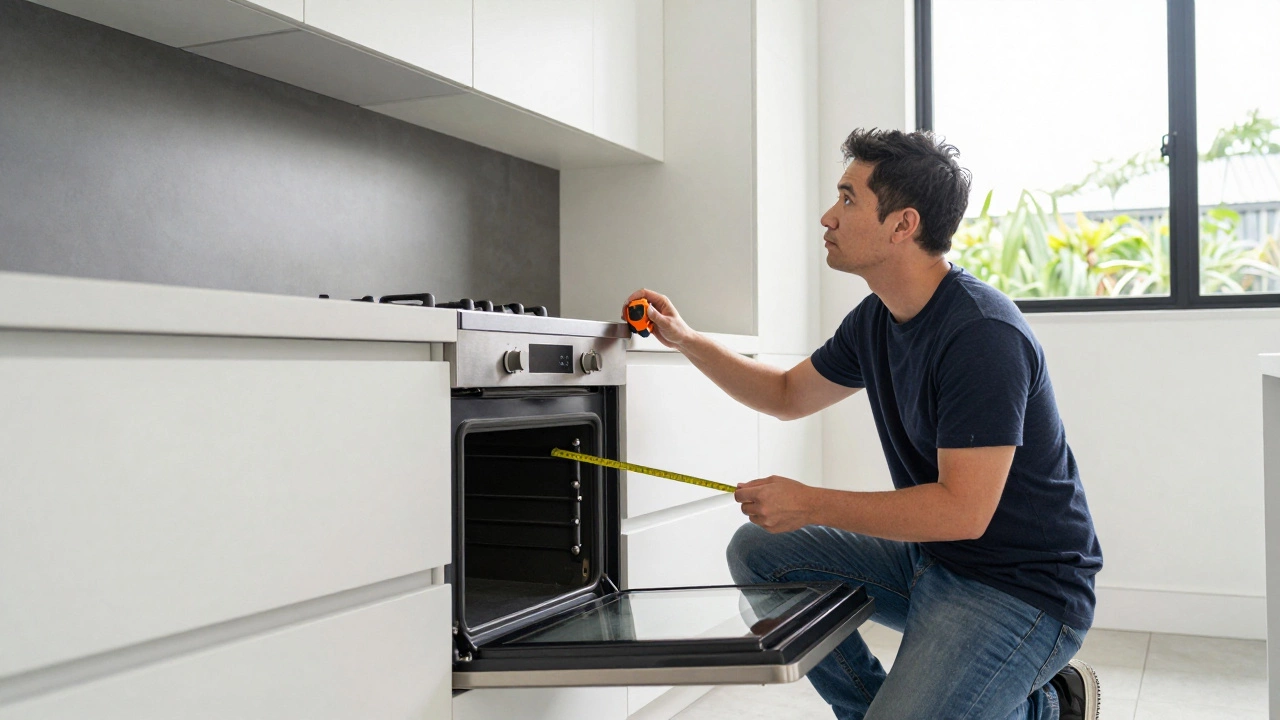
- Measure Twice: Ensure the new oven fits the cutout space. Built-in ovens require precise dimensions. Slide-in models need clearance for ventilation.
- Check Ventilation: Ovens generate heat. Ensure there is adequate airflow around the unit as specified in the manufacturer’s manual. Poor ventilation can lead to overheating and premature failure.
- Gather Tools: For DIY plug-in swaps, you’ll need a screwdriver, voltage tester, and possibly a socket replacement kit. For hardwiring, you’ll need wire strippers, connectors, and junction boxes-but again, leave this to pros.
- Read the Manual: Every oven has specific installation instructions. Some require leveling adjustments, others need special mounting brackets. Ignoring these can cause door misalignment or uneven heating.
FAQ: Common Questions About Oven Replacement
Can I install a hardwired oven myself if I’m handy?
No. Hardwiring involves working with live high-voltage lines and requires specific knowledge of electrical codes. Even if you are mechanically skilled, electrical work carries serious risks of shock and fire. In New Zealand, this is legally restricted to licensed electricians.
How much does it cost to hire an electrician for oven installation?
In Auckland, expect to pay between $150 and $400 for a standard installation. This varies based on complexity, travel fees, and whether new wiring or a socket needs to be installed. Always ask for a quote upfront.
What if my new oven has a different plug type than my old one?
Do not adapt the plug. If the plug types differ, it usually indicates a difference in voltage or amperage requirements. Consult an electrician to install the correct socket or upgrade the circuit to match the new oven’s specifications.
Is it safe to use an extension cord for an electric oven?
Absolutely not. Extension cords are not designed to handle the continuous high load of an oven. They can overheat, melt, and start fires. Always plug ovens directly into a wall outlet rated for the appliance.
Do I need a permit to replace an electric oven in New Zealand?
For simple plug-in replacements, no permit is needed. However, if new wiring, circuits, or hardwiring is involved, an electrician must issue an Electrical Certification form, which may need to be lodged with local authorities depending on the scope of work.
Can I reuse the old oven’s mounting brackets?
It depends on the brand and model. Many manufacturers provide new brackets with the oven. Using old brackets can lead to instability or improper fitting. Check the manual; if unsure, use the new hardware provided.
What should I do if the oven trips the breaker immediately?
Unplug the oven immediately. This could indicate a short circuit in the oven, a fault in the wiring, or an overloaded circuit. Do not attempt to reset the breaker repeatedly. Call an electrician to diagnose the issue safely.
Does replacing an oven increase home value?
A modern, energy-efficient oven can enhance kitchen appeal and functionality, potentially boosting resale value. However, the return on investment is modest compared to full kitchen renovations. Focus on choosing a reliable, neutral-colored model that appeals to broad tastes.
Final Thoughts: Prioritize Safety Over Savings
Replacing an electric oven is a manageable task if you understand your home’s electrical setup. If you have a plug-in system and a compatible socket, you can save money by doing it yourself. But if you’re dealing with hardwiring, circuit upgrades, or uncertainty about your electrical system, hiring a licensed electrician is non-negotiable. Your safety, your home’s integrity, and your legal compliance depend on getting it right the first time.