Water Heater Anode Rod Cost Calculator
Estimated Total Cost
Includes part and standard labor.
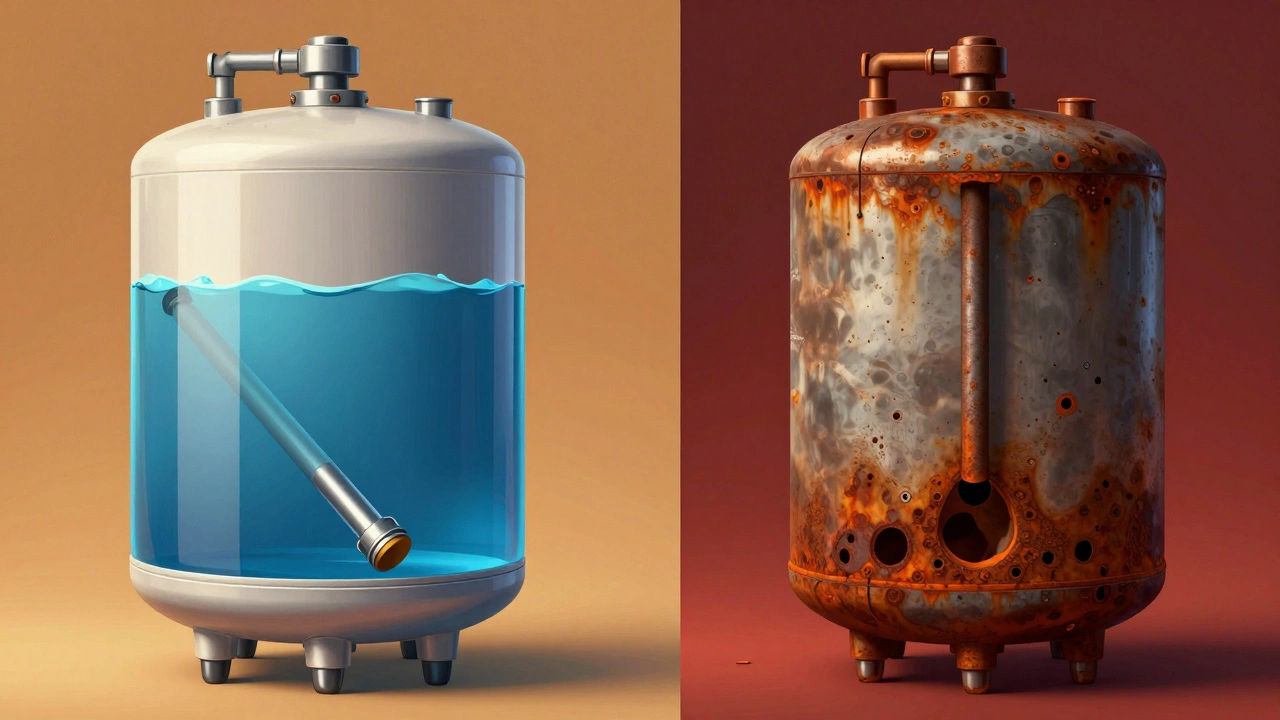
Ignoring your water heater’s internal components is like ignoring the oil in your car. Eventually, something breaks, and the bill is much higher than if you had just maintained it. One of the most critical, yet overlooked parts of a tank-style water heater is the anode rod. This metal stick sits at the bottom of your tank, sacrificing itself to protect the steel tank from rusting away. When it wears out, your tank starts corroding. If you wait too long, you’re not just looking at a simple part swap; you’re looking at a full unit replacement that can cost over $1,500. So, how much does it actually cost to replace this vital component?
Quick Summary: The Bottom Line on Costs
- DIY Replacement: $30 to $80 for the part alone, plus basic tools you likely already own.
- Professional Service Call: $150 to $400 total, depending on your location and labor rates.
- Emergency or Complex Jobs: Can exceed $500 if the rod is seized, the tank is inaccessible, or magnesium upgrades are needed.
- Lifespan Expectation: Most rods last 3-5 years in hard water areas, up to 10 years in soft water regions.
Why You Should Care About the Anode Rod
Before we talk dollars and cents, let’s clarify why this part matters so much. Your water heater tank is made of steel. Steel rusts when exposed to oxygen and water. Manufacturers line the inside with glass enamel to prevent this, but tiny pinholes in that lining are inevitable. Enter the anode rod. It is made of a more reactive metal-usually magnesium or aluminum-that attracts corrosive elements. In chemistry terms, it undergoes oxidation before the tank does. It literally eats the corrosion so your tank doesn’t have to.
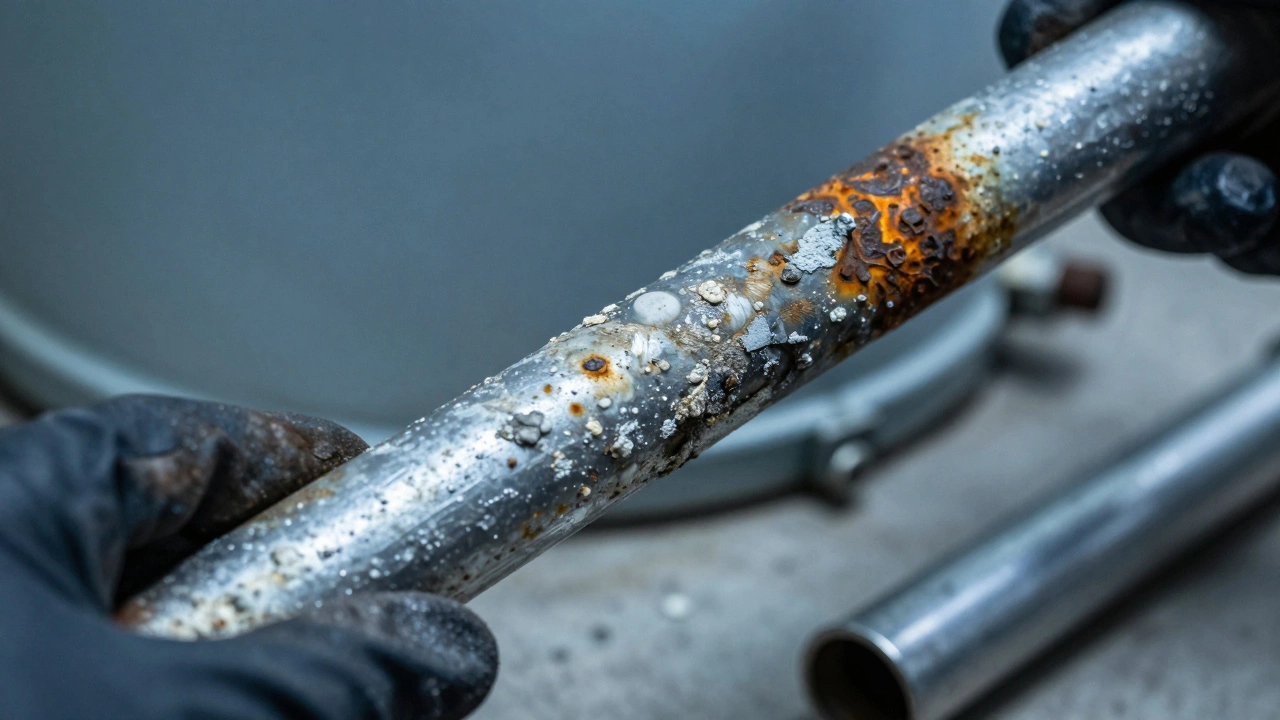
When the rod is fully consumed, the corrosive ions attack the tank directly. Once the tank leaks, there is no repair. You must buy a new water heater. Replacing the rod every few years is the cheapest insurance policy you can buy for your home’s plumbing infrastructure. It extends the life of a $1,200 appliance by potentially doubling its lifespan.
Breakdown of Professional Replacement Costs
If you hire a plumber, you are paying for three things: the part, the labor, and the diagnostic overhead. Here is how those numbers stack up in 2026.
| Service Component | Estimated Cost Range | Notes |
|---|---|---|
| Service Call Fee | $75 - $150 | Often waived if you proceed with the repair. |
| Labor (1 hour) | $80 - $120 | Standard hourly rate for licensed plumbers. |
| Anode Rod Part | $40 - $90 | Depends on material (magnesium vs. aluminum). |
| Total Estimated Job | $150 - $400 | Average national median is around $250. |
Geography plays a huge role here. A plumber in San Francisco or New York City will charge significantly more for labor than one in rural Ohio. Additionally, some companies charge a flat rate for "maintenance visits" rather than hourly labor. Always ask for a quote upfront. If they say "it depends," ask them what the worst-case scenario price is.
DIY Replacement: Is It Worth Saving the Money?
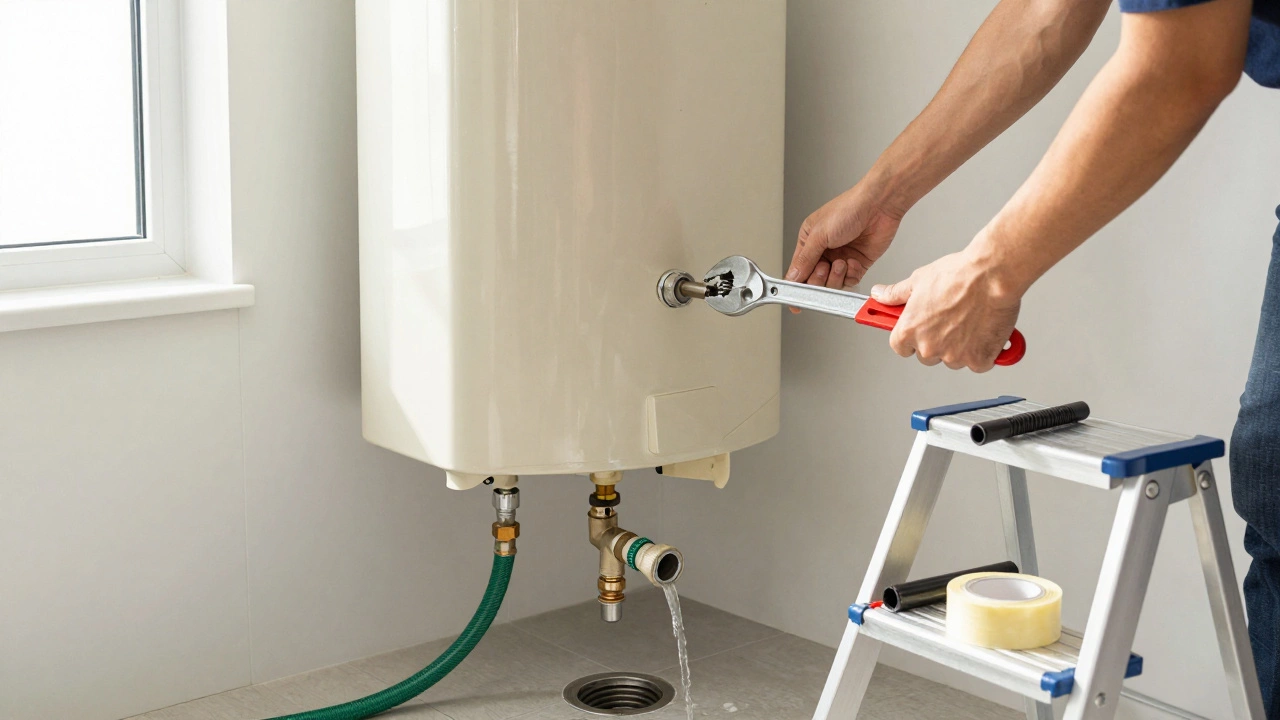
Replacing an anode rod is widely considered one of the easiest DIY tasks for homeowners. You don’t need advanced plumbing skills, just patience and the right wrench. The total cost drops to under $100 because you only pay for the part.
Here is what you need to know before you grab your toolbox:
- Turn Off the Power/Gas: For electric heaters, flip the breaker. For gas, turn the dial to "Pilot."
- Cut the Water Supply: Close the cold water inlet valve.
- Drain the Tank: Attach a garden hose to the drain valve at the bottom and run it to a floor drain or outside. Open the valve and a hot water faucet upstairs to break the vacuum. You need to lower the water level below the anode rod port, which is usually near the top of the tank.
- Remove the Old Rod: Use a large channel-lock pliers or a specialized anode rod wrench. Turn counter-clockwise. Be prepared for resistance; sediment often builds up around the threads.
- Install the New Rod: Wrap the new threads with Teflon tape (clockwise wrap) to ensure a seal. Screw it in hand-tight, then give it a quarter-turn with the wrench. Do not overtighten, or you’ll strip the threads in the tank.
- Refill and Restart: Close the drain valve, open the cold water supply, and let the tank fill completely (open a hot faucet until steady water flows). Then restore power or gas.
The biggest risk in DIY isn’t breaking the tank; it’s getting burned by residual heat or failing to purge air from the system, which causes banging noises later. If you are uncomfortable draining a 40-50 gallon tank, skip the DIY route.
Factors That Drive Up the Price
Not all replacements are created equal. Several variables can turn a simple $200 job into a $500 headache.
Seized or Stripped Threads
If the previous owner never replaced the rod, it may be heavily calcified or fused to the tank due to mineral buildup. Removing it might require penetrating oil, heat, or even cutting the rod off and drilling out the remnants. Plumbers often charge extra for "difficult removal" or "thread repair," which can add $100-$200 to the bill.
Type of Anode Rod
There are different materials available, and they vary in price:
- Magnesium: The standard choice. Highly reactive, great protection, but wears out faster in hard water. Cost: $30-$50.
- Aluminum: Less reactive, lasts longer, better for soft water. Cost: $40-$60.
- Hybrid (Magnesium-Aluminum): Offers a balance of protection and longevity. Cost: $50-$80.
- Powered (Electric) Anodes: These use a small electrical current to protect the tank. They last decades but require wiring. Cost: $100-$200 plus installation labor.
Accessibility Issues
If your water heater is tucked into a tight closet, behind cabinets, or located in a finished basement with low ceilings, the job takes longer. Plumbers factor in time for setup and cleanup. Some may charge a "confined space" fee.
When to Skip the Replacement
Sometimes, replacing the anode rod is a waste of money. If your water heater is older than 12-15 years, the tank itself may already be compromised. A plumber might inspect the rod, see it’s gone, but also notice discoloration on the dip tube or signs of micro-leaks. In these cases, they will recommend a full replacement.
Ask your technician to check the tank’s condition while they are there. If the tank is still solid, replace the rod. If the tank shows signs of fatigue, budget for a new unit instead of patching an old one.
Signs Your Anode Rod Needs Attention
You can’t see the rod without opening the tank, but there are clues it’s dying:
- Rusty Water: If your hot water looks brownish, the tank might be starting to corrode.
- Strange Odors: A rotten egg smell can indicate bacterial growth feeding on a depleted magnesium rod. Aluminum rods tend to resist this odor better.
- Noises: Popping or rumbling sounds suggest sediment buildup, which accelerates rod consumption.
- Age: If it has been more than 5 years since the last replacement, assume it’s done.
Pro Tips for Maximizing Value
To get the most out of your investment, consider these strategies:
Upgrade to Aluminum if You Have Soft Water: Municipal water treatment varies wildly. If you live in an area with soft water, magnesium rods dissolve too quickly. Switching to aluminum can double the interval between replacements.
Check During Other Repairs: If you are having a plumber fix a leaking valve or replace a thermostat, ask them to pull the anode rod while they are already drained and disconnected. You save on the second service call fee.
Keep Records: Write down the date of replacement on the side of the water heater with a permanent marker. This helps future owners or technicians know the maintenance history.
Frequently Asked Questions
How often should I replace my water heater anode rod?
Generally, you should inspect and replace the anode rod every 3 to 5 years. However, this depends heavily on your water quality. In areas with hard water (high mineral content), the rod corrodes faster and may need annual checks. In soft water areas, it can last up to 10 years. The best approach is to have a professional inspect it during routine maintenance every other year.
Can I replace the anode rod myself?
Yes, replacing an anode rod is a common DIY project. It requires turning off the power/gas, shutting off the water supply, draining the tank partially, and using a wrench to unscrew the old rod and screw in the new one. If you are comfortable with basic plumbing tasks and have the physical strength to handle a heavy wrench in a tight space, you can save $150-$300 by doing it yourself.
What happens if I don't replace the anode rod?
If the anode rod is fully consumed, the corrosive elements in the water will begin attacking the steel tank itself. This leads to pinhole leaks, rust-colored water, and eventually catastrophic tank failure. Replacing a $50 rod prevents a $1,500+ water heater replacement and potential water damage to your home.
Is an aluminum anode rod better than magnesium?
It depends on your water type. Magnesium is more reactive and provides superior protection for tanks in hard water areas, but it depletes faster. Aluminum is less reactive, lasts longer, and is better suited for soft water. Aluminum also tends to produce less sulfur odor (rotten egg smell) compared to magnesium. Many modern installers prefer hybrid rods that combine both metals for balanced performance.
Does replacing the anode rod extend the life of my water heater?
Absolutely. The anode rod is the primary defense against tank corrosion. Regularly replacing it can easily double the lifespan of your water heater. While a typical tank lasts 8-12 years, diligent anode rod maintenance can push that to 15-20 years, saving you significant money in the long run.