Water Heater Lifespan & Maintenance Calculator
Estimate the remaining life of your water heater and calculate potential energy savings from an upgrade.
You turn on the shower, expecting warm water. Instead, you get a lukewarm trickle, or worse, no hot water at all. You glance at the unit in your garage or basement and wonder: this thing has been running for decades. Is it possible that my hot water heater is a household appliance designed to heat and store water for domestic use actually still going strong after thirty years?
The short answer is yes, but it’s the exception, not the rule. Most standard tank-style units are built to last between ten and fifteen years. Hitting the twenty-year mark is impressive; reaching thirty is rare territory. When you see a unit that old still functioning, you aren’t just looking at luck-you’re looking at specific conditions, regular maintenance, and likely a bit of engineering heritage. Understanding why some heaters survive while others fail early can save you thousands in emergency repairs and prevent catastrophic flooding.
If you are dealing with aging appliances or need reliable service contacts, checking resources like this directory might offer unexpected connections, though for plumbing emergencies, sticking to certified local technicians remains the safest bet.
Why Most Tank Heaters Die Young
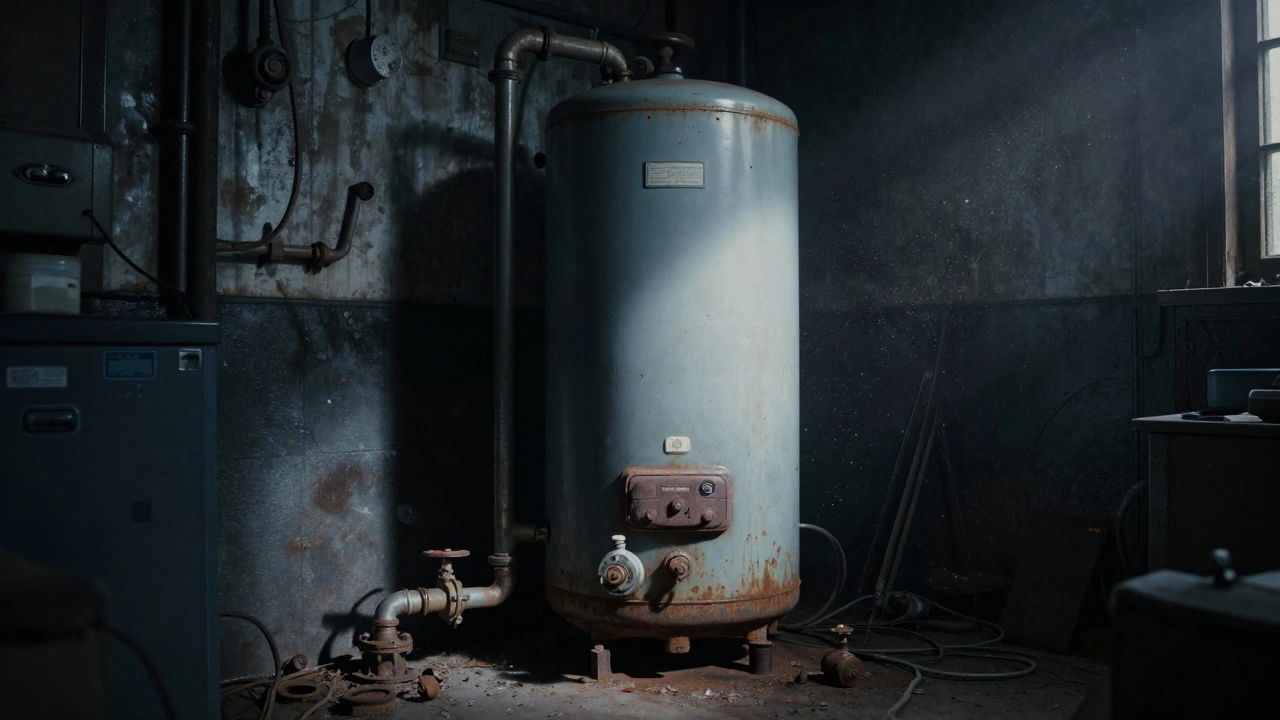
To understand how a heater lasts thirty years, we first need to look at why most don’t make it past fifteen. The enemy of the storage tank is corrosion. Inside that steel vessel, water sits constantly. Even with protective coatings, the combination of heat, oxygen, and minerals creates a perfect storm for rust.
Manufacturers design these tanks to withstand pressure and temperature fluctuations, but they do not design them to be immortal. The glass lining inside the tank prevents the steel from touching the water directly. Over time, hairline cracks form in this lining. Once water touches bare steel, rust spreads quickly. This process is accelerated by:
- Hard water: High mineral content leads to sediment buildup, which traps heat against the bottom of the tank, causing localized overheating and cracking.
- Lack of flushing: Sediment acts as an insulator, forcing the burner or element to work harder, wasting energy and stressing the tank walls.
- Sacrificial anode neglect: Every tank has a magnesium or aluminum rod meant to corrode instead of the tank. If this rod isn’t replaced every three to five years, the tank itself becomes the sacrifice.
When any of these factors go unchecked, the structural integrity of the tank fails. A leak usually starts small-a drip under the drain valve-but can escalate to a burst tank within days. At thirty years old, a tank is essentially a ticking time bomb if it hasn’t already failed.
The Exceptions: What Allows a 30-Year Run?
So, how do some units defy the odds? There are three main scenarios where a thirty-year lifespan becomes plausible.
1. The “Tankless” Misconception
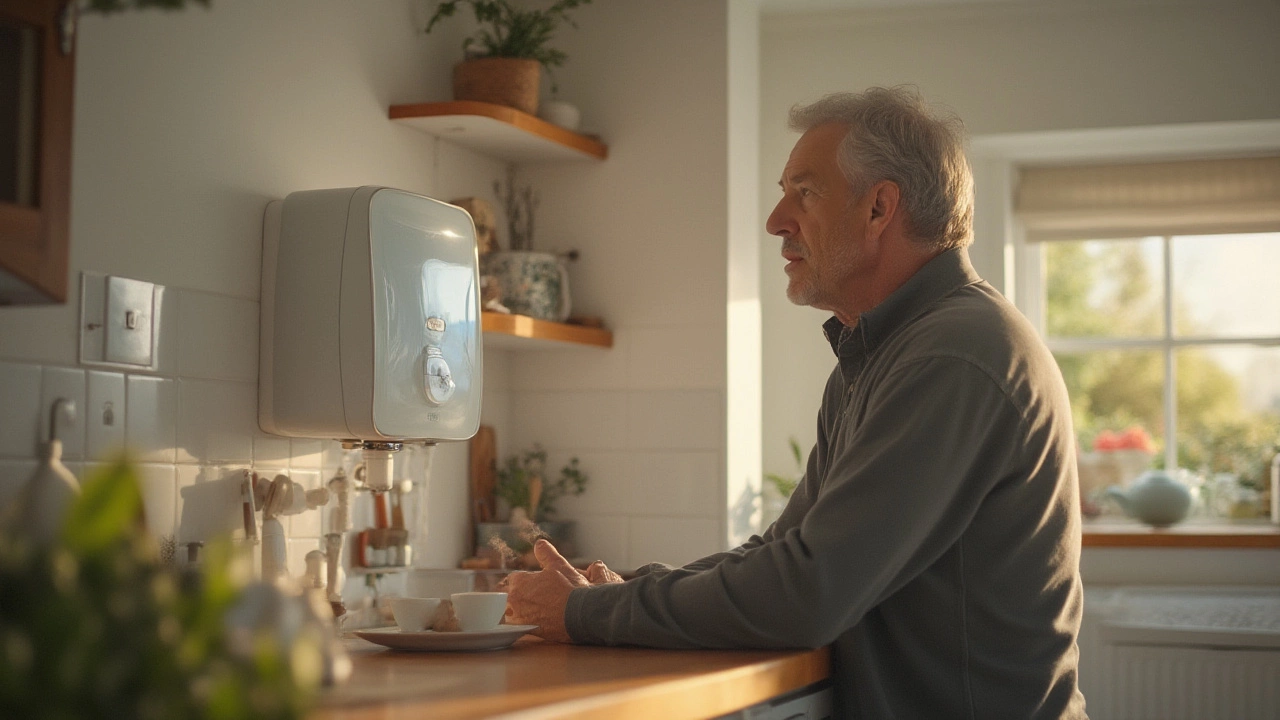
Many homeowners assume their unit is a traditional tank when it’s actually a tankless water heater is an on-demand system that heats water only when needed without storing it. These units, especially gas-fired ones installed in the late 1990s or early 2000s, often have lifespans of twenty to thirty years because there is no large reservoir of stagnant water to corrode. They lack the massive steel tank that typically fails. If your house has a wall-mounted unit rather than a floor-standing cylinder, you might be closer to that thirty-year mark.
2. Impeccable Maintenance History
Some owners treat their water heater like a car engine. They flush the tank annually to remove sediment. They test the Temperature and Pressure (T&P) relief valve yearly. They replace the anode rod before it’s fully depleted. This proactive approach drastically slows down internal corrosion. A well-maintained high-quality brand like Rheem, A.O. Smith, or Bradford White can stretch toward twenty-five years, and occasionally hit thirty if the water quality is soft.
3. Soft Water Environments
Location matters. In areas with naturally soft water (low mineral content), there is less sediment buildup and less aggressive scaling on heating elements. The corrosive forces are weaker. If you live in a region with soft water and have had a professionally serviced unit since installation, a thirty-year run is statistically possible, though still uncommon.
Signs Your Old Heater Is About to Quit
If your unit is anywhere near twenty years old, you should be watching for these warning signs. Ignoring them doesn’t extend life; it increases the risk of property damage.
- Rusty Water: If turning on the hot water tap yields brownish water, the interior tank is likely rusting through. Flushing won’t fix this.
- Noise: Popping, rumbling, or banging sounds indicate heavy sediment buildup. The water trapped under the sediment boils and explodes, creating noise and stress on the tank seams.
- Inconsistent Temperatures: If the water fluctuates wildly or takes forever to heat, the heating elements or burners are failing, or sediment is blocking heat transfer.
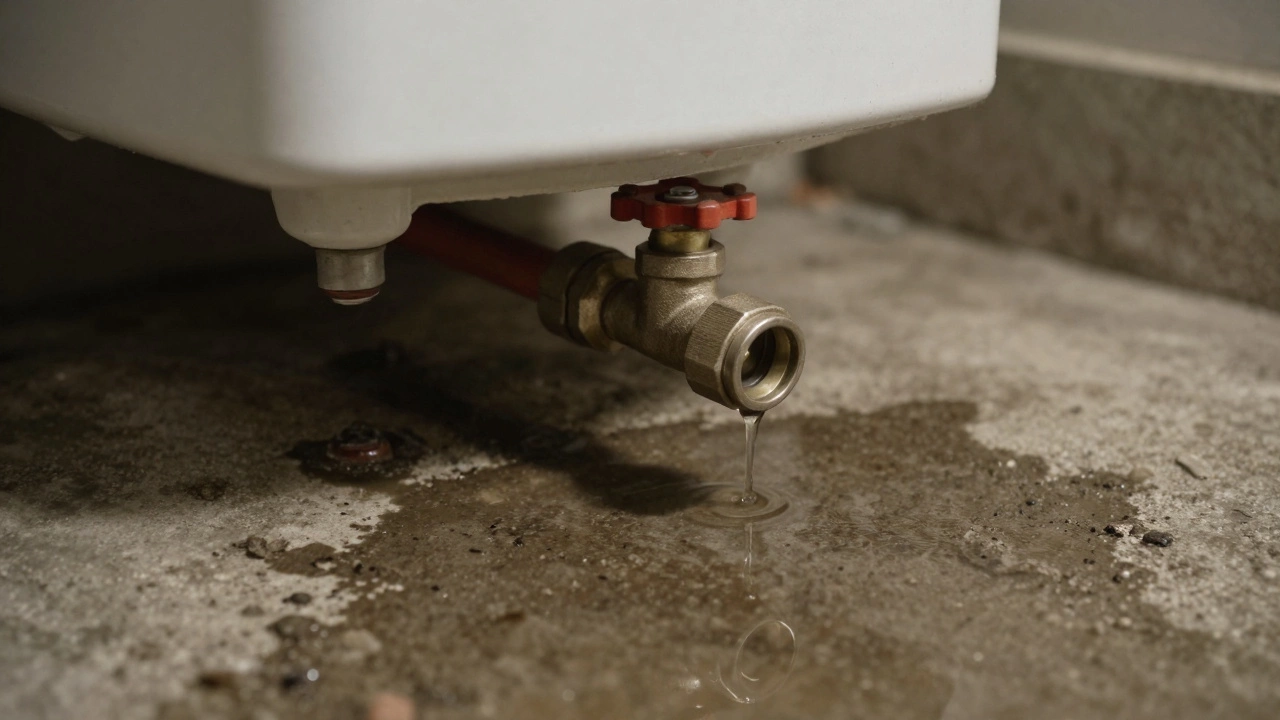
- Moisture Around the Base: Even a small puddle suggests a leak. In an old unit, this is rarely a loose pipe-it’s usually the tank itself.
- Age: If the serial number indicates the unit is over fifteen years old, it’s past its prime. Efficiency drops significantly, costing you more in energy bills.
Tank vs. Tankless: Longevity Comparison
| Feature | Traditional Tank Heater | Tankless (On-Demand) | Heat Pump Water Heater |
|---|---|---|---|
| Average Lifespan | 10-15 years | 20-30 years | 10-15 years |
| Primary Failure Point | Tank corrosion/rust | Heat exchanger scale | Compressor failure |
| Maintenance Needs | Annual flush, anode check | Descaling every 1-2 years | Filter cleaning, refrigerant check |
| Energy Efficiency | Lower (standby loss) | Higher (no standby loss) | Highest (heat extraction) |
| Upfront Cost | $800-$1,500 | $1,500-$3,500 | $1,500-$3,000 |
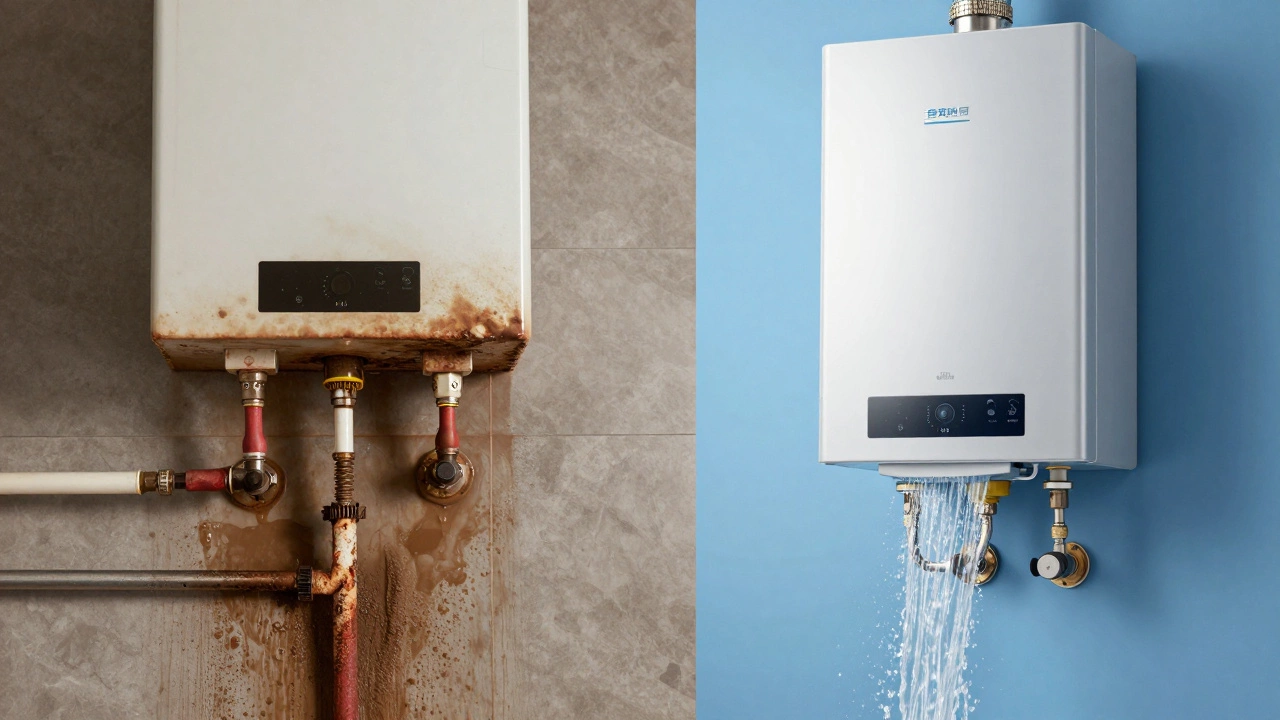
As the table shows, if longevity is your primary goal, tankless systems win. However, they require different maintenance. Hard water users must install water softeners or descale regularly, or the heat exchanger will clog and fail prematurely. For a thirty-year horizon, a tankless unit with proper care is your best bet.
Should You Replace a 30-Year-Old Unit?
If you somehow have a functioning thirty-year-old heater, here is the hard truth: you should plan to replace it immediately. Not because it’s broken today, but because it could burst tomorrow. The cost of replacing a tank ($1,500 average) is far less than the cost of repairing flood damage to your home’s foundation, floors, and belongings ($10,000+).
Furthermore, efficiency standards have changed dramatically. A thirty-year-old gas heater might only be 60% efficient. Modern condensing units reach 90-95% efficiency. You are likely paying double what you should for energy. Upgrading also improves safety, as older units may lack modern venting standards or carbon monoxide safeguards.
Extending Life: Practical Maintenance Steps
Want to push your current unit toward its maximum potential? Follow these steps:
- Flush Annually: Connect a hose to the drain valve and let it run until the water runs clear. This removes sediment that causes overheating.
- Check the Anode Rod: Hire a plumber to inspect the sacrificial anode every three years. Replace it if more than 50% is consumed.
- Test the T&P Valve: Lift the lever on the Temperature and Pressure relief valve once a year to ensure it opens and closes properly. This prevents explosive pressure buildup.
- Insulate the Tank: If your tank is older, it may lack insulation. Adding a blanket reduces standby heat loss, reducing cycling frequency and wear.
- Monitor Water Temperature: Keep the thermostat at 120°F (49°C). Higher temperatures accelerate corrosion and increase scalding risk.
Conclusion: Planning for the Future
While a thirty-year lifespan is technically possible, it is not a reliable expectation. Most homeowners should plan for replacement around the twelve-to-fifteen-year mark. By understanding the mechanics of failure-corrosion, sediment, and pressure-you can make informed decisions about maintenance and upgrades. Don’t wait for a leak to force your hand. Proactive replacement saves money, energy, and peace of mind.
What is the average lifespan of a gas water heater?
The average lifespan of a gas water heater is 8 to 12 years. With excellent maintenance and soft water, some units may last up to 15 years, but beyond that, the risk of tank failure increases significantly.
How long do electric water heaters last compared to gas?
Electric water heaters typically last 10 to 15 years. They often outlast gas models slightly because they operate at lower temperatures and have fewer combustion-related components that can fail.
Is it worth repairing a 20-year-old water heater?
Generally, no. At 20 years old, the tank is likely corroded internally. Replacing parts like thermostats or valves is a temporary fix. The tank itself will eventually fail, so replacement is the safer and more cost-effective choice.
What causes a water heater to leak from the top?
Leaks from the top usually indicate issues with the inlet/outlet pipes, the temperature and pressure relief valve, or loose fittings. While serious, this is often repairable unlike leaks from the bottom of the tank, which signal internal corrosion.
How does hard water affect water heater lifespan?
Hard water accelerates sediment buildup, which insulates the tank bottom, causes overheating, and cracks the glass lining. It also scales heating elements, reducing efficiency and increasing energy costs. Regular flushing or a water softener is essential in hard water areas.