New Boiler Cost Estimator (2026)
Configure Your Setup
Estimated Quote Breakdown
Select your options and click calculate to see the estimated range for your project.
Winter is coming to Auckland, and if your old boiler is making strange noises or failing to keep the house warm, you are probably staring at a big decision. You need a new one, but the quotes you get can vary wildly. One technician says $3,500, another says $8,000. Which one is right? The short answer is that a standard new boiler cost for an average home in New Zealand typically lands between $4,500 and $7,500 including installation. But that number changes fast depending on the type of unit, your fuel source, and the complexity of your current setup.
Buying a boiler isn't like picking up a toaster from the supermarket. It is a major investment in your home's comfort and energy bills. Getting the price wrong can lead to overpaying for features you don't need or underestimating the labor required to fit it into your existing system. Let’s break down exactly where that money goes, what types of boilers make sense for Kiwi homes, and how to avoid getting ripped off during the installation process.
Understanding the Base Price: Unit vs. Installation
The first thing to understand is that the price tag you see online for a "boiler" usually only covers the metal box itself. It does not include the plumber, the engineer, the gas work certificates, or the materials needed to connect it to your pipes. In the industry, we split this into two buckets: supply and fit.
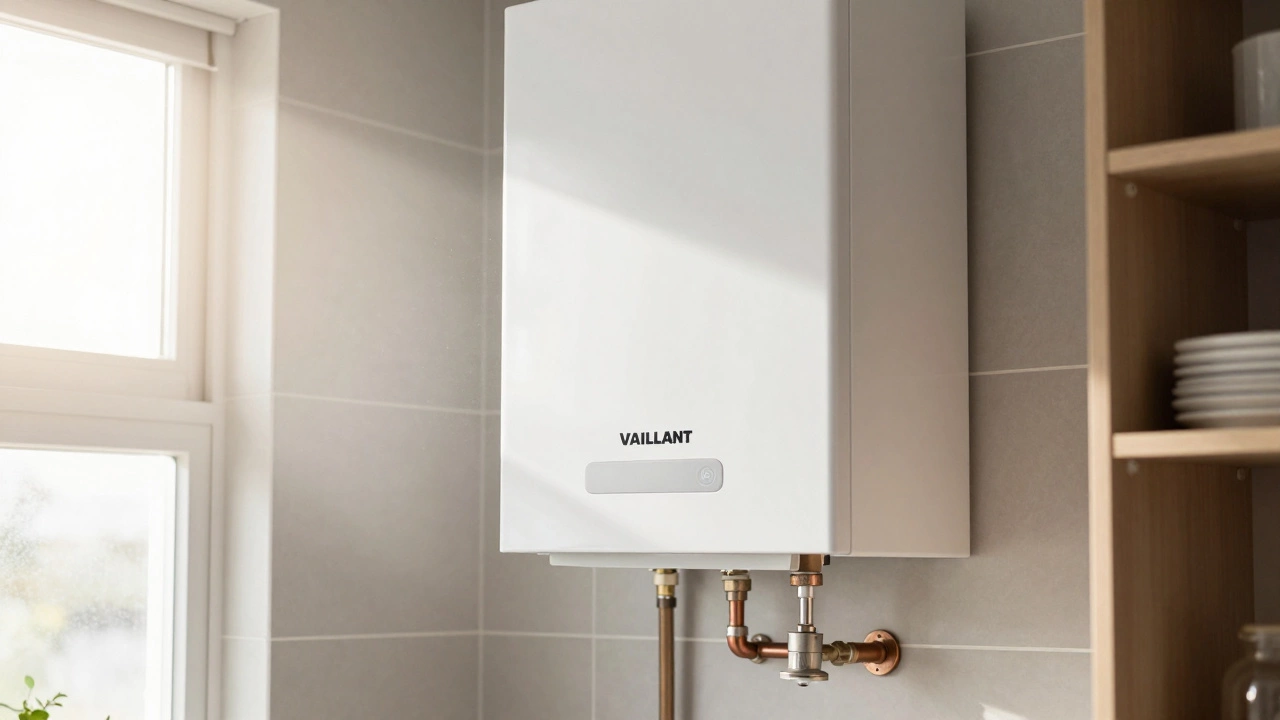
A standalone boiler unit can range from $1,500 for a basic combi model to over $4,000 for high-efficiency premium brands like Vaillant, Worcester Bosch, or Viessmann. However, installation is where the real variance happens. A straightforward "like-for-like" swap-where the new boiler goes in the exact same spot as the old one with minimal pipe rerouting-might cost $1,500 to $2,500 for labor. If you are moving the boiler to a different room, upgrading your flue, or installing a new cylinder, that labor bill can easily double.
Here is a rough breakdown of what influences the final invoice:
- The Unit: 30-50% of the total cost.
- Labor & Fitting: 30-40% of the total cost.
- Materials (pipes, valves, manifolds): 10-15% of the total cost.
- System Upgrades (power flush, new pump): 10-20% extra if needed.
If a quote seems too low, ask yourself: is it just the unit? Or is it a full turnkey solution? Always demand a fixed-price quote that includes all parts, labor, and waste removal.
Types of Boilers and Their Price Points
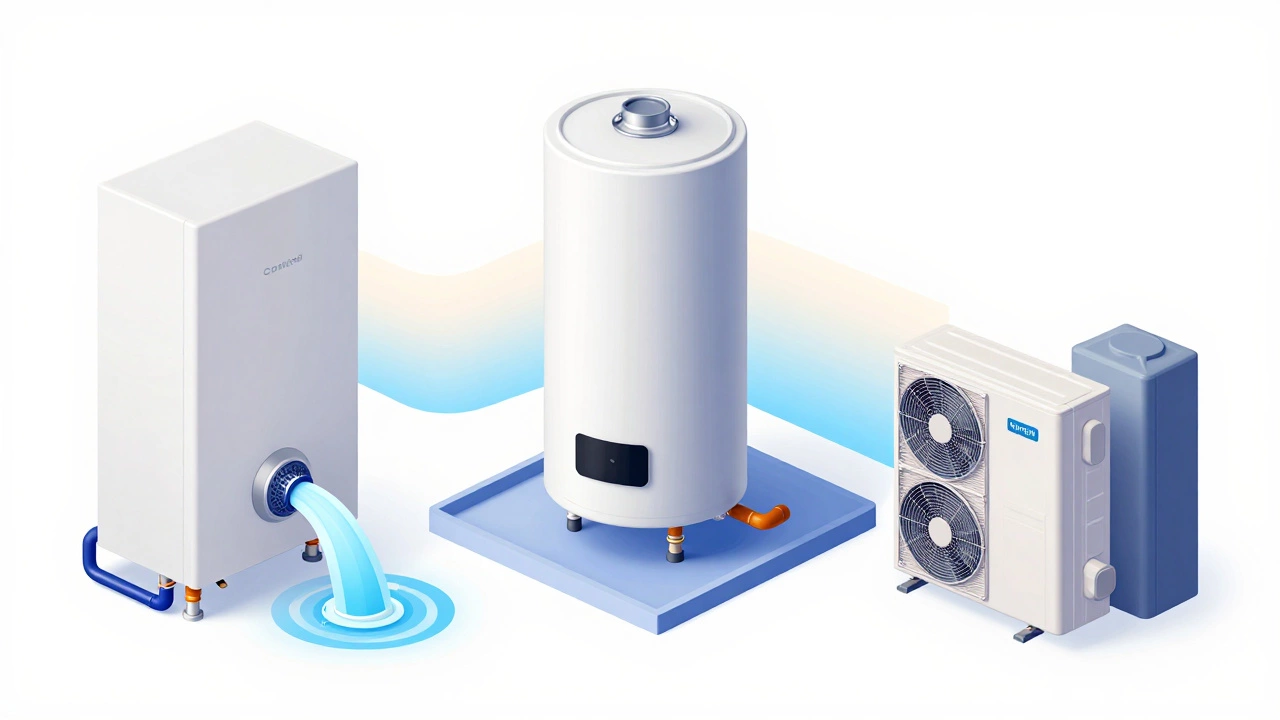
Not all boilers are created equal, and choosing the wrong type can save you money upfront but cost you dearly in monthly gas bills. In New Zealand, we primarily deal with three main configurations. Your choice depends heavily on whether you have radiators, hot water tanks, or both.
| Boiler Type | Best For | Unit Cost Estimate | Installation Complexity |
|---|---|---|---|
| Combi Boiler | Singles, couples, small families with one bathroom. No hot water tank. | $1,800 - $3,000 | Low to Medium |
| System Boiler | Homes with a hot water cylinder (unvented). Good for multiple bathrooms. | $2,000 - $3,500 | Medium |
| Regular (Conventional) Boiler | Older homes with existing loft tanks and cold water feeds. | $1,500 - $2,800 | High (if retaining old tank) |
A Combi boiler heats water on demand directly from the mains. This means you get endless hot water without needing a storage tank, saving space in the cupboard or loft. They are the most popular choice for modern Auckland apartments and smaller houses because they are compact and efficient. However, if you have two bathrooms and someone takes a shower while you are washing dishes, the pressure might drop.
A System boiler works with a separate hot water cylinder. It stores hot water, so you can run multiple taps and showers at once without pressure issues. This is ideal for larger family homes. The downside is the space required for the cylinder and the slight delay in getting hot water compared to a combi.
Regular boilers are becoming rare in new installations. They require a cold water feed tank in the loft and an expansion vessel. Unless you are renovating a heritage home with original plumbing, you will likely be advised to upgrade to a combi or system boiler instead.
Fuel Source Matters: Gas, Oil, or Heat Pump?
In Auckland, most homes run on natural gas. It is relatively cheap and widely available. However, if you live in a rural area or a part of the city not connected to the grid, you might be looking at oil or electric options. The fuel source drastically changes the equipment cost.
Natural Gas Boilers: These are the standard. Prices quoted above apply here. They are reliable and have a vast network of certified engineers.
Oil-Fired Boilers: If you are on oil, expect to pay 10-20% more than gas equivalents. Oil prices fluctuate more wildly, and the infrastructure (tanks, filters) requires more maintenance. Brands like Grant or Alpha are common here.
Hybrid Heat Pumps: This is the trend for 2026. With New Zealand pushing for decarbonization, many homeowners are pairing a smaller gas boiler with an air-source heat pump. The heat pump handles the bulk of the heating load efficiently using electricity, while the gas boiler kicks in during the coldest snaps or for instant hot water. A hybrid system can cost $8,000 to $12,000 installed, but it future-proofs your home against rising carbon taxes and potential gas shortages.
Hidden Costs That Blow Up Your Budget
You’ve seen the base price. Now let’s talk about the things that aren’t always in the brochure. These are the line items that turn a $4,000 job into a $6,000 surprise.
- Power Flushing: If you are keeping your existing radiators, the system likely has sludge, rust, and magnetite buildup. Installing a brand-new, high-efficiency boiler onto a dirty system is a recipe for failure. The boiler will overheat and break down within months. A power flush cleans the pipes and costs around $300-$500. Do not skip this.
- Magnetic Filter: This is a small device installed on the return pipe to catch debris before it enters the boiler. It costs about $100-$150 but extends the life of your boiler significantly. Most good engineers will insist on fitting one.
- Flue Modifications: If your old boiler had a straight-through flue and the new one needs a longer route due to building regulations or aesthetics, you pay for extra flue pipes and labor. Complex roof work adds cost.
- New Pipework: Old copper pipes might be corroded. If your engineer recommends replacing the primary flow and return pipes, budget an extra $500-$1,000.
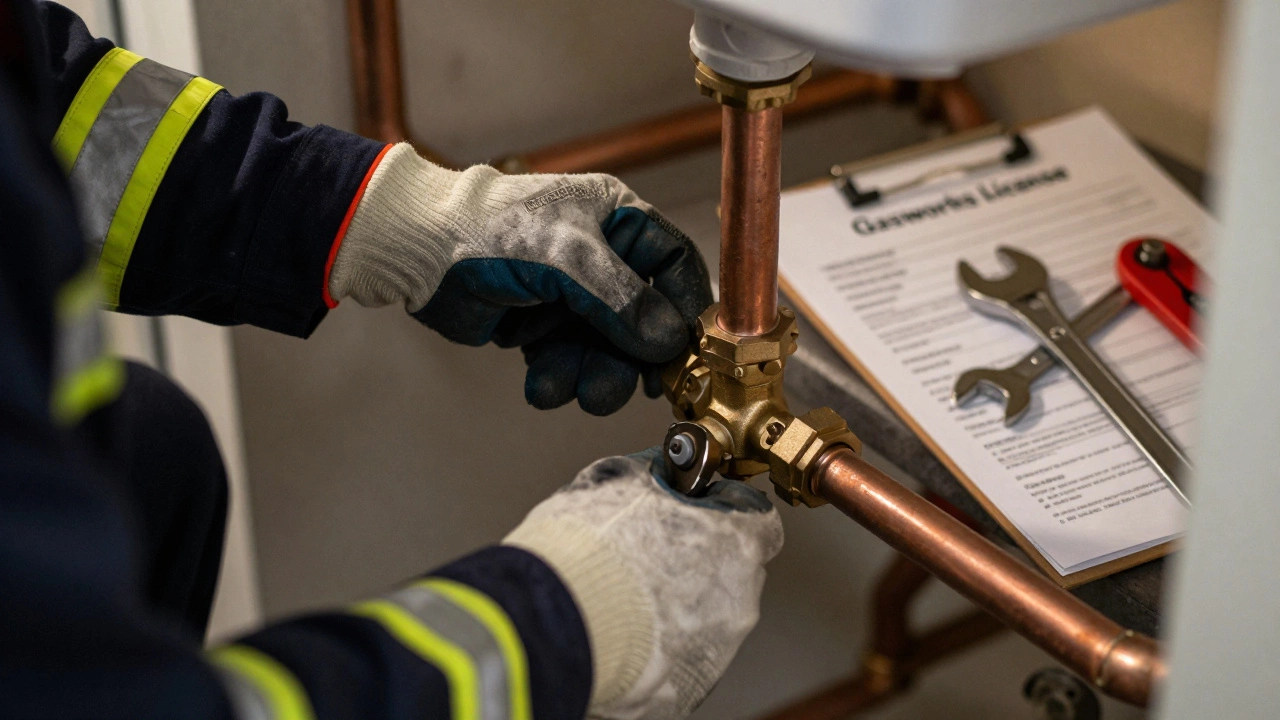
- Gas Work Certificates: In New Zealand, all gas work must be certified by a licensed gasfitter. Ensure this fee is included. It is non-negotiable for safety and insurance purposes.
When Does Replacement Make Financial Sense?
Just because a boiler is broken doesn't mean you should replace it. If your unit is less than 10 years old, repair is often cheaper. A new heat exchanger might cost $800, whereas a new boiler is $5,000. But age isn't the only factor. Look at efficiency.
Boilers manufactured before 2005 are rarely condensing. Condensing technology captures waste heat from exhaust gases to pre-heat the incoming water, boosting efficiency to over 90%. Older non-condensing units might only hit 60-70%. If you are paying for 30% of your gas to go up the chimney, switching to a modern condensing boiler pays for itself in 3-5 years through lower energy bills, especially with Auckland's rising power and gas rates.
Ask yourself these questions:
- Is the boiler breaking down more than once a year?
- Are your energy bills higher than neighbors with similar homes?
- Does the boiler take a long time to heat up the house?
- Is the unit noisy or leaking?
If you answered yes to two or more, replacement is likely the smarter financial move.
Choosing the Right Installer in Auckland
The boiler is only as good as the person who fits it. A poorly installed £3,000 boiler will perform worse than a well-installed £2,000 unit. Here is how to vet your contractor:
First, check their credentials. They must hold a current Gasworks License from WorkSafe NZ. Ask to see it. Second, look for manufacturer accreditation. Brands like Vaillant or Worcester Bosch have "Master Engineer" schemes. These technicians undergo rigorous training and can offer extended warranties (up to 12 years) that standard installers cannot provide. An extended warranty can save you thousands if the board fails in year eight.
Get three quotes. Compare them line-by-line. If one is significantly cheaper, ask why. Are they using inferior parts? Are they cutting corners on the power flush? Be wary of cash-in-hand offers. You need a paper trail for warranty claims and insurance.
Warranties and Long-Term Care
Most new boilers come with a standard 2-year warranty. To extend this to 5, 7, or even 12 years, you usually need to sign up for an annual service plan. This costs around $150-$250 per year. Is it worth it? Absolutely. The service ensures the burner is clean, the gas pressure is correct, and safety devices are working. More importantly, skipping annual services voids most extended warranties. Think of it as car maintenance-you wouldn't drive 100,000 kilometers without an oil change.
In summary, budget between $4,500 and $7,500 for a quality installation. Prioritize efficiency and installer reputation over the lowest upfront price. Your boiler runs for 15 years; choose wisely now to sleep warmly tonight.
What is the cheapest way to replace a boiler?
The cheapest option is a "like-for-like" swap of a mid-range combi boiler in the same location. Avoid moving the unit, changing the fuel type, or upgrading radiators. Choose a reliable brand like Ideal or Baxi rather than premium luxury models, and ensure the installer includes a power flush to prevent early failure.
Can I install a boiler myself to save money?
No. In New Zealand, it is illegal for unlicensed individuals to install or modify gas appliances. You must hire a licensed gasfitter. Attempting DIY gas work is extremely dangerous, risks carbon monoxide poisoning, and will invalidate your home insurance.
How long does boiler installation take?
A straightforward swap takes 1 day. If you are changing the boiler type (e.g., from regular to combi), removing old tanks, or adding new pipework, it may take 2 to 3 days. Complex projects involving structural changes or hybrid heat pumps can take up to a week.
Do I need a new boiler if my current one still works?
If your boiler is over 10 years old, it is likely inefficient. Even if it works, it may be costing you 20-30% more in gas bills than a modern condensing unit. Consider replacement if repairs are frequent or if you want to reduce your carbon footprint.
What is the difference between a combi and system boiler?
A combi boiler heats water instantly from the mains, requiring no storage tank. It is best for small homes with one bathroom. A system boiler uses a separate hot water cylinder to store heated water, providing better flow rates for multiple bathrooms but taking up more space.