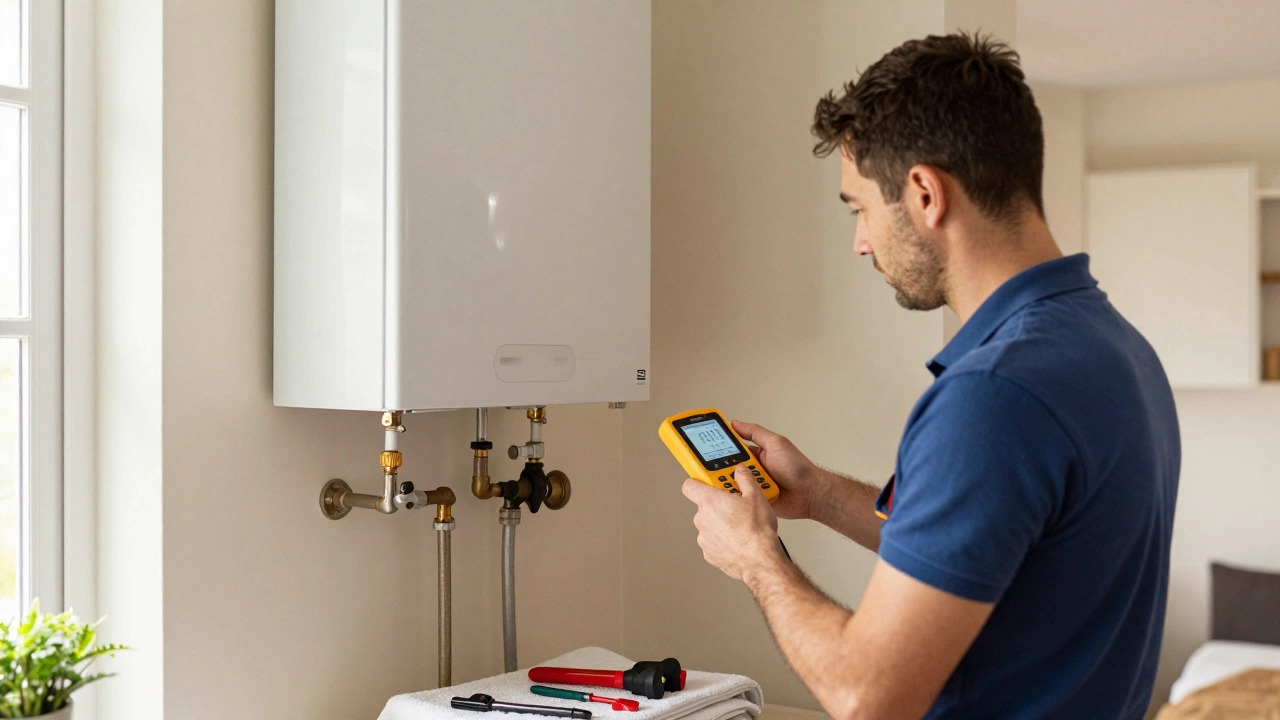
Boiler Service Cost Estimator
Most homeowners don’t think about their boiler until it stops working. By then, it’s too late. A boiler that’s been ignored for years can fail in the middle of winter, leaving you with no heat, no hot water, and a repair bill that could’ve been avoided. The good news? Regular servicing fixes most of these problems before they start. So how often does a boiler need to be serviced? The answer is simple: once a year.
Why Annual Servicing Isn’t Optional
Boilers are complex machines. They burn gas or oil, circulate hot water through pipes, and handle high pressure. Over time, dust, rust, and tiny leaks build up. A small issue-like a worn seal or a dirty burner-can turn into a big one fast. That’s why manufacturers and safety agencies insist on yearly checks.
In the UK, Gas Safe Register requires all gas boilers to be serviced annually by a registered engineer. In the US, while there’s no federal law, the Department of Energy and HVAC professionals strongly recommend it. Skipping a year doesn’t mean your boiler will explode. But it does mean you’re gambling with safety, efficiency, and your warranty.
Think of it like an oil change for your car. You wouldn’t wait 18 months just because the car still runs. Same with your boiler. It’s not about fixing something broken-it’s about preventing it from breaking.
What Happens During a Boiler Service?
A professional boiler service isn’t just a quick glance. It’s a full diagnostic. Here’s what a qualified engineer checks:
- Gas pressure and flow rates
- Flue and ventilation for blockages or leaks
- Burner condition and combustion efficiency
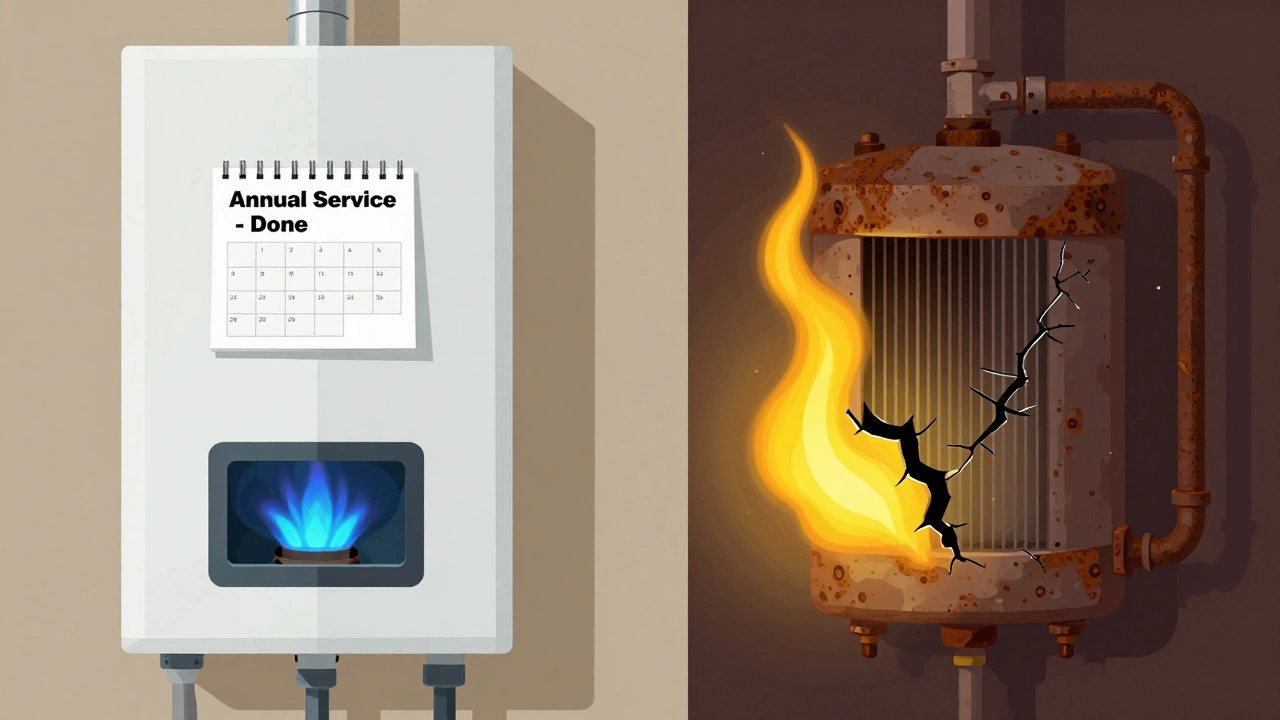
- Heat exchanger for cracks or corrosion
- Pump and pressure valve operation
- Thermostat and controls accuracy
- Leaks in pipes or joints
- Carbon monoxide levels in the room
They’ll also clean out debris, lubricate moving parts, and test safety features like the flame failure device. If they find something minor-like a loose wire or a dirty filter-they fix it on the spot. That’s the whole point: catch it early.
Some engineers offer a written report after the service. Keep it. It’s proof you’re staying on top of maintenance, especially if you ever sell your home.
What If You Skip a Service?
Skipping a service might seem harmless. But the consequences add up:
- Higher bills: A dirty boiler works harder. That means more fuel burned. You could be paying 15-20% more on your energy bill.
- Shorter lifespan: A well-serviced boiler lasts 10-15 years. One that’s neglected? Maybe 7. Replacing it early costs thousands.
- Warranty void: Most boiler warranties require annual servicing. Skip it, and you’re on your own if something breaks.
- Carbon monoxide risk: A faulty boiler can leak this odorless, deadly gas. Annual checks include CO testing-something you can’t do yourself.
- Emergency calls: Winter breakdowns cost more. Emergency repairs can be 2-3x the price of a scheduled service.
One homeowner in Manchester saved £2,300 by catching a cracked heat exchanger during a routine service. The same issue, left unchecked, would’ve led to a full boiler replacement two months later.
When Should You Book Your Service?
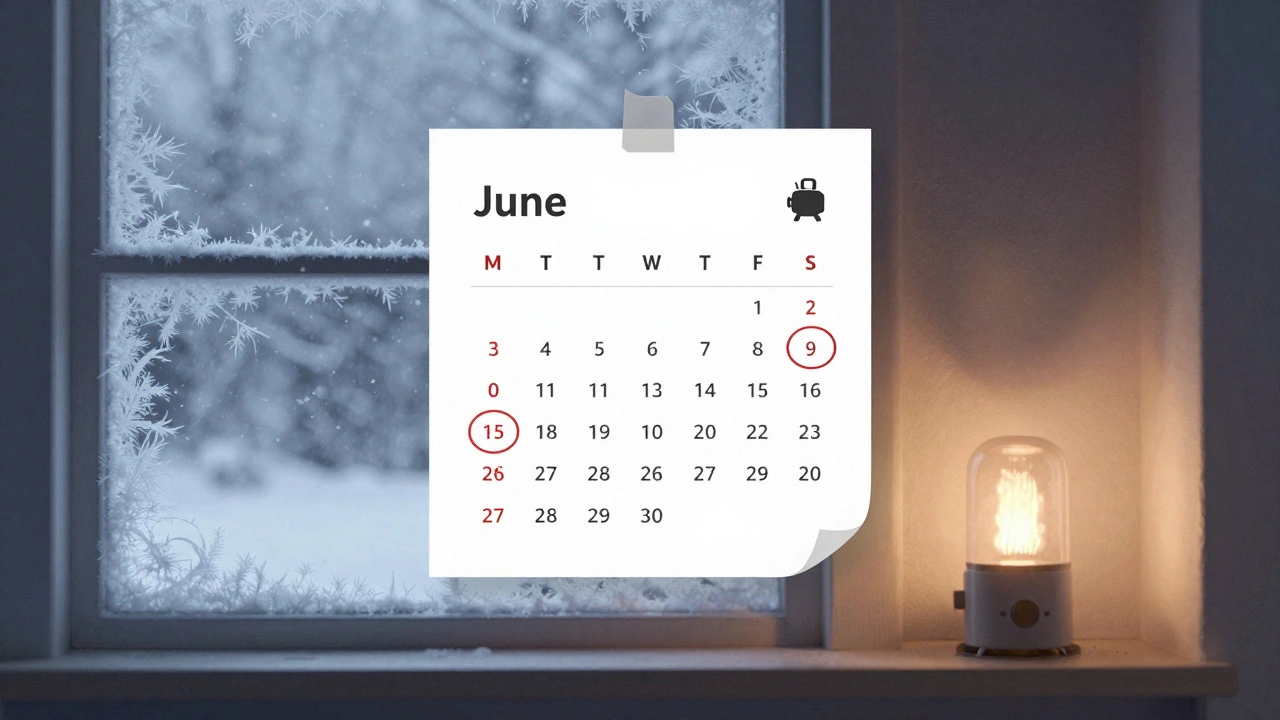
Don’t wait for winter. The best time to service your boiler is late spring or early summer. Why?
- Engineers aren’t swamped. You’ll get faster appointments.
- It gives you peace of mind before the cold hits.
- Any minor fixes can be done before you rely on the boiler daily.
If you’ve never had a service, book one now-even if it’s January. Don’t wait for next year. The sooner you start, the sooner you’ll see the benefits.
Signs Your Boiler Needs Service Sooner
You don’t always need to wait for the yearly check. Watch for these red flags:
- Strange noises-banging, whistling, or gurgling
- Pilot light keeps going out
- Boiler turns off randomly
- Water pressure keeps dropping
- Smell of gas (leave the house and call emergency services immediately)
- Yellow or flickering flame instead of blue
- Water leaks around the boiler
- Higher energy bills without change in usage
If you see any of these, don’t wait. Call an engineer right away. These aren’t just inconveniences-they’re warning signs.
Can You Service Your Boiler Yourself?
No. And here’s why.
Boilers involve gas, electricity, and high pressure. Even small mistakes can cause leaks, fires, or carbon monoxide poisoning. You can’t buy a tool kit and fix it like a leaky faucet.
What you can do:
- Check the pressure gauge (should be between 1-1.5 bar)
- Top up pressure if it’s low (follow the manual)
- Keep the area around the boiler clean and uncluttered
- Test your carbon monoxide alarm monthly
But actual servicing? That’s a job for a licensed professional. DIY here isn’t smart-it’s dangerous.
How Much Does a Boiler Service Cost?
Prices vary by region and boiler type, but in 2026, expect to pay between £70 and £120 for a standard gas boiler service in the UK. In the US, it’s $100-$180. That’s less than a dinner out.
Some companies offer annual maintenance plans for £10-£15/month. These usually include:
- One free service per year
- Priority booking
- Discounted repairs
- 24/7 emergency cover
If you’re on a fixed income or have an older boiler, these plans often pay for themselves in just one or two emergency callouts.
What About Electric or Oil Boilers?
Electric boilers don’t burn fuel, so they don’t need the same gas-specific checks. But they still need annual servicing. Engineers check the heating elements, pumps, and controls. Same for oil boilers-they need filter changes, burner cleaning, and fuel line inspections.
Regardless of fuel type, the rule stays the same: once a year. No exceptions.
Final Rule: One Service. Every Year. No Excuses.
Boilers aren’t like smartphones. They don’t get better with updates. They wear down. And if you don’t maintain them, they’ll cost you more in the long run.
Set a calendar reminder. Write it on your fridge. Tell your partner. Make it a habit. Your wallet, your safety, and your comfort all depend on it.
Don’t wait for the cold to hit. Don’t wait for the noise to start. Don’t wait for the bill to spike. Book your boiler service now. One hour a year is all it takes to keep your home warm, safe, and efficient.